California voters have rejected Proposition 40, the California billionaire tax — a proposed one-time 5% tax on the state’s billionaires — the Associated Press and NBC News projected on Monday, 9 November 2026. With an estimated 83.3% of the vote counted, the measure was failing by 52.8% to 47.2%, according to California Secretary of State results, nearly a week after voters went to the polls on Tuesday, 3 November. The result is a defeat for the first state-level wealth tax of its kind in the United States — and for a campaign that was outspent by roughly ten to one.
Read this story on Watan News: California Voters Reject Proposition 40 Billionaire Tax
FAKTA
- Proposition 40 was failing by 52.8% to 47.2%, with an estimated 83.3% of ballots counted, when the Associated Press and NBC News projected on Monday, 9 November, that it would fail. The results remain unofficial until certified by the California Secretary of State, and counting continued into Monday.
- The measure would have imposed a one-time 5% tax on the net worth of California residents worth more than $1 billion, based on residency on 1 January 2026 and net worth measured on 31 December 2026. The tax would have been due in 2027, with an option to pay over five years at an extra cost.
- Real estate, pensions and most retirement accounts would have been excluded. The tax would have phased in between $1 billion and $1.1 billion in net worth.
- Of the revenue, 90% would have gone to health care and 10% to education, food assistance and administration of the tax. Supporters estimated it could raise about $100 billion over five years; the Legislative Analyst’s Office said the state would likely collect tens of billions of dollars.
- The measure was placed on the ballot by the health care workers’ union SEIU-United Healthcare Workers West, whose chief of staff, Suzanne Jimenez, sponsored it. Economists including Gabriel Zucman helped design the proposal.
- Supporters raised $33.5 million, while opponents raised $388.4 million in total, including nearly $217.7 million for two countermeasures, Propositions 41 and 42. Google co-founder Sergey Brin gave $102 million to the opposition campaign.
- Proposition 41, which would prohibit new state taxes that exclude revenue from the state spending limit, is projected to fail. Proposition 42, which would prohibit new personal property taxes and certain retroactive state taxes, was leading 51.6% to 48.4% on the morning of Tuesday, 10 November, and remained too close to call.
- Polling before the vote had pointed to defeat: an October survey by U.C. Berkeley’s Institute of Governmental Studies found 50% of likely voters opposed the measure and 42% in favour, while a Public Policy Institute of California poll put opposition at 52% and support at 46%.
What Proposition 40 Proposed
Proposition 40, formally the 2026 Billionaire Tax Act, would have applied a one-time 5% tax on the worldwide net worth of people who were California residents on 1 January 2026 and whose wealth exceeded $1 billion. It would have covered assets such as stocks, bonds, business interests, intellectual property, art and collectibles, wherever in the world they are held. A married couple would have counted as one taxpayer.
The proposal was framed by its backers as a response to the 2025 federal budget law, H.R. 1, which the union said would cut about $100 billion from California’s health care funding over five years. The money raised would have gone into a new special fund, with 90% directed to a Billionaire Tax Health Account and 10% to education and food assistance. The Legislature would have been able to spend up to $22.5 billion a year from the health account and $2.5 billion a year from the second account, and could not have used the money to replace existing funding.
California is home to a little over 200 billionaires, who hold a combined total of about $2 trillion in wealth, according to researchers. The Legislative Analyst’s Office said the state would probably collect tens of billions of dollars, spread over several years, but warned that the exact amount was very hard to predict, in part because of how billionaires might respond. The office also estimated that responses such as leaving the state could reduce state income tax revenue by less than $1 billion a year. A Hoover Institution analysis estimated collections would be far lower, at about $40 billion, largely because of billionaire relocations already reported.
The California Billionaire Tax Campaign: Record Spending
The fight over Proposition 40 became one of the most expensive ballot campaigns in California history. Supporters raised $33.5 million, according to campaign finance data. Opponents raised more than $170 million directly against the measure, plus nearly $217.7 million to fund the two countermeasures, Propositions 41 and 42 — a combined $388.4 million, roughly ten times the supporters’ total.
Much of the opposition money flowed through Building a Better California, a political committee that spent more than $304 million against the tax and in support of the countermeasures. Google co-founder Sergey Brin, the largest single donor, gave $102 million to the committee. Other major donors included former Google chief executive Eric Schmidt, who gave $40.2 million, Palantir co-founder Peter Thiel, Stripe chief executive Patrick Collison and DoorDash chief executive Tony Xu. Meta chief executive Mark Zuckerberg, who faced an estimated tax bill of about $12.4 billion, was reported to have said he would leave California if the measure passed.
| Campaign side | Amount raised | Main backers |
|---|---|---|
| Supporters of Proposition 40 | $33.5 million | SEIU-United Healthcare Workers West, California Democratic Party, AFL-CIO |
| Opponents of Proposition 40 | More than $170 million | Building a Better California committee, Sergey Brin ($102 million), Eric Schmidt ($40.2 million) |
| Countermeasures (Props. 41 and 42) | Nearly $217.7 million | Same billionaire-backed committee |
| Total opposition spending | $388.4 million | Roughly ten times the supporters’ total |
Opponents argued the tax would drive companies and wealthy residents out of California, costing the state billions in lost income tax revenue. Supporters argued it would affect only a tiny number of residents and was needed to keep hospitals and emergency rooms open as federal health funding was cut.
A Divided Democratic Party
The measure sharply divided California’s Democrats. The state Democratic Party narrowly voted to endorse it, and Senator Bernie Sanders and Representative Ro Khanna campaigned in favour of it. But Governor Gavin Newsom opposed the tax, arguing that billionaires would leave the state and take their tax payments with them, and that a national tax on billionaires would be a better approach. Newsom endorsed Proposition 42, the countermeasure designed to block wealth taxes.
Governor-elect Xavier Becerra, who won the governorship on the same day, also said he would vote no. At a CNN debate in late September, Becerra said he agreed with many Californians who think billionaires have not paid their fair share, but added: “It’s that this is not the way to do tax policy.” He has said the state needs a tax policy that is predictable, sustainable and fair. The California Teachers Association and Planned Parenthood Affiliates of California also opposed the measure, arguing it could harm the state’s finances by driving wealthy taxpayers away.
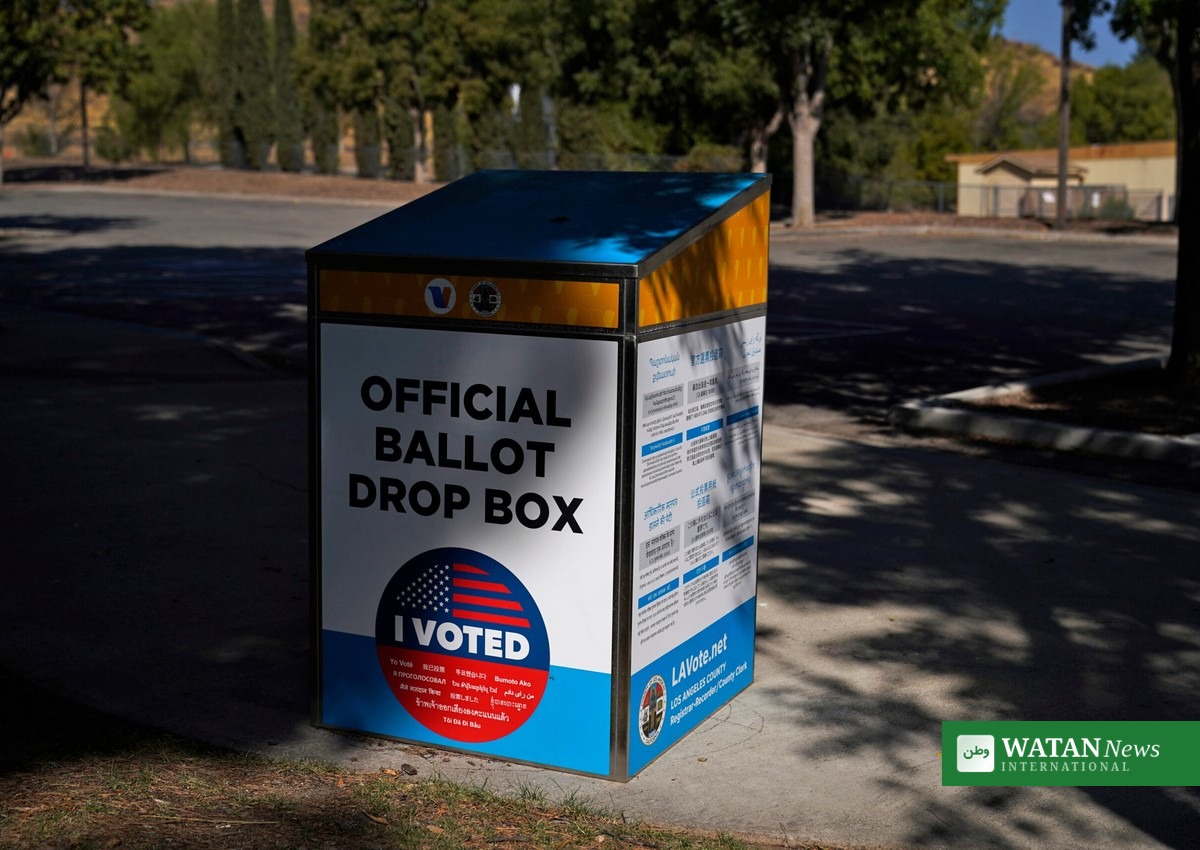
An official ballot drop box in California. Voters rejected Proposition 40 by 52.8% to 47.2%, with counting still under way.
Silicon Valley Voted No
The counties at the heart of California’s technology industry voted against the measure. In Santa Clara County, home to much of Silicon Valley, Proposition 40 was failing 53.4% to 46.6%. In neighbouring San Mateo County it was failing 54.1% to 45.9%. San Francisco went the other way, backing the measure by about 56% to 44%, and there were major pockets of support in Los Angeles.
The result came despite a Democratic wave in the wider 3 November elections across the United States. As Le Monde noted, that blue wave “did not extend to the fortunes of California’s richest residents”.
What Happens Next
With Proposition 40 defeated, the proposed one-time billionaire tax will not take effect. Attention now turns to Proposition 42, the countermeasure that would ban retroactive taxes and prohibit new state taxes on personal property. It was leading 51.6% to 48.4% on the morning of Tuesday, 10 November, but had not been called, and the final tally will decide whether California law permanently bars such wealth taxes.
The campaign behind Proposition 40 has not given up. In a statement, Suzanne Jimenez said the campaign plans to pursue a billionaire tax on the ballot in 2028 “if Sacramento fails to protect patients and deliver a real solution that makes billionaires pay their fair share”. She added: “The billionaires may have bought themselves a temporary victory at the ballot box, but they have not bought themselves an end to this debate, and this is only round one.”
Supporters including Senator Bernie Sanders and Representative Ro Khanna have also pressed for a federal version of a billionaire tax, so the debate is likely to continue in Washington even as the California measure falls.
Conclusion
California voters rejected the country’s first proposed state-level billionaire tax, even as they backed Democrats in the wider 3 November elections. The 52.8% to 47.2% result followed a campaign in which opponents outspent supporters by roughly ten to one, and in which the state’s own Democratic governor and governor-elect stood against the measure. The defeat closes the door on a one-time tax that supporters said could have raised about $100 billion for health care — but with a 2028 attempt already promised and a federal version being pressed in Washington, the argument over taxing billionaires is far from over.