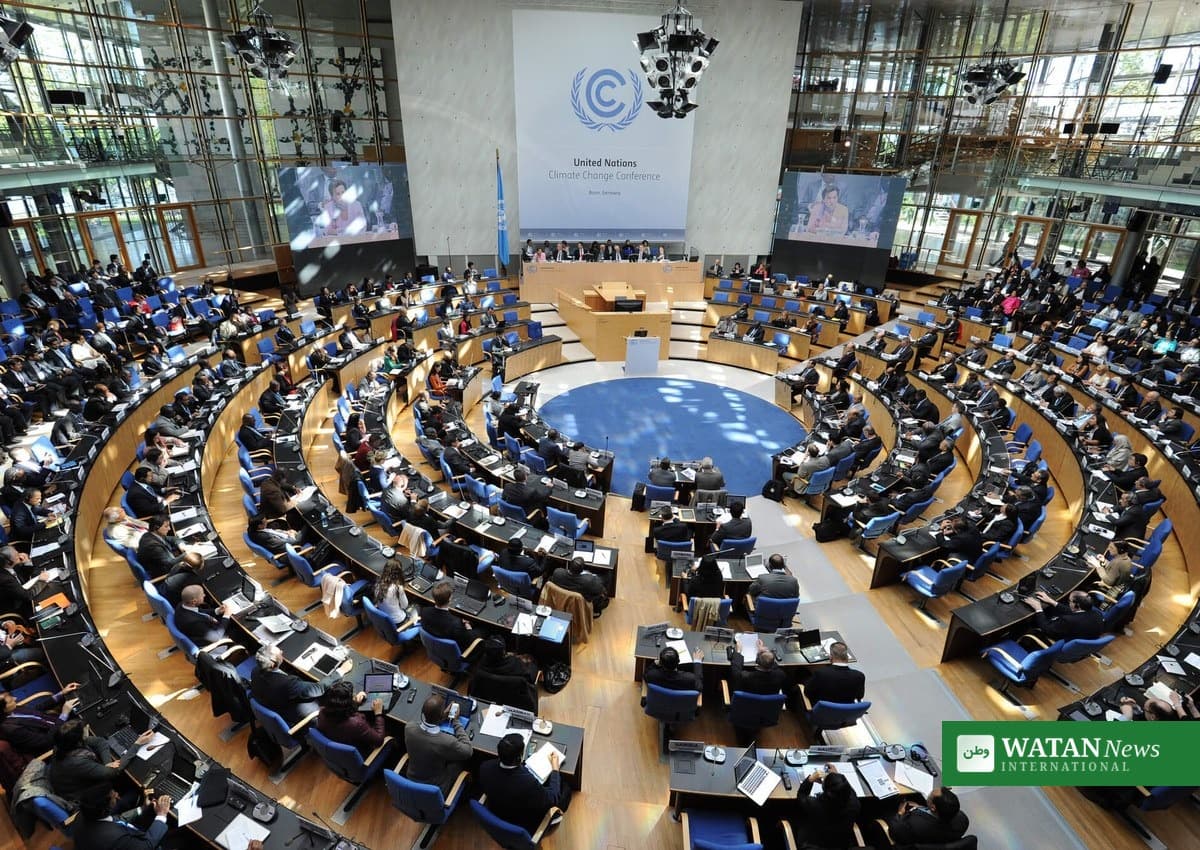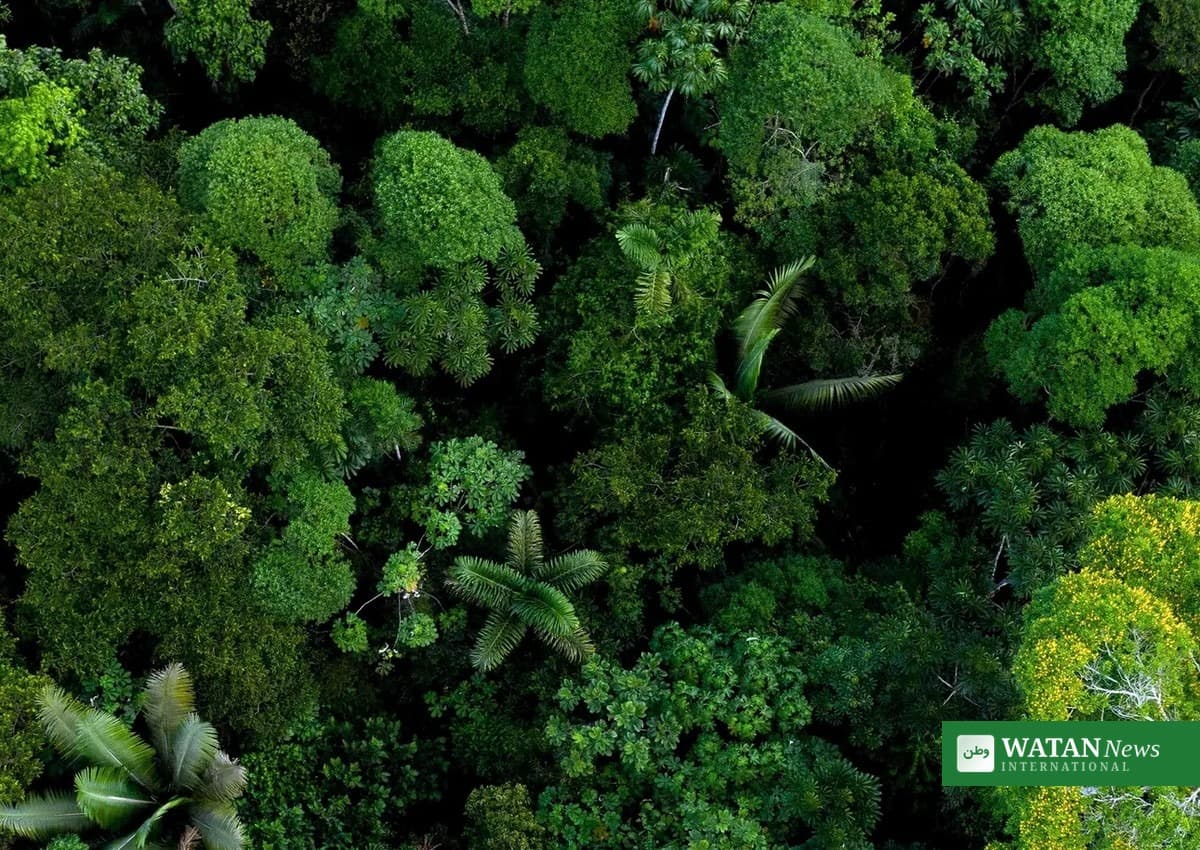
ANTALYA: The fund created to pay tropical countries to keep their forests standing moved sharply closer to its target on the first day of COP31’s World Leaders’ Summit, as the Netherlands formally announced an investment of up to $500 million and a coalition of philanthropies pledged $88 million more. Total pledges to the Tropical Forest Forever Facility now stand at $7.8 billion, against a $10 billion target that must be reached by the end of the year.
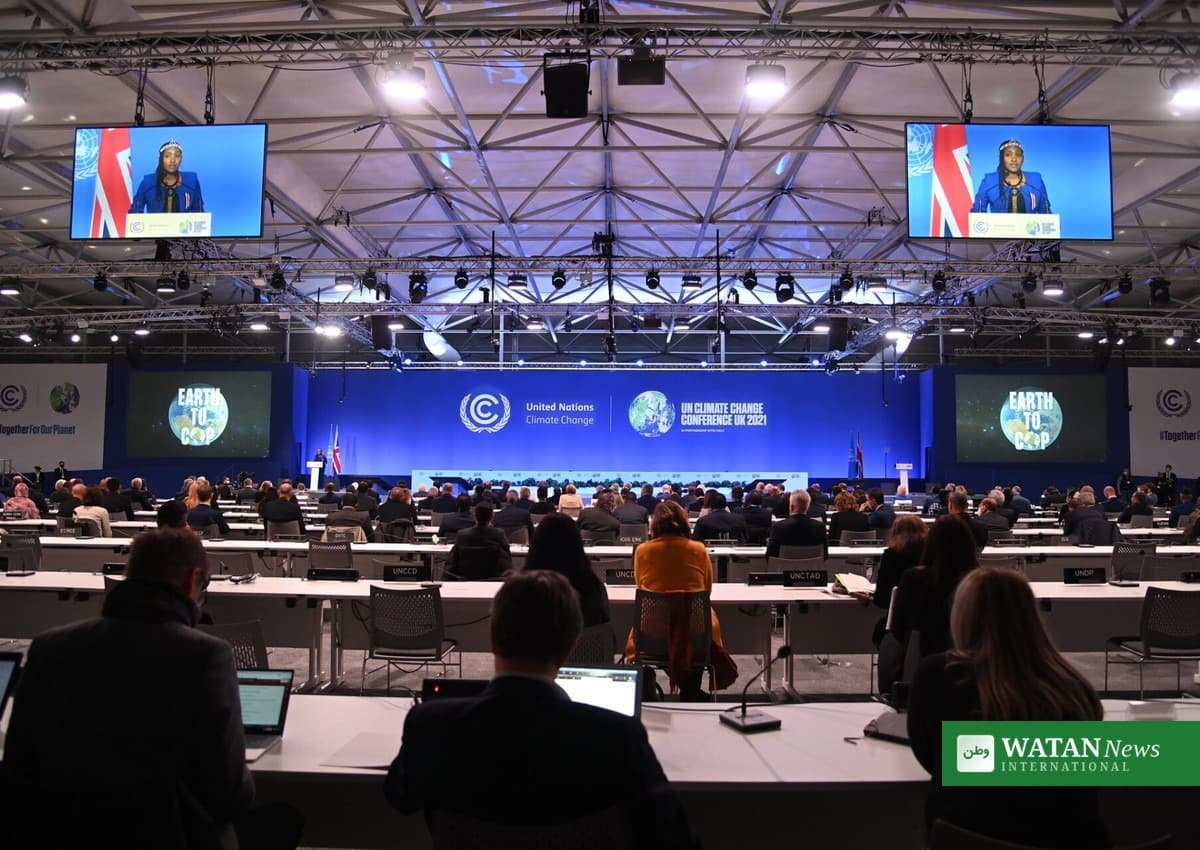
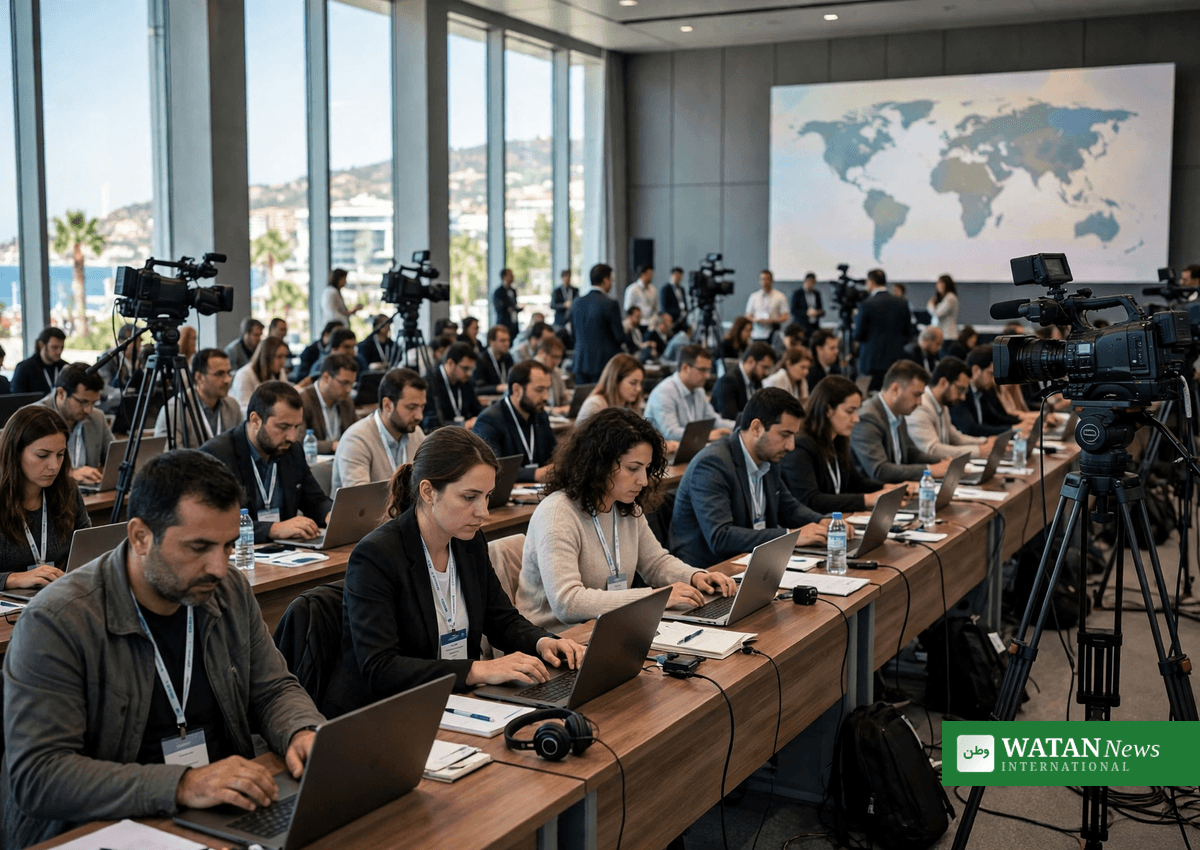
The announcements came at the World Leaders’ Summit on Forests in Antalya on 11 November, where the British Foreign Secretary, Ed Miliband, warned that more than 150 million hectares of forest burned globally in the first three months of 2026 alone. “Every fraction of a degree we reduce global warming will mean lives saved, nature protected and future generations leading better lives,” he told the summit. “And nowhere is that more true than on forests.”
The Dutch contribution had been announced in late October at the UN biodiversity conference in Yerevan, but it was formally presented at COP31 on 11 November. The philanthropic coalition — the Bacon Foundation, the Children’s Investment Fund Foundation, Conservation International, the David and Lucile Packard Foundation, the Gordon and Betty Moore Foundation, the Minderoo Foundation, the Quadrature Charitable Foundation, The Nature Conservancy and a private family office — announced its $88 million commitment at the same summit, with only weeks left to close the fundraising gap.
The money: $7.8 billion and counting
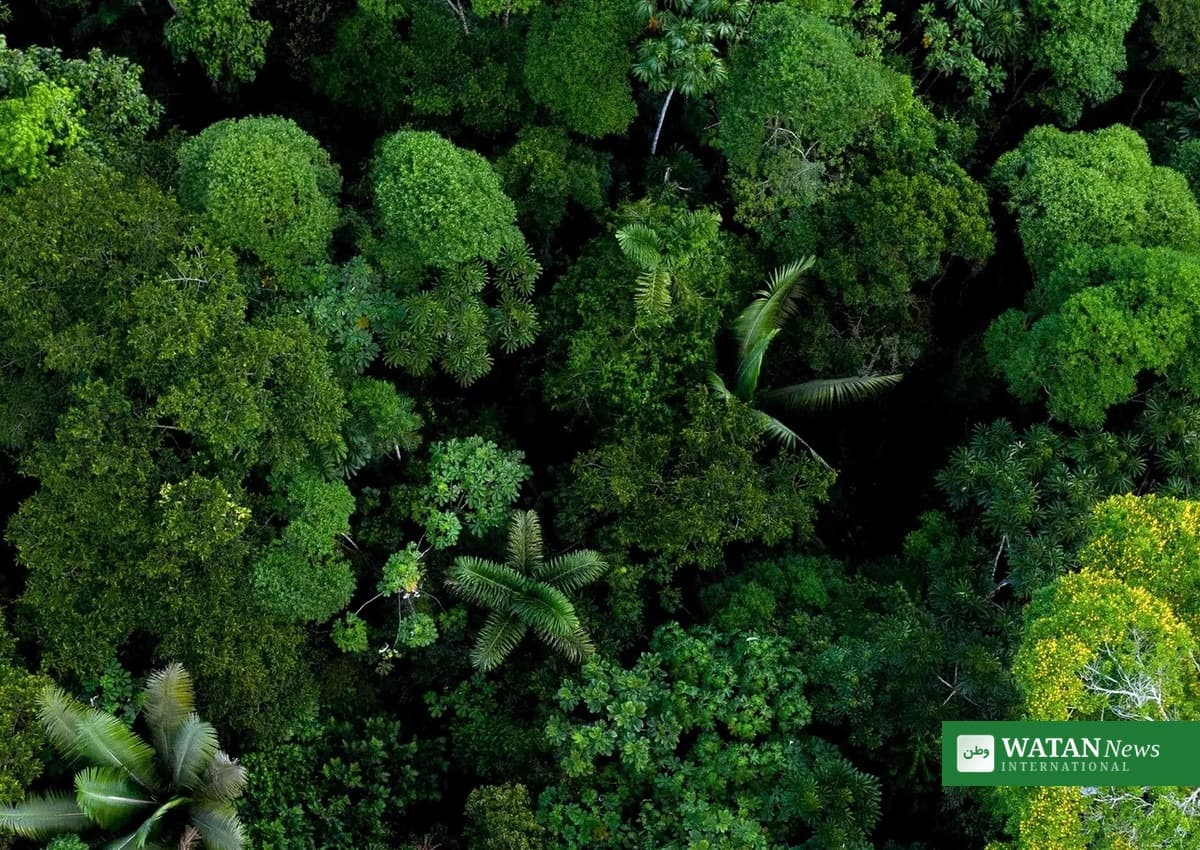
The facility, known as the TFFF, was launched at COP30 in Belém in November 2025 as an initiative of the Brazilian presidency. Instead of relying on annual donor grants, it pools public and private capital and invests it, using the returns to make predictable yearly payments to tropical forest countries based on the area of forest they protect, measured by satellite.
Under the scheme, eligible countries would receive up to about $4 a year for every hectare of standing forest. At least 20 per cent of the payments must go to Indigenous peoples and local communities, who protect many of the world’s most important forest ecosystems. The fund excludes investments linked to coal, peat, oil and gas.
The overall design is a $125 billion fund: $25 billion in sponsor capital from governments and philanthropies, used to issue up to $100 billion in bonds to private investors. The Tropical Forest Investment Fund, based in Luxembourg and hosted by the World Bank as trustee, will manage the investments. The facility’s charter has been approved and its board established, co-chaired by Brazil and Norway, with a representative of Indigenous peoples and local communities as an observer.
So far the sovereign contributors are Norway with $3 billion, Germany with €1 billion, Brazil and Indonesia with $1 billion each, France with €500 million, Luxembourg with €50 million plus a long-term annual contribution, the United Kingdom with a £400 million loan, and now the Netherlands with up to $500 million over ten years. The fund is backed by 67 countries that together host more than 90 per cent of the world’s tropical forests.
Norway’s $3 billion pledge is conditional on the $10 billion target being reached by the end of 2026, which makes every new pledge matter twice over — it closes the gap and protects the largest single commitment. The fund’s backers say it plans to invest its initial sponsor capital and make its first payments to tropical forest countries in 2027, although the facility is expected to take up to three years to become fully operational.
Mr Miliband said the United Kingdom had hoped to announce its contribution a year ago but did not manage it. “Better late than never,” he said, welcoming the Dutch and philanthropic contributions. “The TFFF is an idea whose time has come, an idea that we should look at replicating elsewhere.”
Wildfires: 150 million hectares in three months
The summit’s second theme was the threat facing forests themselves. More than 150 million hectares burned globally in the first three months of 2026 alone, according to Mr Miliband, who called for the international community to mobilise its best expertise to monitor, explain and predict extreme wildfires so that timely action can be taken.
He pointed to two tools: the State of Wildfires 2026 report, backed by British scientific expertise and international collaboration, and the Antalya Action Plan, led by Türkiye, Brazil and Korea, which aims to shift wildfire policy from ad hoc, short-term crisis response to stronger prevention and preparedness.
The warning fits a wider pattern. About 6.7 million hectares of primary tropical forest were lost in 2024, and 145 governments pledged at COP26 in Glasgow to halt and reverse deforestation by 2030. Brazil’s voluntary deforestation roadmap, published on 3 November and formally presented at COP31, sets out how that pledge could be delivered — but the UN Environment Programme estimates forest finance must rise from $84.5 billion in 2023 to more than $300 billion a year by 2030.
The people who guard the forests
Mr Miliband’s third message was that forests are protected not by declarations but by people. In Belém last year, partners agreed the landmark Land Tenure Commitment for Indigenous peoples and local communities, and the United Kingdom has now completed its delivery plan in support of it. Britain has also exceeded its commitments on the Forest Tenure Pledge and the Global Forest Finance Pledge, mobilising more than $14 billion.
The summit also marked a handover. The United Kingdom and Guyana are passing the co-presidency of the Forest and Climate Leaders’ Partnership to Germany and Costa Rica. “Our fates are connected as a world,” Mr Miliband said, naming the forests of the Amazon, the Congo Basin, Southeast Asia, the Highlands of Scotland, the cloud forests of Costa Rica and the Black Forests of Germany. “That is the principle of the forests. That is the principle of our common humanity.”
Trees planted for peace
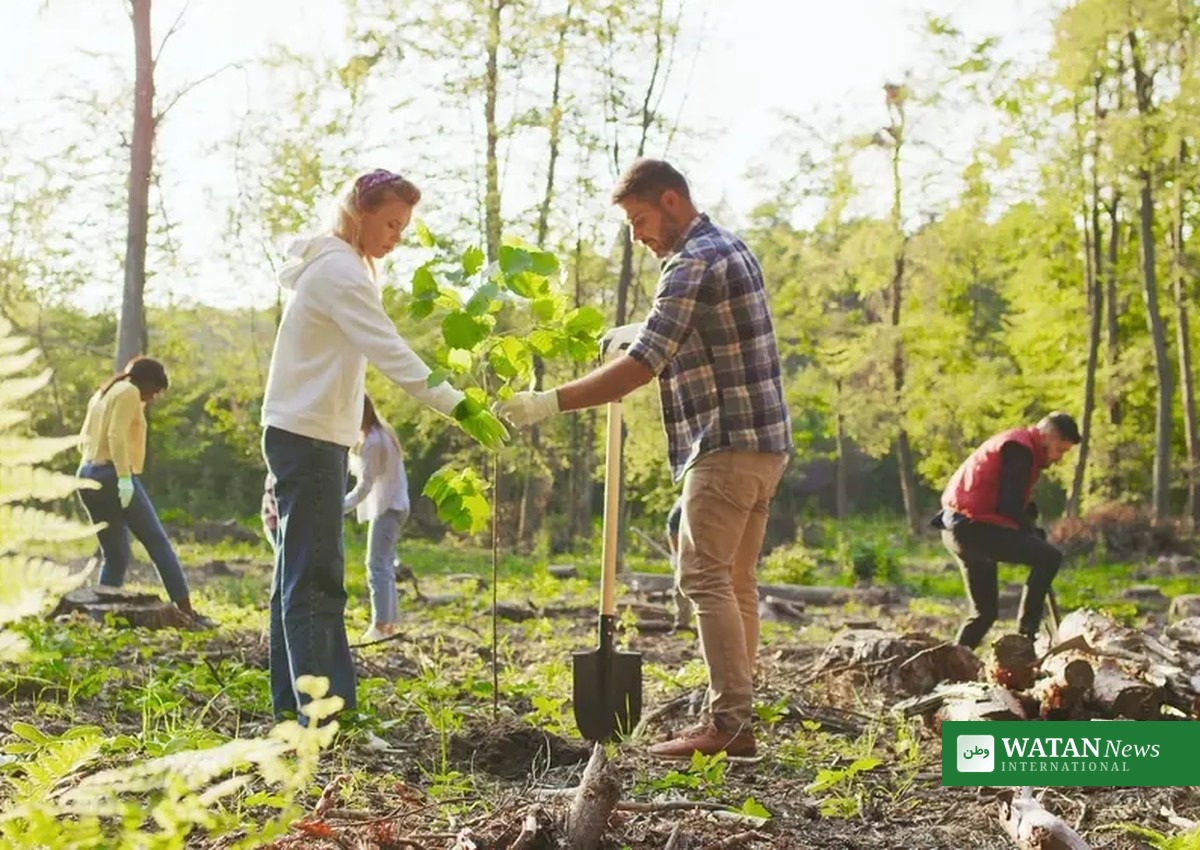
The forest theme was visible beyond the negotiating rooms. On 11 November, Türkiye’s National Forestation Day, President Recep Tayyip Erdoğan planted olive saplings with United Nations Secretary-General António Guterres and UN climate chief Simon Stiell in COP31’s Forest of Peace, under the theme “Breath for the Future, Peace for the World”. Peace forests are being established in all 81 Turkish provinces.
The President of the Republic of the Congo, Denis Sassou Nguesso, used his address to the Leaders’ Summit to urge all UN member states to join the United Nations Decade for Afforestation and Reforestation, adopted by the UN General Assembly in April 2025. His country marked the start of the decade early, on its National Tree Day on 6 November, by planting almost 200,000 trees.
What happens next
The forest agenda continues today, 12 November, with “Forests Forward: Catalyzing Momentum Towards the Global 2030 Forests Goal” at the WWF/IUCN Pavilion, where new research on the value of forests will be presented alongside governments, investors, companies and Indigenous peoples. The Brazil Pavilion hosts “From Roadmap to Implementation: Mobilizing Collective Action for Halting and Reversing Forest Degradation by 2030” in the afternoon, followed by a dedicated TFFF side event on scaling up permanent finance for standing tropical forests.
On 17 November, COP31’s Nature Day — “Ocean, Seas, Nature and Land Use — Rio Synergy” — will put forests at the centre of the conference programme, and on 18 November an official side event, “Forests Roadmap: From Milestone to Movement”, will take stock of the roadmap’s progress. But the test set at the forest summit is a financial one: with $2.2 billion still to raise before the end of the year, the question is whether more governments and philanthropists follow the Netherlands’ lead. Read our earlier report on the forest fund and COP31 Nature Day, and on the Forest of Peace planting.
Key facts
- The Netherlands formally announced up to $500 million for the Tropical Forest Forever Facility at COP31 on 11 November; philanthropies pledged a further $88 million the same day.
- Total pledges to the facility now stand at $7.8 billion, against a $10 billion target for the end of 2026 — a gap of $2.2 billion.
- Norway’s $3 billion pledge is conditional on the $10 billion target being reached.
- More than 150 million hectares burned globally in the first three months of 2026, according to the British Foreign Secretary.
- The fund would pay up to about $4 a year per hectare of standing tropical forest, with at least 20 per cent going to Indigenous peoples and local communities.
- 17 November is COP31’s Nature Day — “Ocean, Seas, Nature and Land Use — Rio Synergy”.