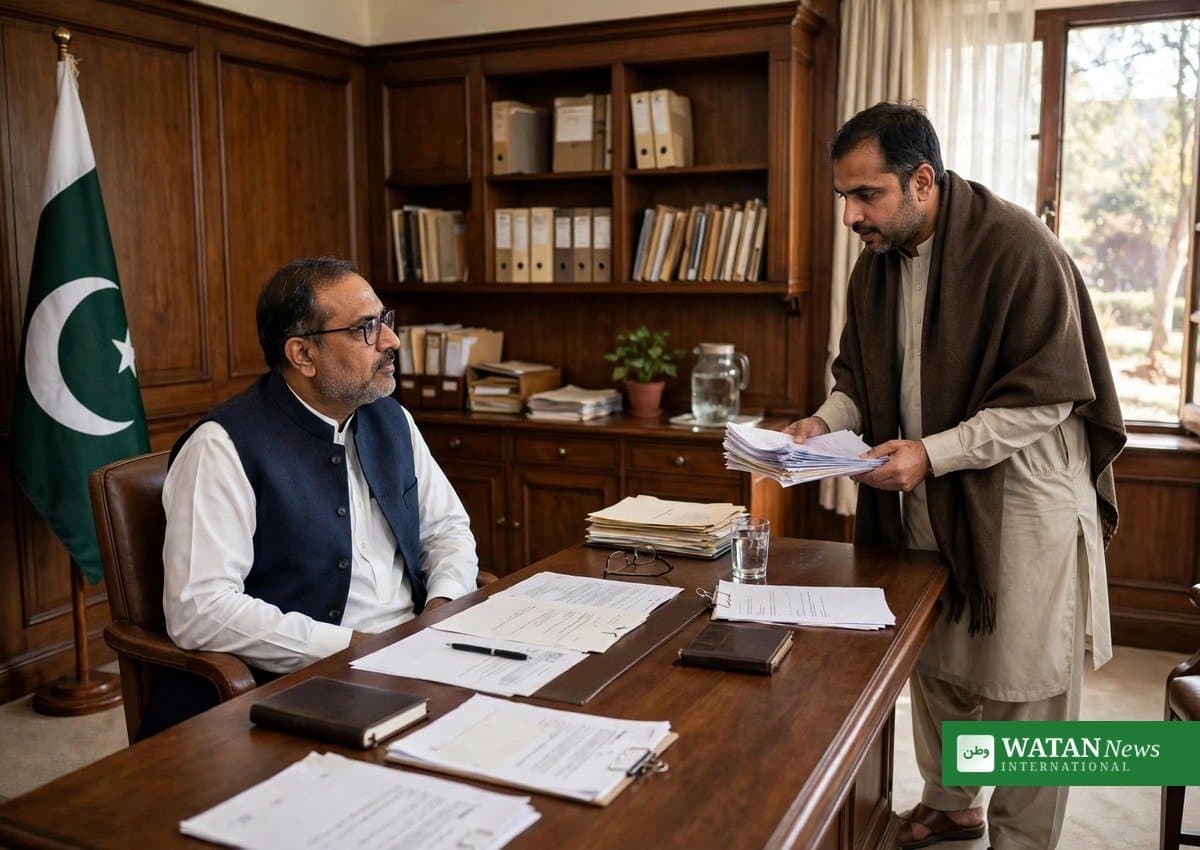
SIALKOT: Pakistan’s Defense Minister Khawaja Muhammad Asif has been setting aside time at his office to listen directly to the public, hearing citizens’ grievances and ordering action on their problems. The open-door sessions are part of his long-running practice of meeting the people of his hometown directly — a style of politics he has kept up for years alongside his duties as one of the federal cabinet’s senior ministers.
FAKTA
- Defense Minister Khawaja Muhammad Asif holds open sessions at his office in Sialkot, where citizens can bring their problems and grievances directly to him.
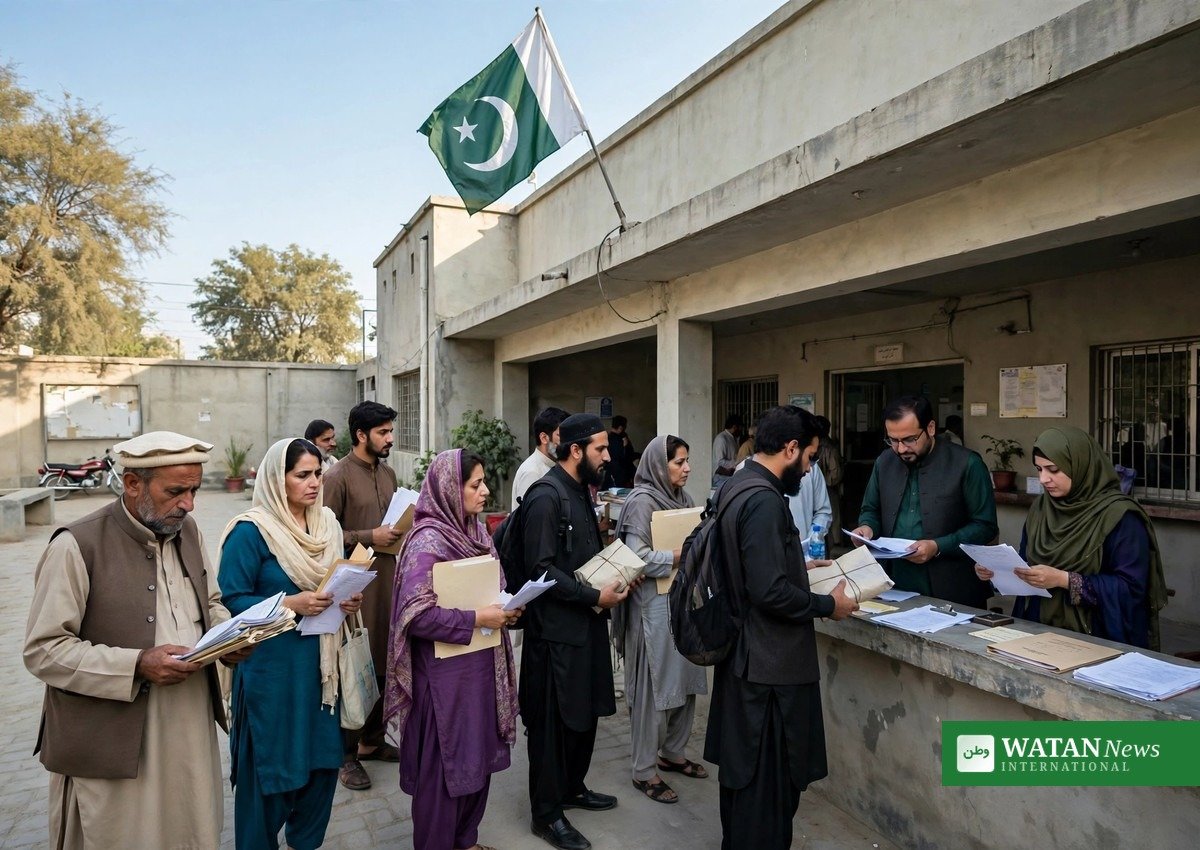
- The grievances range from personal hardships and administrative procedures to community welfare and defence-services matters.
- Asif issues on-the-spot instructions to local authorities to resolve the issues raised, with staff recording each complaint for follow-up.
- Local PML-N figures regularly attend the sessions — including, at a documented session in April 2025, MPA Muhammad Manshaullah Butt and Khawaja Sultan Tipu.
- Specific details of individual grievances are kept confidential to protect the citizens who raise them.
Defense Minister Khawaja Muhammad Asif’s open-door policy
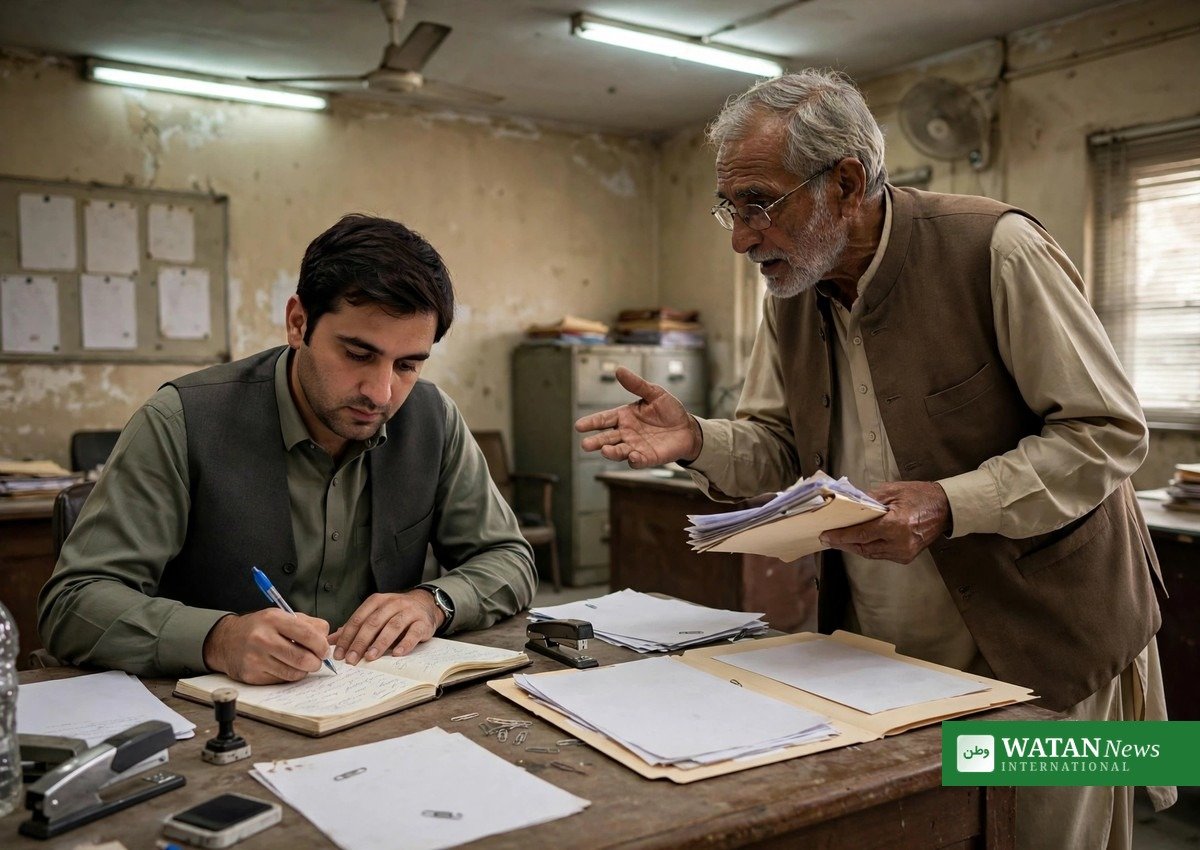
The minister’s office has adopted an open-door policy: citizens are invited to walk in with their concerns instead of navigating layers of bureaucracy. Designated times are set aside for these hearings so that each visitor gets a proper hearing, support staff assist attendees and document every grievance, and follow-up action is planned on the issues raised.
For a federal minister whose portfolio covers national defence, the sessions are striking in their range. Alongside defence-related matters — from the concerns of service personnel’s families to veterans’ issues — citizens bring everyday civic problems: stalled paperwork, utility and development issues, and community welfare needs. Asif listens, takes notes, and promises action where feasible.
From personal hardships to community needs
The breadth of what lands on the minister’s desk reflects the reality of constituency politics in Pakistan: a federal minister is also an elected representative, and his office functions as a court of last resort for people whose problems have stalled elsewhere. Attendees describe being heard directly by the minister himself rather than being passed down the chain.
The confidentiality around individual cases matters. By keeping the specifics of grievances private, the office protects complainants — many of whom raise sensitive personal or administrative matters — while still moving their files through the system.
A recurring practice, not a one-off
This is not the first time Asif has opened his doors this way. The Balochistan Times reported in April 2025 that the defence minister — at his residence in Sialkot Cantt — listened to citizens’ problems and issued instructions to local authorities to resolve them, with MPA Muhammad Manshaullah Butt, Khawaja Sultan Tipu and PML-N workers present on the occasion. The latest sessions continue that pattern: regular, in-person, and anchored in his Sialkot constituency.
Asif, a veteran PML-N leader who has represented Sialkot in the National Assembly for decades, has long combined ministerial office with constituency work. The grievance sessions reinforce that dual role — national policymaker in Islamabad, accessible representative at home.
Conclusion
Defense Minister Khawaja Muhammad Asif’s public grievance sessions are a reminder that in Pakistan’s political culture, access to a minister’s office is itself a form of service. By hearing complaints directly and ordering follow-up on the spot, he turns a routine constituency practice into a visible commitment to responsive governance — one citizen, one file at a time.
Read more in our Pakistan section, and find this article on the main domain here: Defense Minister Asif Hears Public Grievances at Office.