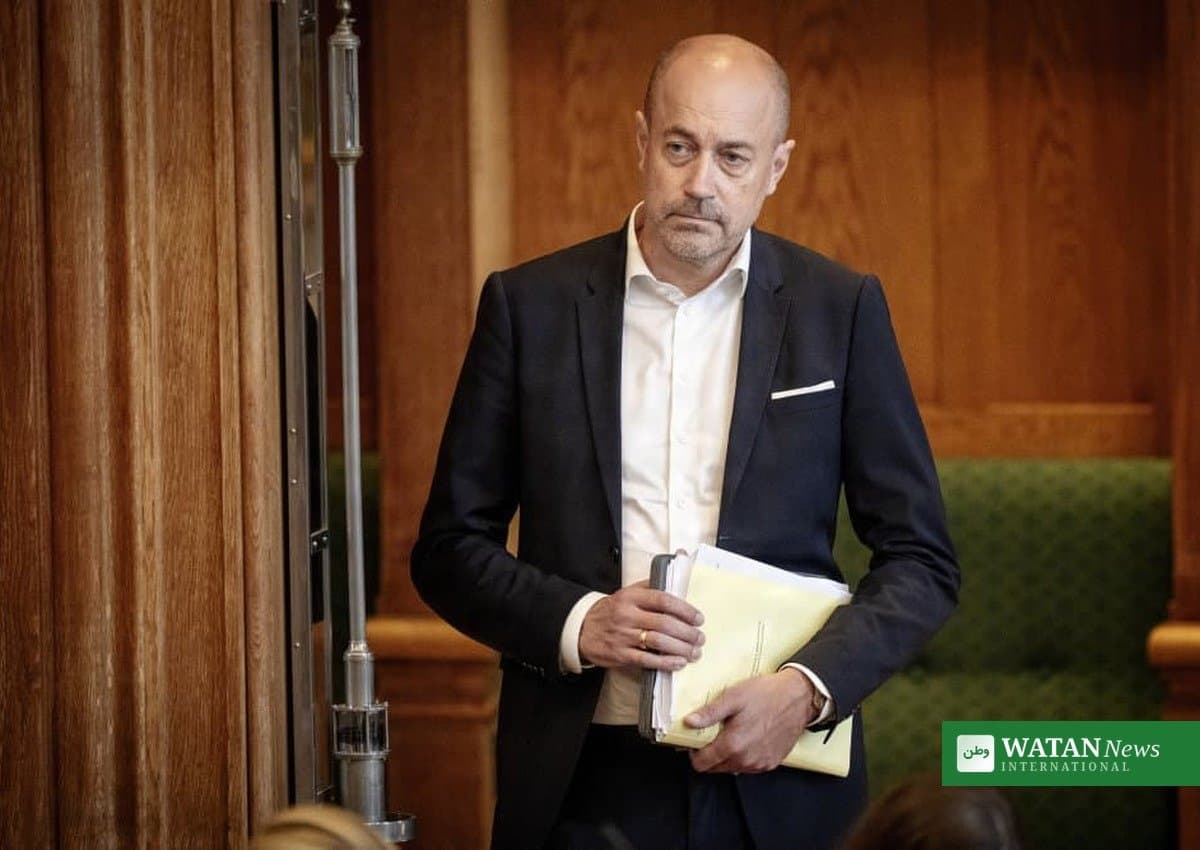

The UK Conservative party is set to announce a significant deregulation agenda, including the proposed abolition of the Environment Agency and Natural England. This move is part of a broader strategy aimed at boosting economic growth and reducing the cost of new housing.
- Conservatives plan to scrap the Environment Agency and Natural England.
- Measures aim to cut new home prices by £50,000.
- Net zero regulations on housebuilding will be abolished.
- Affordable homes regulations are also targeted for removal.
Deregulation for Economic Growth
The Conservative party is signalling a major shift in policy focus towards economic growth, with a series of proposed regulatory cuts. Shadow chancellor Andrew Griffith will outline plans to “streamline regulations” that currently protect nature and mandate the inclusion of affordable housing and community services in new developments.
- The party aims to speed up infrastructure and housebuilding projects.
- This strategy is intended to refocus on economic performance, an area of recent polling weakness.
- The proposals are seen as a move to differentiate from Labour’s economic approach.
Reducing Housing Costs
A key promise within the deregulation package is the potential reduction of new home prices by approximately £50,000. This is to be achieved primarily through the scrapping of net zero regulations that currently apply to housebuilding, such as the Future Homes Standard.
- The Future Homes Standard requires new homes to be zero-carbon ready.
- Removing these requirements is expected to lower construction costs for developers.
- The party believes this will make housing more affordable for buyers.
Reforming Developer Obligations
The Conservatives also intend to replace existing developer obligations, including section 106 agreements and the community infrastructure levy. These currently ensure developers contribute to affordable housing and support local services like schools and GP surgeries.
- Current agreements oblige developers to build a proportion of affordable housing.
- Developers must also support local infrastructure demands, such as schools and health services.
- The proposed replacement is a simplified “one stop” levy on developers.
- This aims to reduce administrative burdens and speed up the development process.
Party Strategy and Leadership
These announcements come as the Conservative party seeks to regain public favour, trailing behind Labour and Reform UK in recent polls. Party leader Kemi Badenoch has published a new policy document, “The Right Way,” inspired by Margaret Thatcher’s 1976 tract, “The Right Approach.”
“The Right Way” Document
Badenoch stated that the document will form the bedrock of the party’s policy development leading up to the next election. She emphasized the need for the party to be prepared to “hit the ground running” and clearly demonstrate its governing approach from day one.
- The document aims to define the party’s direction for the future.
- It draws inspiration from a significant historical Conservative policy statement.
- Badenoch aims to present a clear alternative to the current government.
Challenging Labour’s Economic Stance
Conservative strategists see a significant opportunity to gain support by highlighting perceived weaknesses in Labour’s economic policies. They contrast their focus on growth with what they describe as a limited economic plan from Labour leaders Andy Burnham and John Healey.
- The party believes Labour has not focused sufficiently on economic growth.
- This perceived gap is seen as an area where the Conservatives can make gains.
- The strategy involves directly challenging the economic credentials of opposition leaders.
Environmental Protections Under Scrutiny
The proposed abolition of the Environment Agency and Natural England raises questions about the future of environmental protections in the UK. These agencies are responsible for safeguarding natural resources and enforcing environmental laws.
- The Environment Agency monitors and protects England’s rivers, lakes, and groundwater.
- Natural England advises on wildlife conservation and landscape management.
- Scrapping these bodies could lead to reduced oversight of environmental impact.
Conclusion
The Conservative party’s pledge to abolish the Environment Agency and Natural England, alongside other deregulation measures, represents a significant policy shift. The stated aim is to stimulate economic growth and reduce housing costs by streamlining regulations.
However, these proposals are likely to face considerable debate regarding their potential impact on environmental protection and the long-term sustainability of development. The success of this strategy will depend on the party’s ability to convince voters that their approach offers tangible economic benefits without compromising essential environmental safeguards.