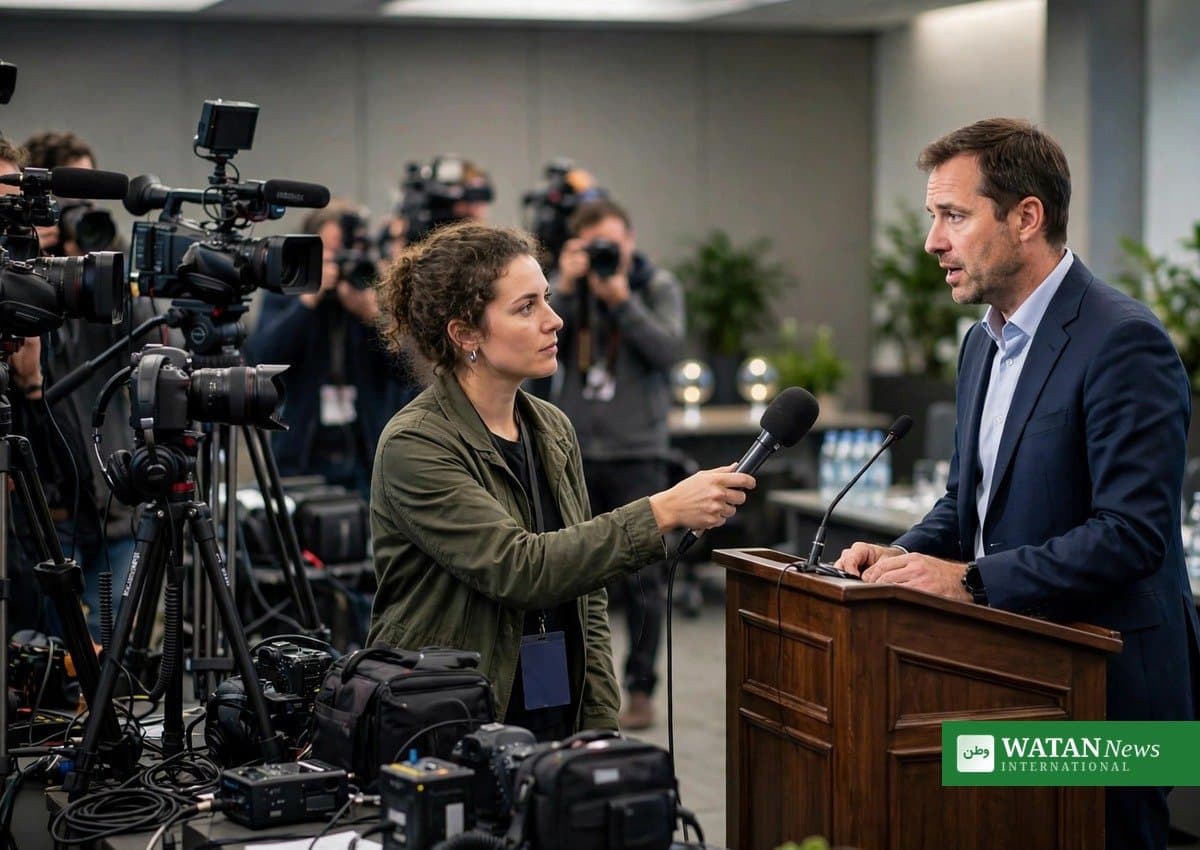
Not all movement is equal when it comes to a good night’s rest. A new analysis of nationally representative data from more than 11,000 US adults suggests that the context of exercise matters enormously for exercise and sleep: physical activity performed as part of work was consistently linked to worse sleep, while vigorous recreational exercise was associated with healthier rest. The study, published in the Journal of Activity, Sedentary and Sleep Behaviors, drew on the National Health and Nutrition Examination Survey (NHANES) collected between 2015 and 2020 and is among the first to disentangle the effects of work-related and leisure-related movement on sleep in a racially and ethnically diverse population.
FAKTA
- 11,039 adults aged 18 to 65, from NHANES 2015–2020 data, were analyzed by researchers at the University of Texas Health Science Center at Houston.
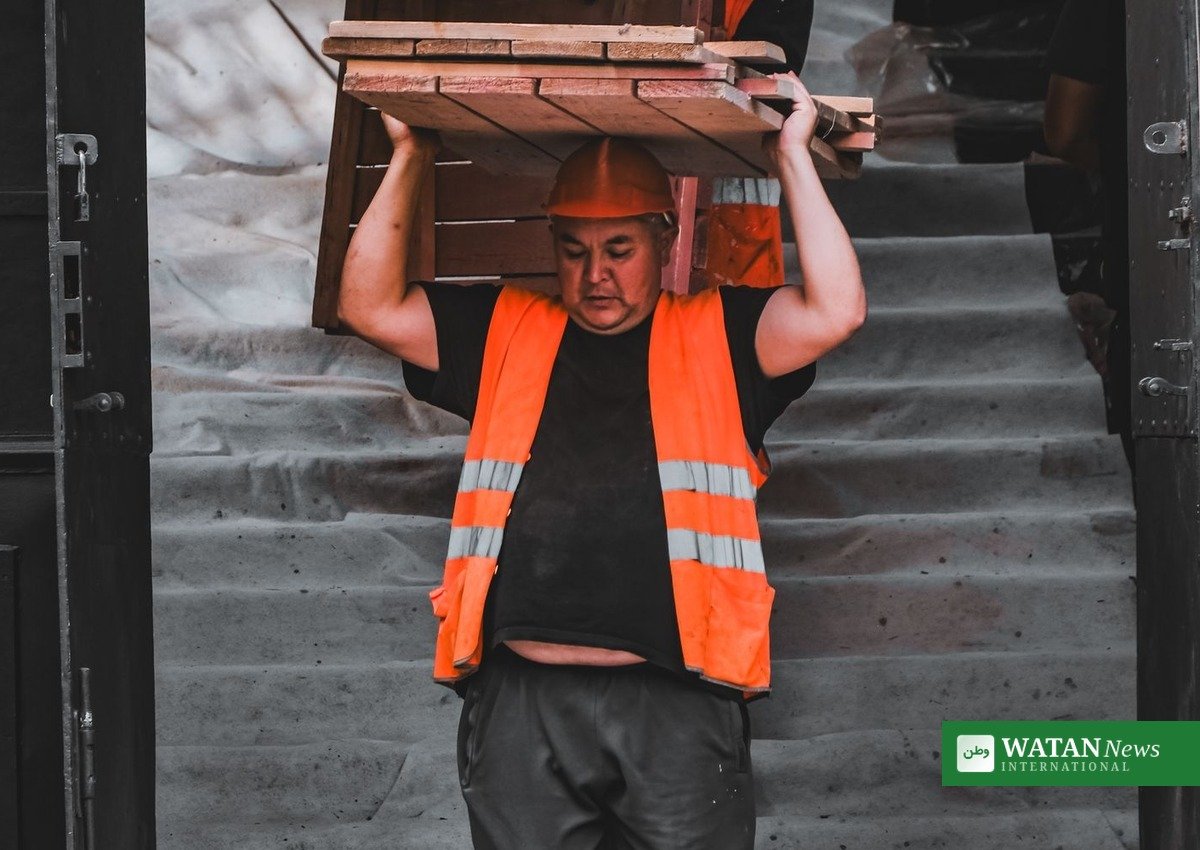
- Moderate work activity raised the odds of short sleep by 42%, snoring by 45%, breath cessation by 37% and daytime sleepiness by 63%.
- Vigorous work activity raised the odds of short sleep by 72%, alongside higher odds of snoring, breath cessation and daytime sleepiness.
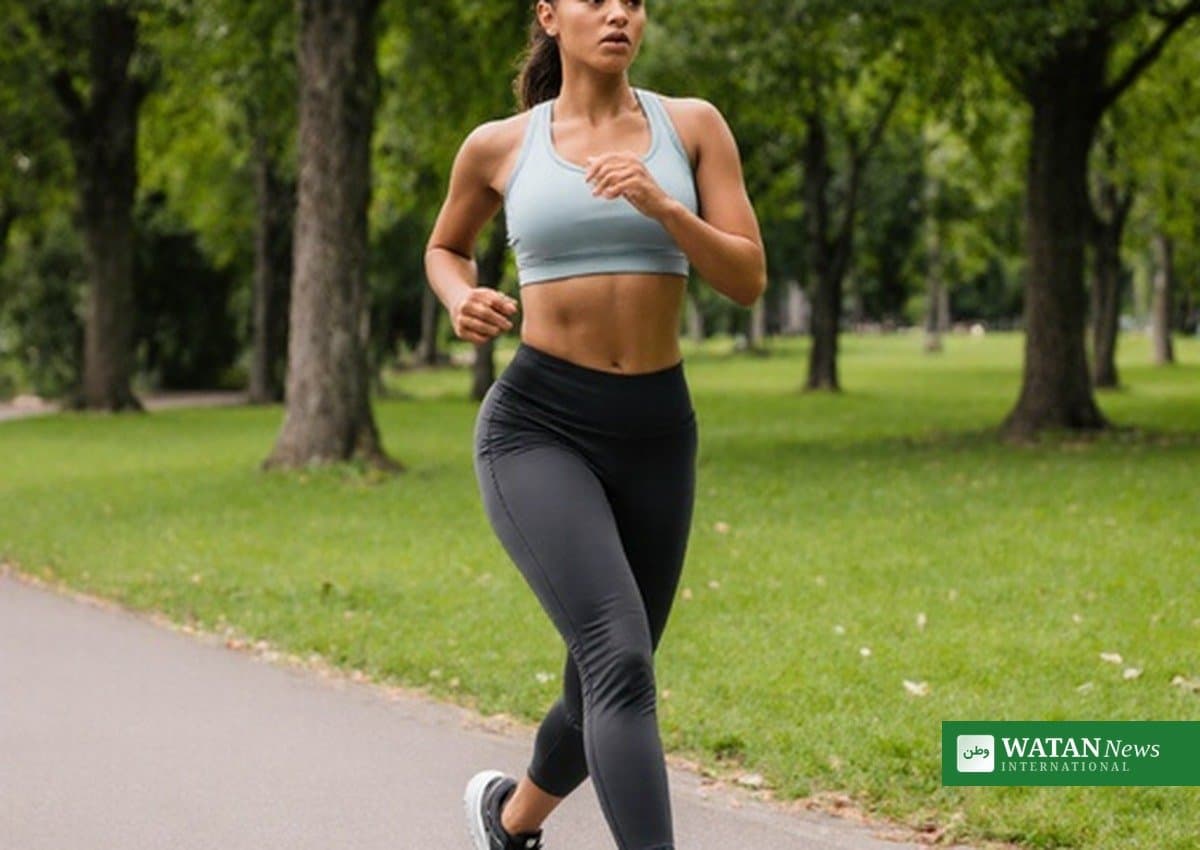
- Vigorous recreational activity cut the odds of short sleep by 19% and of trouble sleeping by 17% — moving sleep in the opposite direction.
What the Study Says About Exercise and Sleep
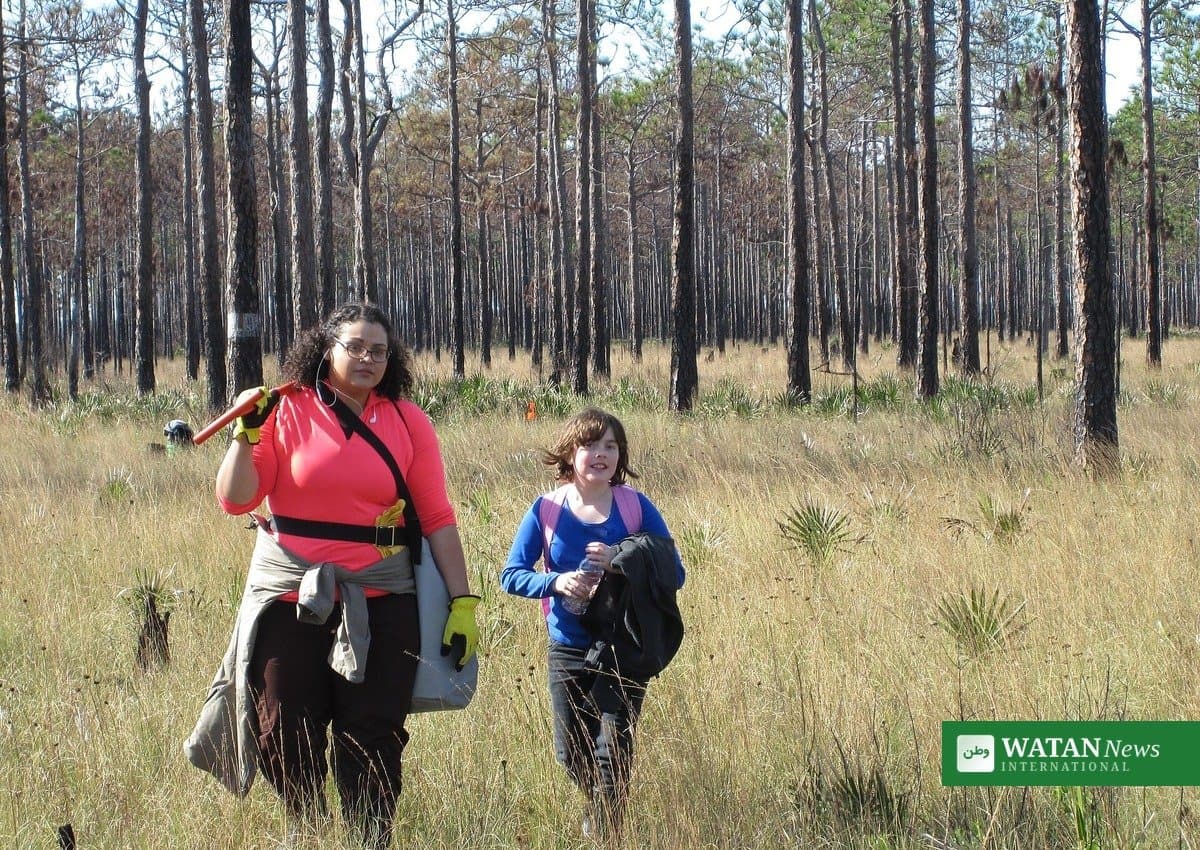
The research team, led by investigators at the University of Texas Health Science Center at Houston, analyzed self-reported data from 11,039 adults with a mean age of 41; 50.7% of the sample were women, and it reflected the country’s diversity across non-Hispanic White, Hispanic or Latino, non-Hispanic Black and non-Hispanic Asian participants. Work activity covered tasks such as carrying loads, household chores and yard work, while recreational activity meant pursuits like running, swimming and team sports.
Sleep was measured across five domains: usual weekday sleep duration, frequency of snoring, episodes of snorting, gasping or breathing cessation, whether a doctor had ever been told about trouble sleeping, and how often participants felt excessively sleepy during the day. Short sleep was defined as fewer than seven hours per night, in line with recommendations from the American Academy of Sleep Medicine and the Sleep Research Society. The models adjusted for age, sex, ethnicity, body mass index and income.
The contrast was stark. The same amount of bodily exertion pointed in opposite directions depending on where it happened. And a second, independent analysis of NHANES data — by Paixão and colleagues, published in the same journal — found the same pattern in 5,533 participants: people getting at least 2.5 minutes of leisure activity per sedentary hour were 38.9% less likely to sleep too little, while those hitting the same threshold at work were 57% more likely to fall short.
| Type of activity | Change in odds of short sleep (under 7 hours) |
|---|---|
| Moderate work activity | +42% |
| Vigorous work activity | +72% |
| Vigorous recreational activity | −19% |
Why Work Exertion May Harm Sleep
The authors propose several explanations. Occupational physical exertion often coincides with long hours, shift schedules including overnight work, and demanding conditions that disrupt circadian rhythms and promote exhaustion. Earlier research has estimated that moderate-to-vigorous work activity is associated with roughly a 15% increase in the likelihood of disordered sleep.
Stress is another candidate driver. Elevated cortisol levels, mediated through the hypothalamic-pituitary-adrenal axis and the sympathetic nervous system, are well-established predictors of poor sleep quality and insomnia — and occupational pressures, financial instability and socio-economic disadvantage can sustain chronic stress responses that fragment sleep.
The burden was not shared evenly. In stratified analyses, non-Hispanic Black participants doing moderate work activity showed consistently elevated odds across all measured sleep problems, with the highest odds for daytime sleepiness. Among those performing vigorous work activity, Hispanic participants showed the greatest odds of short sleep, and non-Hispanic Asian participants the greatest odds of snoring and trouble sleeping.
The Recreational Advantage
The benefits of leisure-time exercise are extensively documented: regular recreational activity supports cardiovascular health, musculoskeletal fitness, glucose homeostasis and psychological well-being. Consistent with that literature, the new analysis found vigorous recreational activity reduced the odds of short sleep by 19% and of trouble sleeping by 17%.
Notably, moderate recreational activity showed no significant associations with sleep behaviors after adjustment, suggesting the protective effect of leisure movement may require a sufficiently vigorous intensity. The researchers conclude the difference likely reflects not the physiology of exercise itself but everything surrounding it: autonomy, scheduling, stress and recovery time.
For the public, the message is nuanced rather than simple. Moving more remains one of the most reliable routes to better health — and only about half of American adults currently meet federal guidelines of 150 to 300 minutes of moderate or 75 to 150 minutes of vigorous aerobic activity per week. But this research suggests the clock and the context of that movement matter too.
Limits of the Research
The authors are careful to note the design’s limitations. The data are cross-sectional, so they cannot establish temporality or causation, and both sleep behaviors and physical activity were self-reported rather than measured objectively. The analysis also could not account for potential confounders such as occupation type, workplace conditions, marital status, stress and environmental factors. They call for prospective longitudinal studies to clarify the mechanisms linking different forms of physical activity to sleep health.
Conclusion
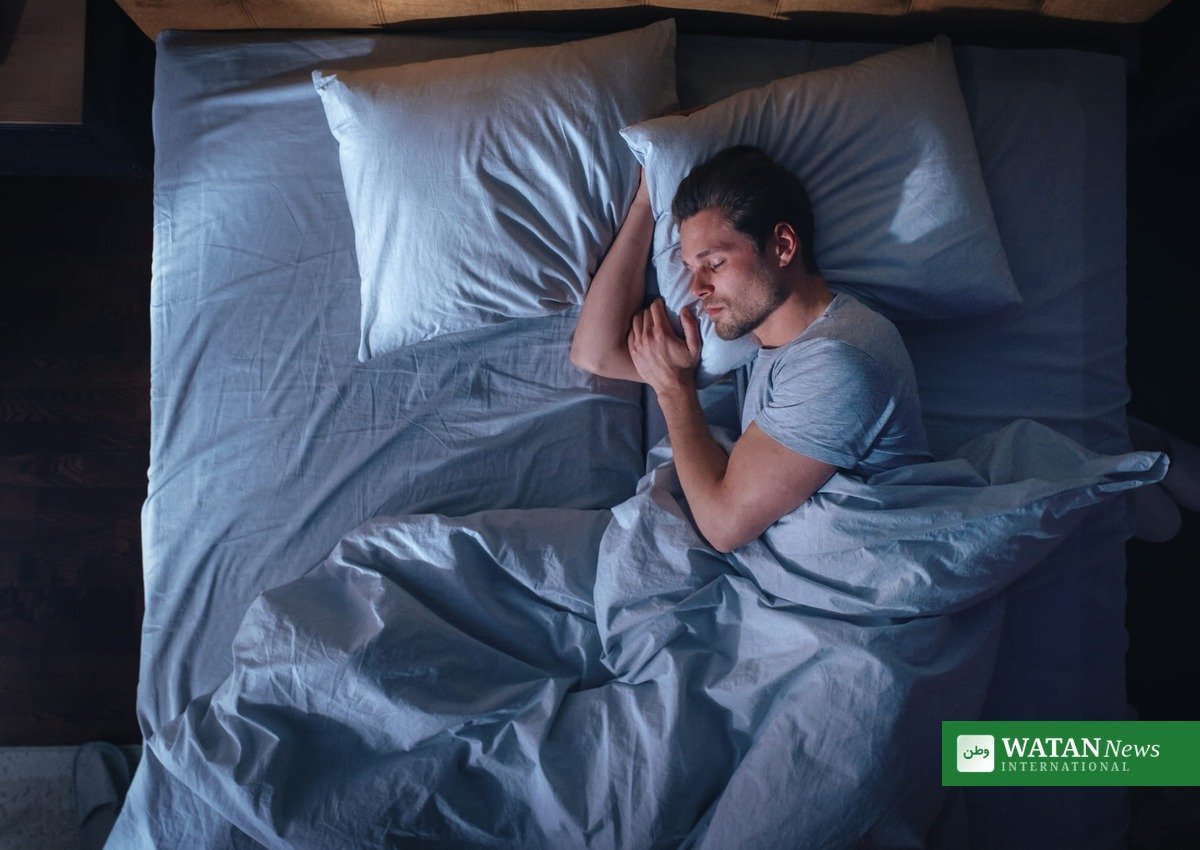
Exercise still deserves its place at the heart of a healthy life — but where you get it appears to shape how well you sleep. Exertion embedded in demanding, potentially stressful work was associated with shorter, more disturbed sleep, while vigorous exercise chosen freely in leisure time was associated with longer and sounder rest. As scientists push to elevate sleep health on public health agendas, the findings suggest interventions may need to look beyond exercise volume and address the conditions under which people are physically active. Read more English health coverage at Watan News International.