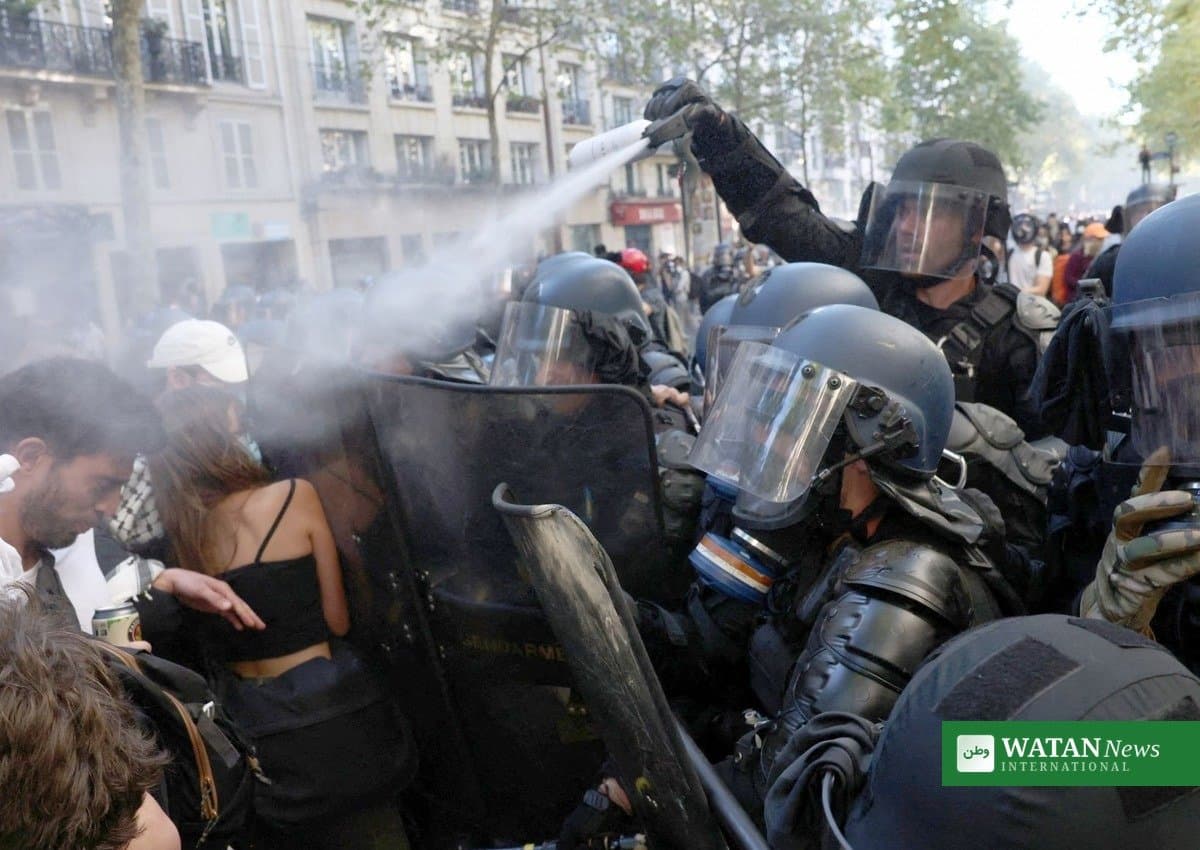
France has brought in overnight curfews across Paris, Lyon, Lille and Nice after a weekend of violent protests, looting and arson, as the government conceded that police had lost control in several cities and the interior minister offered his resignation to President Emmanuel Macron.
FAKTA
- Curfews came into force on Monday in several French towns and cities after two nights of rioting, looting and destruction.
- Prime Minister Sébastien Lecornu asked regional authorities to impose “local and partial” curfews where needed, ruled out full-city curfews, and refused to rule out a state of emergency.
- In Paris, the Right Bank was declared a no-go zone between 11pm and 6am, with gatherings banned from 8pm; curfews also cover districts including Place de la République and Les Halles.
- Interior Minister Laurent Nuñez offered his resignation; President Macron refused it. Nuñez admitted police had “lost control” in the face of the rioters.
- Officials report nearly 1,000 police officers injured, around 2,400 arrests and thousands of shops ransacked nationwide; a 19th-century town hall in Limoges was destroyed by fire.
- The unrest grew out of weeks of student protests over education funding, joined by unions and workers, reviving the yellow-vest movement amid rising living costs and fuel prices.
France curfews target flashpoints in Paris, Lyon, Lille and Nice
The curfews were brought into force as the government scrambled to curtail protests marked by looting, destruction and violence. “I’m absolutely determined to restore public order,” Lecornu said after an emergency cabinet meeting on Monday, adding that curfews “seem better adapted” than a nationwide state of emergency — though he refused to rule one out if the chaos continues.
In Paris, the Right Bank neighbourhood, which saw some of the worst violence at the weekend, was declared a no-go zone between 11pm and 6am, and gatherings were prohibited from 8pm as officials sought to avoid a repeat of two nights of pillaging, The Times reported. Overnight bans also apply at flashpoints including Place de la République and the streets around Les Halles, and apply to everyone, not just minors, The Sun reported.
In the city centre, district mayor Ariel Weil called for the army to be deployed. “We have to give ourselves the means to stop the looting,” he said.
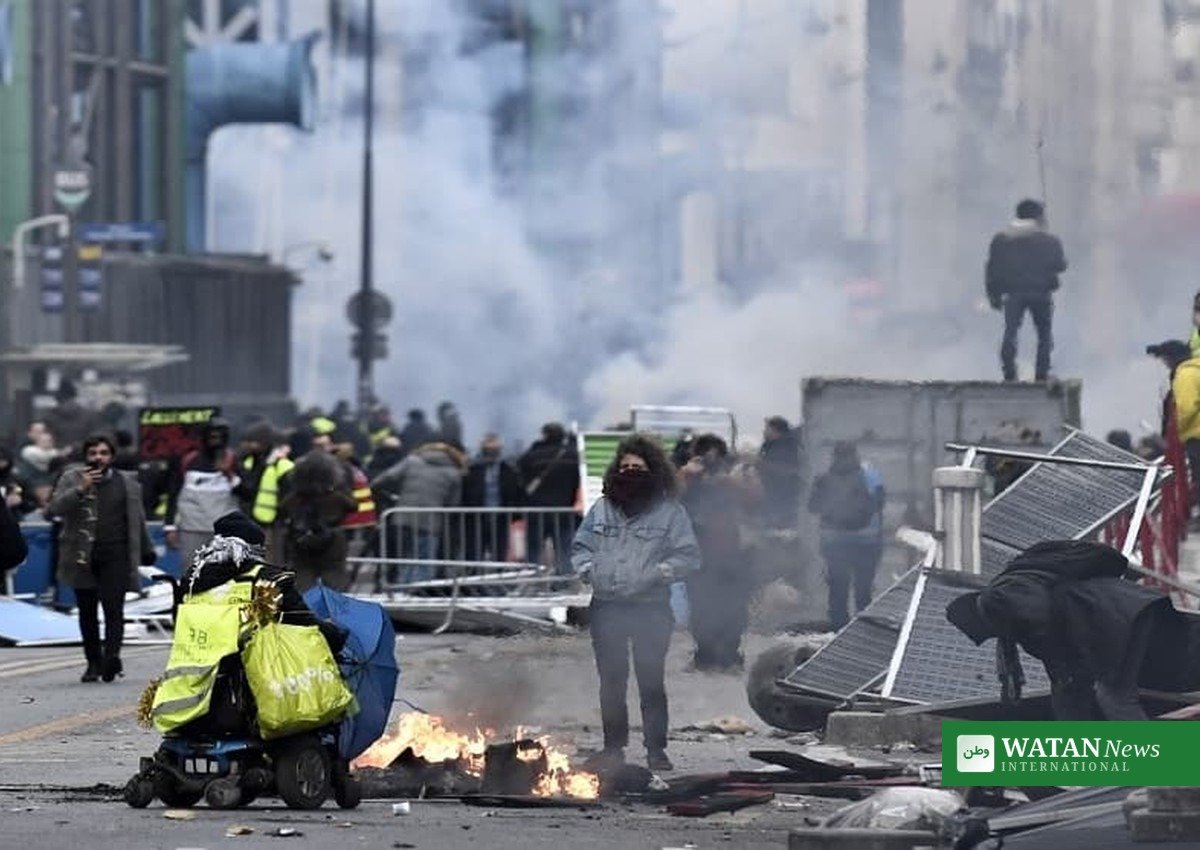
Lille announced curfews after protesters broke into council offices, while Lyon did the same after the tourist office was set alight. In Nice, under-18s were banned from the city centre after 9pm. Minors have been ordered to stay home from 8pm to 6am over the next two days across several northern cities, including Lille.
Minister admits “loss of control”, offers resignation
The scale of the failure was set out by Interior Minister Laurent Nuñez, who acknowledged on the national radio station France Inter that police had lost control in the face of the rioters. Planning had badly underestimated the crowds: intelligence had pointed to about 200,000 demonstrators nationwide, but more than 500,000 took part, and peaceful protests were overtaken on their edges by rioting and looting in what became one of France’s most violent days of unrest in recent years, The Guardian reported.
Nuñez said he had offered his resignation to President Macron because he felt responsible for what happened, but Macron refused it. The Élysée said the president did not want to change ministers in the middle of one of the greatest crises of his presidency, and Macron demanded a new public order doctrine to quell the violence.
About 60,000 police and other security personnel were deployed, yet Nuñez accepted that numbers were at times insufficient in cities including Paris, Marseille and Lyon. Public buildings were attacked, a town hall was set on fire, an estimated 2,000 shops were damaged and looted, nearly 2,400 people were arrested and almost 1,000 police and gendarmes were injured, according to the authorities.
What sparked the unrest
The protests grew out of weeks of demonstrations by high school students over education funding, joined on Saturday by teachers, parents, unions and workers, with the high cost of living a central concern. The wave of unrest stems from a convergence of the student movement with a revival of the yellow-vest demonstrations that began in 2018, driven by rising living costs and fuel prices, The Times reported.
Lecornu accused the radical-left France Unbowed party of wanting to “orchestrate deep unrest across the country”. Its leader, Jean-Luc Mélenchon, denied the claims and accused the government of provoking disorder through police brutality and a failure to heed protesters’ demands.
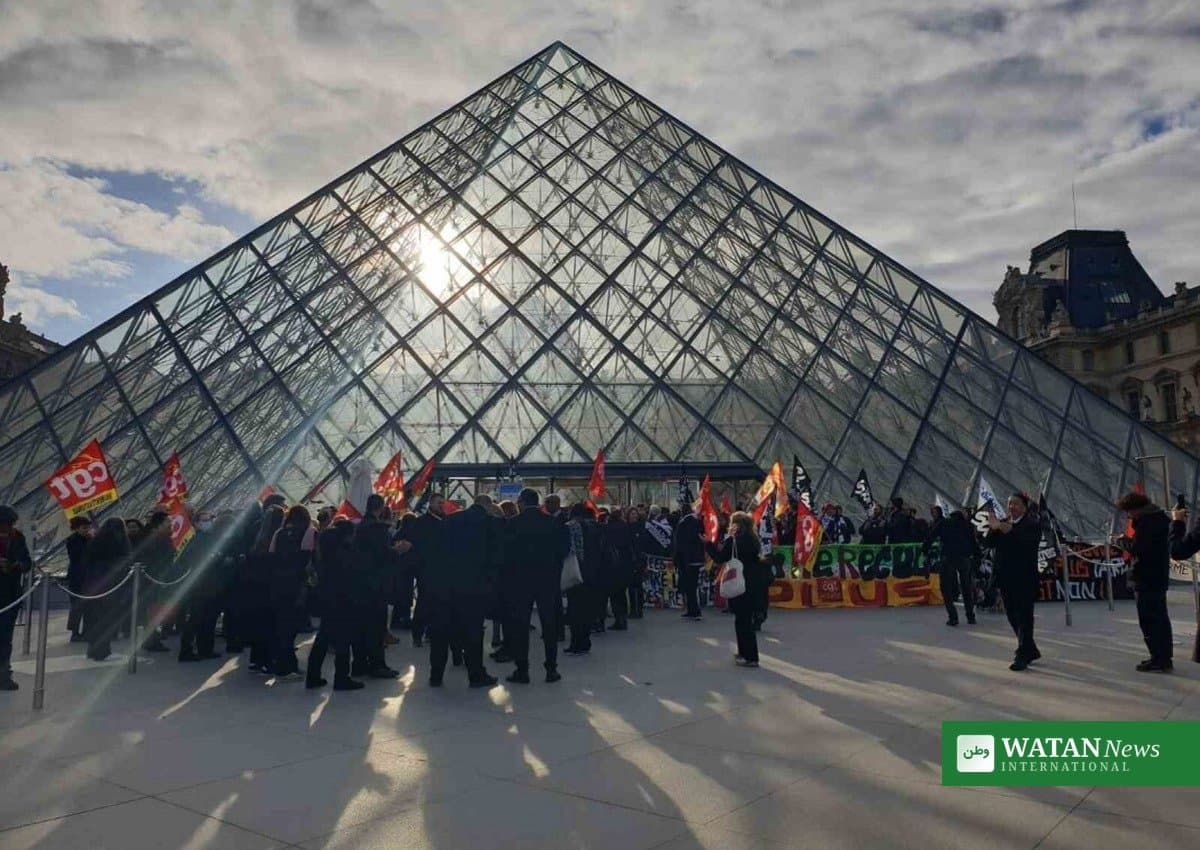
On Monday, demonstrators blocked the entrance to the Louvre, forcing the world’s most-visited museum to stay closed as its scheduled opening passed, while the mayor of Paris said about 30 more shops had been targeted in the capital on Sunday and a further 350 people arrested overnight.
Violence spreads to Italy; leaders under pressure
There was also violence in Italy on Sunday. Repairs were under way in Milan after looting led to 271 arrests, including 220 under-18s, and Prime Minister Giorgia Meloni held meetings with ministers to plan measures to crack down on youth violence.
In his address to the nation on Sunday, Macron pledged a crackdown on looters but promised to listen to the “legitimate” grievances of peaceful demonstrators. His address was dismissed as “pathetic” by Jordan Bardella, the chairman of the National Rally, while Macron’s former prime minister Édouard Philippe criticised the intervention.
Despite the crisis, Macron flew to the Gulf for a three-day visit to Kuwait, the United Arab Emirates, Bahrain and Qatar, during which he said he would try to bring down petrol prices. Commentators said the trip left him looking out of touch; Macron said it was necessary because the protest movement had “its source in the conflict in the Persian Gulf, in which France is not taking part, and from which we are subjected to the consequences”.
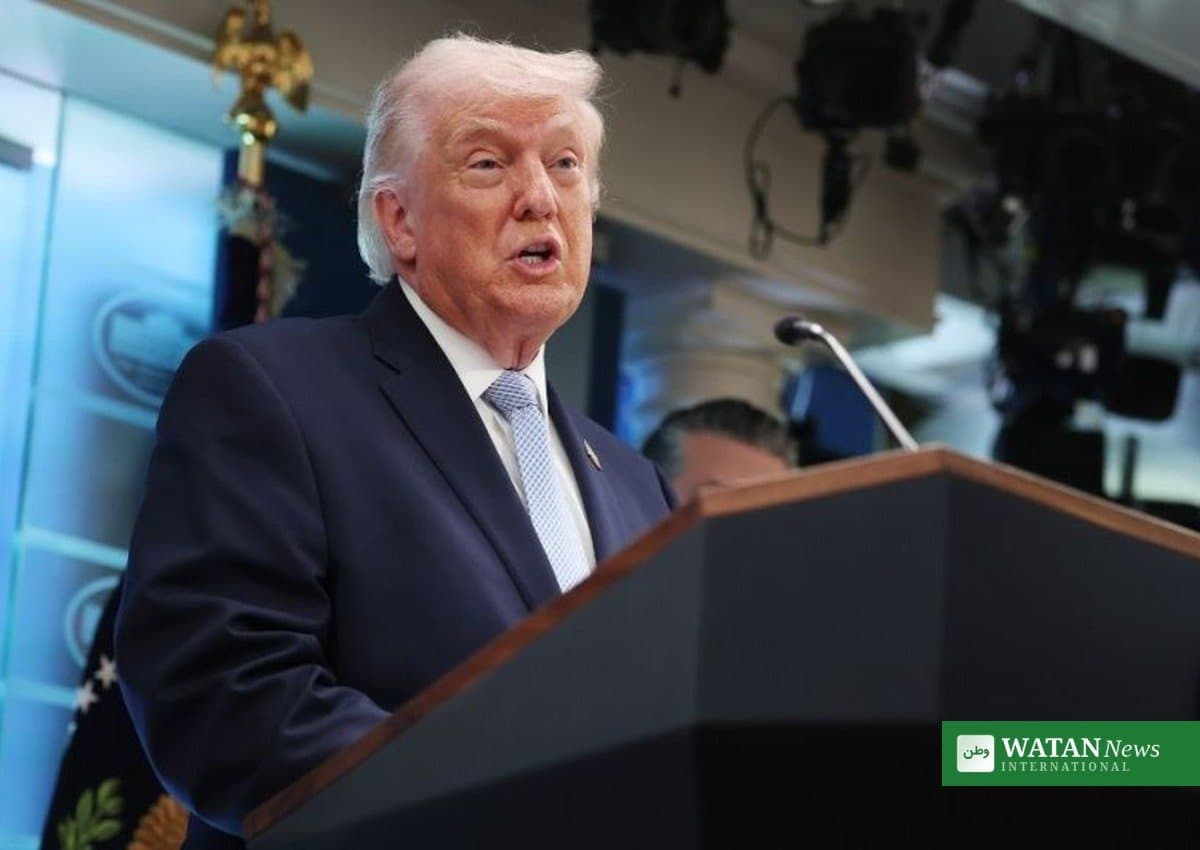
In Washington, U.S. President Donald Trump blamed immigration for the disorder. “What’s happening in France has to do with immigration, not schools, not anything,” Trump told reporters on Monday.
What happens next
The initiators of this weekend’s protests called for more demonstrations on Saturday, describing the movement as a “legitimate revolt” and raising fears of further violence. Ministers have promised a tighter security operation.
Macron invited opposition leaders for talks to foster national unity. Marine Le Pen, leader of the populist-right National Rally, declined to attend, sending a junior representative instead.
The government has also ordered major online marketplaces, including eBay, Vinted, Meta, TikTok, Amazon and Leboncoin, to immediately remove listings for stolen goods after items were advertised as looted.
Follow continued coverage of European affairs on the Watan News Europe desk.