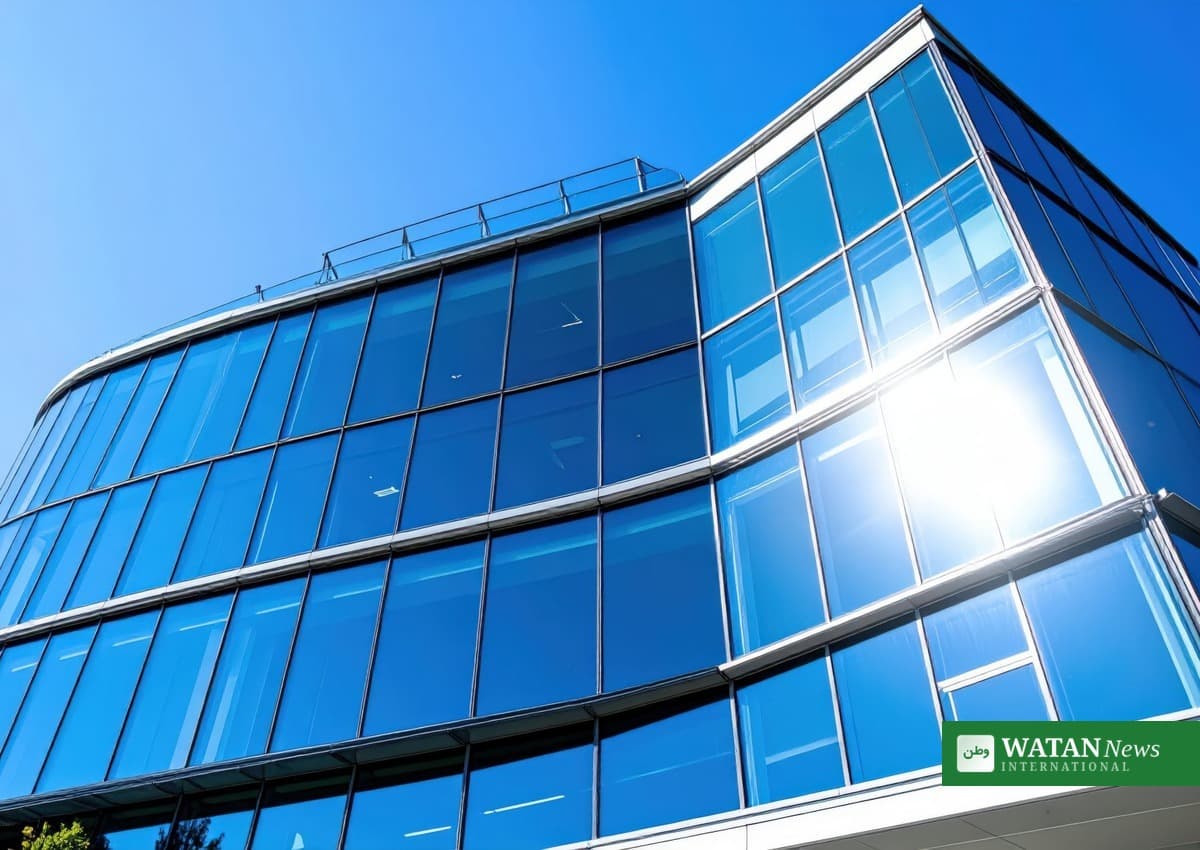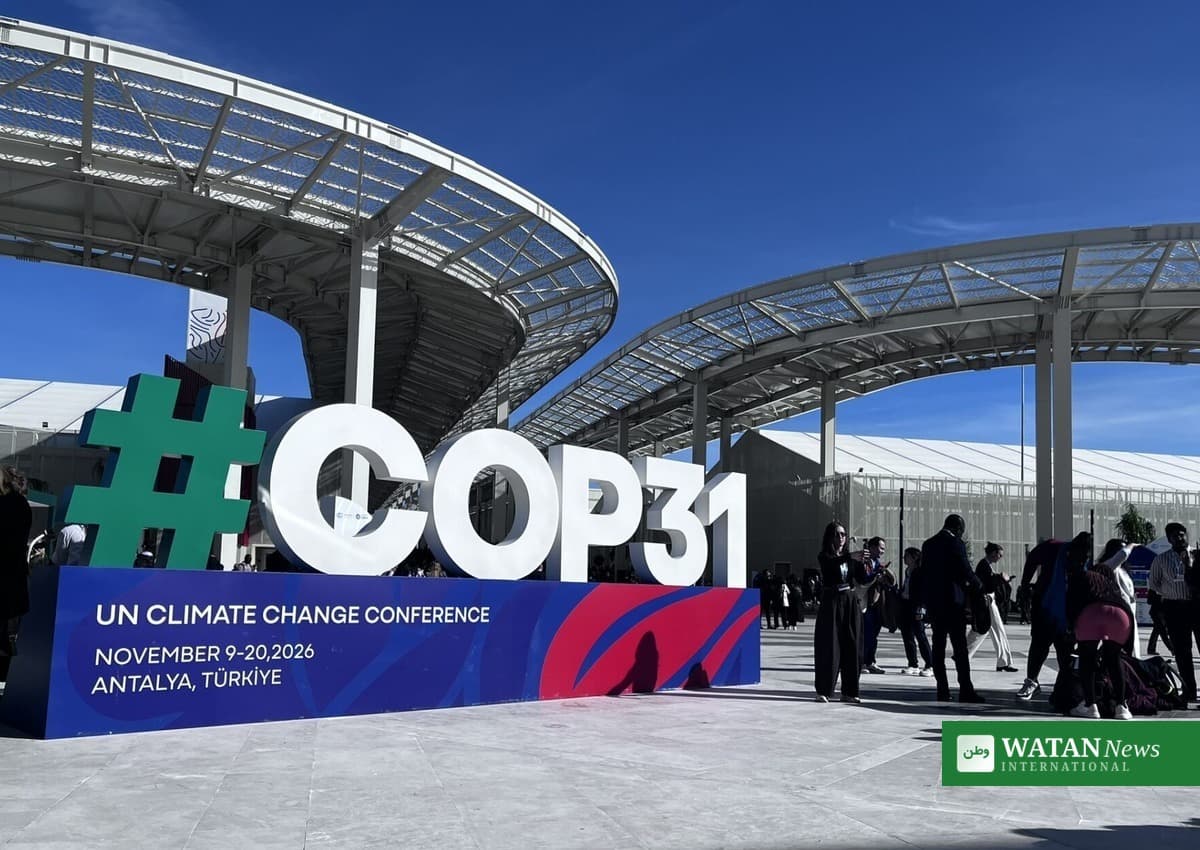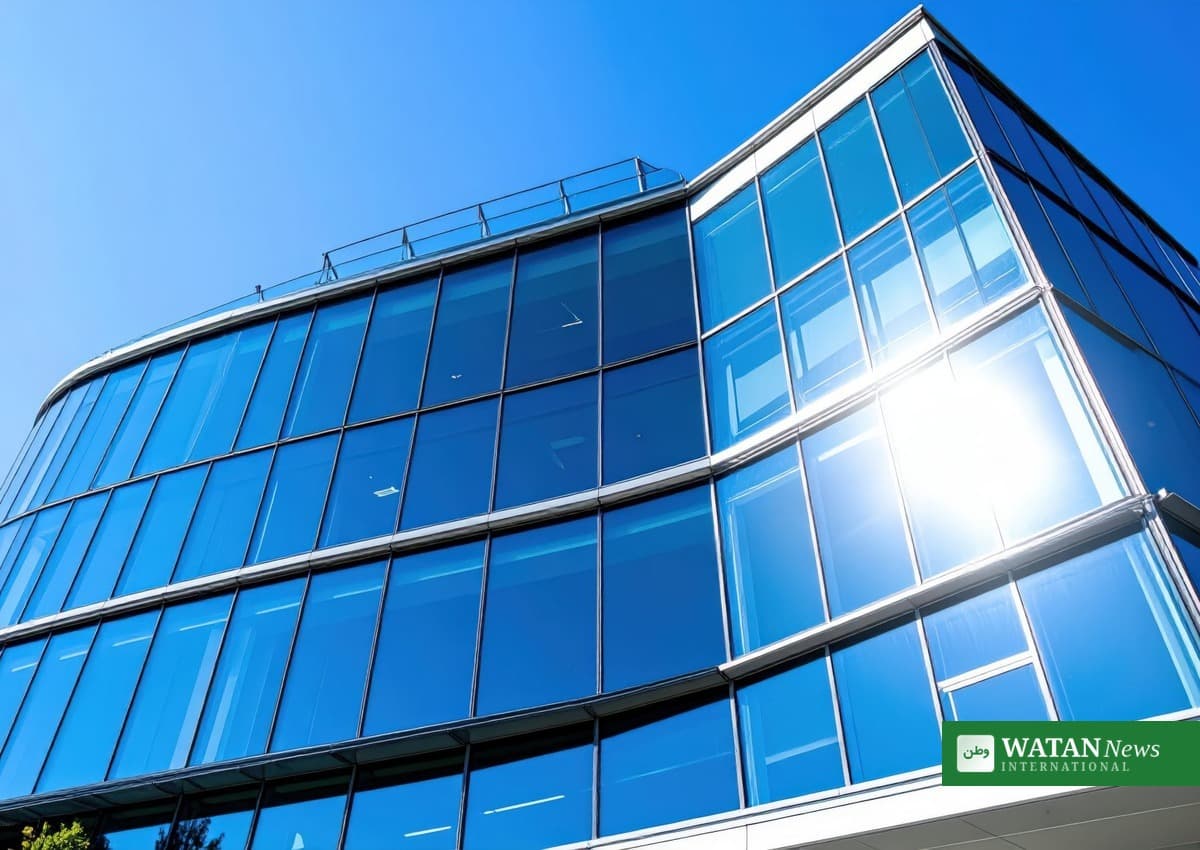
At COP31 in Antalya, Turkish glassmaker Şişecam has put an everyday part of our homes — the window — at the centre of the climate debate. New research presented at the summit on 10 November 2026 shows that fitting high-performance coated glass in homes across Istanbul could prevent 13.1 million tons of carbon dioxide by 2050, at a cost of as little as 11 euros per ton of CO2 avoided.
The panel at COP31
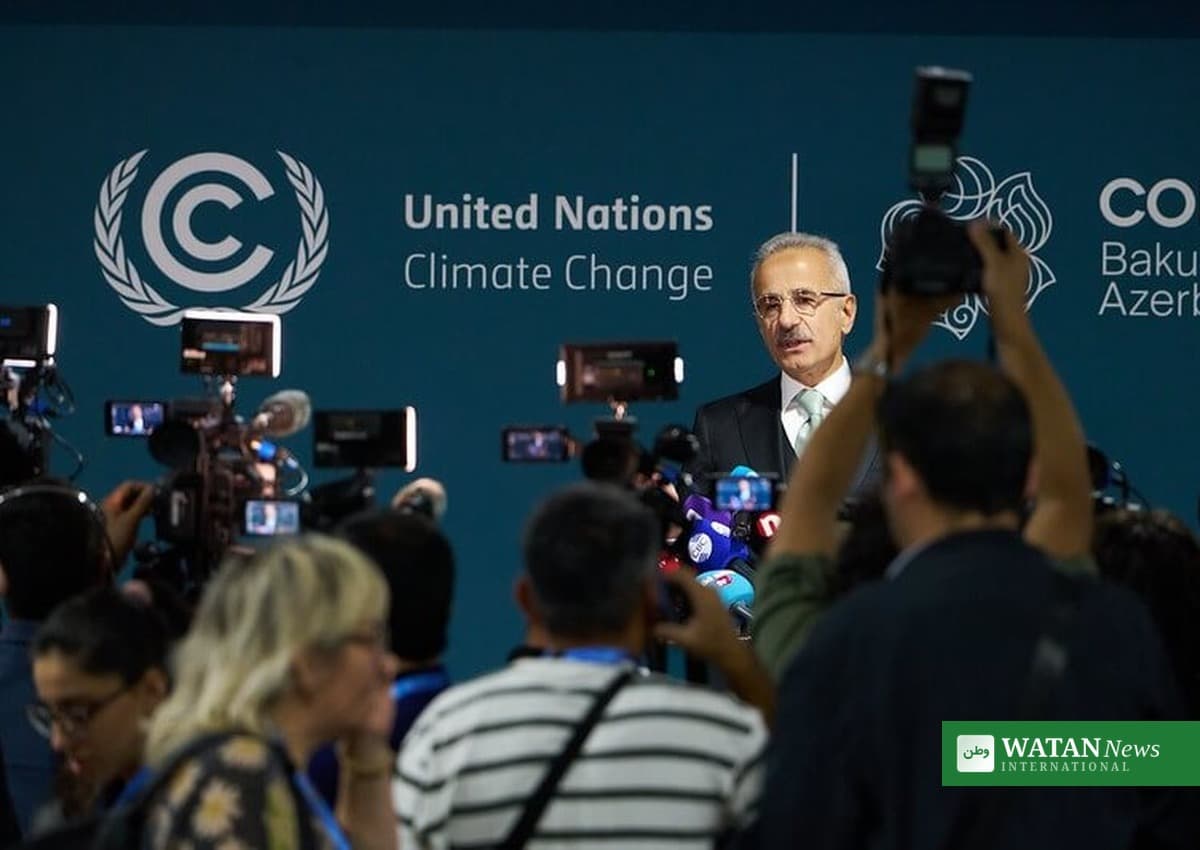
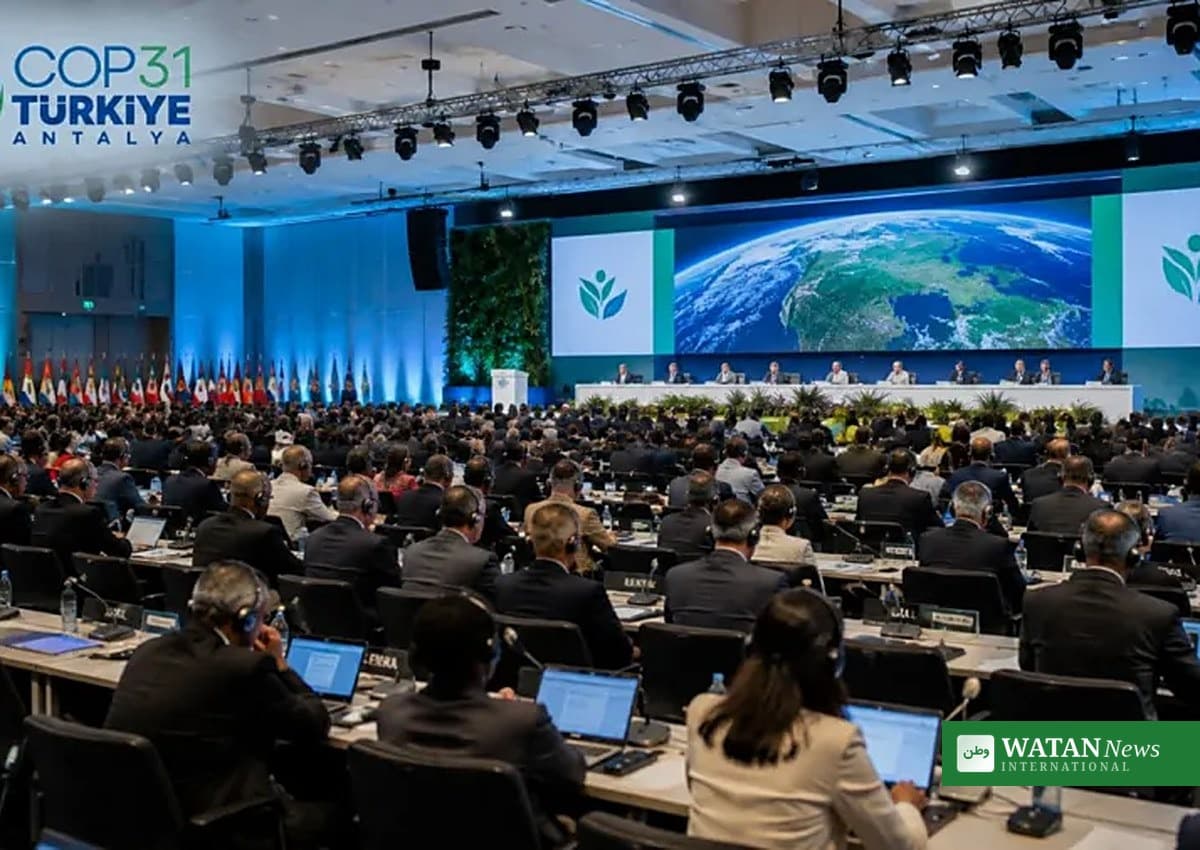
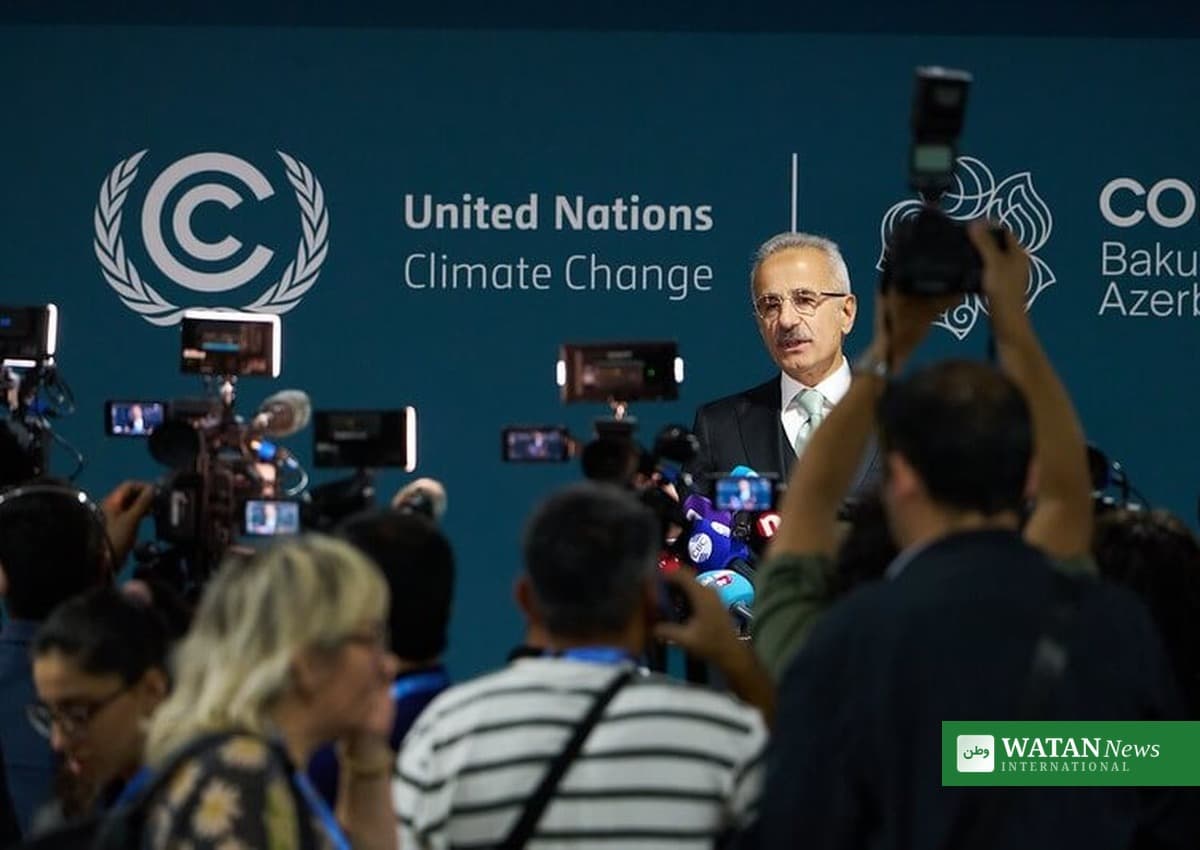
Şişecam, a Climate Supporter of COP31, hosted the panel “The Strategic Role of Glass in Climate-Resilient Cities” on 10 November at the summit in Antalya. The session was moderated by Şişecam chief executive Can Yücel.
International Energy Agency (IEA) Executive Director Fatih Birol attended as guest of honour. Other speakers included Claire O’Neill, former UK Minister for Energy and Climate Change; Atila Erenler, Deputy Director General for Professional Services at Türkiye’s Ministry of Environment, Urbanization and Climate Change; İdil Gürsel, Deputy Head of Türkiye Infrastructure at the European Bank for Reconstruction and Development; and Prof. Dr. İpek Gürsel Dino of the Middle East Technical University (METU) Department of Architecture.
The panel examined how cities can cope with rising energy demand and climate risks, how energy use in buildings can be cut, and what high-performance glass can contribute. It also covered climate-compatible building solutions, data-driven renovation, and how solutions can be scaled up through standards, financing mechanisms and public policy.
FAKTA: The Istanbul numbers
- 13.1 million tons of carbon dioxide could be prevented by 2050 if high-performance glass is widely adopted in residential buildings in Istanbul, according to the Şişecam–METU-GUNAM research.
- 11 euros per ton — the cost of the avoided carbon could fall as low as this with proper prioritisation, Şişecam chief executive Can Yücel said.
- 231,000 households — the saving equals the carbon emissions of about 231,000 households over 25 years.
- 2.8 million cars — the saving also equals the annual carbon emissions of about 2.8 million passenger cars.
- 60% to 75% — the expected rise in cooling-related energy demand in Istanbul by 2050 as the climate warms.
- The findings were shared with COP31 participants and the public for the first time at the 10 November panel.
Why windows matter for daily life
Windows decide how much heat escapes a home in winter and how much pours in during summer. Better glass means less heating and cooling, lower energy bills and more comfortable rooms — and, across a whole city, far lower emissions.
That matters more as the climate warms. According to the METU-GUNAM research, cooling-related energy demand in Istanbul is expected to increase by 60% to 75% by 2050. Energy efficiency in buildings is therefore not only about cutting emissions, the research notes, but also about making cities resilient against rising temperatures.
“This data clearly shows that glass is a strategic solution component in cities’ processes of decarbonization and building resilience against climate change,” Yücel said at the panel. “Turning this potential into reality is only possible through strong cooperation among the public sector, private sector, and academia. Thanks to performance-oriented renovation programs, well-designed financing models, and targeted incentive mechanisms, we can reach our climate targets faster and at a lower cost.”
Buildings: a third of the world’s energy
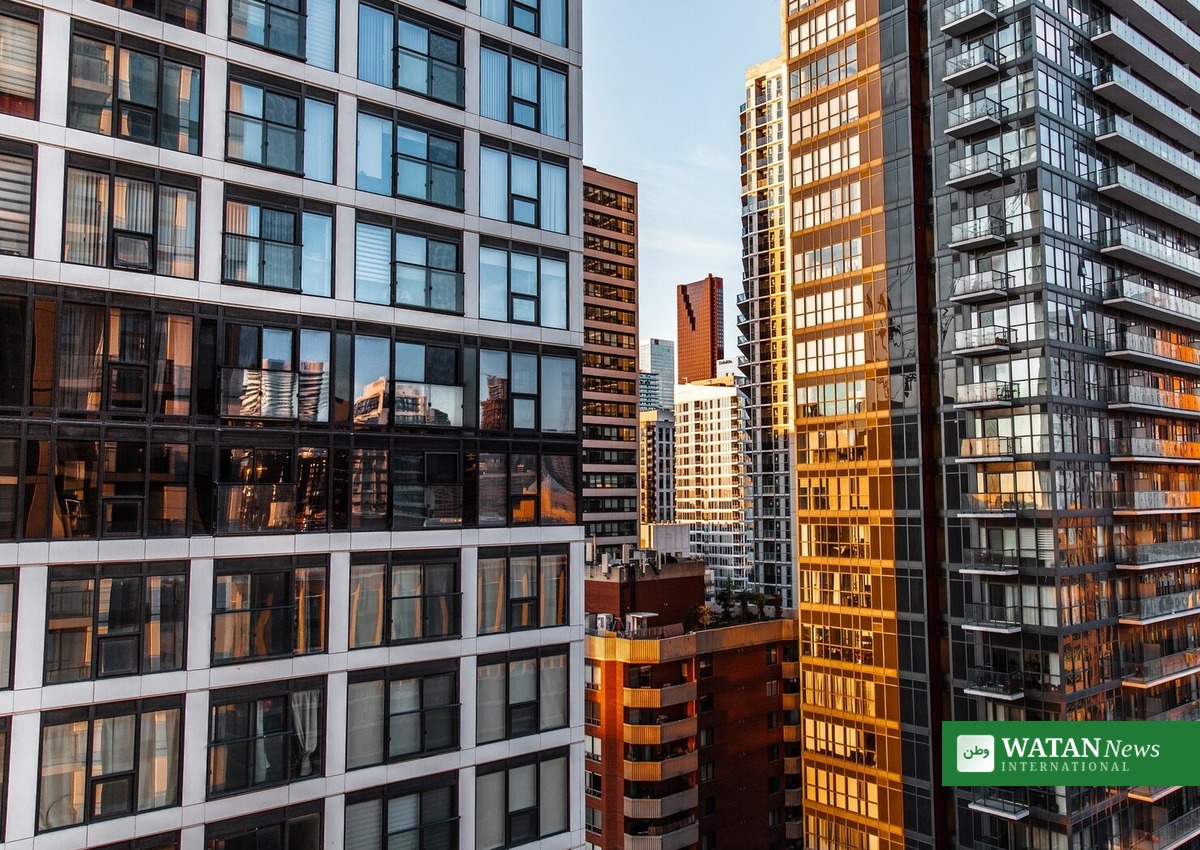
The Istanbul figures land in the middle of a wider COP31 debate about buildings. A new International Energy Agency special report on buildings efficiency, published on 5 November 2026 at the request of Türkiye and Australia under the COP31 Presidency’s partnership with the IEA, finds that energy used in buildings accounts for around 30% of total final energy consumption, half of all electricity use and 2.8 gigatons of direct CO2 emissions.
The report examines the COP31 Presidency’s proposed target of improving the energy intensity of buildings by at least 25% by 2035. It identifies four levers: improving building envelopes — the walls, roofs and windows that separate indoors from outdoors — electrifying end uses, strengthening equipment efficiency and expanding access to clean cooking. Under current policies, buildings’ energy intensity would fall by only 7% by 2035, the IEA says, and reaching the target would require annual investment to rise to nearly 1.2 trillion US dollars by 2035.
The scale is underlined by the UN Environment Programme and the Global Alliance for Buildings and Construction: buildings’ operational emissions reached 9.9 gigatons of CO2 in 2024, up 6.5% since 2015.
The COP31 Green Zone has already shown how sustainable living works in practice — from energy-saving homes to everyday habits.
What happens next
Şişecam is presenting its energy-efficiency and solar-energy glass solutions in the Climate-Resilient Cities Area throughout COP31, which runs until 20 November. The company, which produces in 13 countries on four continents and reaches more than 150 countries, says it is ready to contribute to the shift — but the panel’s message was that materials alone are not enough. Renovation programmes, financing models and incentives must follow, so that the glass in millions of homes can do its part for the climate.
For households, the message from Antalya is simple: the choices made about windows and insulation in the next renovation are climate choices — and, in a warming city, they are also choices about comfort and bills.