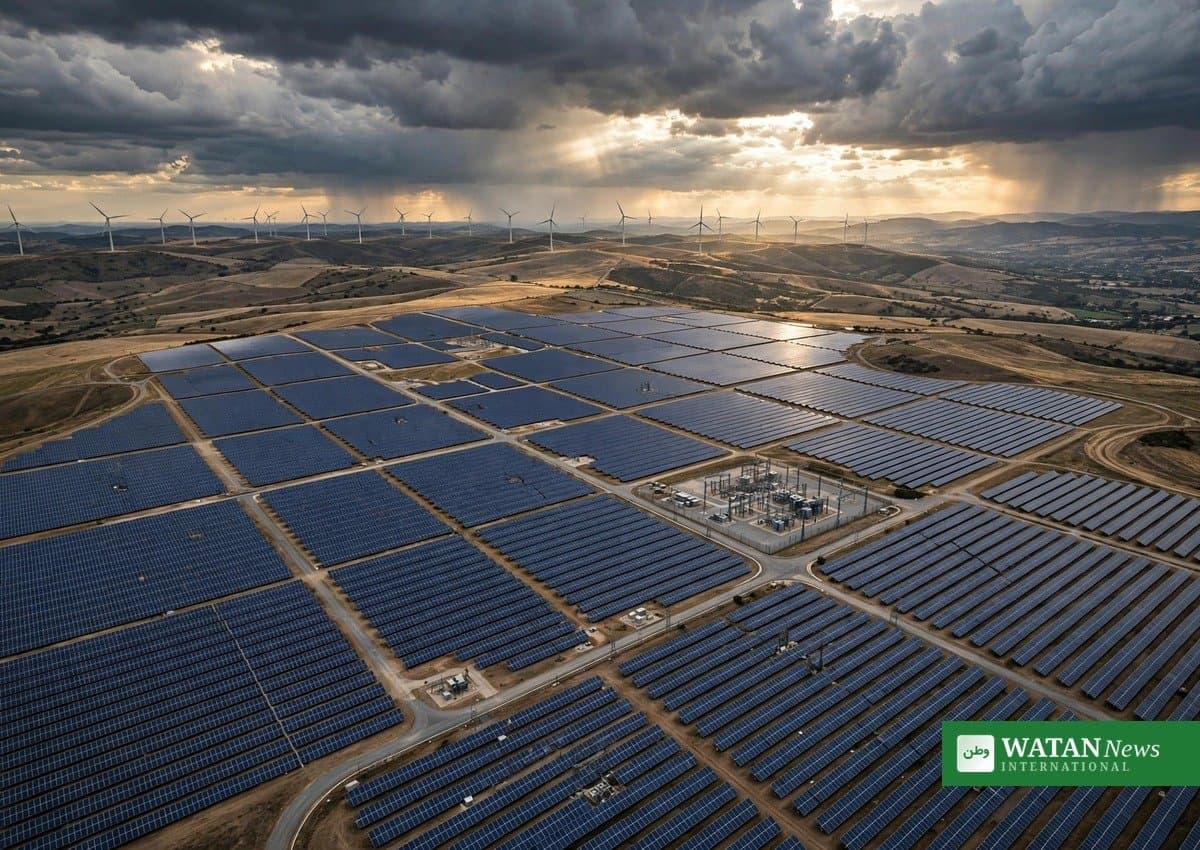
The world installed a record 693 GW of renewable power capacity in 2025, according to the “Delivering on the UAE Consensus” tracking report released by IRENA, the COP31 Presidency and the Global Renewables Alliance during New York Climate Week — but the annual build must roughly double to reach the 2030 tripling target.
At 5.15 TW end-2025, total renewable capacity is climbing fast. Yet an average of ~1,200 GW per year through 2030 is needed to reach the 11.2 TW goal agreed at COP28 in Dubai under the UAE Consensus. If the 2025 growth rate holds, the world lands at 10.6 TW — just 0.6 TW short, a gap that has already narrowed from 0.9 TW in last year’s assessment.
FAKTA
- 693 GW of renewable capacity was added in 2025 — a record, and more than half of the United States’ total installed generating capacity.
- Total renewable power capacity reached 5.15 TW at end-2025, according to the “Delivering on the UAE Consensus” report.
- The COP28 UAE Consensus (Dubai 2023) set a goal to triple renewable capacity to 11.2 TW by 2030 — requiring ~1,200 GW/year on average from 2026 to 2030.
- At the current growth rate, capacity would reach ~10.6 TW by 2030, just 0.6 TW short of the target (down from a 0.9 TW shortfall previously projected).
- Energy intensity improved by only ~2% in 2025, far short of the 4% annual improvement needed; grids need ~US$1 trillion in annual investment through 2030.
- IRENA finds renewables are the most cost-competitive power source in most markets, even as investment concentrates in advanced economies and China.
693 GW is a record — but not the pace yet
China continues to dominate additions, with strong growth in India, the EU and the United States, but the report warns investment remains concentrated and grids, permitting and finance are the binding constraints in much of the Global South. Delivering the target means doubling annual installations and tripling grid investment.
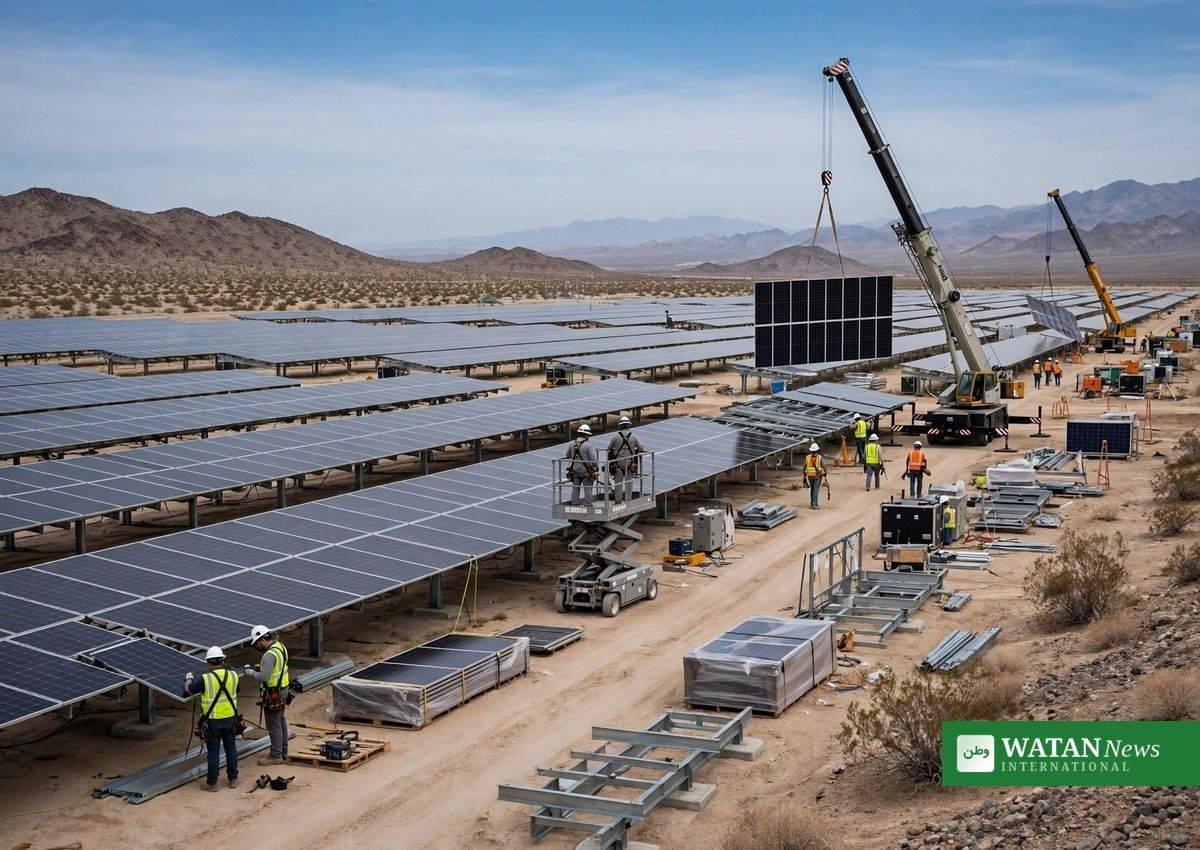
UN Climate Change Executive Secretary Simon Stiell said the findings reflect “the brute power of market forces,” arguing the shift to clean energy is now irreversible — but warning that the pace must accelerate, particularly in developing economies.
The road to COP31 in Antalya
The report was jointly released with the COP31 Presidency, giving the Antalya summit a concrete energy benchmark: 11.2 TW by 2030, delivered through the Action Agenda’s energy transition tracks. Türkiye’s presidency has framed COP31 as an “implementation COP” where voluntary pledges — including the new 35×35 electrification goal — translate into trackable capacity.
The full story is also available on Watan News International’s main site.