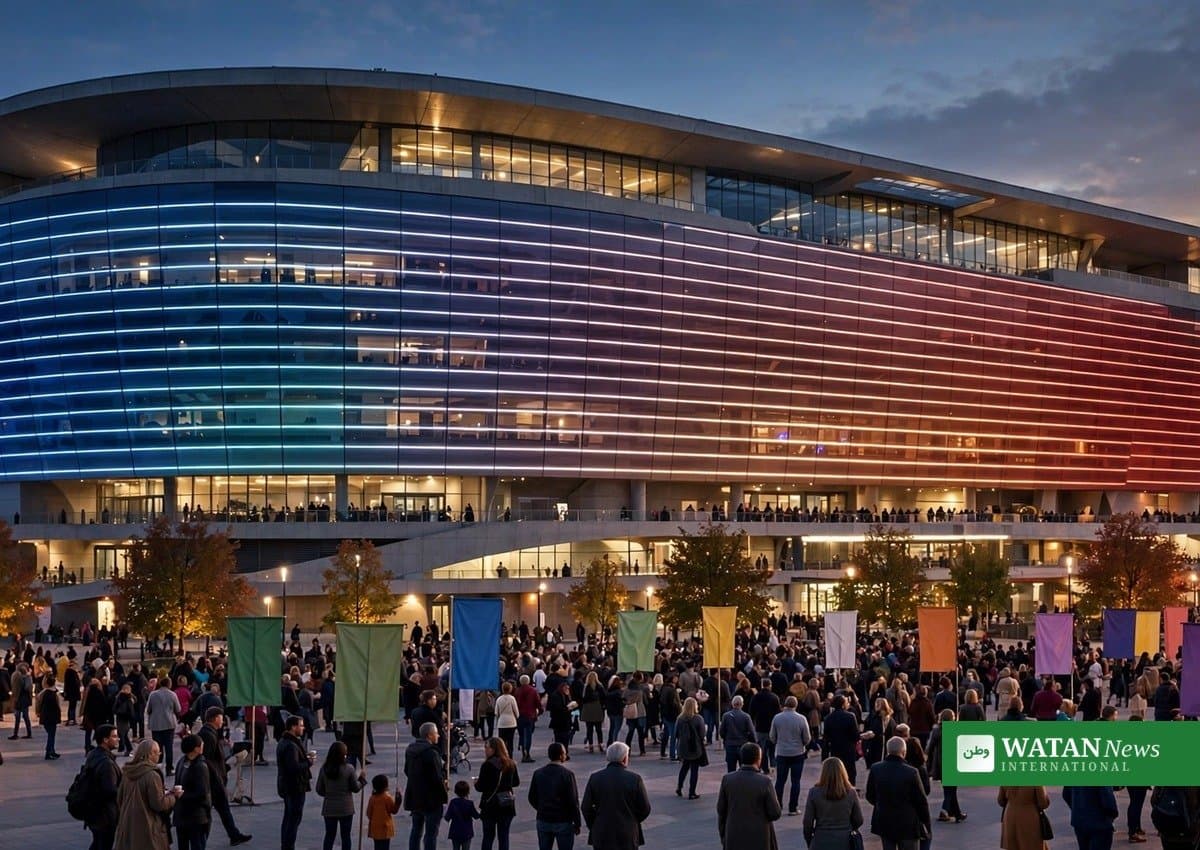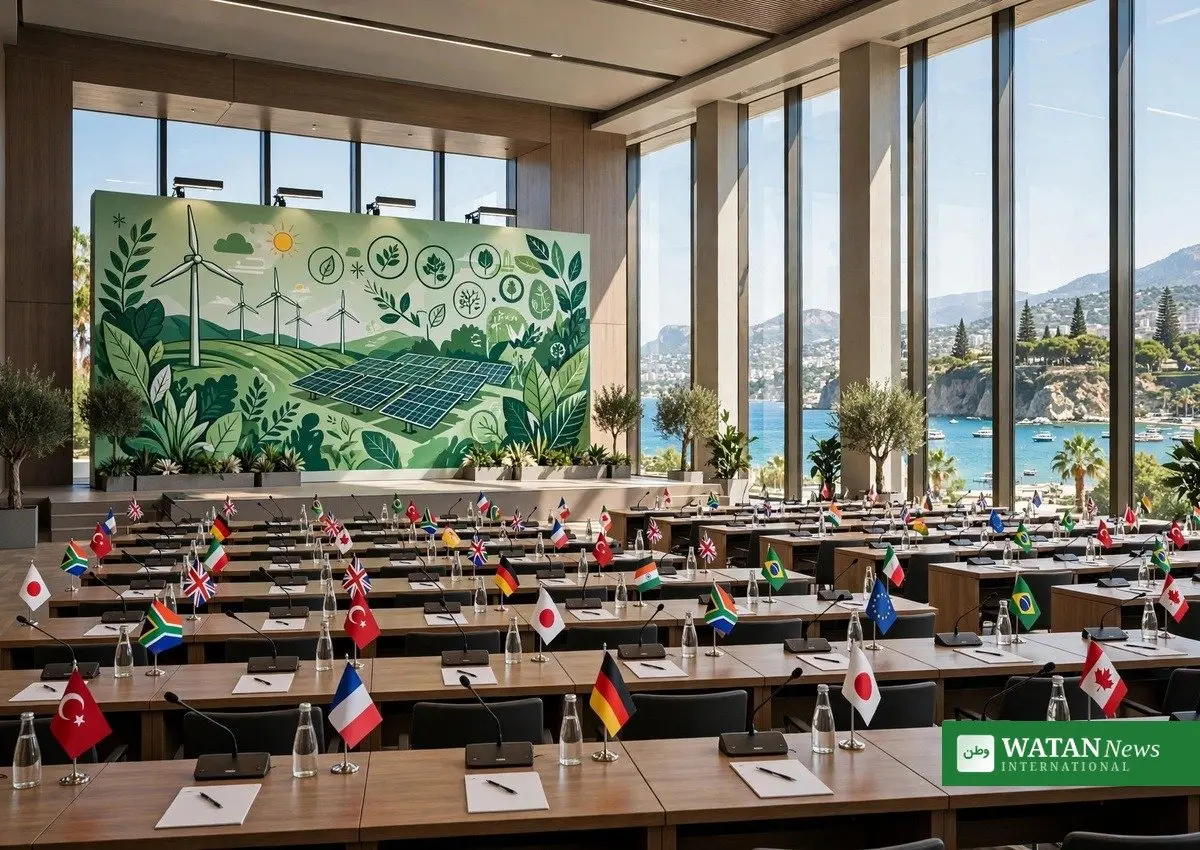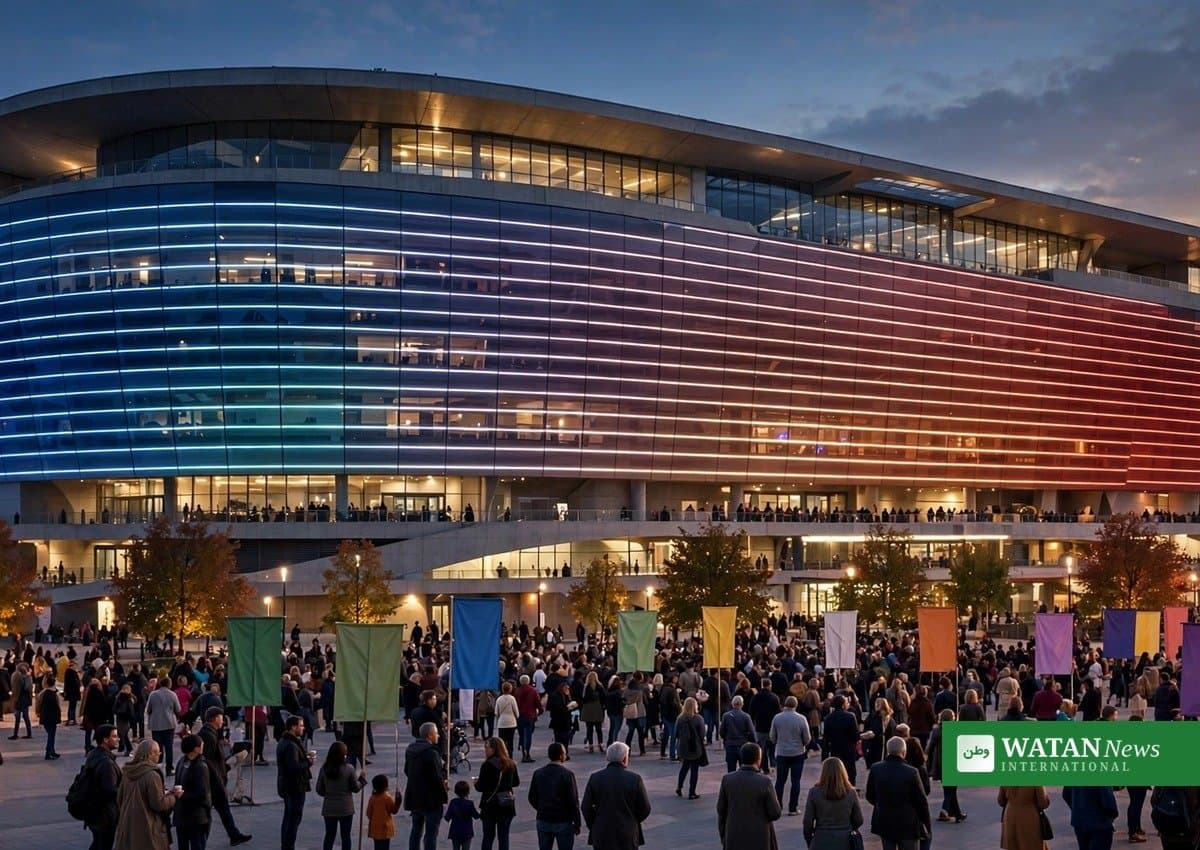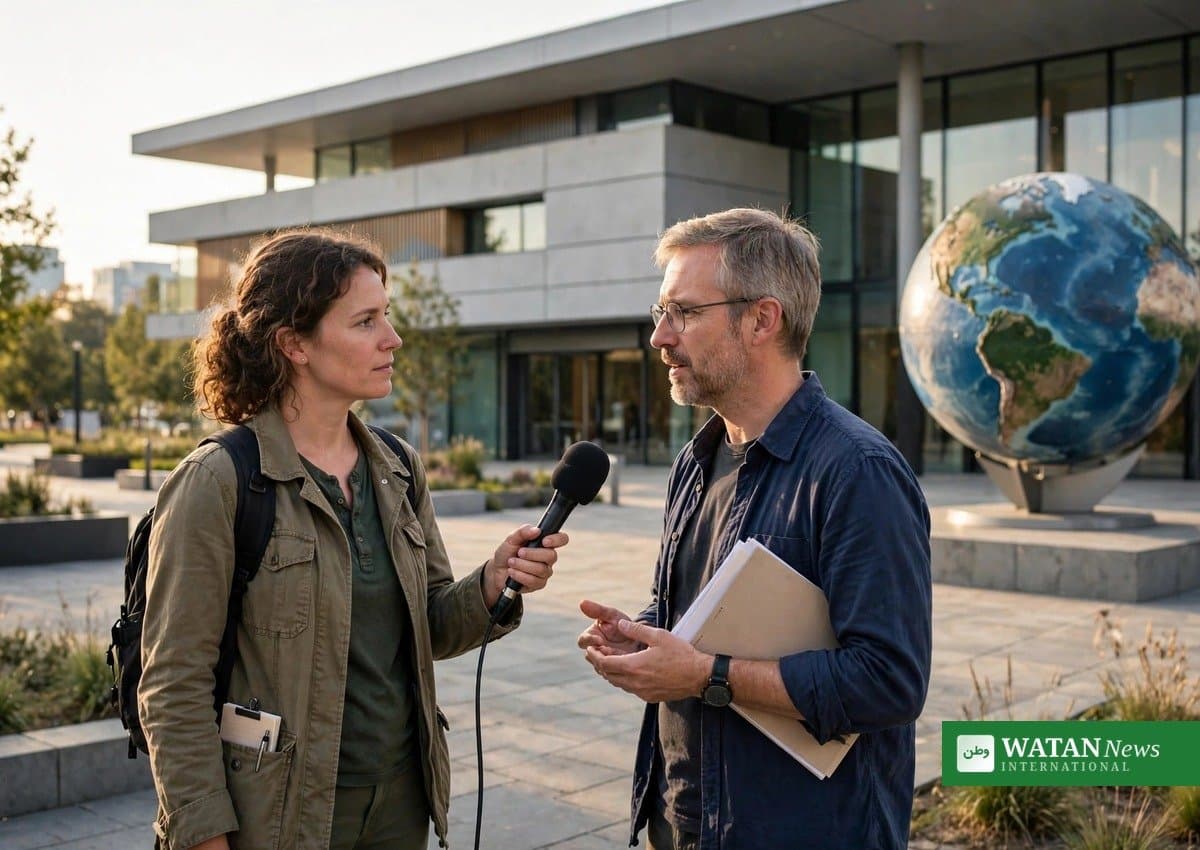
MONTRÉAL: The fifth annual Montréal Climate Security Summit brought the worlds of defence and climate action together on 15–16 October 2026, as military leaders, defence policymakers, industry executives and climate experts met in Montréal, Canada, to answer a pressing question: how can armed forces prepare for a warming world while cutting their own environmental footprint?
The summit, co-organised by the NATO Climate Change and Security Centre of Excellence (CCASCOE) and the Conference of Defence Associations (CDA) Institute, was held under the theme “Resilient Defence: Climate-Smart Investments on the Road to 5%”. It convened civil and military decision-makers, senior government and NATO representatives, international organisations, civil society and defence industry stakeholders ranging from prime contractors to start-ups, according to the organisers’ event pages.
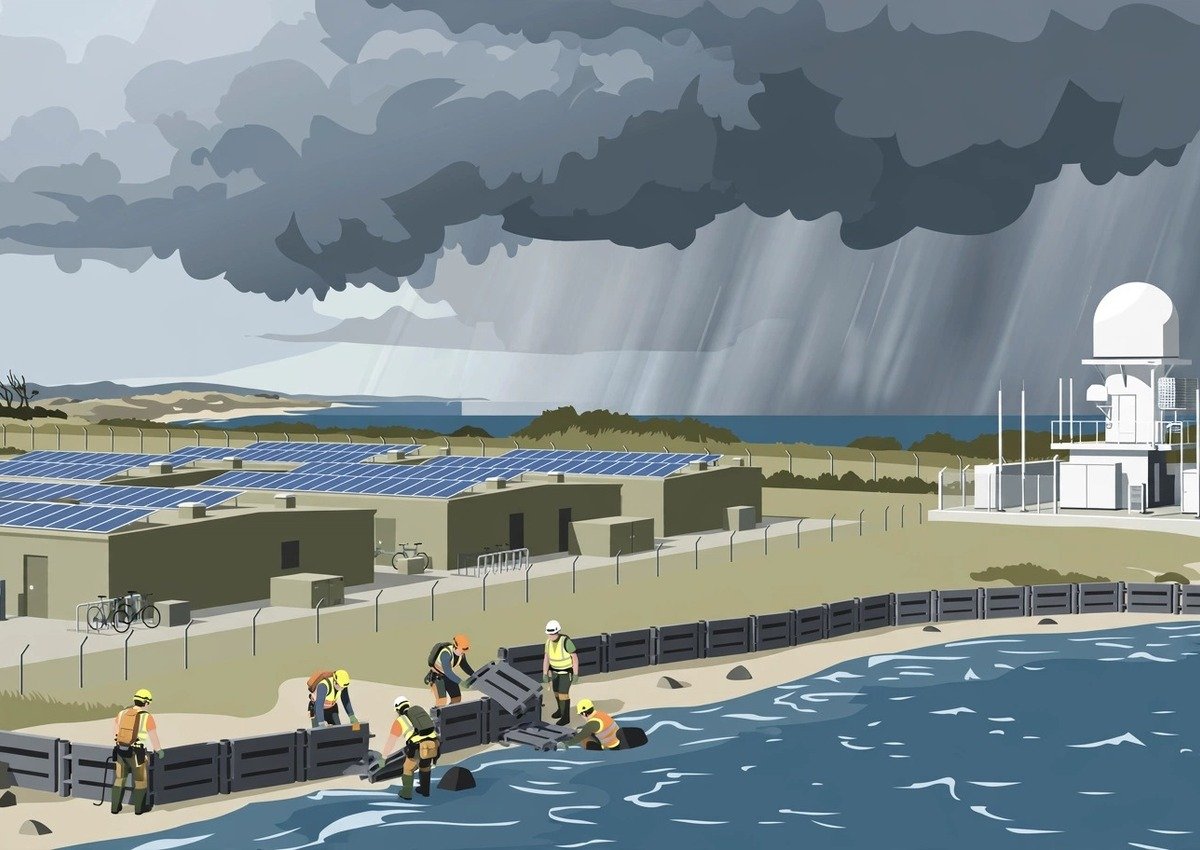
Why climate data now drives defence investment
The organisers argue the stakes are long-term: most of the military capabilities procured today will still be operating 30 to 50 years from now. That, they say, makes it essential that procurement decisions be informed by climate data, and that industry — supported by governments — be empowered to develop competitive, resilient and lower-emission solutions.
The summit’s message is that strengthening the ability of armed forces to operate under changing climate conditions can enhance operational readiness, reinforce collective energy security, reduce emissions and support a strong defence industrial base. Every year the conversation evolves, the organisers note, to address the most pressing issues facing the global climate, defence and security community.
NATO allies’ “Road to 5%” under the microscope
The 2026 theme links the climate agenda directly to NATO allies’ move toward spending 5 per cent of GDP on defence — described in the programme as the “Road to 5%”. Day one focused on “Enabling the Investment Shift: Policy, Governance and Industrial Ecosystems”, with panels on governing climate-smart defence investment across the alliance.
A keynote address by Norway’s Ambassador to Canada, Hanne Ulrichsen, examined “a sustainable 5%” — how climate-smart defence investment can be governed across NATO. Norway has positioned itself as a leading voice on greening defence within the alliance. Watan News has followed related multilateral climate-security preparations, including Canada’s delegations for COP17 and COP31, which put Indigenous leadership at the centre of its biodiversity and climate agenda.
Nine themes, from procurement to personnel
Through plenary panels, workshops, roundtables and wargames, the summit explored nine core themes: climate-resilience metrics and standards for defence procurement; financing and costing climate-smart defence; climate intelligence in defence planning; defence industrial strategies and innovation ecosystems; critical minerals and clean energy supply chains; climate-resilient infrastructure, bases and next-generation technologies; health, resilience and readiness of military personnel in extreme environments; operational energy and mission resilience; and public-private partnerships and dual-use technology.
The speaker list reflected the summit’s cross-sector reach: Major-General J.J.L.N. Pilon of the Canadian Armed Forces; Brigadier Tim Symonds of the British Army; Sherri Goodman, Secretary General of the International Military Council on Climate and Security; John Conger, Director Emeritus of the Center for Climate and Security; climate and security envoy Anthony Agotha of the European External Action Service; and researchers including Dr. Heather Grabbe of the Bruegel think tank.
A tabletop exercise on climate intervention
On the eve of the summit, 14 October, the Center for Climate and Security and the organisation Reflective convened a private tabletop exercise examining the security dynamics of a fictional proposed climate intervention. In the 2030 scenario, participants evaluated the geopolitical implications of a proposed stratospheric aerosol injection deployment designed to slow rising Arctic surface temperatures, weighing security risks, trade-offs and uncertainties. The exercise illustrates how far climate-security thinking has moved into anticipatory territory — preparing for technologies that do not yet exist.
FAKTA
- Event: Montréal Climate Security Summit 2026 — fifth edition
- Dates and venue: 15–16 October 2026, Montréal, Canada
- Organisers: NATO Climate Change and Security Centre of Excellence (CCASCOE) and the Conference of Defence Associations (CDA) Institute
- Theme: “Resilient Defence: Climate-Smart Investments on the Road to 5%”
- Participants: civil and military decision-makers, governments, NATO, international organisations, civil society, defence industry
- Core argument: military equipment bought today will operate for 30–50 years, so procurement must be informed by climate data
- Side event: 14 October tabletop exercise on stratospheric aerosol injection security scenarios