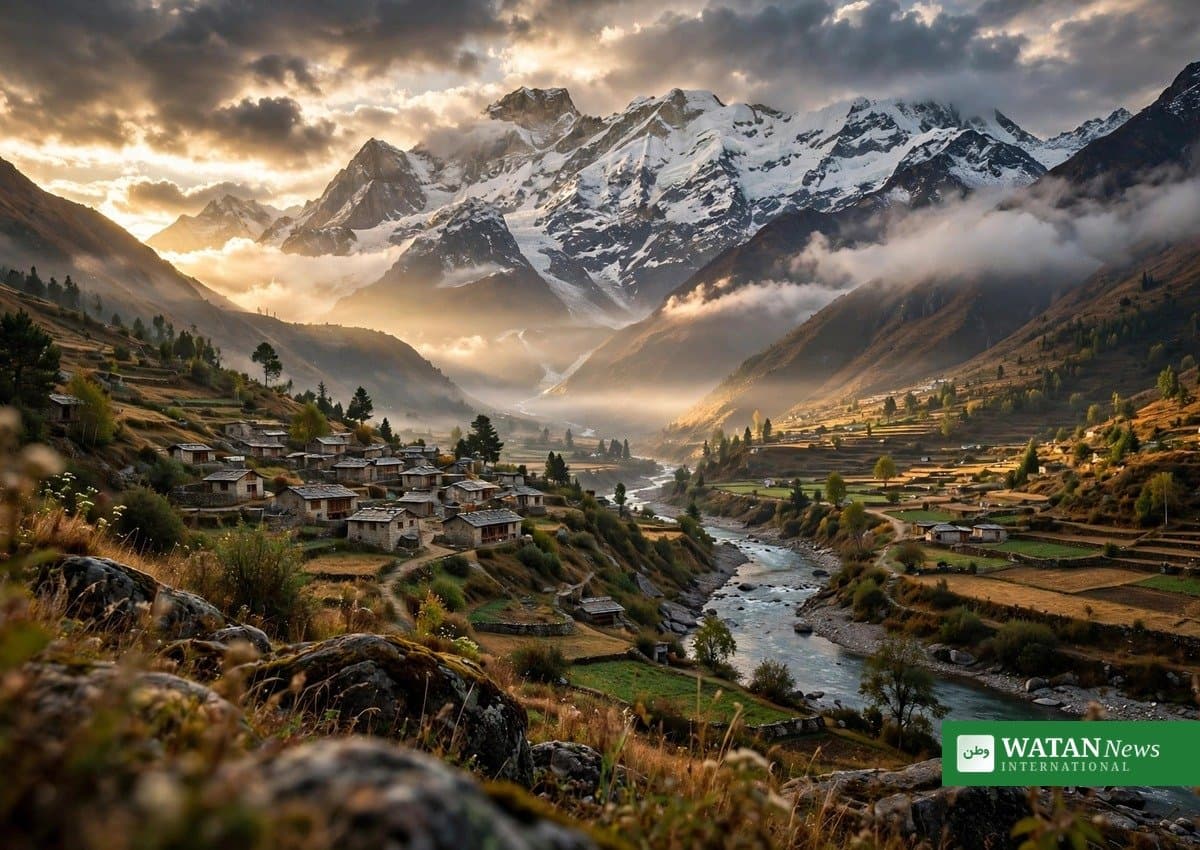
Nepal and Bhutan have jointly proposed a dedicated Himalayan climate agenda at COP31, asking the United Nations climate conference to give mountain regions a formal place of their own in the talks. The proposal, announced on 31 October 2026, carries the title “1.5-Degree Temperature Rise in the Himalayan Region” and will go before the conference in Antalya, Türkiye, from 9 to 20 November 2026.
According to a statement from the secretariat of Nepal’s Minister for Agriculture, Forests and Environment, the two countries submitted the joint proposal to draw greater international attention to the mounting climate risks facing mountain ecosystems and communities. Nepal’s Minister for Agriculture, Forests and Environment, Geeta Chaudhary, submitted the proposal on behalf of both countries under Rule 12 of the conference’s draft rules of procedure.
What Nepal and Bhutan proposed
The proposal asks for a separate agenda item on temperature rise in the Himalayan region. It is a bid for recognition: the two countries argue that the specific climate challenges of the Himalayas are not adequately captured when mountain concerns are folded into broader talks on adaptation, finance and loss and damage.
The proposal states that rising temperatures in the region are accelerating glacier melt, increasing water insecurity and exposing communities to extreme weather events, and that these changes pose risks of irreversible damage to Himalayan ecosystems and the communities that depend on them.
Why the Himalayas matter far beyond the mountains
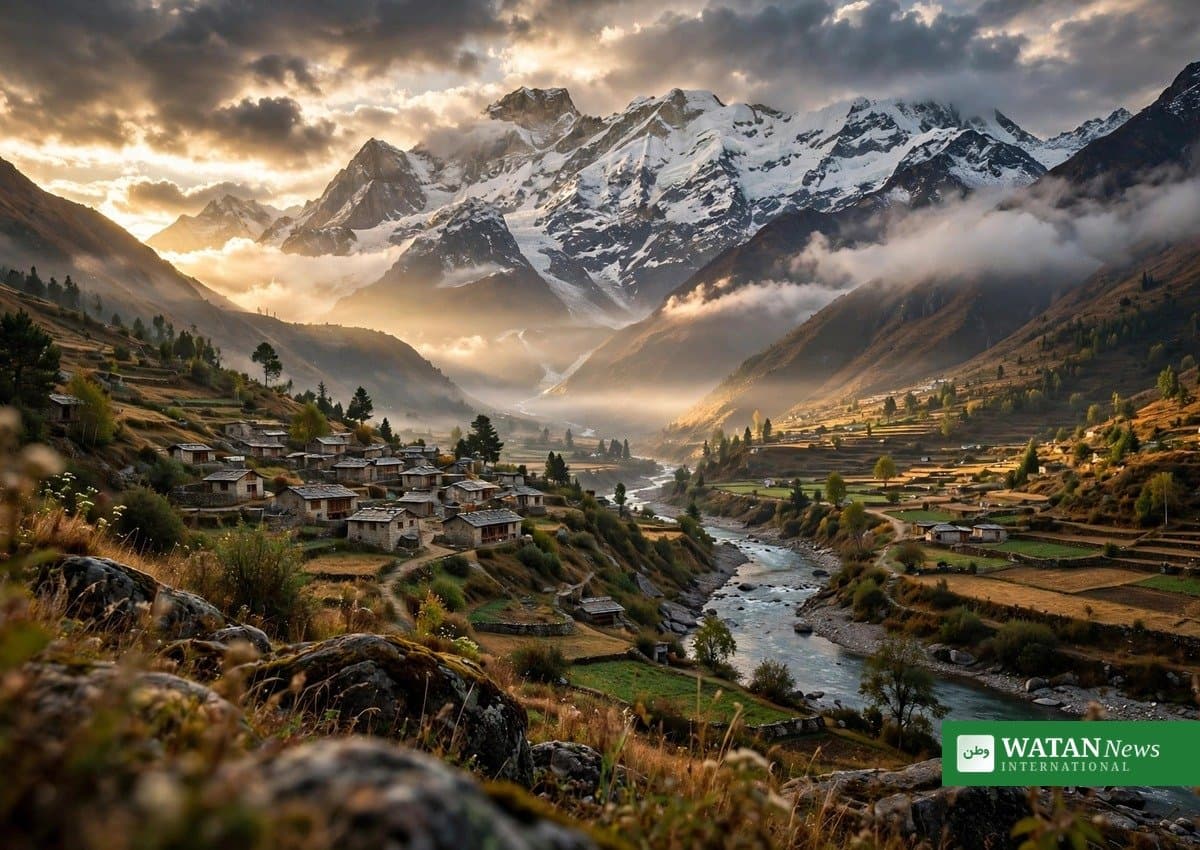
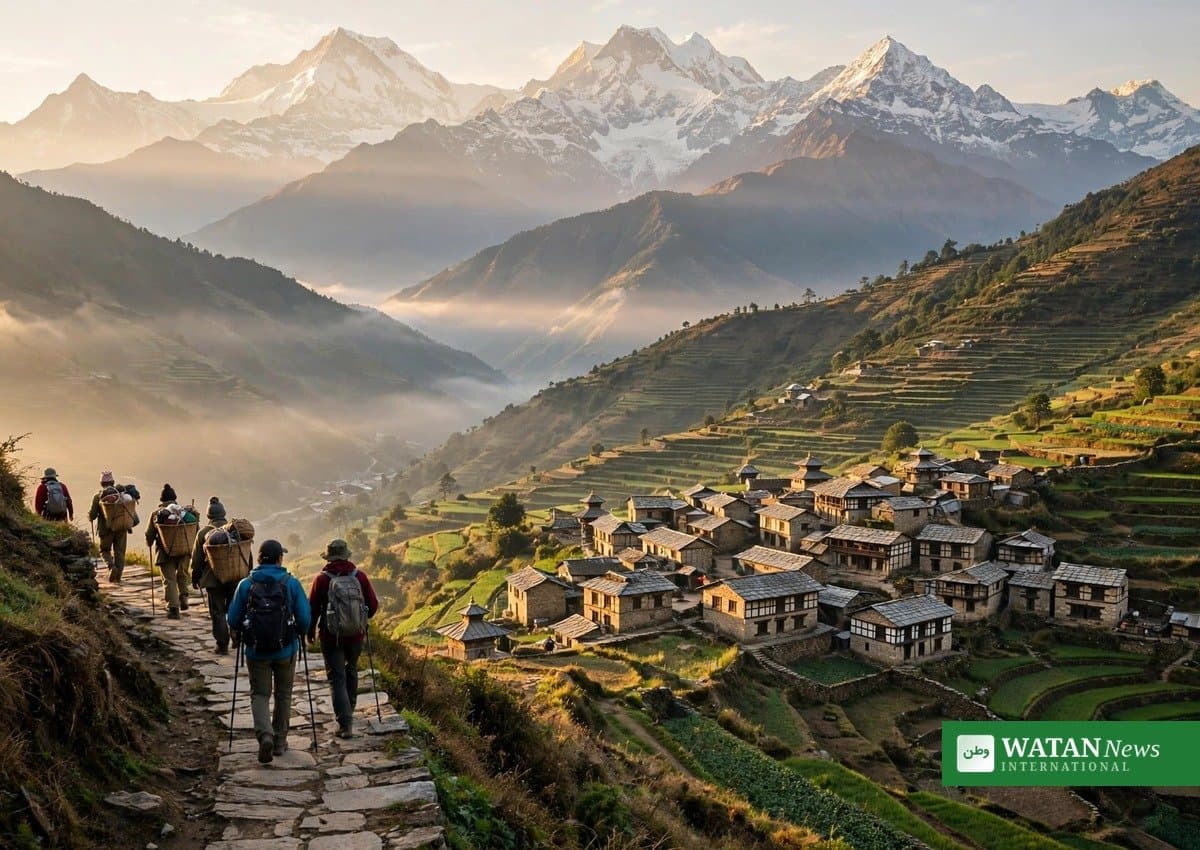
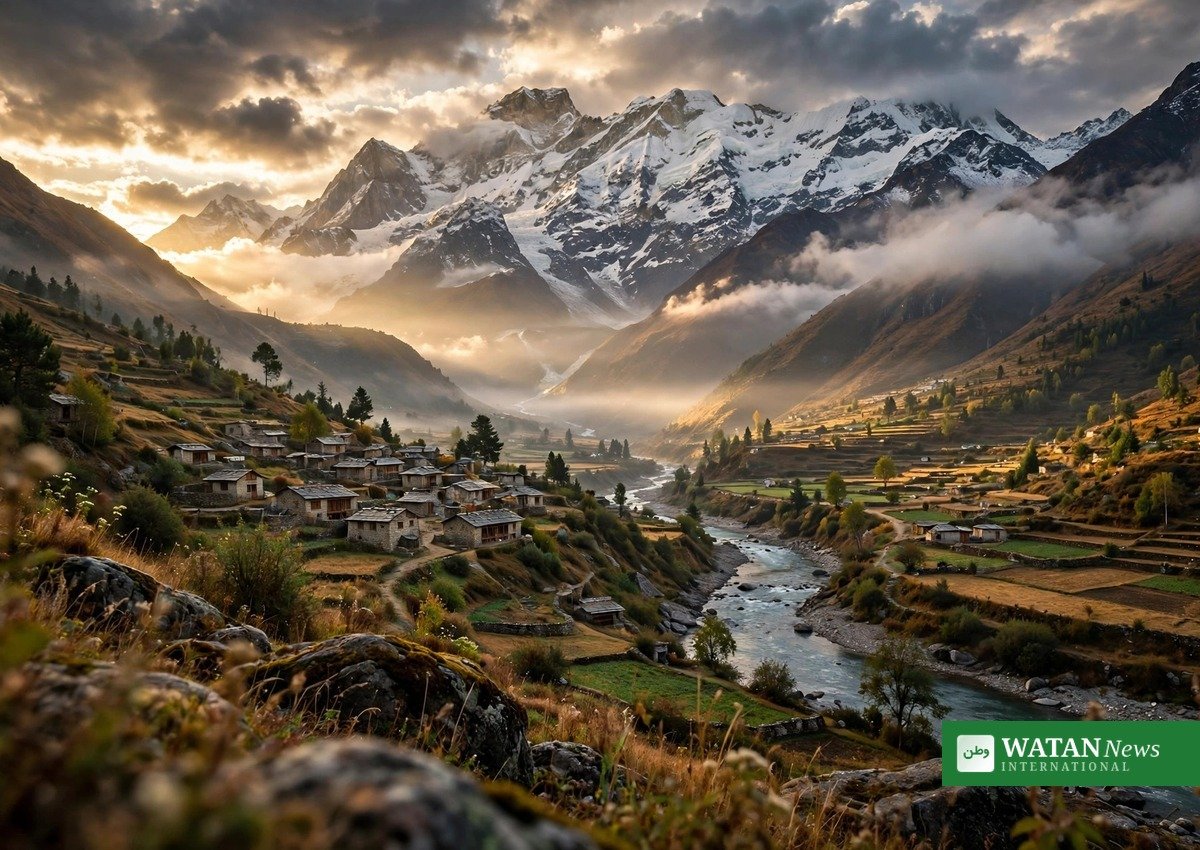
The case made in the proposal reaches well beyond Nepal and Bhutan. Rivers originating in the Himalayas provide water, food and energy to more than two billion people living downstream, according to the proposal, while the Himalayas contain nearly half of the world’s important biodiversity areas.
That scale is central to the two countries’ argument: a region that sustains such a large share of humanity’s water and food systems, and such a concentration of biodiversity, should have its own standing item on the climate agenda rather than being treated as a footnote to other negotiations.
The Himalayan climate agenda COP31 proposal: what it asks for
Under the proposal, Nepal and Bhutan have called for scientific studies on temperature rise in the Himalayan region and on the implications of exceeding temperature targets. They have also proposed an annual high-level dialogue on mountains and climate change, along with the initiation of a process to develop an action plan for Himalayan ecosystems under the United Nations Framework Convention on Climate Change (UNFCCC).
The countries have further called for the priorities of mountain regions to be incorporated into international discussions on climate adaptation, climate finance, and loss and damage — the three areas where mountain communities most need support, and where, the proposal implies, their needs are currently least visible.
The disasters behind the proposal
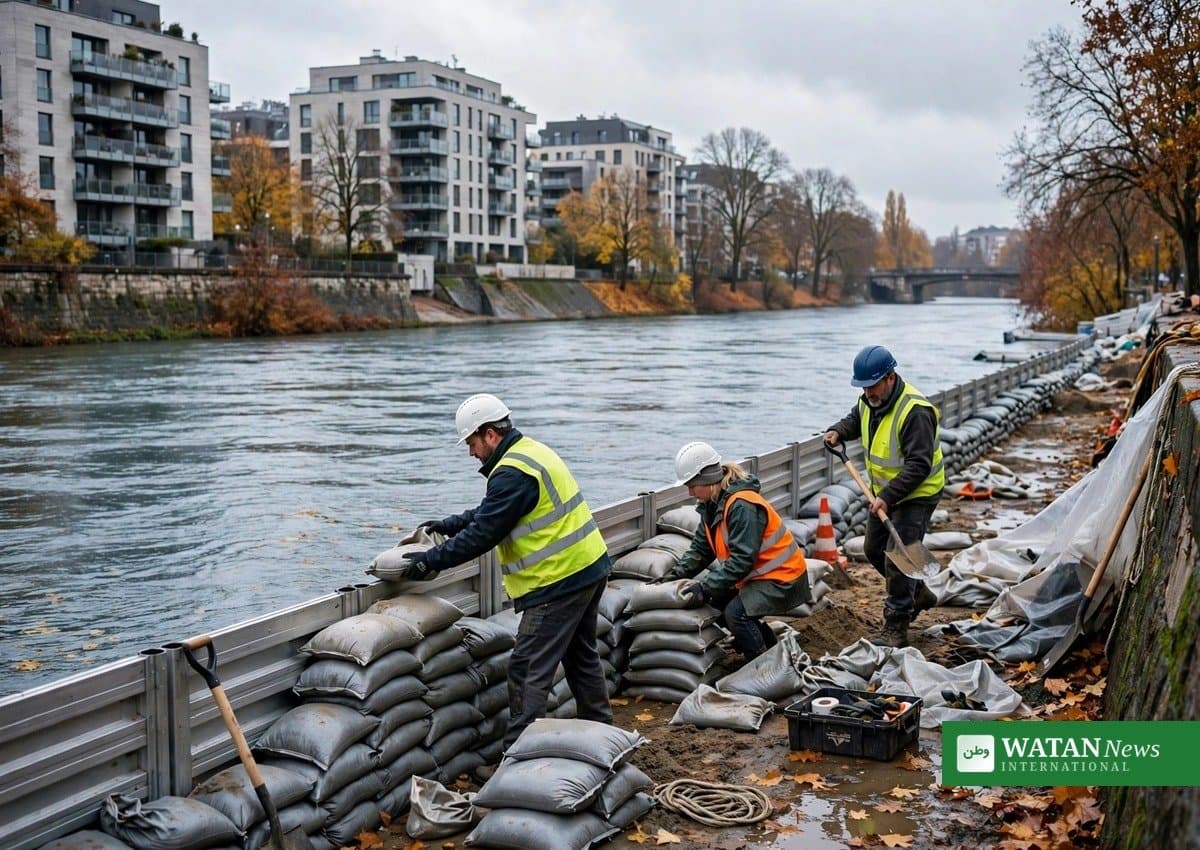
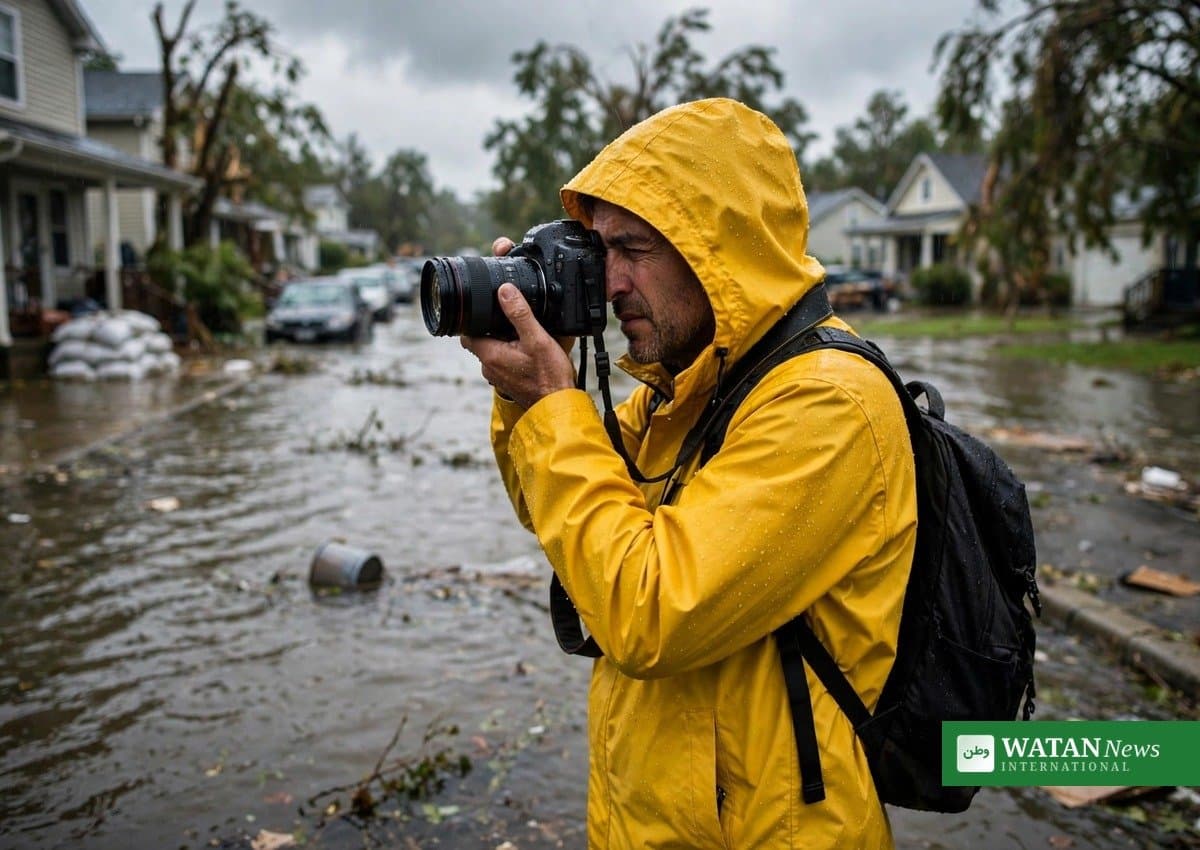
The proposal highlights the economic consequences of climate-related disasters, citing the devastating floods in Nepal’s Bhotekoshi and Trishuli river systems on 26 August 2026, triggered by an avalanche damming a river. The floods caused an estimated 2.7 billion US dollars in damage, while recovery and reconstruction are expected to require 4.7 billion dollars, according to a Rapid Disaster Needs Assessment report prepared by the Nepali government.
Climate-related disasters have also affected Bhutan. A flash flood on Thursday night, triggered by the bursting of the Shintaphu glacial lake, washed away infrastructure at the Gasa Tshachu natural hot springs, according to reports carried by IANS. No casualties had been reported as of Friday.
What happens in Antalya
COP31, the 31st Conference of the Parties to the UNFCCC, takes place in Antalya from 9 to 20 November 2026. The Himalayan proposal now goes to the conference as an agenda item for the parties to take up, one week before the talks open.
For Watan News readers following COP31, this proposal is one of the clearest tests of whether the Antalya talks will give vulnerable regions a stronger voice: it asks not for a new pledge, but for a permanent place on the agenda where mountain concerns can be raised year after year. Related COP31 coverage: Congo Basin voice at COP31 as Türkiye courts Congo ahead of Antalya.
Key facts
- Who: Nepal and Bhutan, jointly; submitted by Nepal’s Minister for Agriculture, Forests and Environment, Geeta Chaudhary.
- What: A proposed COP31 agenda item titled “1.5-Degree Temperature Rise in the Himalayan Region”.
- How: Submitted under Rule 12 of the conference’s draft rules of procedure; announced 31 October 2026.
- Where and when: COP31, Antalya, Türkiye, 9–20 November 2026.
- Asks: Scientific studies on Himalayan temperature rise; an annual high-level dialogue on mountains and climate change; a process to develop a Himalayan ecosystems action plan under the UNFCCC; mountain priorities in adaptation, finance and loss and damage talks.
- Why now: The 26 August 2026 Bhotekoshi and Trishuli floods in Nepal (2.7 billion dollars in damage, 4.7 billion dollars needed for recovery) and the Shintaphu glacial lake outburst flood in Bhutan.
- Scale: Himalayan rivers provide water, food and energy to more than two billion people downstream, according to the proposal.