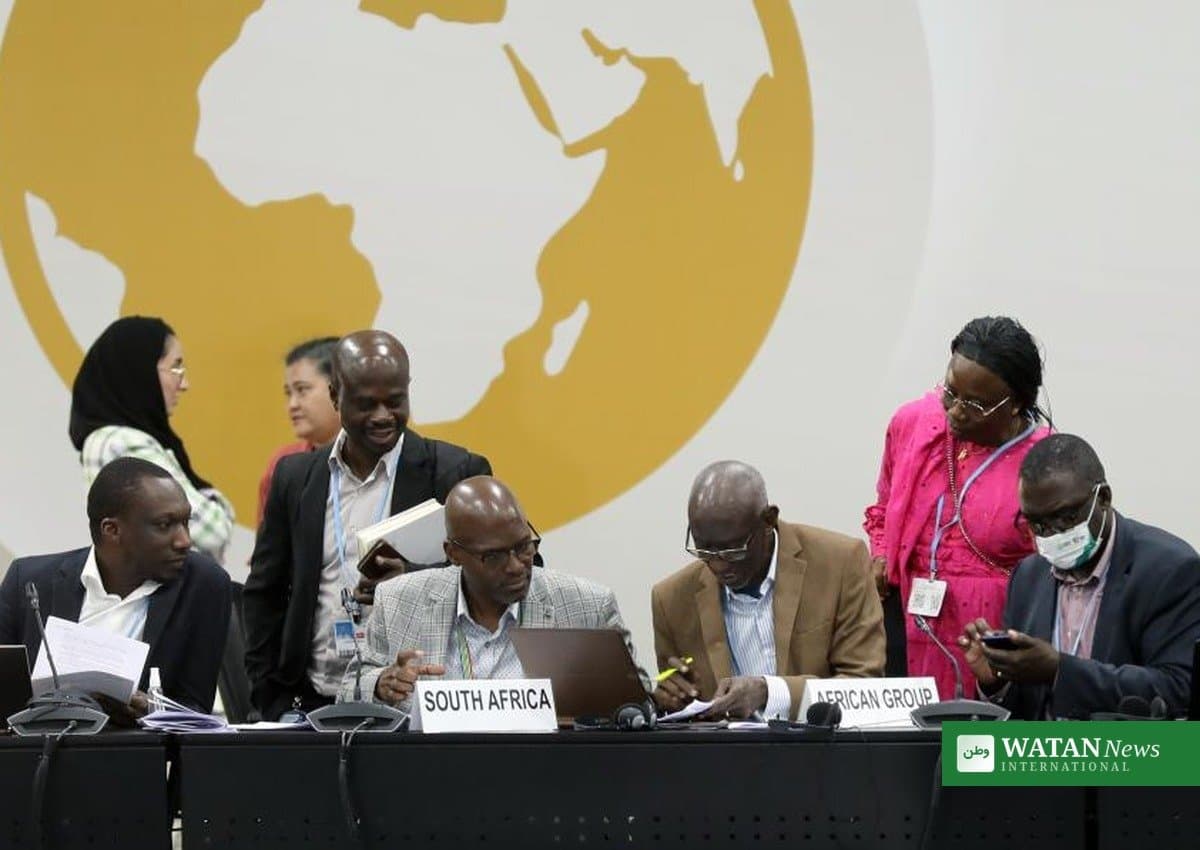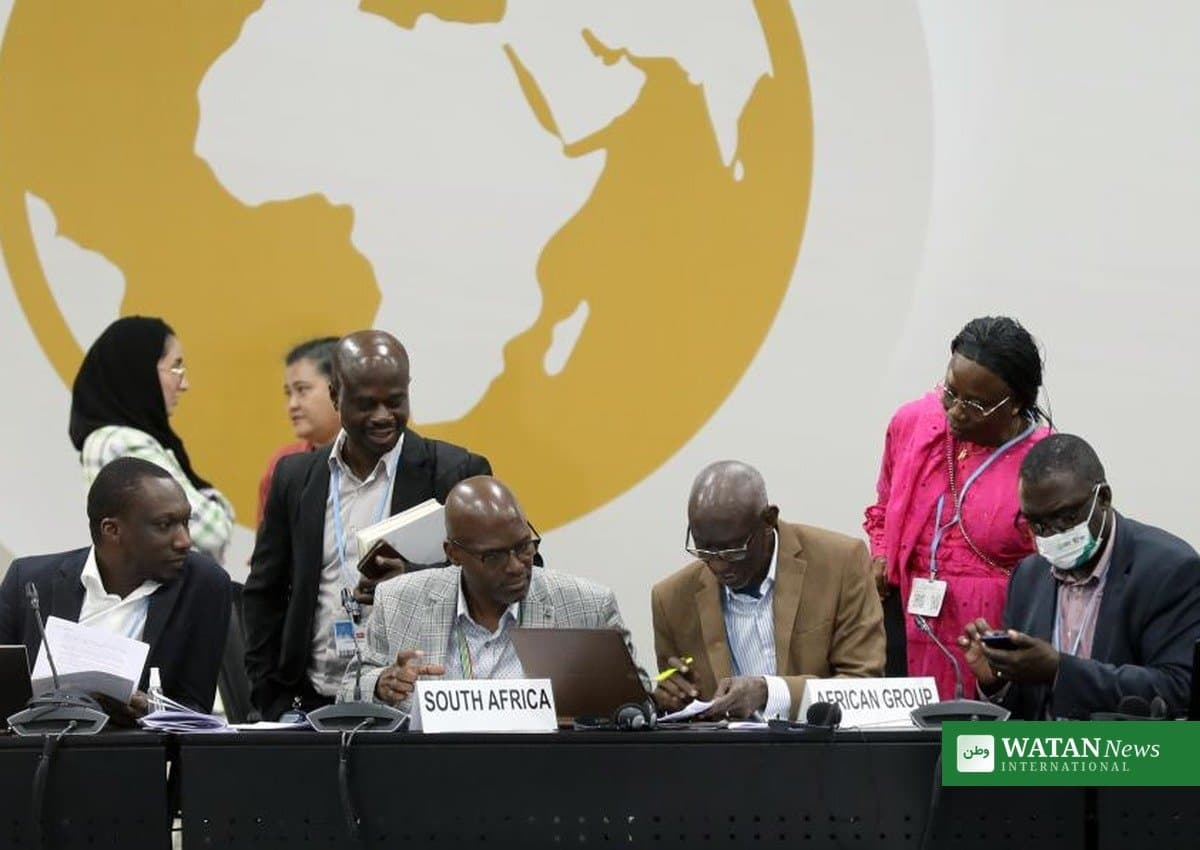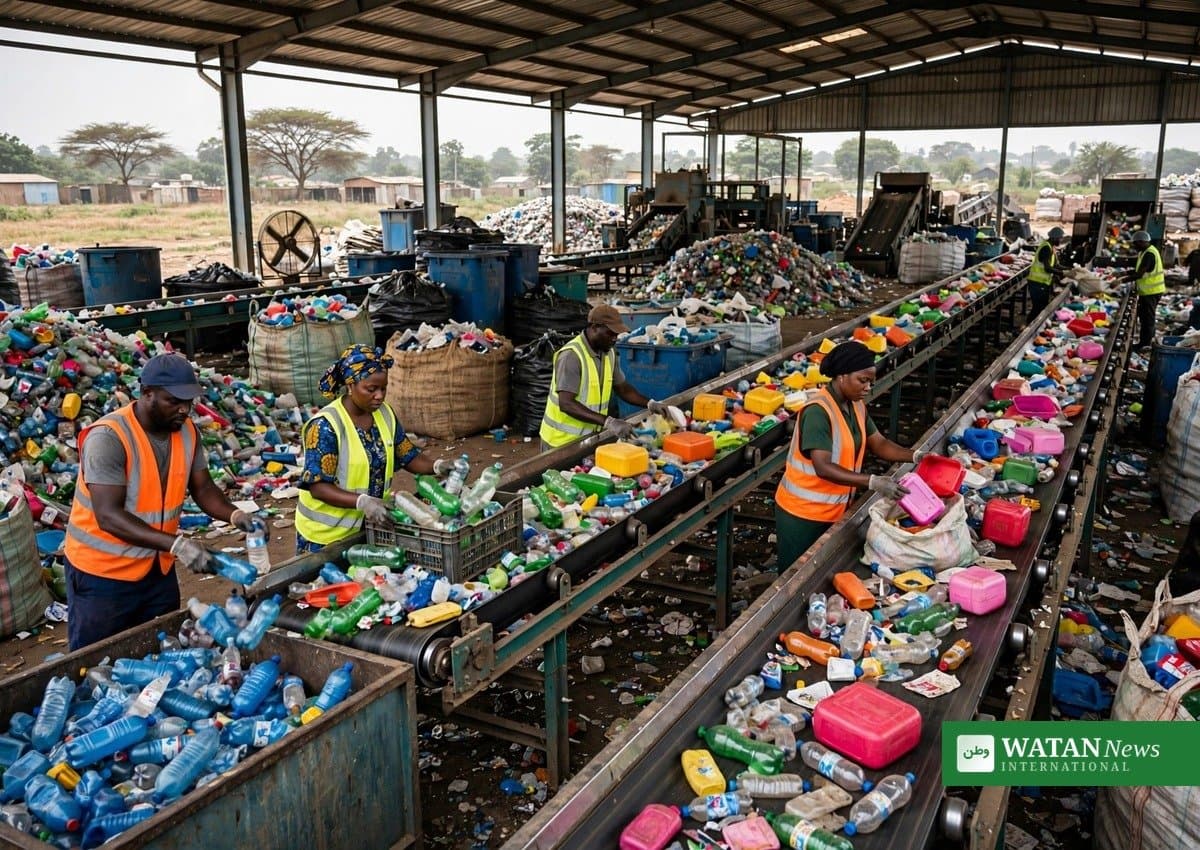
Nigeria has unveiled its National Environmental (Plastic Waste Control) Regulations, 2026, putting Extended Producer Responsibility (EPR) at the heart of its plastic policy — meaning manufacturers, importers and brand owners, not just consumers and city authorities, must account for the plastic they put on the market.
The rules were unveiled by the National Environmental Standards and Regulations Enforcement Agency (NESREA) at a Stakeholder Implementation Dialogue in Abuja in early September 2026. Contrary to some media shorthand, they are not a blanket ban on plastics: thin single-use bags and toxic substances face restrictions, while the system as a whole shifts the cost of collection and recycling to producers.
FAKTA
- The National Environmental (Plastic Waste Control) Regulations, 2026 were unveiled by NESREA in early September 2026 at a stakeholder implementation dialogue in Abuja.
- Extended Producer Responsibility (EPR) is the core principle: producers, importers, brand owners, retailers, consumers, recyclers and waste managers all have defined obligations.
- Plastic bags below 80 microns in thickness are regulated — a targeted restriction, not a blanket plastic ban.
- Nigeria generates about 2.5 million tonnes of plastic waste per year, much of it leaking into waterways.
- PET beverage bottles must contain at least 25% recycled content by January 2028.
- Toxic substances in plastics are banned, with sanctions including fines and imprisonment for violations.
- NESREA Director-General Prof. Innocent Barikor framed the rules as “a transition from policy intention to implementation”; Environment Minister Balarabe Abbas Lawal (represented by Permanent Secretary Salihu Aminu Usman) gave federal backing.
EPR: the polluter pays, from factory to recycling
Under EPR, the companies that place plastic packaging on the market must finance or organise its collection, recovery and recycling — through producer-responsibility organisations and collection systems — rather than leaving municipalities and taxpayers with the bill. NESREA’s Barikor has said the rules mark the transition from policy intention to implementation, with enforcement, reporting and sanctions to follow.
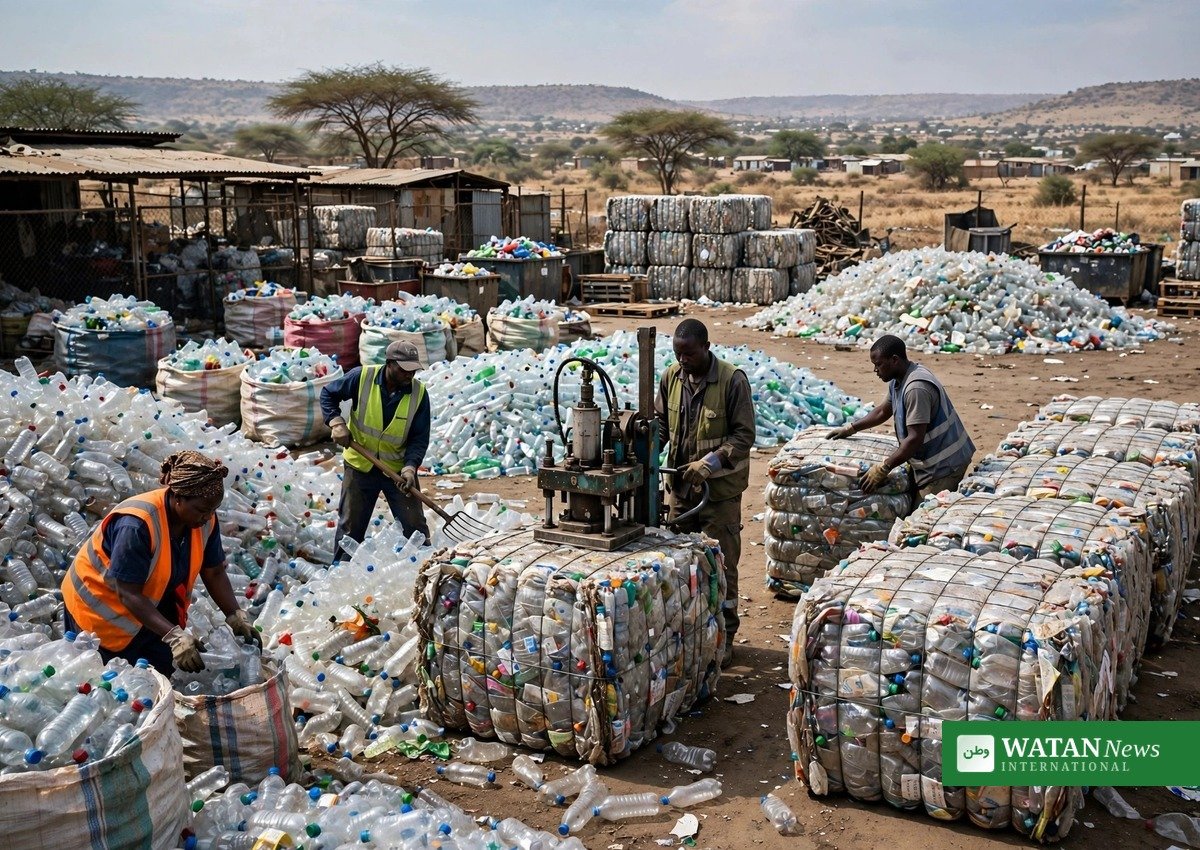
The framework covers the full chain — producers, importers, brand owners, retailers, consumers, recyclers and waste managers — and pairs EPR with recycled-content mandates and restrictions on the thinnest single-use bags, the items most likely to escape collection.
25% recycled PET by January 2028
One of the most concrete obligations: PET beverage bottles must contain at least 25% recycled content by January 2028. Toxic substances in plastic products face outright bans, with sanctions for violations including fines and imprisonment. Federal officials describe the package as a market signal for a Nigerian recycling industry that already employs thousands of informal and formal waste collectors.

Nigeria’s approach mirrors EPR systems emerging across Africa and aligns with the global push toward a legally binding treaty on plastic pollution. The full story is also available on Watan News International’s main site.