A localised ceasefire between Russia and Ukraine in the front-line town of Oleshky took effect early on Tuesday, 27 October, opening the way for a humanitarian operation to deliver aid to stranded civilians and allow them to leave. Both sides confirmed the pause had started, in a rare, tightly limited agreement in a war now in its fifth year.
Russia’s defence ministry said it had stopped shelling in the direction of the Ukrainian-held city of Kherson from 4 a.m. Moscow time (0100 GMT) to prepare for the humanitarian operation in Oleshky, just across the Dnipro River. Ukraine’s parliamentary commissioner for human rights, Dmytro Lubinets, who heads the Ukrainian negotiating team, confirmed in a post that the ceasefire had started at the same time.
“As head of the Ukrainian negotiating team, I confirm that the Ukrainian side is honoring its commitments,” Lubinets wrote.
FAKTA
- The Oleshky ceasefire took effect at 3 a.m. Kyiv time (0100 GMT) on Tuesday, 27 October 2026.
- It covers only Oleshky, on the eastern bank of the Dnipro in the Kherson region, opposite Ukrainian-held Kherson.
- Its purpose is to allow aid deliveries and civilian evacuations; the aid mission itself is planned for later this week.
- Up to 2,000 people are stranded in Oleshky, with dwindling supplies of food and medicine, according to the United Nations.
- The agreement was reached on Friday, 23 October, with US First Lady Melania Trump acting as intermediary, the White House said.
What the Oleshky ceasefire covers
The arrangement is deliberately narrow. It is a localised pause around a single front-line town, not a wider halt to the fighting. Its stated aim is to let aid reach residents suffering acute shortages of food and medicine, and to let civilians leave a town where mined roads and drone attacks have made escape extremely difficult.
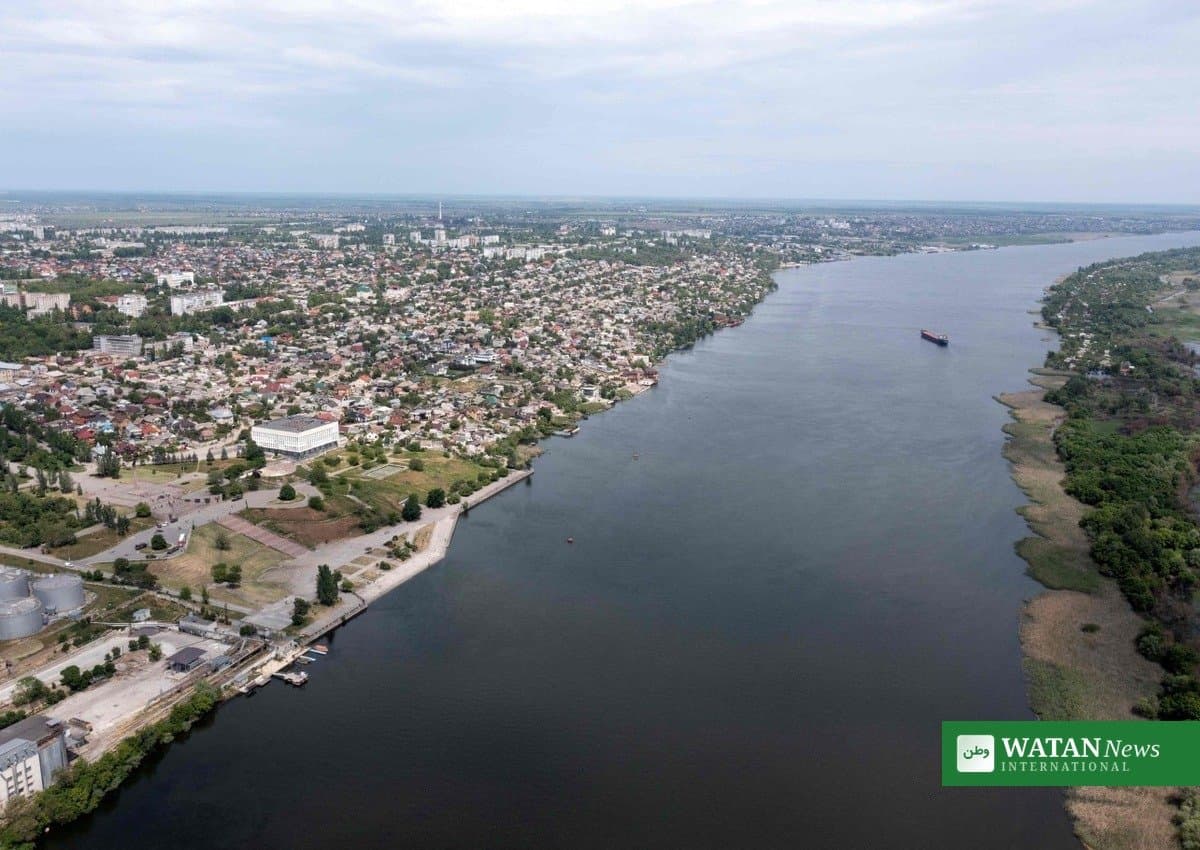
Oleshky lies on the eastern bank of the Dnipro, opposite Kherson, which is held by Ukrainian forces. Russian troops seized Oleshky during the first days of their February 2022 invasion and have controlled it ever since. The town is about 550 kilometres south-east of Kyiv.
Why Oleshky matters
Residents who remain in Oleshky, mostly older people, have faced worsening shortages of food, medicine and clean water, with limited access to electricity and roads threatened by mines. The United Nations has said up to 2,000 people are stranded there, unable to leave because of explosive mines and drone attacks in the area.
The White House said last week that US First Lady Melania Trump helped to secure the agreement. According to her office, she led talks with civilian negotiators from Russia and Ukraine after meeting United Nations officials who briefed her on conditions in the town.
What happens next
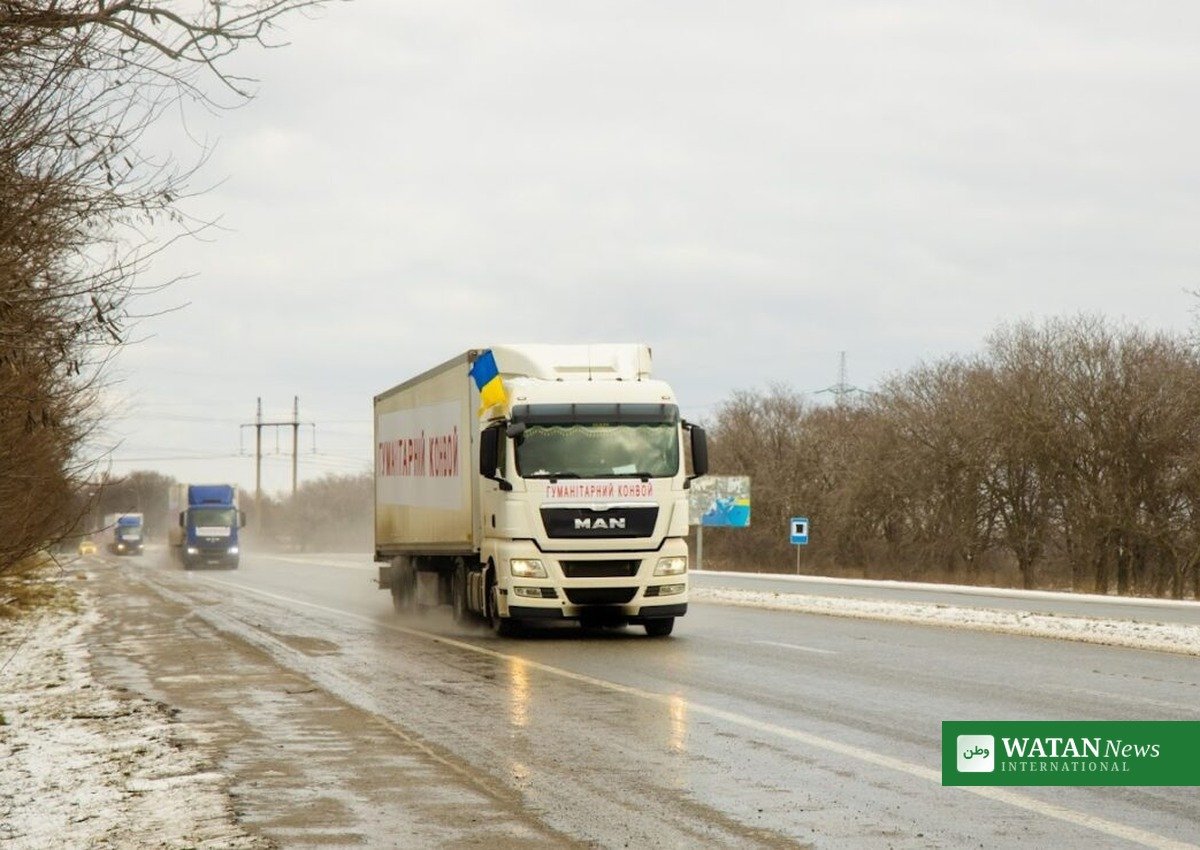
The aid mission is planned for later this week, with engineering checks on routes into the town and the safe passage of a humanitarian convoy among the first steps. The ceasefire is due to last through Saturday, or longer, though both sides have voiced deep mistrust after previous ceasefire attempts failed.
The pause also comes ahead of a new round of US-brokered talks between Russia and Ukraine expected next month, aimed at ending the war after more than four and a half years of fighting.
A localised pause, not a wider peace
The fragility of the arrangement was clear even before it began. On Monday, Russia’s defence ministry accused Ukraine of repeatedly striking Oleshky with artillery and drones ahead of the ceasefire; Reuters said it could not independently verify that assertion and that there was no immediate response from Ukraine.
Elsewhere in Ukraine, the wider war continued on Tuesday morning, with a Reuters witness reporting new explosions heard in Kyiv. That underlines the limited scope of the Oleshky deal: it pauses fighting around one town so that aid can move, while fighting continues elsewhere.
For related coverage of Europe, see Watan News Europe.