LIVE
BREAKING
Harnessing the Power of Nature: The Growth of Renewable Energy in PakistanTragic Blast at Police Complex Mosque in Pakistan: Casualties and ResponseTragic Suicide Attack Near Mosque in Northwest Pakistan: 16 Lives LostPlastic chemicals and health: new evidence dashboard sharpens zero-waste stakes ahead of COP31Unveiling the Glamour: Must-See Fashion Events of 2026Discover Bawah Resort: A Beautiful Escape in Riau, IndonesiaExploring the Growth of Pakistan’s Electric Vehicle Market in 2026Pakistan’s Renewable Energy Growth: Achievements and Future Prospects for 2026Sabyasachi Returns to NYFW With ‘Bengal Byzantine Broadway’ and a Met Jewellery PactNationwide Protests Erupt in Pakistan Over Escalating Fuel PricesTrump weighs major Iran decision as Middle East war spreads to Red Sea routesEU draft COP31 conclusions: pledges no longer enough — focus shifts to deliveryWhite House Withdraws Lance Schroyer’s Nomination to Lead ICE Amid ScrutinyDeadly Clashes Erupt Along Sudan-South Sudan Border, Killing at Least 26Foreign Secretary Holds Farewell Interaction with Diplomatic CorpsCOP31 presidency and OECD announce Paris partnership on climate finance and deliveryFederal Urdu University launches beginner Russian language courseUS House passes sweeping Russia sanctions bill, sending it to TrumpMorocco’s 2026 Election: A Test of Political Trust and EngagementHimalayan warming linked to conditions behind Nepal’s deadly rock-ice cascadeHarnessing the Power of Nature: The Growth of Renewable Energy in PakistanTragic Blast at Police Complex Mosque in Pakistan: Casualties and ResponseTragic Suicide Attack Near Mosque in Northwest Pakistan: 16 Lives LostPlastic chemicals and health: new evidence dashboard sharpens zero-waste stakes ahead of COP31Unveiling the Glamour: Must-See Fashion Events of 2026Discover Bawah Resort: A Beautiful Escape in Riau, IndonesiaExploring the Growth of Pakistan’s Electric Vehicle Market in 2026Pakistan’s Renewable Energy Growth: Achievements and Future Prospects for 2026Sabyasachi Returns to NYFW With ‘Bengal Byzantine Broadway’ and a Met Jewellery PactNationwide Protests Erupt in Pakistan Over Escalating Fuel PricesTrump weighs major Iran decision as Middle East war spreads to Red Sea routesEU draft COP31 conclusions: pledges no longer enough — focus shifts to deliveryWhite House Withdraws Lance Schroyer’s Nomination to Lead ICE Amid ScrutinyDeadly Clashes Erupt Along Sudan-South Sudan Border, Killing at Least 26Foreign Secretary Holds Farewell Interaction with Diplomatic CorpsCOP31 presidency and OECD announce Paris partnership on climate finance and deliveryFederal Urdu University launches beginner Russian language courseUS House passes sweeping Russia sanctions bill, sending it to TrumpMorocco’s 2026 Election: A Test of Political Trust and EngagementHimalayan warming linked to conditions behind Nepal’s deadly rock-ice cascade
Climate

Harnessing the Power of Nature: The Growth of Renewable Energy in Pakistan

usman javedPublished September 18, 2026
Harnessing the Power of Nature: The Growth of Renewable Energy in Pakistan
Featured Coverage: Harnessing the Power of Nature: The Growth of Renewable Energy in Pakistan / Watan News Archive
Share this story

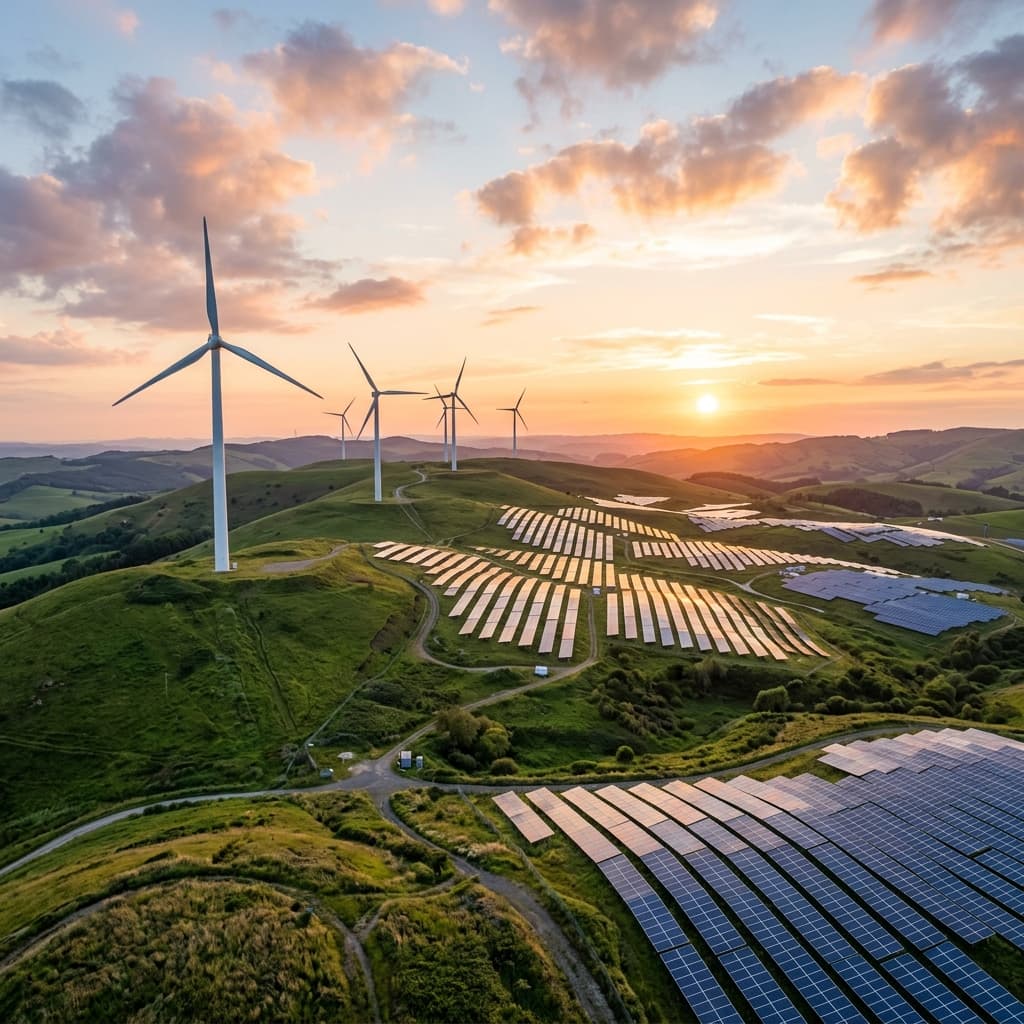
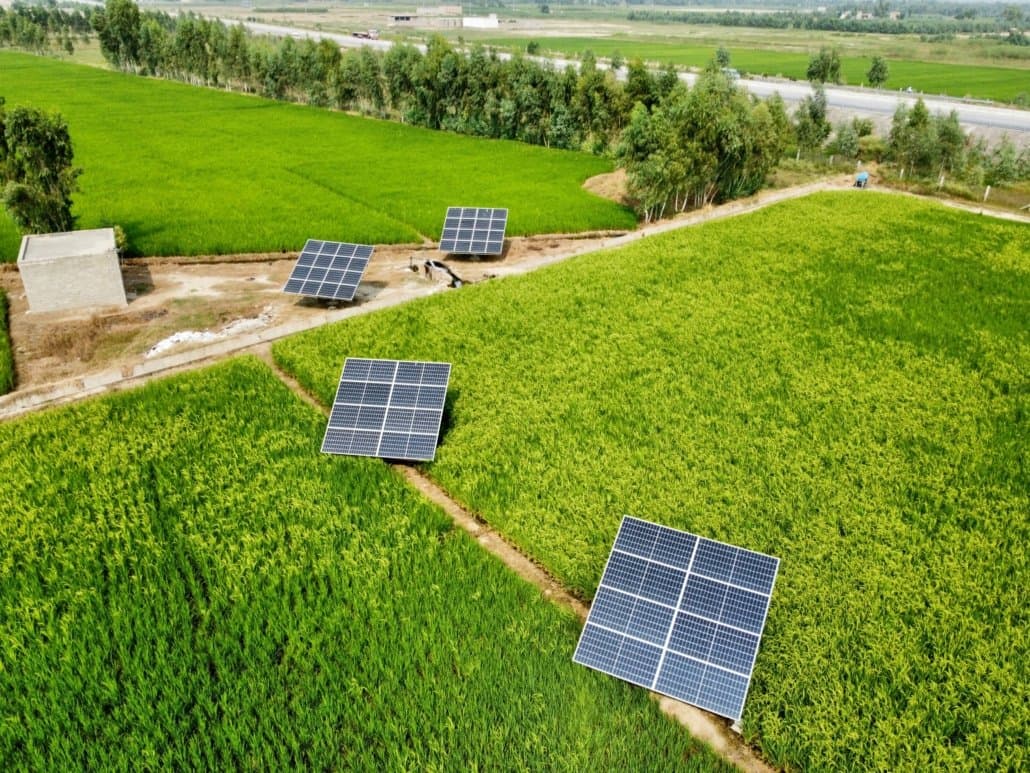
Pakistan’s renewable energy sector is experiencing significant growth, with a focus on solar power and wind energy. The country’s government has set ambitious targets to increase its use of renewable energy and reduce its reliance on fossil fuels.

According to a recent report, Pakistan’s renewable energy sector has grown by 10% in the past year, with solar power and wind energy being the main contributors to this growth.

Key Takeaways

  • Pakistan’s renewable energy sector has grown by 10% in the past year.
  • Solar power and wind energy are the main contributors to this growth.
  • The country’s government has set ambitious targets to increase its use of renewable energy.

Renewable Energy Growth

Pakistan’s renewable energy sector has experienced significant growth in recent years, with solar power and wind energy being the main drivers of this growth. The country’s government has set ambitious targets to increase its use of renewable energy and reduce its reliance on fossil fuels.

The growth of renewable energy in Pakistan is also being driven by private sector investment, with several companies investing in solar and wind energy projects in the country.

Government Support

The government of Pakistan has also been supportive of the growth of renewable energy in the country, with several initiatives and policies being implemented to promote the use of renewable energy.

One of the main initiatives is the National Electric Power Policy, which aims to increase the use of renewable energy in the country’s energy mix.

Conclusion

Pakistan’s renewable energy sector is experiencing significant growth, with a focus on solar power and wind energy. The country’s government has set ambitious targets to increase its use of renewable energy and reduce its reliance on fossil fuels.

Q1: What is the growth rate of Pakistan’s renewable energy sector?
A1: The growth rate of Pakistan’s renewable energy sector is 10%.

Q2: What are the main contributors to the growth of renewable energy in Pakistan?
A2: Solar power and wind energy are the main contributors to the growth of renewable energy in Pakistan.

Q3: What are the government’s targets for renewable energy in Pakistan?
A3: The government’s targets for renewable energy in Pakistan are to increase the use of renewable energy to 30% of the country’s energy mix by 2030.

Q4: What is the role of private sector investment in the growth of renewable energy in Pakistan?
A4: Private sector investment is playing a significant role in the growth of renewable energy in Pakistan, with several companies investing in solar and wind energy projects in the country.

Q5: What is the National Electric Power Policy?
A5: The National Electric Power Policy is a government initiative that aims to increase the use of renewable energy in the country’s energy mix.
Planet & environment

Climate & Sustainability

News, stories and solutions driving change towards a greener and more sustainable planet for future generations.

Plastic chemicals and health: new evidence dashboard sharpens zero-waste stakes ahead of COP31Climate
Featured story

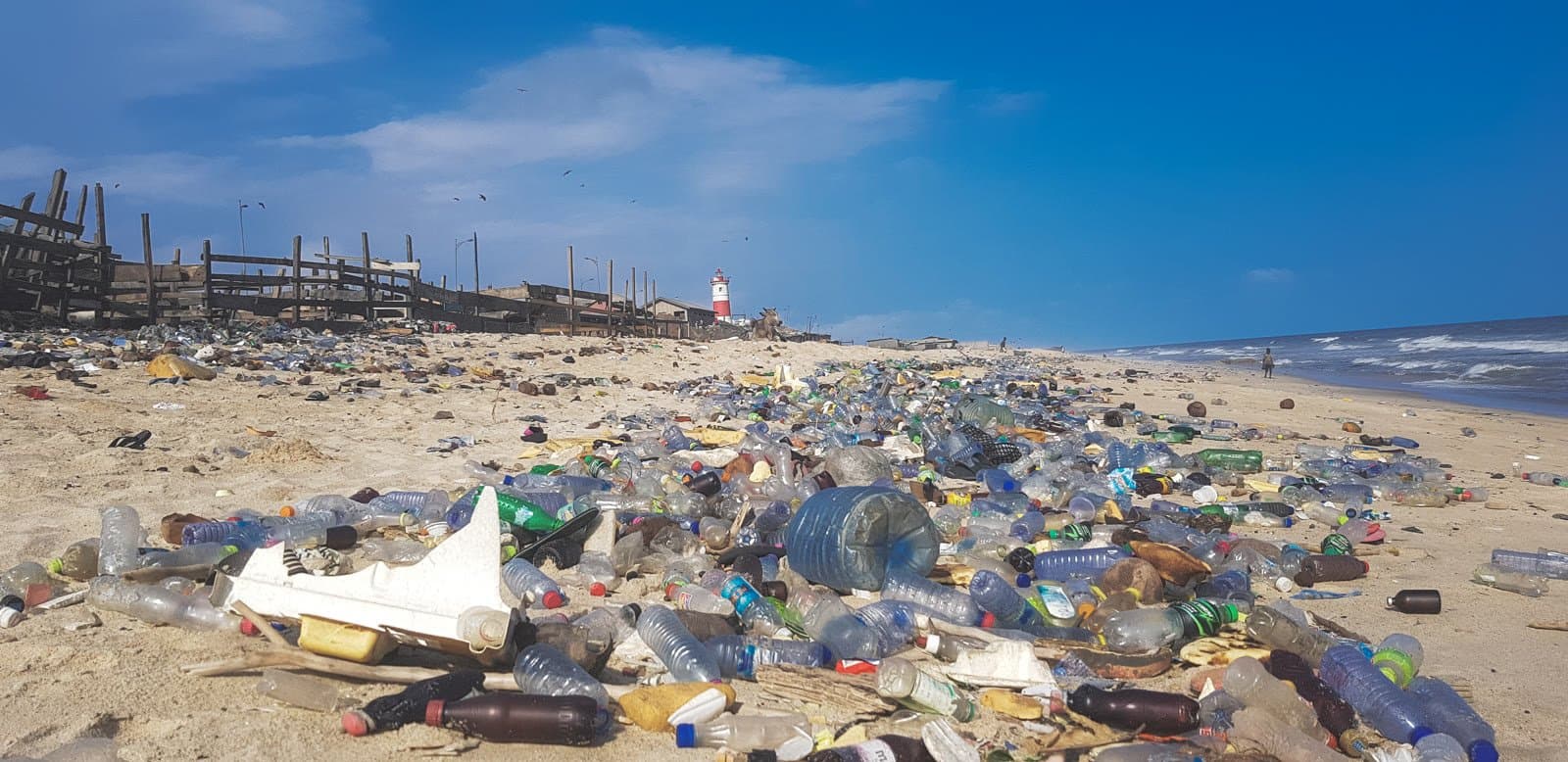
Plastic chemicals and health: new evidence dashboard sharpens zero-waste stakes ahead of COP31

Boston College and Minderoo’s PlasticHealthAware dashboard synthesises evidence linking plastic chemicals to human health harms — raising stakes for zero-waste and circular-materials action ahead of COP31 in Antalya.

Read full story

Every Action Counts

Small steps today, big impact tomorrow.

Explore more stories