Qatari mediators presented Iran with a new draft deal on Sunday aimed at ending the war with the United States and Israel, and Tehran is expected to send its response by the end of the week, according to Reuters, citing an official briefed on the negotiations.
The Qatar Iran draft deal, reported on Wednesday, is now under consideration in Tehran. It is a proposal, not an agreed settlement, and no side has yet confirmed that its terms will be accepted.
FAKTA
- Qatar Iran draft deal: Qatari mediators presented Iran with a new draft deal on Sunday, 25 October, to end the war with the United States and Israel
- Response expected: Tehran is expected to send its response to the draft by the end of the week, according to an official briefed on the negotiations
- Seven-day timeline: The draft sets a seven-day timeline addressing both Tehran’s and Washington’s concerns, with daily confidence-building steps each side must take
- Possible start: The timeline could begin early next week, with several countries acting as guarantors of the deal
- Mediators: Qatar, along with Pakistan, has led mediation to end the war that the United States and Israel launched in February
- Status: No agreement has been reached; the draft is under consideration and its terms have not been confirmed by Tehran or Washington
Qatar Iran draft deal: a seven-day timeline of confidence-building steps
At the centre of the draft is a seven-day timeline. According to the official cited by Reuters, it addresses both Tehran’s and Washington’s concerns and lays out daily confidence-building steps that each side must take.
The timeline could begin early next week, the official said, and several countries would act as guarantors of the deal. Reuters did not report the names of the guarantor countries or the specific steps in the daily sequence, and the draft itself has not been published.
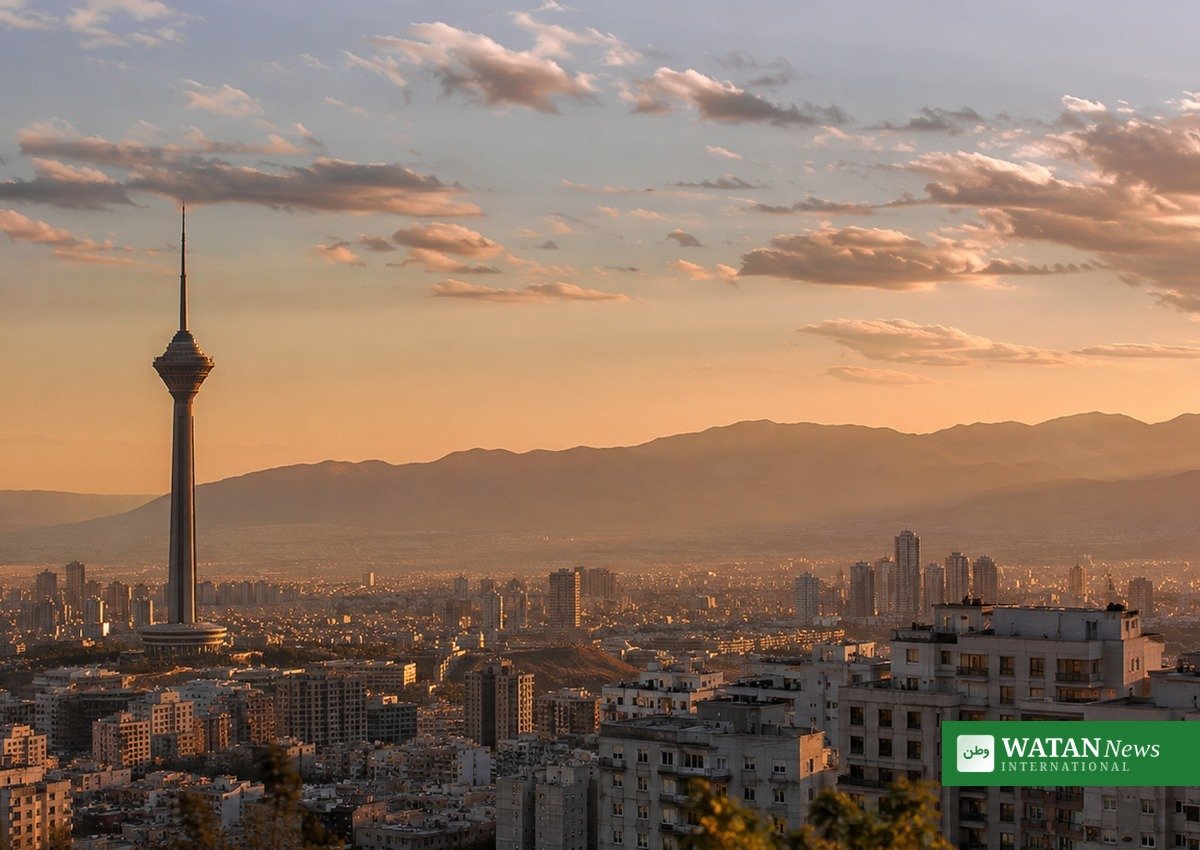
Tehran, where Qatari mediators presented the new draft deal on Sunday. Iran is expected to respond by the end of the week.
Why the timing matters
The disclosure comes against a tense backdrop. There were concerns ahead of Sunday’s meeting in Tehran that Israel’s prime minister, fighting for another term in a general election, could resume attacks on Iran this week, the official briefed on the negotiations said.
On Friday, US President Donald Trump repeated threats to strike Iran again, Reuters reported, while Iranian security officials told Reuters that Tehran had drawn up detailed plans to attack Gulf undersea cables if the United States and Israel resumed attacks.
Earlier mediation efforts helped produce an interim peace agreement in June, but that deal quickly unravelled, Reuters noted. In recent weeks, Yemen’s Iran-aligned Houthis have launched repeated attacks against Saudi Arabia, the world’s largest crude exporter.
What happens next
All eyes are now on Tehran’s response, expected by the end of the week. If Iran accepts the draft’s framework, the seven-day timeline could begin early next week under the guarantor countries.
Until then, the draft remains a proposal under consideration. The war, which has disrupted global shipping and oil supplies and spilled over across other parts of the Middle East, continues, and no ceasefire or settlement has been announced in connection with this draft.
More on the Middle East: Watan News Middle East coverage.