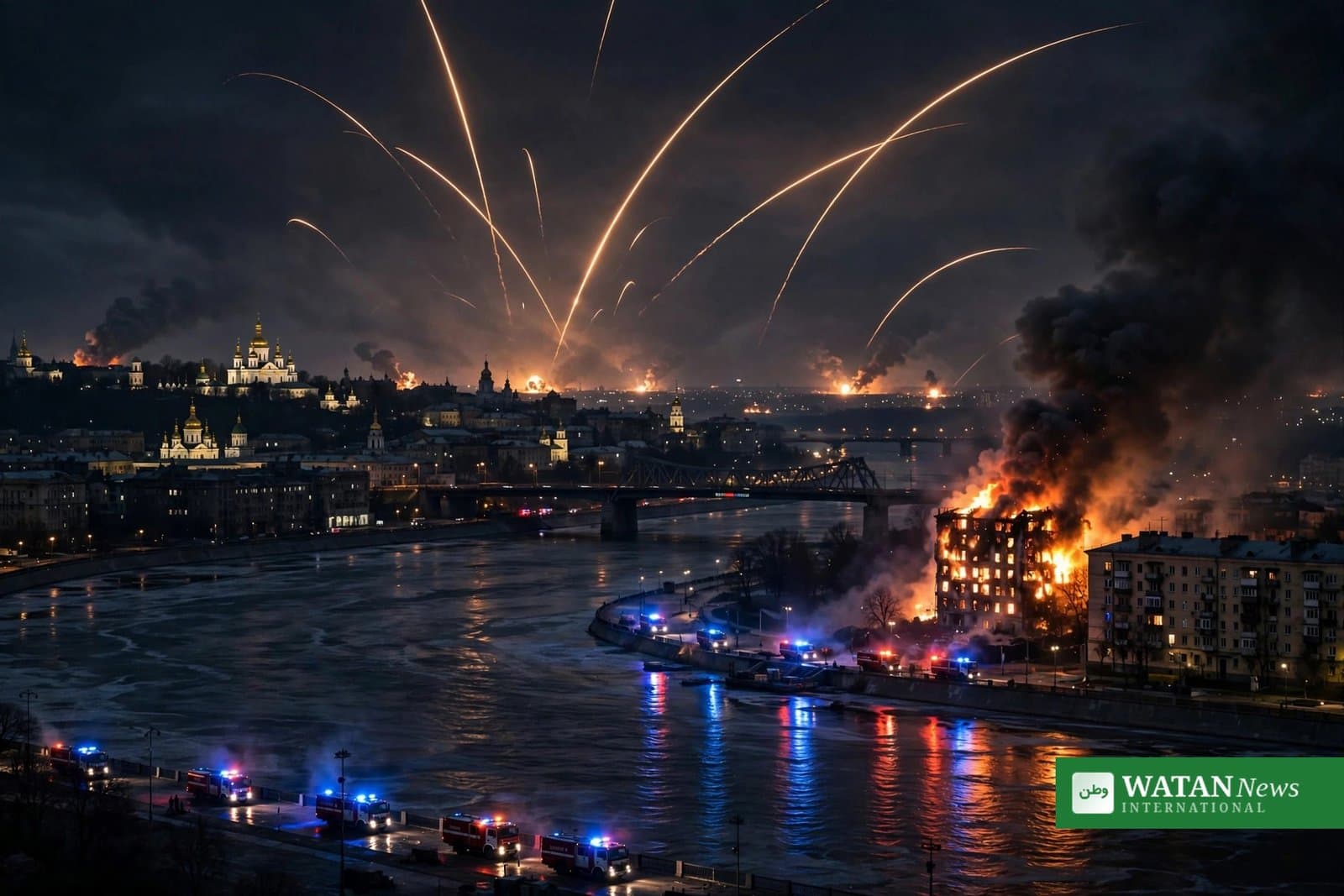
Russia strikes Ukraine again with one of the largest combined air attacks since the last heating season: nearly 190 drones plus ballistic and cruise missiles hit energy infrastructure in Kyiv and the surrounding region and port facilities in Odesa overnight, as President Volodymyr Zelenskyy visited troops near the frontline in eastern Ukraine. At least three people were killed in the capital, emergency crews battled fires through the night, and NATO military aircraft were scrambled in Poland and Romania as the barrage unfolded. Zelenskyy’s trip to the Lyman sector came as Ukrainian forces pressed Operation Vivaldi, a counteroffensive Kyiv says has retaken 176 square kilometres from Russian forces. At the same time, European governments moved to harden their own borders: Italy extended its Schengen checks on Spain, Poland prolonged its border controls with Germany and Lithuania until March 2027, and Estonia banned the transit of Russian and Belarusian grain.
FAKTA
- The attack: Russia launched 188 drones — 86 of them jet-powered — plus ballistic and cruise missiles overnight September 29–30, according to Ukraine’s air force. Five missiles and 155 drones were destroyed or neutralized; impacts were reported in 18 locations.
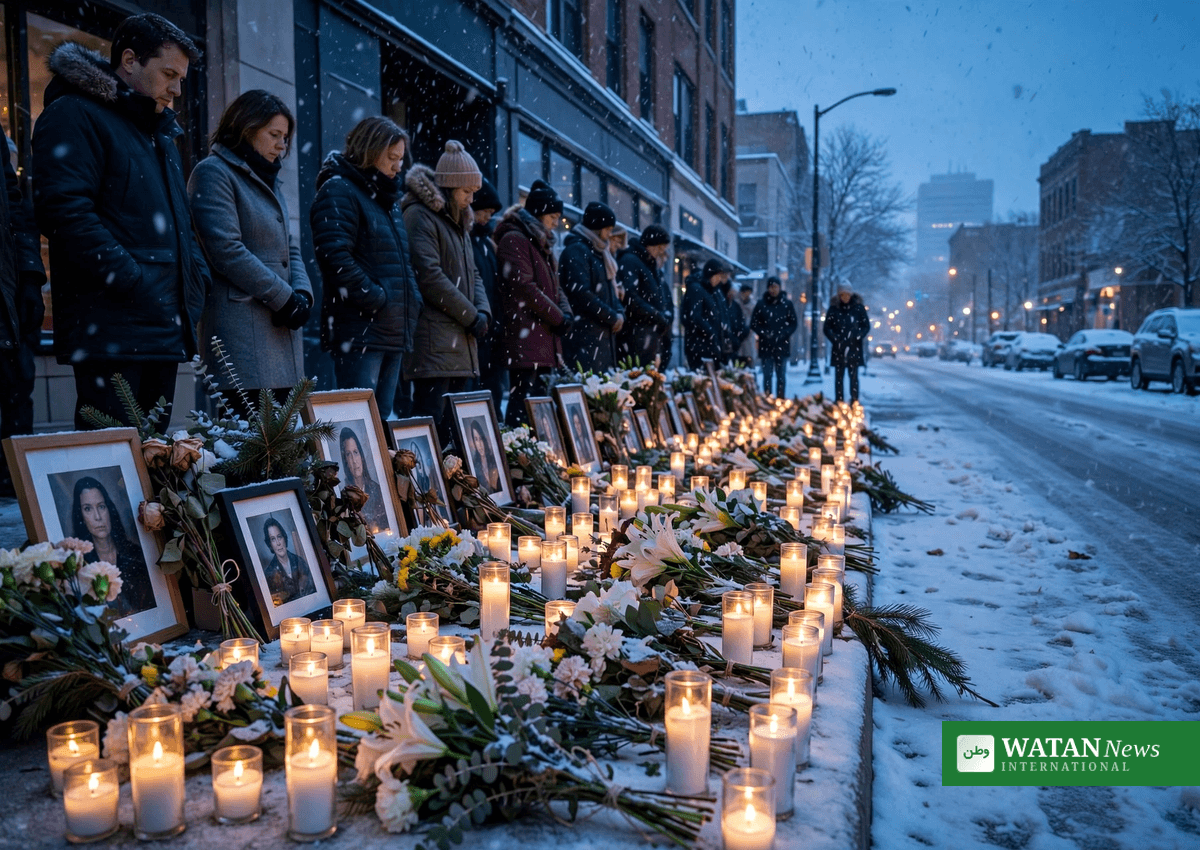
- Kyiv: At least three people were killed and six injured, including three children, Mayor Vitali Klitschko said. A direct strike hit the National Academy of Sciences building and a medical facility in central Kyiv. Energy infrastructure was the main target; DTEK restored power to 8,000 customers on Kyiv’s left bank.
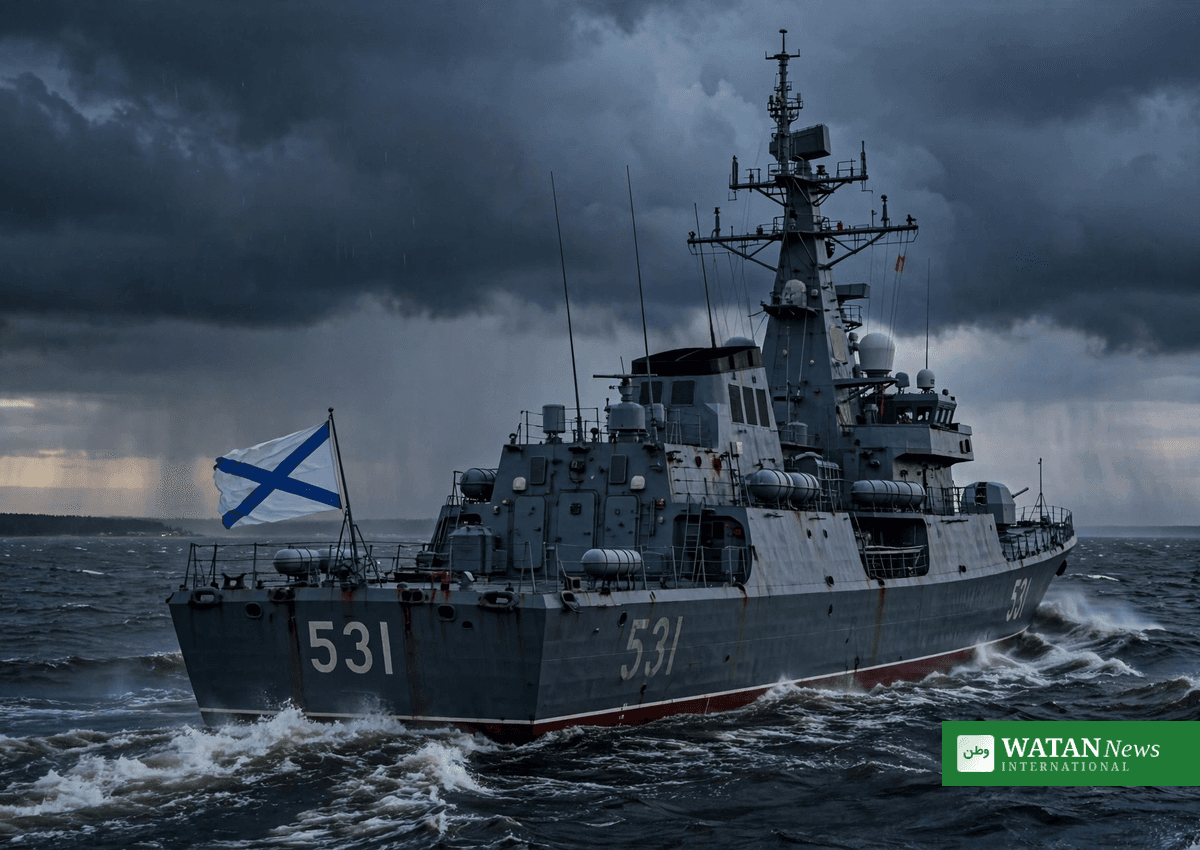
- Odesa: Port infrastructure and a civilian business were damaged, with six people injured, regional governor Oleh Kiper said. Moscow claimed it struck a military-linked cargo vessel in the Black Sea and a vessel carrying military cargo in Odesa port.
- NATO response: Military aircraft were scrambled in Poland and Romania overnight as the attack unfolded.
- Zelenskyy’s visit: The president toured the command post of the 66th Separate Mechanized Brigade in the Lyman sector, met the 21st Separate Unmanned Systems Regiment “Kraken,” and said Ukraine is planning a fourth phase of Operation Vivaldi.
- Italy–Spain: Italy extended identity checks on air and sea arrivals from Spain for another 15 days, ordered September 30. Spain reciprocated with checks on travellers from Italy until October 8.
- Poland: Temporary border controls with Germany and Lithuania will continue from October 2, 2026 to March 30, 2027 — a continuation of the existing checks, not new restrictions.
- Estonia: Banned the transit of Russian and Belarusian grain through its territory, Foreign Minister Margus Tsahkna said, and is coordinating joint Baltic restrictions with Latvia and Lithuania.
Russia strikes Ukraine’s energy grid overnight
The Ukrainian air force said Russia focused the overnight barrage on Kyiv, with energy infrastructure in the capital and the surrounding region as the main target. Emergency services reported multiple fires across the city, and by Wednesday morning a dense pall of smoke and fog hung over Kyiv — the result, the State Emergency Service said, of soot from the shelling pressed down by a high-pressure system.
President Zelenskyy called the attacks “intense” and said they were aimed at “the energy infrastructure of Kyiv and the surrounding region.” Fourteen people were injured nationwide, with strikes reported across the Zhytomyr, Mykolaiv, Kirovohrad, Rivne, Odesa, Sumy, Kharkiv, Kherson and Cherkasy regions.
“Every interceptor missile truly saves lives. And the closer we get to winter, the more of this protection we need. We must do everything to ensure that Russia’s strategy of ballistic and drone terror fails,” Zelenskyy wrote on Telegram, thanking partners for new air-defense support.
Prime Minister Serhii Koretskyi said that since the summer there has been “practically no day when the enemy has not attacked energy infrastructure,” but that such a massive and combined attack had occurred for the first time since the end of the last heating season.
Zelenskyy’s frontline visit: gains in Operation Vivaldi
While Kyiv was under attack, Zelenskyy travelled to the east, touring the command post of the 66th Separate Mechanized Brigade in the Lyman sector, which runs across the Donetsk and Luhansk regions. He met commanders, reviewed maps and presented state awards.
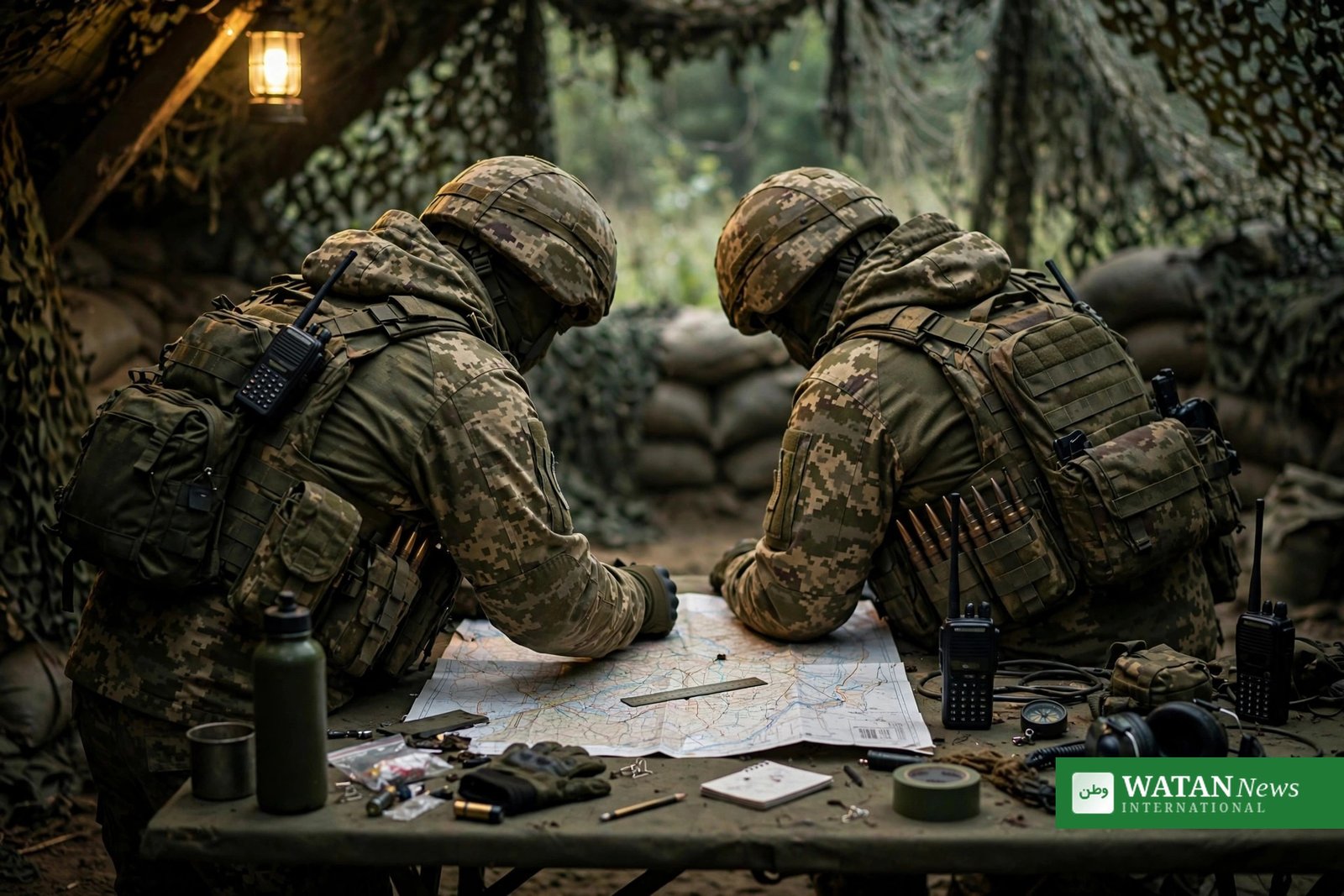
“I met with the warriors of the 21st Separate Unmanned Systems Regiment ‘Kraken,’ who are taking part in Operation Vivaldi,” Zelenskyy said. “We discussed the regiment’s needs, the warriors’ participation in operations, scaling up the military’s unmanned capabilities, developing ground robotic systems.”
The president said Ukrainian troops have recaptured 176 square kilometres in the sector and that the operation prevented a major Russian breakthrough toward the “fortress cities” of Sloviansk and Kramatorsk. Ukraine is now planning a fourth phase of Operation Vivaldi, discussed with personnel at the command post of the 3rd Army Corps, which is leading the operation. Kyiv says Russia has suffered more than 5,000 casualties in the fighting there and that 250 Russian soldiers have been captured.
Europe tightens borders as the war grinds on
Italy extends Schengen checks on Spain for 15 more days
Italian Interior Minister Matteo Piantedosi ordered the extension of identity checks on travellers arriving from Spain by air and sea for another 15 days, after consulting the Committee for the Analysis of Immigration and Border Security on September 30. It is the third extension of a measure first introduced on August 1, in response to the mass influx of migrants into the Spanish enclave of Ceuta from Morocco on July 30–31. Spain’s government put the number of irregular entries at some 72,000, most of whom returned to Morocco within days.
Rome said more than 180,000 travellers from Spain had been checked by the end of August, with entry refused to 31 people and six others arrested. Because Italy and Spain share no land border, the checks fall on ferry and air passengers at ports and airports. Spain responded by maintaining its own checks on arrivals from Italy until October 8.
Poland prolongs border controls until March 2027
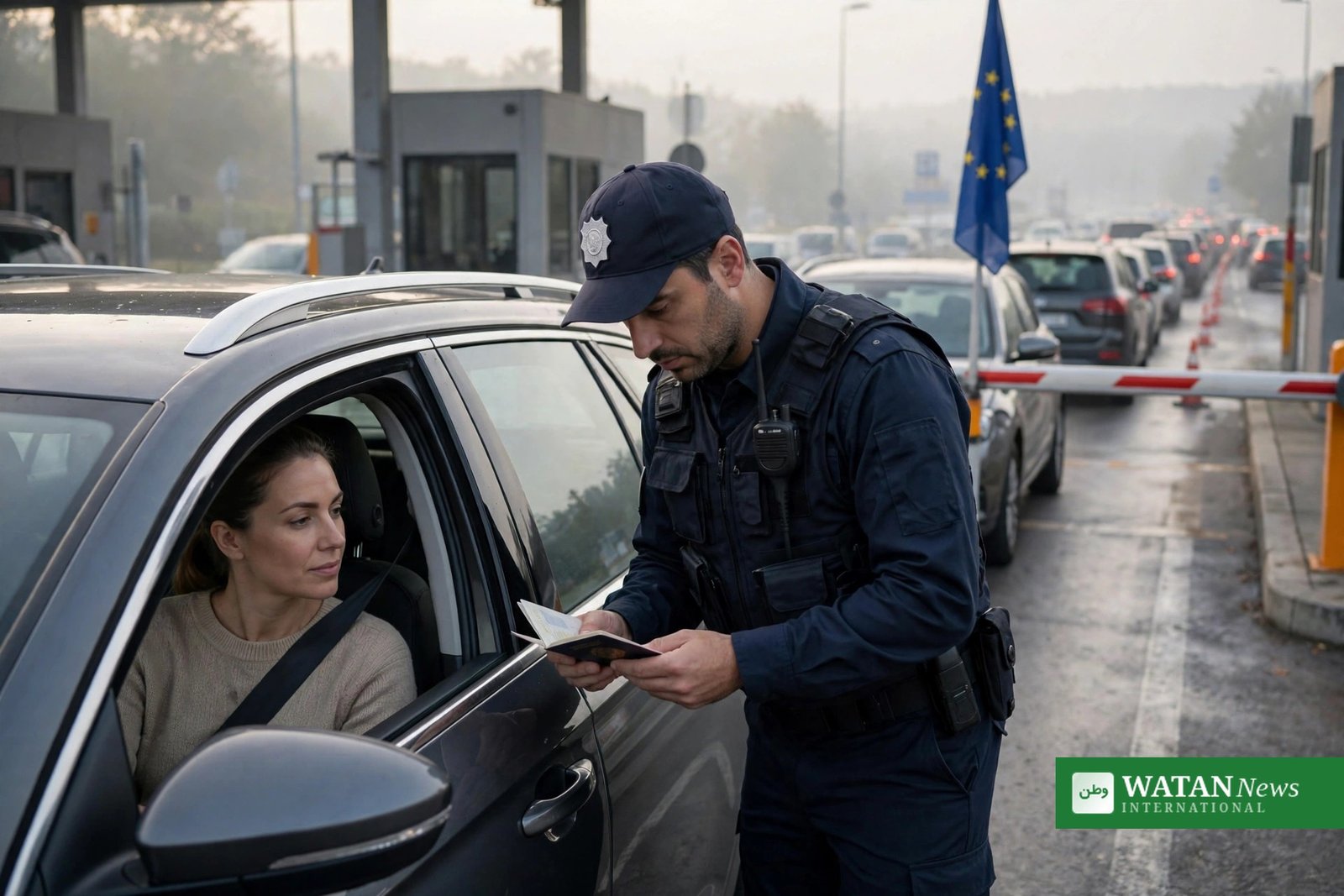
Poland has extended its temporary border controls with Germany and Lithuania for another six months. The new period runs from October 2, 2026 to March 30, 2027, continuing the checks introduced in the summer of 2025 without interruption — authorities stress this is not the introduction of new restrictions.
The Interior Ministry cited ongoing migration pressure from the directions of Lithuania and Germany, including migrants who entered the EU via Belarus moving onward through Poland. Vehicles may be stopped for document checks at designated crossings, while freedom of movement rules within the Schengen Area otherwise remain in effect. Germany is continuing its own checks on the Polish border until March 15, 2027.
Estonia bans Russian and Belarusian grain transit
Estonia has banned the transit of Russian and Belarusian grain through its territory, Foreign Minister Margus Tsahkna said. The move comes as Russia seeks new export routes following Ukrainian attacks that disrupted its Black Sea and Azov Sea shipping infrastructure.
“Russia cannot wage a war of aggression and expect us to help keep its trade flowing. We will not help finance its war or make its aggression easier to sustain,” Tsahkna said. “Our message to freight operators is clear: do not make plans to transport Russian grain through Estonia.”
Estonia is coordinating with Latvia and Lithuania on a joint regional approach — Latvia is preparing a 300% tariff on the transportation of Russian grain, while Lithuania has intensified checks on the origin of cargoes. Tsahkna also confirmed that Estonia’s military assistance to Ukraine will remain at least 0.25% of GDP next year.
What it means
The overnight barrage shows Russia’s renewed focus on breaking Ukraine’s energy system ahead of winter, while Zelenskyy’s frontline trip signals Kyiv’s determination to hold its counteroffensive gains in the east. With NATO aircraft scrambling over two allied countries and EU member states reimposing border checks and trade restrictions, the war’s ripple effects across Europe are deepening rather than fading.