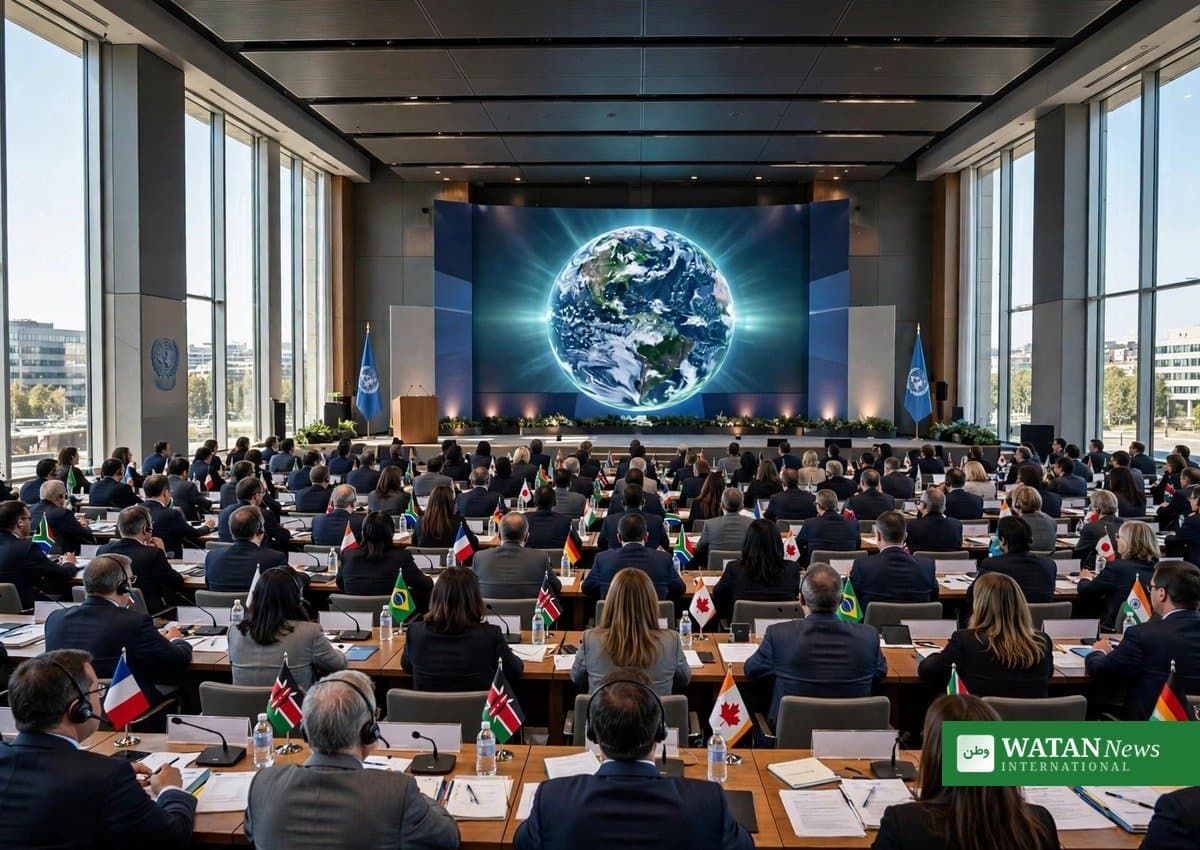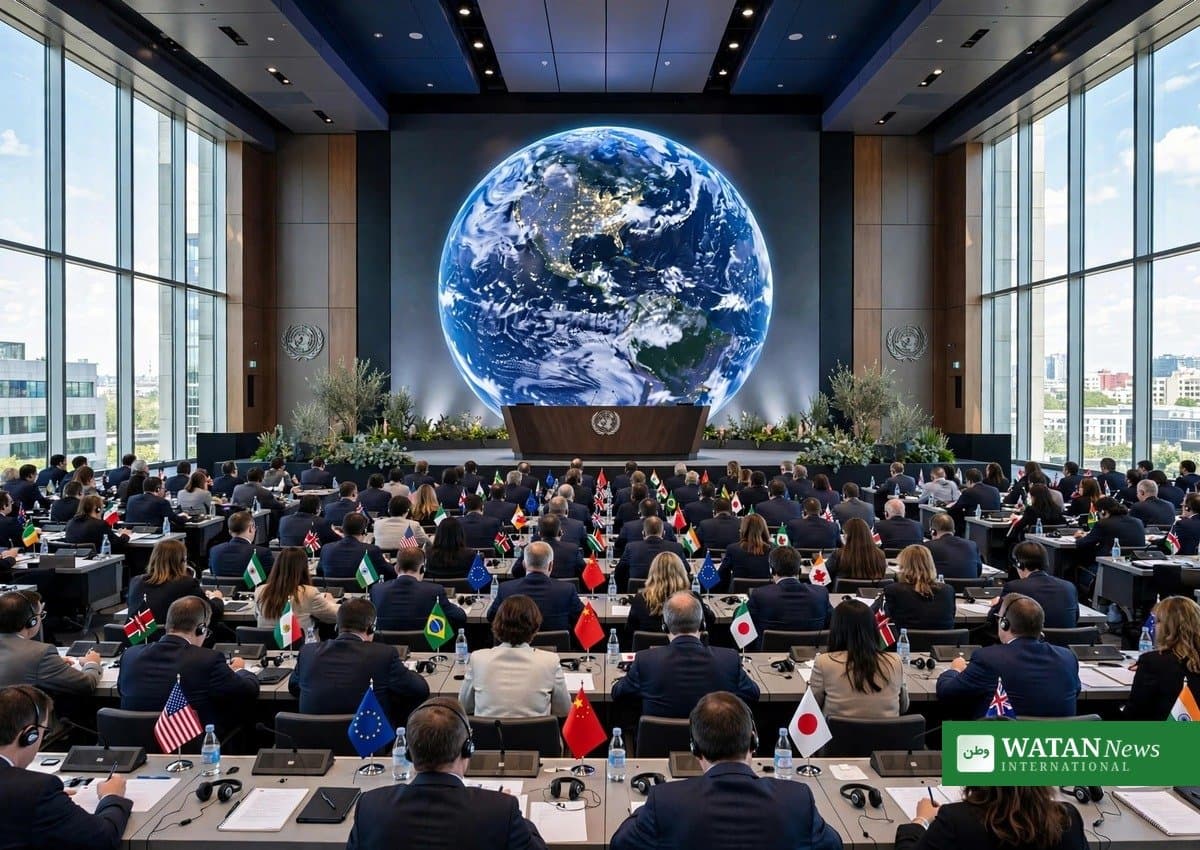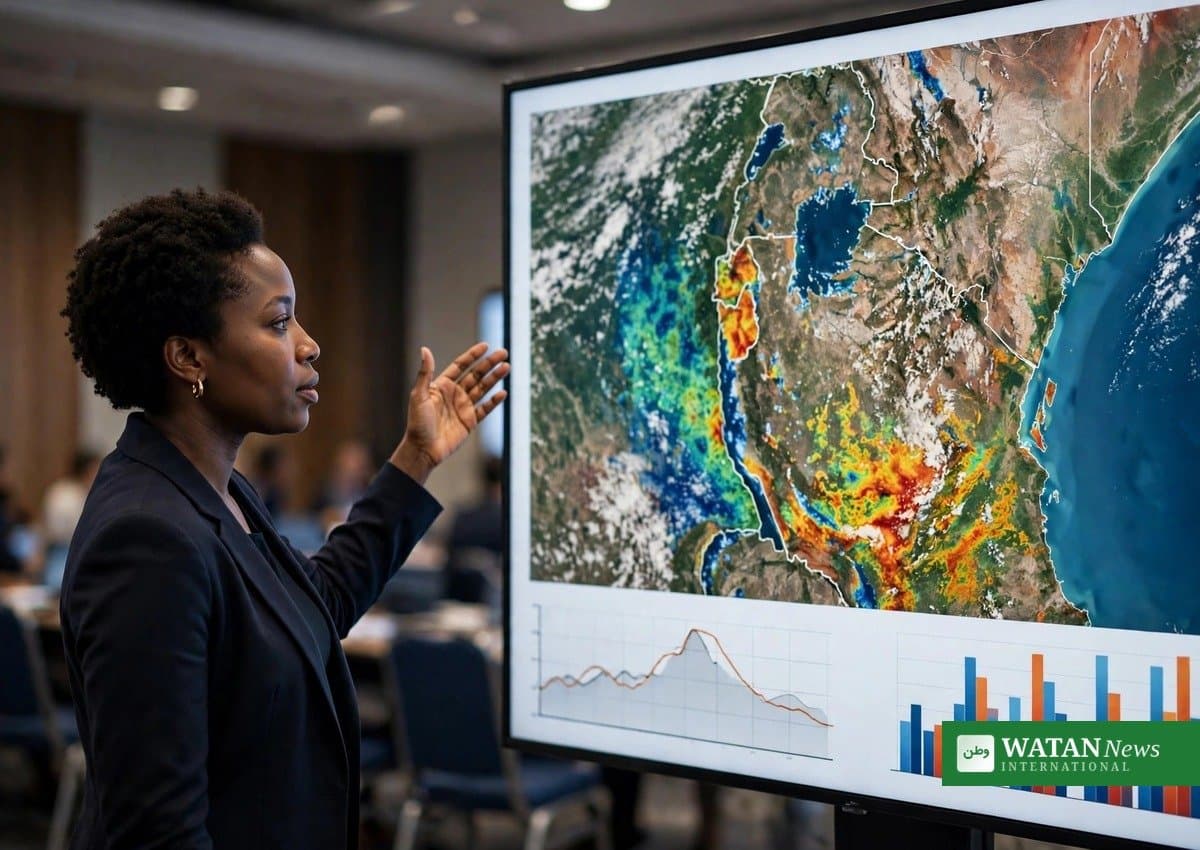
South Africa’s waste sector must stop being treated as a problem for government to manage and start being recognised as an engine of economic growth, enterprise creation and environmental sustainability. That was the central message from Deputy Minister of Forestry, Fisheries and the Environment Bernice Swarts at the 2026 Circular Economy Summit, which brought around 800 participants to the University of Limpopo’s Turfloop Campus in Polokwane from 14 to 16 October 2026. Addressing the summit on 15 October, Swarts announced a review of the country’s Extended Producer Responsibility (EPR) regulations, including a proposed requirement that Producer Responsibility Organisations invest 40% of the fees they collect into waste infrastructure.
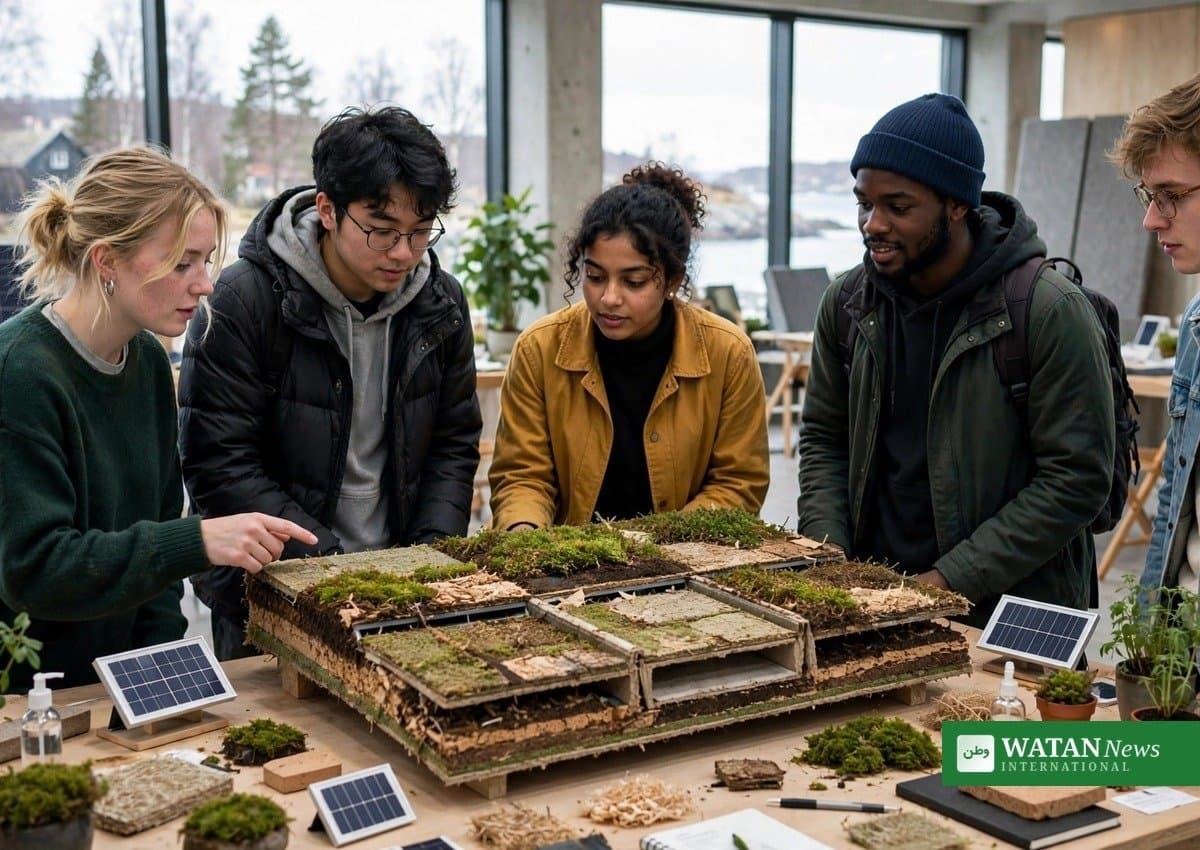
The summit, held under the theme “Empowering Tomorrow’s Leaders: Advancing the Circular Economy Through Entrepreneurship, Innovation, Research and Collaboration”, gathered students, academics, government representatives, municipalities, industry players, entrepreneurs, investors and civil society to turn waste-related challenges into business opportunities.
Circular economy summit: tougher rules for producers
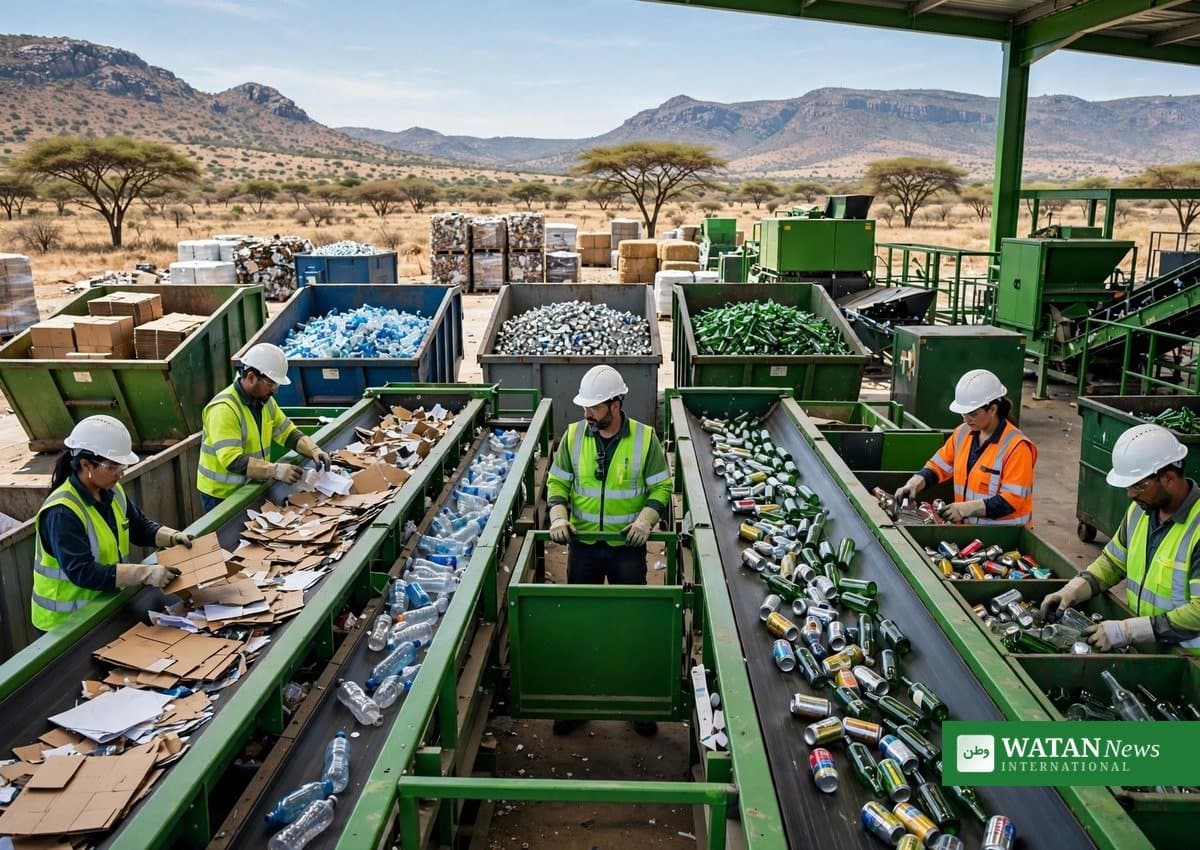
Swarts said the transition to a circular economy requires a fundamental shift in how products are designed, manufactured, consumed and managed at the end of their useful lives. The department is reviewing the EPR regulations to strengthen governance and accountability, with the proposed 40% infrastructure investment rule aimed at ensuring that producer fees build real waste-management capacity rather than disappearing into administration.
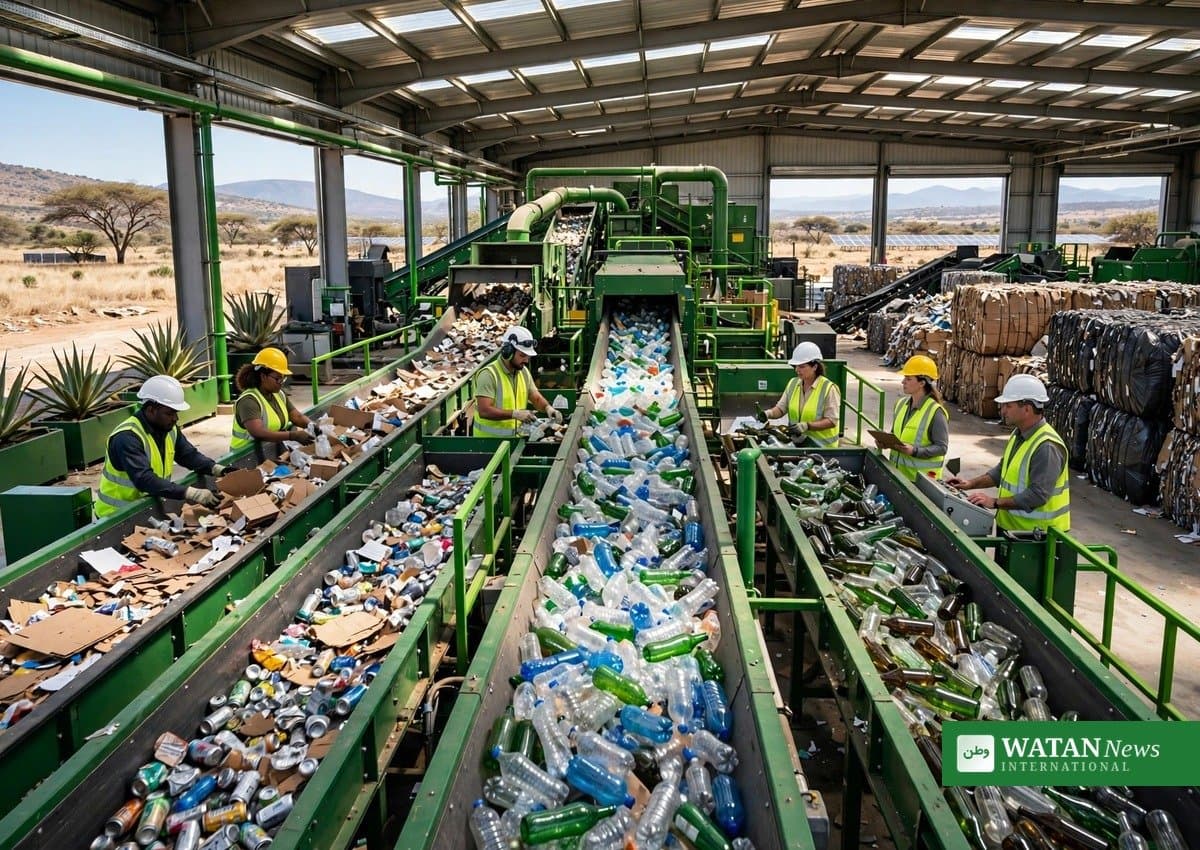
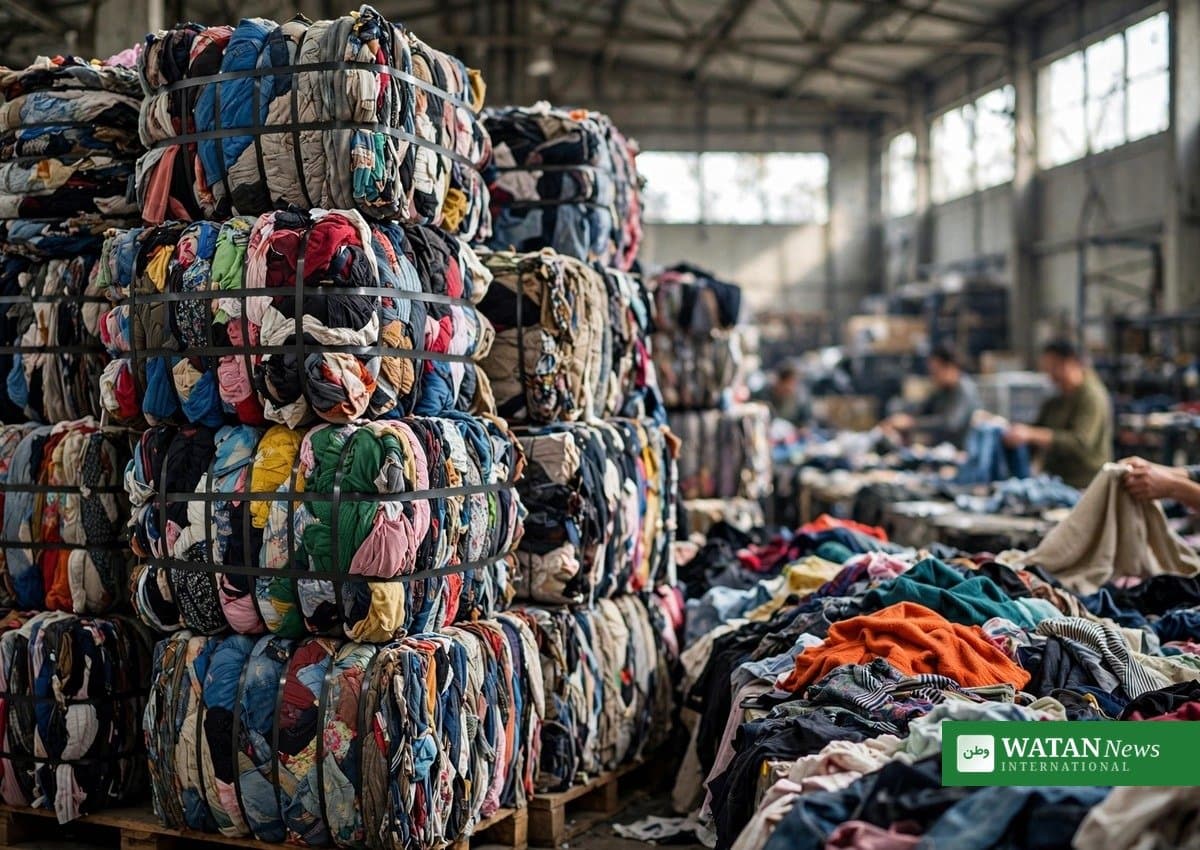
The scale of the challenge is stark: current estimates indicate that only around 10% of South Africa’s waste is diverted from landfill, while fewer than 20% of landfill sites are compliant. “Landfilling should be the last resort, not the default option,” Swarts said, adding that every material that can be recovered, reused or recycled represents a potential economic opportunity.
To cut red tape, the department is finalising listed activities for waste management to reduce licensing time, with a proposed authorisation turnaround of 90 days for the beneficial use of waste.
Fast Tech and the e-waste challenge
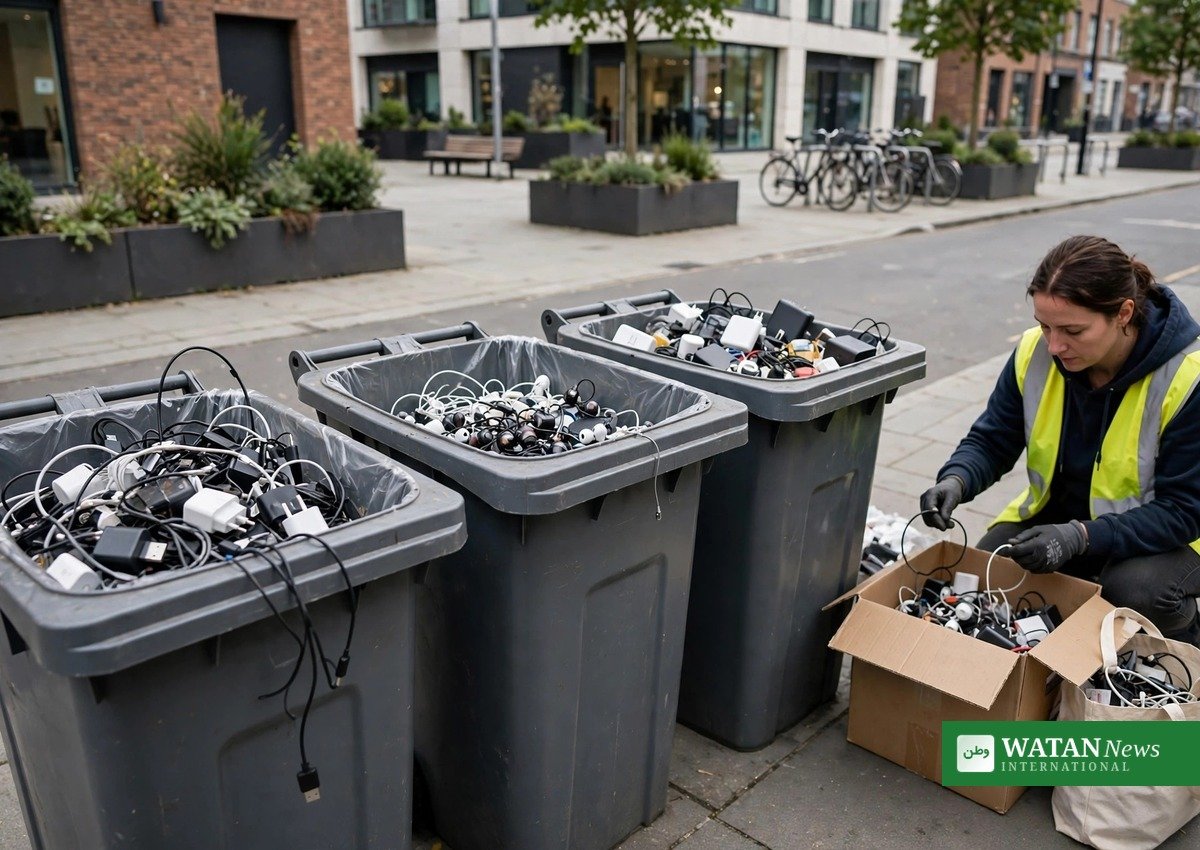
Swarts used the summit platform to mark International E-Waste Day, drawing attention to “Fast Tech” — low-cost electronic products such as earphones, charging cables and mini fans that are often discarded improperly. Unlike large household appliances, small devices are frequently overlooked: a broken pair of earphones may end up in a general waste bin, while an old charging cable sits forgotten in a drawer.
Yet these products may contain valuable recoverable materials, and some batteries and components can pose environmental and safety risks when handled or discarded incorrectly, she warned. Swarts called on consumers to recognise, return and demand compliance regarding small electronic devices.
Universities, women and the green economy
Turning to the students in attendance, Swarts emphasised the role of universities in driving innovation and entrepreneurship, urging young people to see environmental challenges as opportunities. She noted that 56 small and medium-sized enterprises have been supported through the department’s Recycling Enterprise Support Programme, with support valued at approximately R200 million — at least 12 of them women-owned, and 13 beneficiaries based in Limpopo.
Watan News earlier reported on the Zero Waste Foundation linking climate finance talks to COP31 action, as the zero-waste movement builds momentum ahead of the Antalya summit.
FAKTA: 2026 Circular Economy Summit
- Event: 2026 Circular Economy Summit, University of Limpopo’s Turfloop Campus, Polokwane, 14–16 October 2026
- Theme: “Empowering Tomorrow’s Leaders: Advancing the Circular Economy Through Entrepreneurship, Innovation, Research and Collaboration”
- Participants: around 800 — students, academics, government, municipalities, industry, investors, civil society, informal sector
- Key announcement: EPR regulation review — proposed 40% of producer fees to be invested in waste infrastructure
- The challenge: only ~10% of waste diverted from landfill; fewer than 20% of landfill sites compliant
- Enterprise support: 56 SMEs backed through the Recycling Enterprise Support Programme (~R200 million), at least 12 women-owned