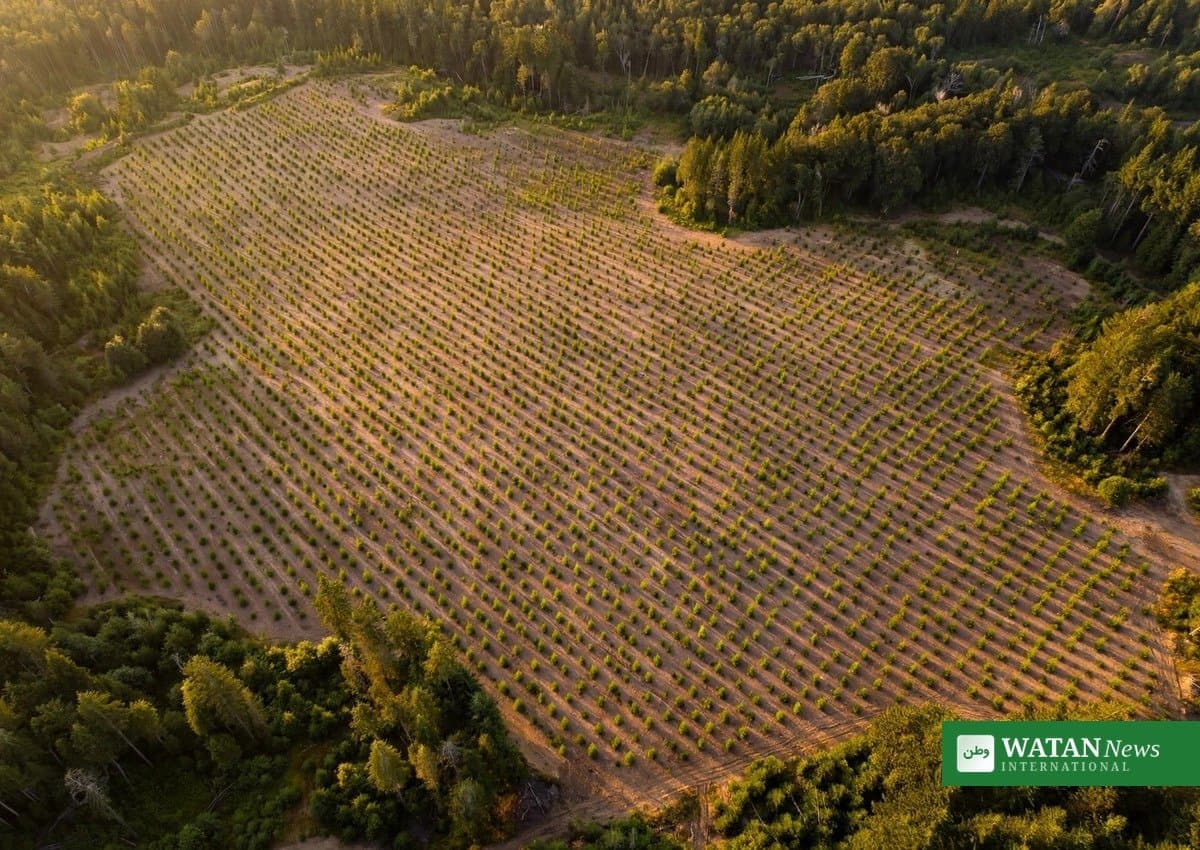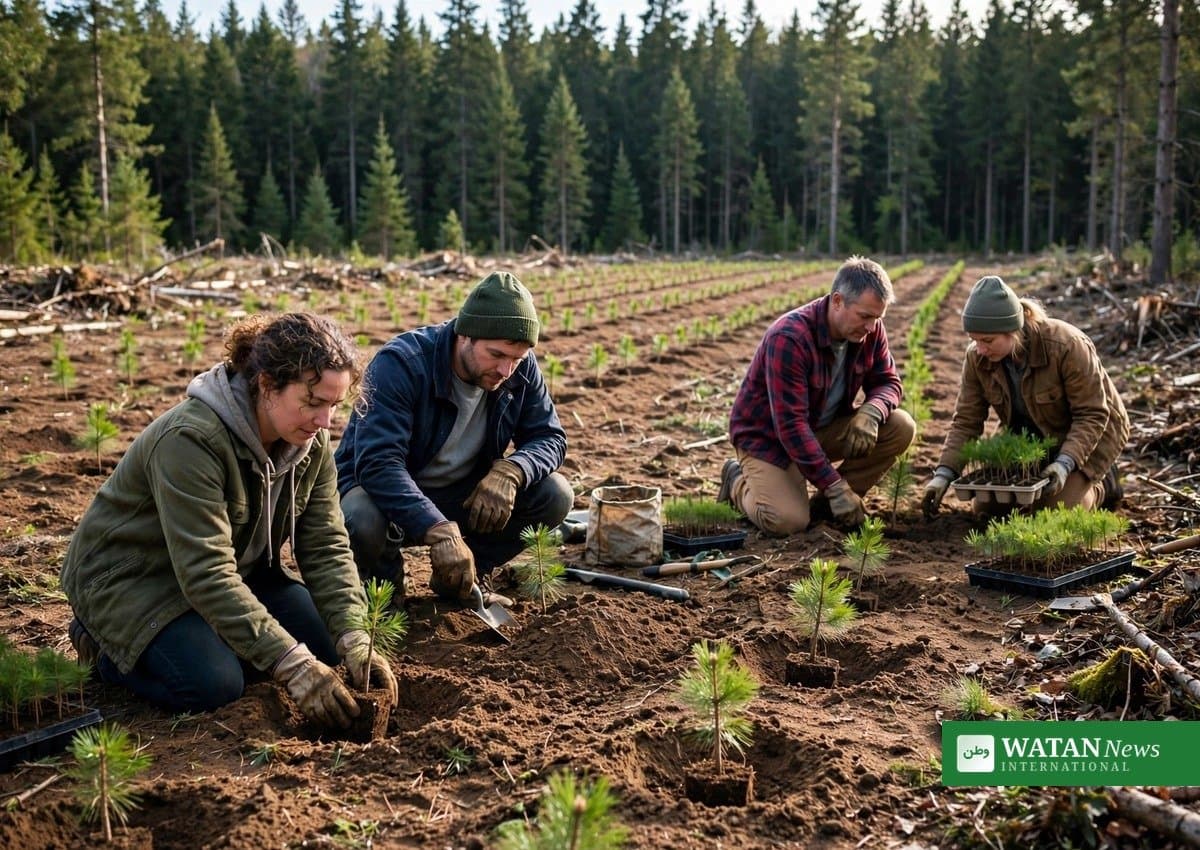
Wisconsin has planted its 50 millionth tree under the state’s Trillion Trees Pledge, the Wisconsin Department of Natural Resources (DNR) announced on October 12, 2026 — a milestone on the road to 100 million trees by 2030.
Key facts
- Wisconsin planted its 50 millionth tree under the state’s Trillion Trees Pledge (announced October 12, 2026).
- The pledge commits Wisconsin to planting 100 million trees by 2030. By the end of 2025, more than 54.7 million trees had been planted — nearly 55 percent of the goal.
- The pledge also commits the state to planting one million of those trees in urban areas and protecting at least 125,000 acres of forestland.
- Governor Tony Evers launched the pledge in 2021; the tree-planting target was raised from 75 million to 100 million trees in April 2024, according to the state’s 2025 annual report.
- The DNR’s Reforestation Program has opened seedling orders for the spring 2027 planting season.
Halfway to a hundred million
The milestone reflects five years of broad collaboration, the DNR says. Municipalities, schools, corporations, nonprofit organizations, agency partners, forest landowners and individual residents have all contributed to the count. According to the state’s 2025 annual report, released in April 2026, Wisconsin planted nearly 12 million trees and conserved more than 7,800 acres of forestland in 2025 alone — bringing the five-year total to over 54 million trees.
The pledge began on Earth Day 2021, when Governor Evers signed an executive order committing Wisconsin to 75 million new trees and 125,000 acres of conserved forest by 2030. On Earth Day 2024 he raised the tree goal to 100 million. The state’s pledge is part of the wider global Trillion Trees movement, which pushes nature-based solutions to shifting precipitation and temperature patterns.
Trees as a climate answer
The DNR calls tree seedlings a frontline tool against climate impacts. Seedlings grow into functioning forests that store carbon, filter water supplies, support wildlife and sustain the economies and communities that depend on them. Trees and forests are, in the department’s words, one of the best ways to mitigate climate impacts such as intense rain events and extreme heat.
Urban planting gets its own target: one million of the 100 million trees are meant for cities and towns, where expanded tree canopy helps counter extreme heat and heavy rainfall. A record of every planted tree can be added to the official Wisconsin Tree Planting Map.
How residents can take part
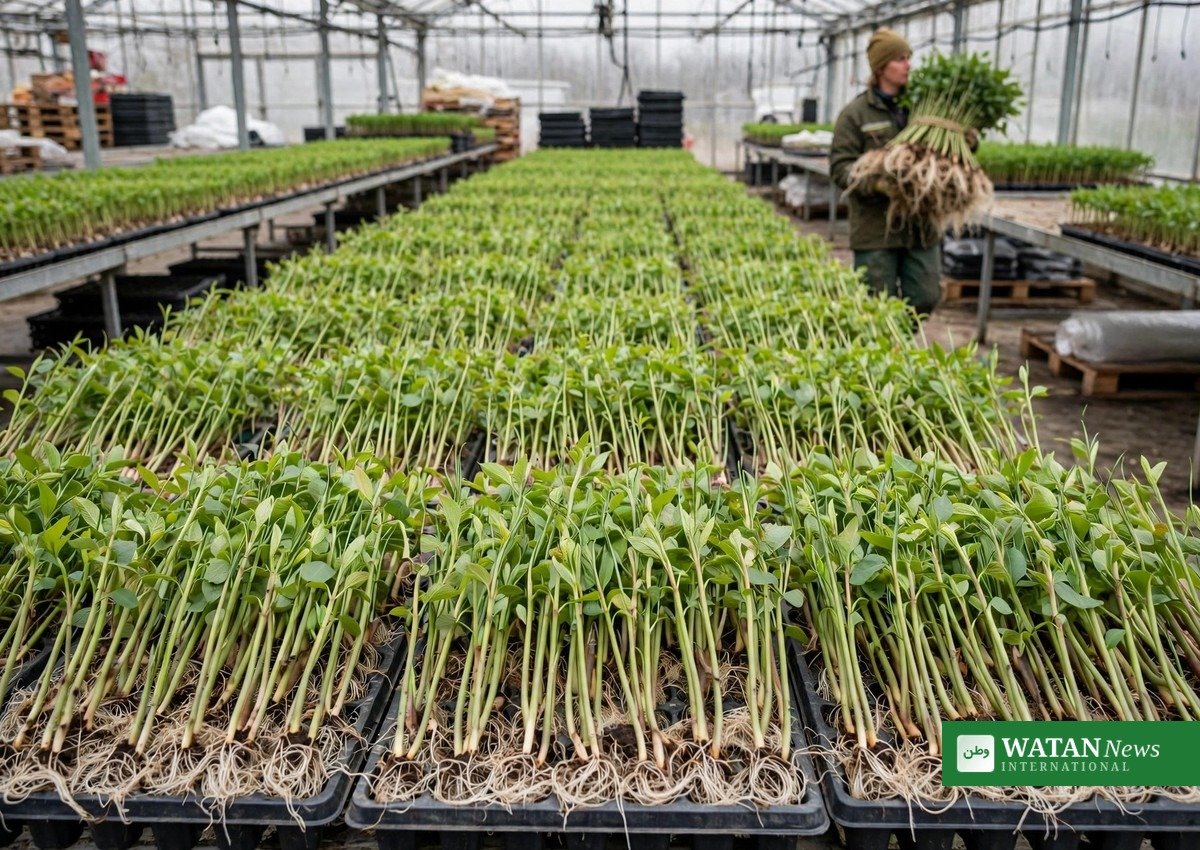
The DNR’s Reforestation Program has opened orders for spring 2027 seedlings, inviting landowners, schools and organizations to join the pledge’s next wave. Residents can also collect and sell tree seed to the state nurseries, care for trees in their own neighborhoods, support planting programs, and help teachers join the annual fourth-grade tree seedling giveaway — an Arbor Day tradition running since 1984.
More climate coverage is available on the Watan News climate desk.