This is an informative awareness article, not breaking news. Every year, the world discards hundreds of millions of tonnes of plastic and more than a billion tonnes of food. That waste does not simply disappear: making it, moving it and dumping it warms the planet. This explainer sets out the verified facts behind one of the most practical climate strategies available — wasting less — and traces how Türkiye’s Zero Waste movement is carrying that message toward COP31 in Antalya.
FAKTA
- The OECD’s Global Plastics Outlook projects plastic waste will almost triple by 2060 — from 353 million tonnes in 2019 to 1,014 million tonnes — while only 9% of plastic waste was recycled in 2019.
- The UNEP Food Waste Index Report 2024 estimates 1.05 billion tonnes of food were wasted in 2022, nearly one-fifth of all food available to consumers. Food loss and waste generate an estimated 8–10% of global greenhouse gas emissions.
- The United Nations marks 30 March as the International Day of Zero Waste.
- Türkiye’s Zero Waste movement, launched in 2017, is a central theme of the country’s preparations for COP31 in Antalya in November 2026.
The plastic footprint
Plastic is a climate problem long before it becomes waste. Producing it from fossil fuels, shaping it into products, and then burning or landfilling it releases greenhouse gases at every step. The OECD’s Global Plastics Outlook: Policy Scenarios to 2060 warns that without much stronger and globally coordinated action, plastic waste will rise from 353 million tonnes in 2019 to 1,014 million tonnes by 2060, while plastics consumption climbs from 460 to 1,231 million tonnes.
Recycling, on current trends, will not keep up. The OECD projects the recycled share rising only from 9% in 2019 to 17% in 2060, with about half of all plastic waste still going to landfill and roughly a fifth incinerated. Leakage into the environment is set to double to 44 million tonnes a year, with plastic building up in rivers, lakes and oceans. Almost two-thirds of that waste will come from short-lived items such as packaging, low-cost products and textiles.
“If we want a world that is free of plastic pollution, in line with the ambitions of the United Nations Environment Assembly, we will need to take much more stringent and globally coordinated action,” said OECD Secretary-General Mathias Cormann. A UN treaty to end plastic pollution has been under negotiation since 2022; after failed rounds in South Korea in 2024 and Geneva in 2025, the chair of the talks, Chile’s Julio Cordano, told AFP he expects a deal could be adopted at the next formal session, INC-5.4, with industry reporting placing that round on 13–24 March 2027.
The food waste we forget
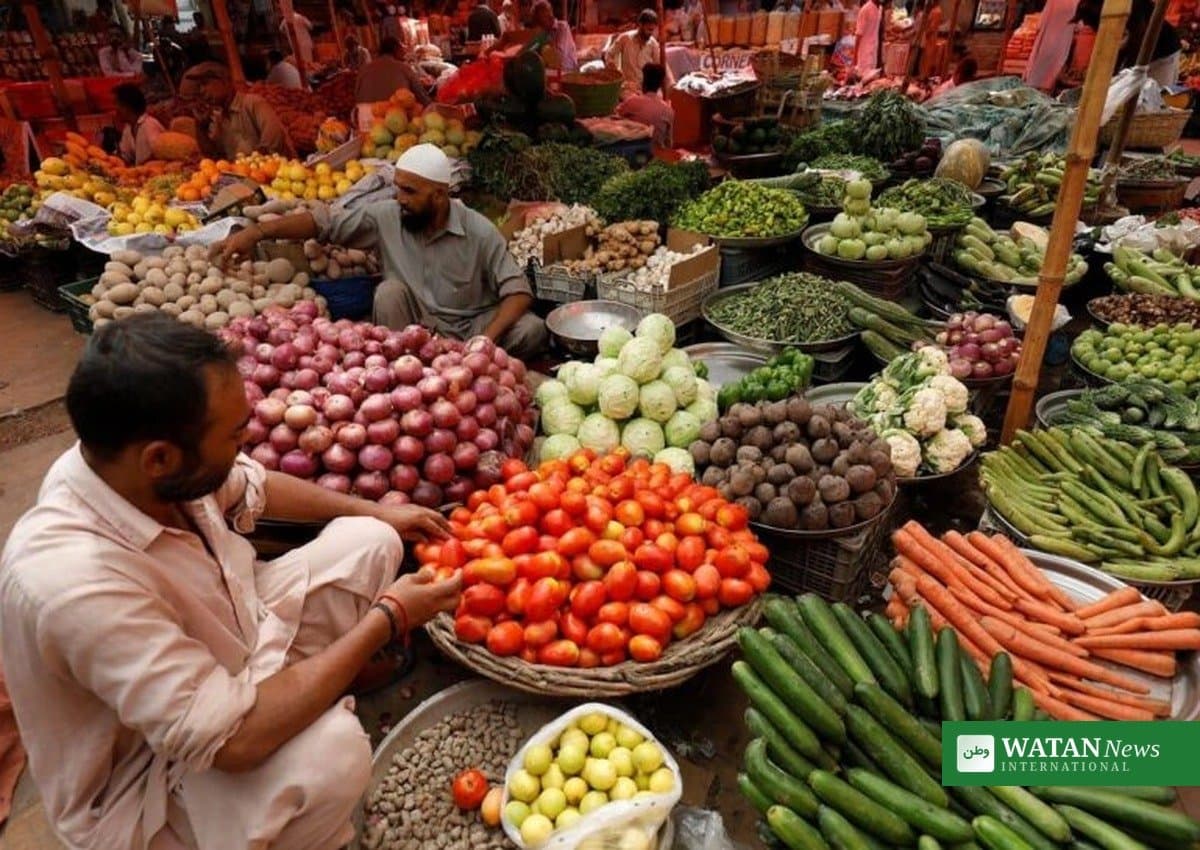
While plastic dominates the images, food waste dominates the emissions. Households across all continents wasted over 1 billion meals a day in 2022, according to the UNEP Food Waste Index Report 2024, co-authored with WRAP. In total, 1.05 billion tonnes of food waste — including inedible parts — were generated in 2022, amounting to 132 kilograms per person and nearly one-fifth of all food available to consumers.
Most of it — 60% — happens at household level, with food services responsible for 28% and retail for 12%. Rotting food in landfills releases methane, and the UNEP report’s findings put food loss and waste at an estimated 8–10% of global greenhouse gas emissions — almost five times the aviation sector — while using the equivalent of nearly 30% of the world’s agricultural land. “Food waste is a global tragedy. Millions will go hungry today as food is wasted across the world,” said UNEP Executive Director Inger Andersen.
The 2030 Agenda set a clear target: halve per-capita food waste by 2030 under Sustainable Development Goal 12.3. So far, the report notes, only a handful of G20 countries and the European Union have suitable estimates for monitoring progress.
Türkiye’s Zero Waste movement and the road to COP31
One of the world’s most visible zero-waste campaigns comes from Türkiye. Launched in 2017 under the patronage of First Lady Emine Erdoğan, the Zero Waste Project helped drive the UN General Assembly resolution — proposed by Türkiye — that established 30 March as the International Day of Zero Waste. Erdoğan also chairs the UN Secretary-General’s Advisory Board of Eminent Persons on Zero Waste.
The movement is now institutionally anchored in the Zero Waste Foundation (Sıfır Atık Vakfı), led by its president Samed Ağırbaş, who also serves as a COP31 champion. Its Zero Waste Forum 2026 in Istanbul brought together 247 speakers and produced the Road to Antalya Declaration, while the accompanying Zero Waste Festival drew more than one million visitors, according to the Foundation — a sign of how the agenda is being tied directly to COP31, which Türkiye will host in Antalya in November 2026.
What zero waste looks like in practice
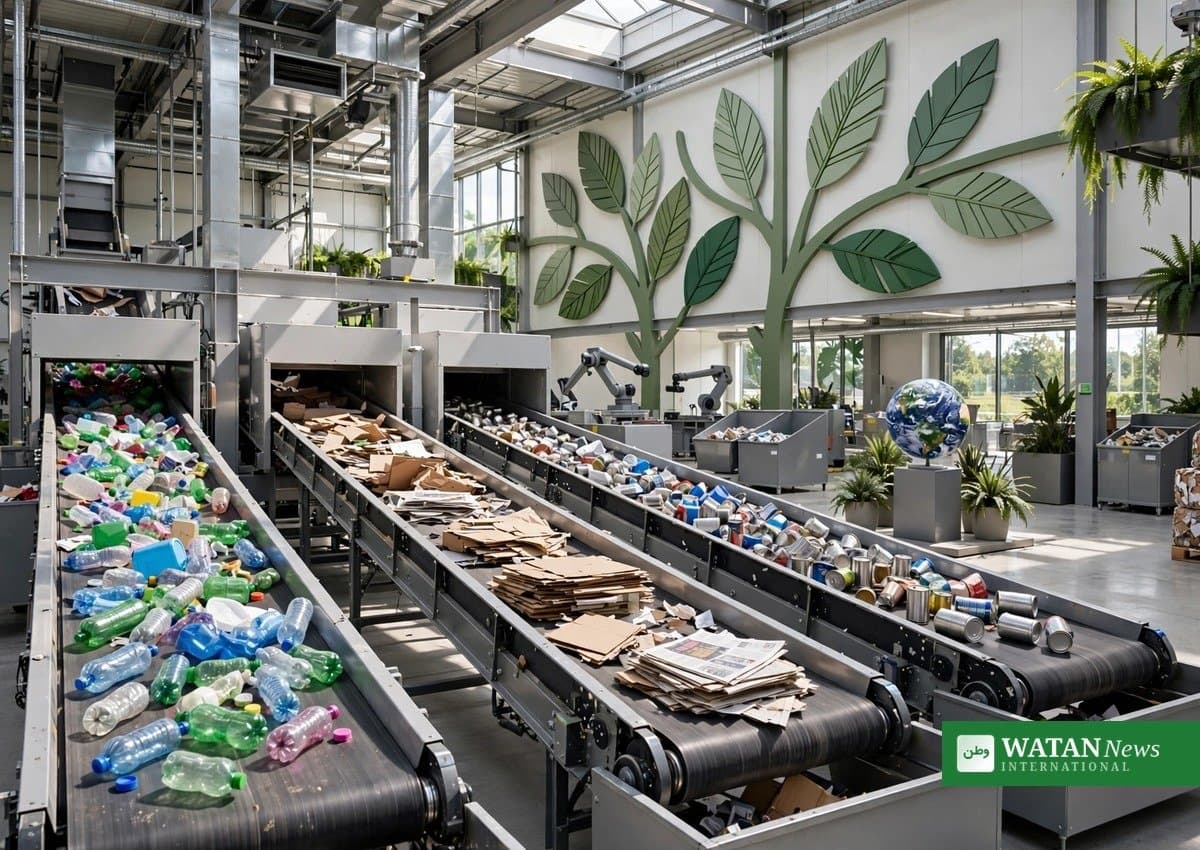
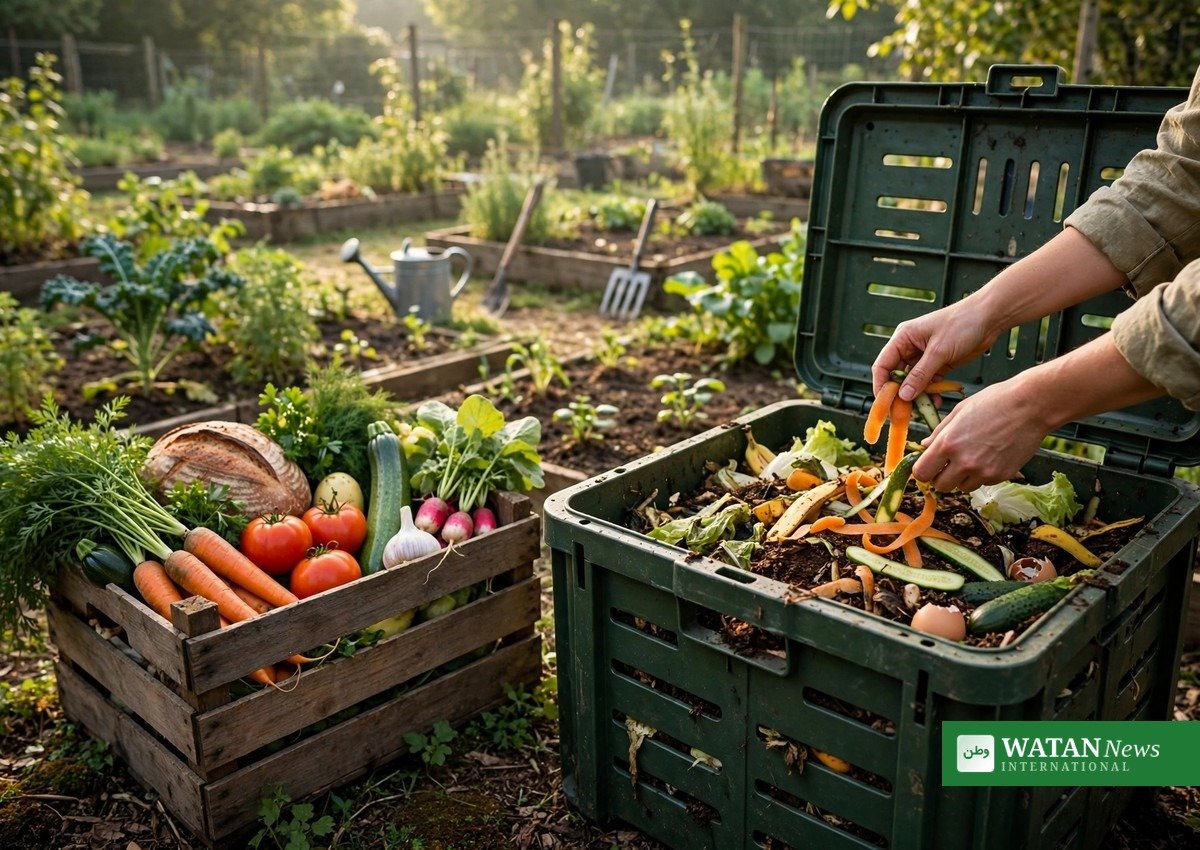
Zero waste is not a slogan but a hierarchy: first prevent waste, then reuse, then recycle, then recover. In practice that means composting food scraps instead of landfilling them, separating materials at source, deposit-return systems for bottles, repairable product design, and packaging that is designed to be recyclable from the start — rules the EU’s new packaging regulation is now phasing in.
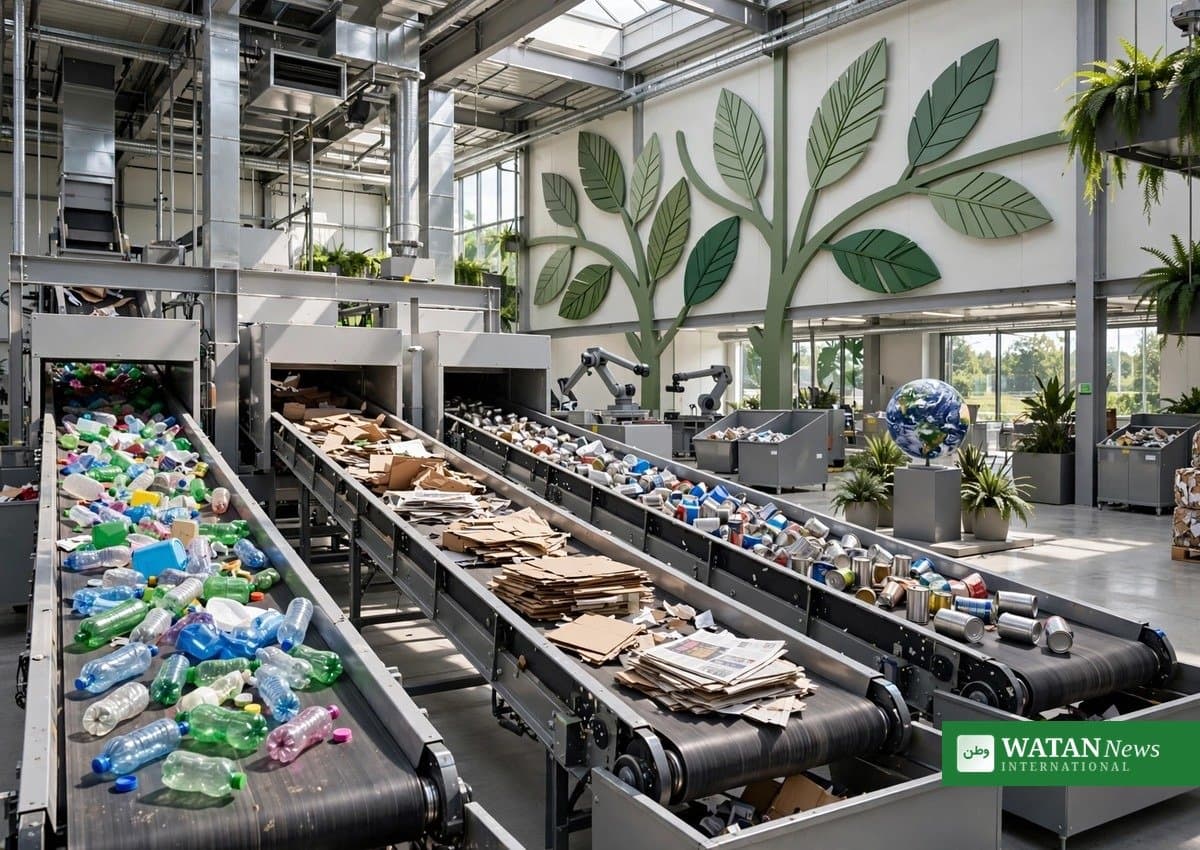
Cities carry much of the weight: separate collection, modern sorting plants and food-waste collection turn the hierarchy into tonnes diverted. Businesses, in turn, are being pushed — by regulation and by consumers — to cut single-use packaging and take responsibility for what they put on the market.
Conclusion
Waste policy is climate policy. The OECD’s and UNEP’s figures point to the same conclusion: the cheapest tonne of emissions is often the one never created — the plastic never produced, the meal never thrown away. Whether through the global plastics treaty, national zero-waste movements or a compost bin in the garden, wasting less is one of the few climate strategies that saves money, protects health and cuts emissions at the same time.
Read more climate coverage on Watan News: watannews.dk/en.