Sunday is “A Breath in Antalya” — COP31’s culture day. Negotiations pause in the Blue Zone, while the Green Zone stays open from 12:00 to 22:00 and its seven thematic hubs take the spotlight, with four sessions on each stage between 13:00 and 17:30. It is the right day to ask what a climate summit has to do with an ordinary home. At COP31 in Antalya, the answer is: almost everything. The food on the table, the energy in the house and the waste in the bin are all on the agenda. This is an awareness article — not breaking news — about what the Antalya talks mean for everyday sustainable living.
Key facts
- 1.05 billion tonnes of food was wasted worldwide in 2022 — 19% of the food available to consumers, according to the UNEP Food Waste Index 2024.
- Households account for 60% of that wasted food — 631 million tonnes, according to UNEP.
- Buildings are responsible for nearly 40% of energy-related carbon dioxide emissions and energy demand, according to UNEP’s Global Status Report on Buildings and Construction 2025–2026.
- The Antalya Compact aims to cut the operational energy intensity of the global building stock by 25% by 2035, against 2020 levels.
- COP31’s Global Rooftop Solar Declaration aims to double the number of homes with rooftop solar, from about 150 million today to 300 million by 2030.
Food: what we eat, and what we throw away
Food systems produce about a third of global greenhouse gas emissions, according to the Food and Agriculture Organization of the United Nations (FAO). Food loss and waste alone account for 8–10% of global emissions, according to UNEP — and most of the waste happens after food reaches homes and shops, not on farms.
COP31 has put that everyday problem at the centre of its agenda. The #One Billion Challenge, launched at COP31 on 10 November by the COP31 High-Level Climate Champion Samed Ağırbaş, calls on households, businesses and cities to halve food waste by 2030 — starting from the one billion meals wasted every day. A day later, on 14 November, UNEP, UNIDO and partners launched the Critical Middle Coalition in Antalya, to strengthen the part of the food chain most people never see: the storage, processing, packaging, transport and distribution that connects farms to consumers. Watan News reported on the coalition’s launch at COP31.
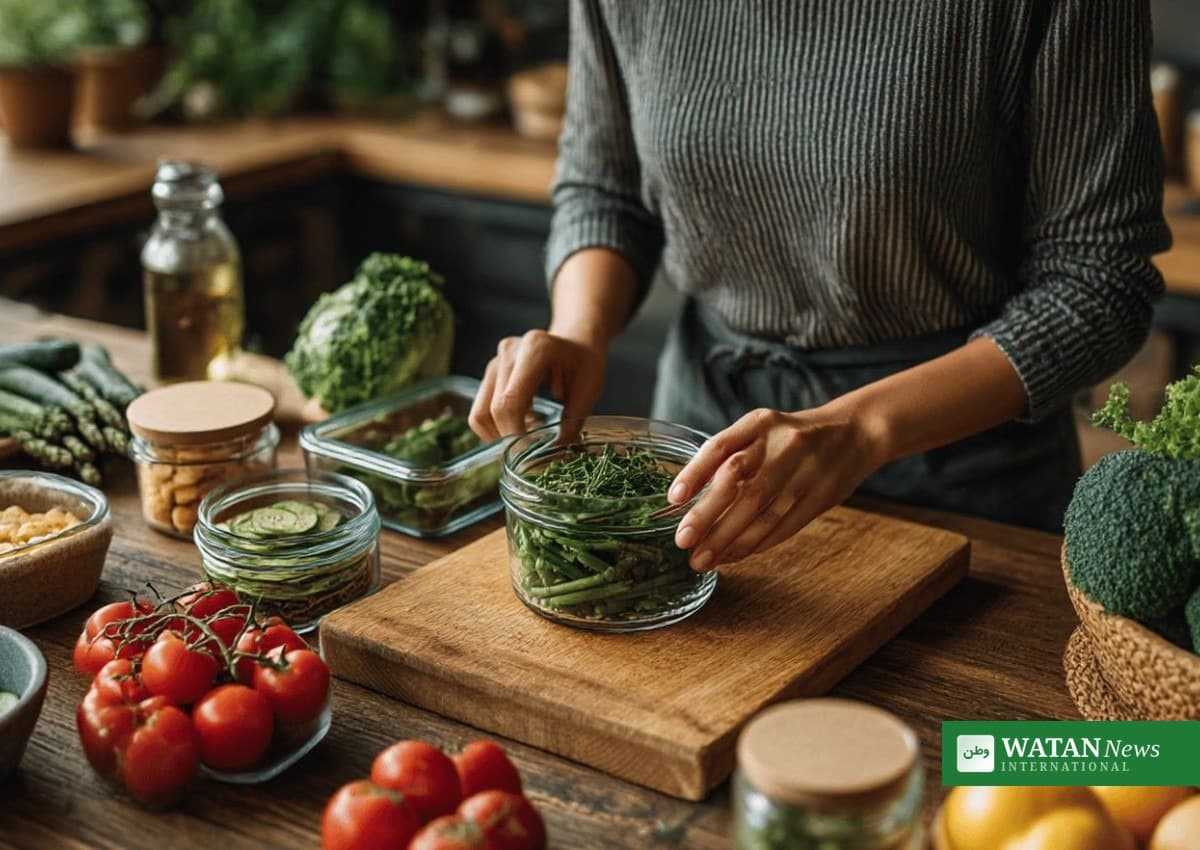
The lesson is on show in the Green Zone itself. In its Zero Waste Kitchen, five restaurants cook with ingredients that would otherwise be thrown away — vegetable peels, seeds and juice are turned into new dishes, and 23 products made from repurposed ingredients are offered to visitors, according to Türkiye’s DHA news agency. The message for every kitchen is simple: plan meals, store food properly and use leftovers, because the largest share of the world’s wasted food comes from households.
Homes: the buildings we live in
The second part of sustainable living is the home itself. Buildings use nearly 40% of the world’s energy and produce nearly 40% of energy-related carbon dioxide emissions, according to UNEP. That is why COP31 gave homes a central place in its programme.
The Antalya Compact for Energy Efficient Buildings, launched by the COP31 Presidency with the UNEP-hosted Global Alliance for Buildings and Construction, is a voluntary framework that aims to cut the energy intensity of the world’s buildings by 25% by 2035 and speed up efficient electrification, supporting the Presidency’s 35-by-35 target — raising electricity’s share of final energy use to 35% by 2035. Watan News reported on the Antalya Compact when it was launched.
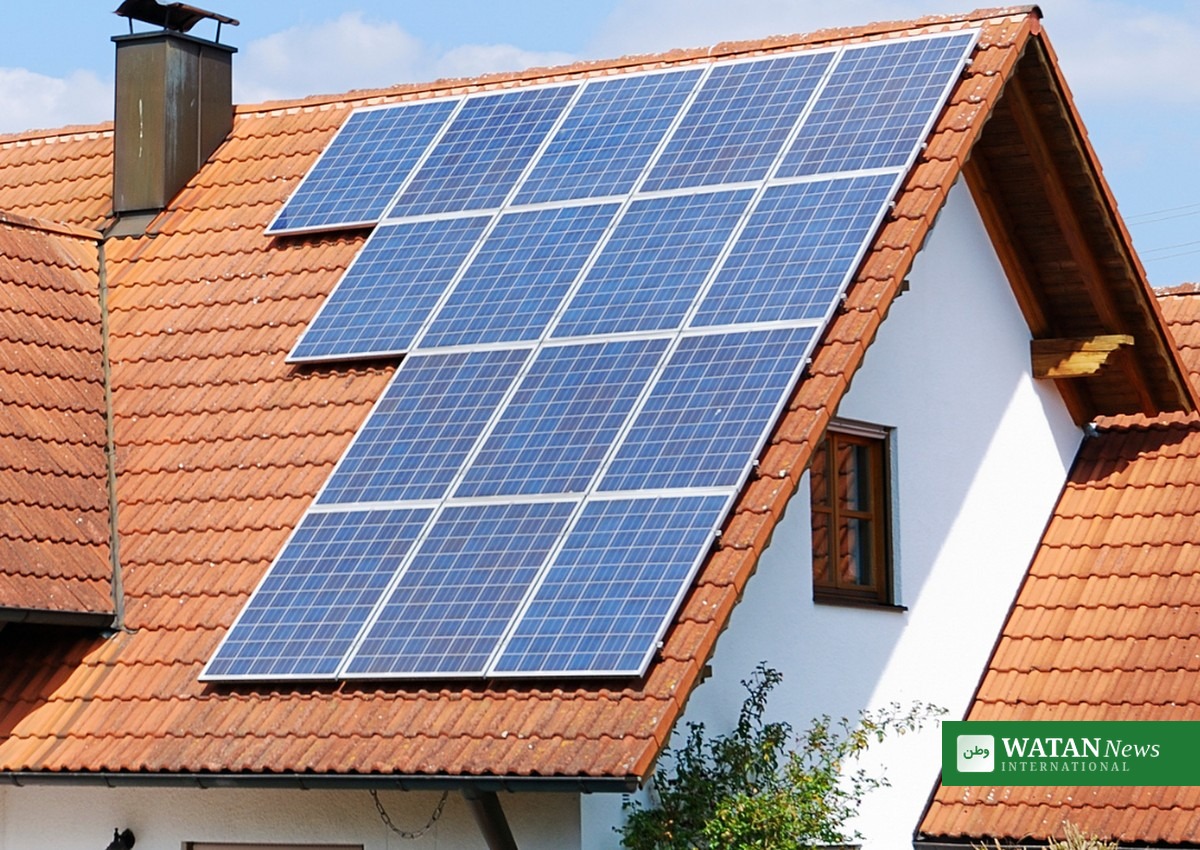
The Global Rooftop Solar Declaration, endorsed at COP31 by Australia, Bangladesh, Kenya, Nigeria and Vanuatu, sets a voluntary goal of doubling homes with rooftop solar from about 150 million today to at least 300 million by 2030. For households, the practical steps are familiar: better insulation, efficient heating and cooling, and rooftop solar where it is possible — changes that cut emissions and, over time, cut energy bills too.
Everyday habits: repair, reuse, less plastic
The third part is the smallest daily choices. Türkiye’s own record shows how far they can add up: the country’s recycling rate rose from 13% in 2017 to about 40% by the end of 2025, with 90 million tonnes of material recovered, according to the Associated Press. The COP31 Presidency has set two targets for 2035: halve the growth in waste generation and raise the use of circular materials to at least 15%, up from 6.9% today, according to the Circularity Gap Report 2025.
At the conference venue, those habits are built into the day: water refill stations, Türkiye’s deposit-return system for bottles and cans, and reusable pavilions. The COP31 site is organised in line with the ISO 20121 standard for sustainable events, combining low-emission transport, zero waste, and water and energy efficiency, according to the Turkish environment ministry’s announcement of 6 November. Repairing instead of replacing, refilling instead of buying new, and refusing single-use plastic are the same habits at home.
What visitors see in Antalya today
Today’s Green Zone programme shows sustainable living as culture, not only as policy. The Seven Regions, Seven Homes Zero Waste Kitchen and the Zero Waste Museum sit alongside the Anatolian Garden, which presents the region’s heritage of living in harmony with nature, and a turtle pavilion built from zero-waste materials. Through the “Seven Regions, Seven Cuisines” concept, visitors taste Anatolia’s food culture and its local, seasonal flavours. Watan News reported on the Green Zone’s reopening to the public.
COP31’s decisions are negotiated in the Blue Zone, but they are lived in kitchens and living rooms. The food we waste, the energy our homes use and the things we throw away are where the climate talks meet daily life — and where every household can already act.