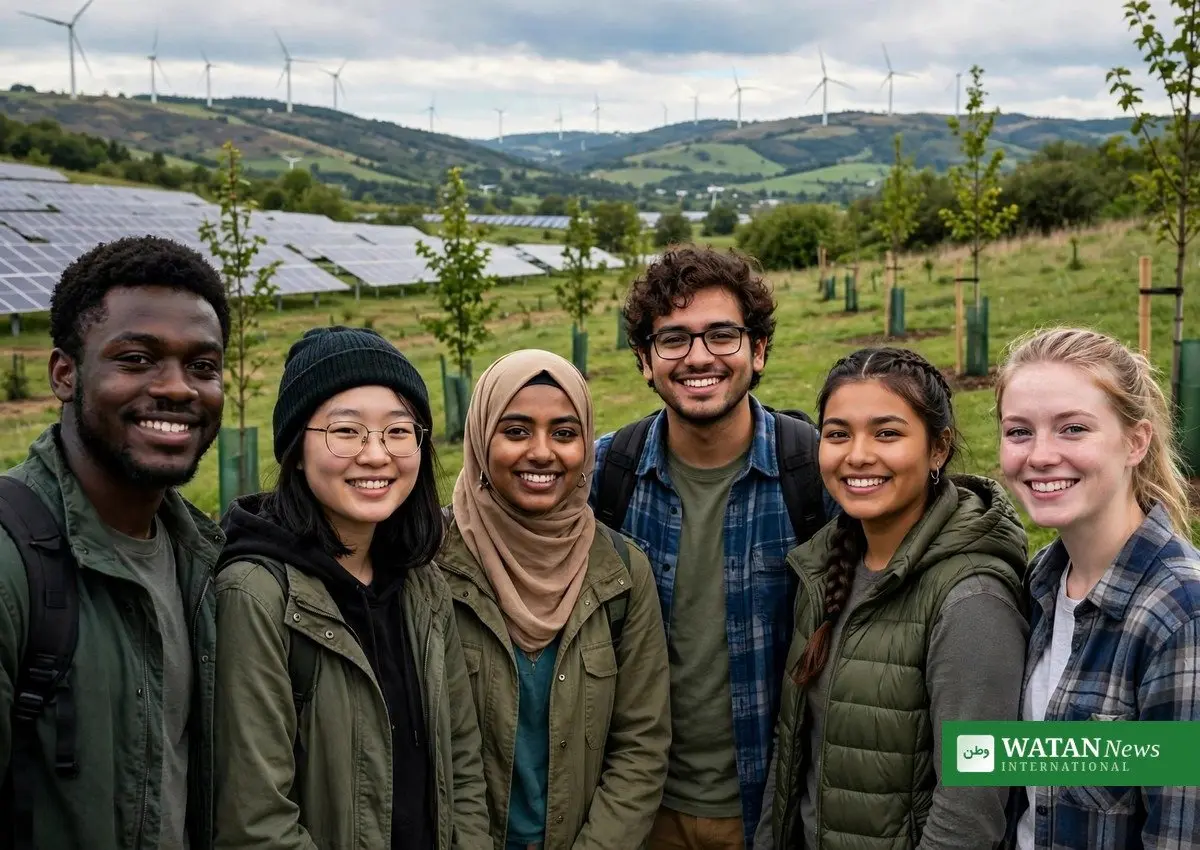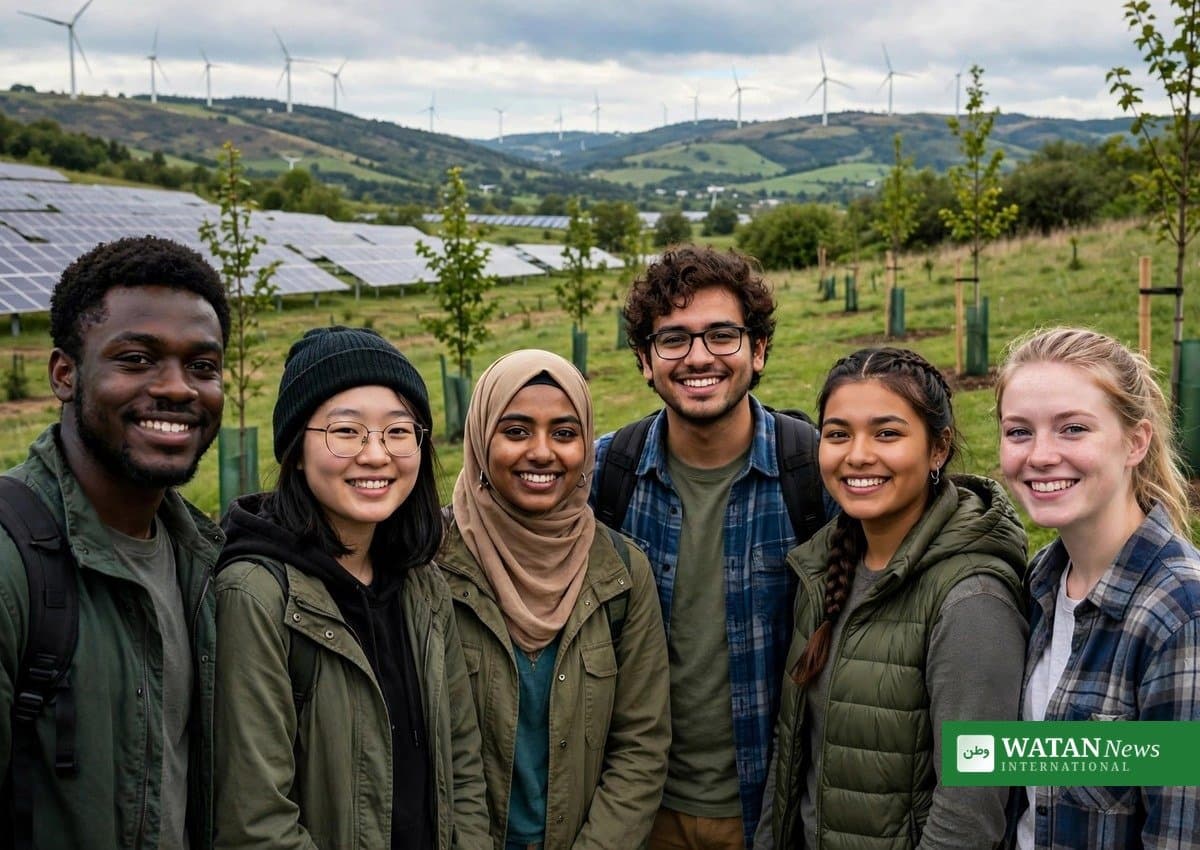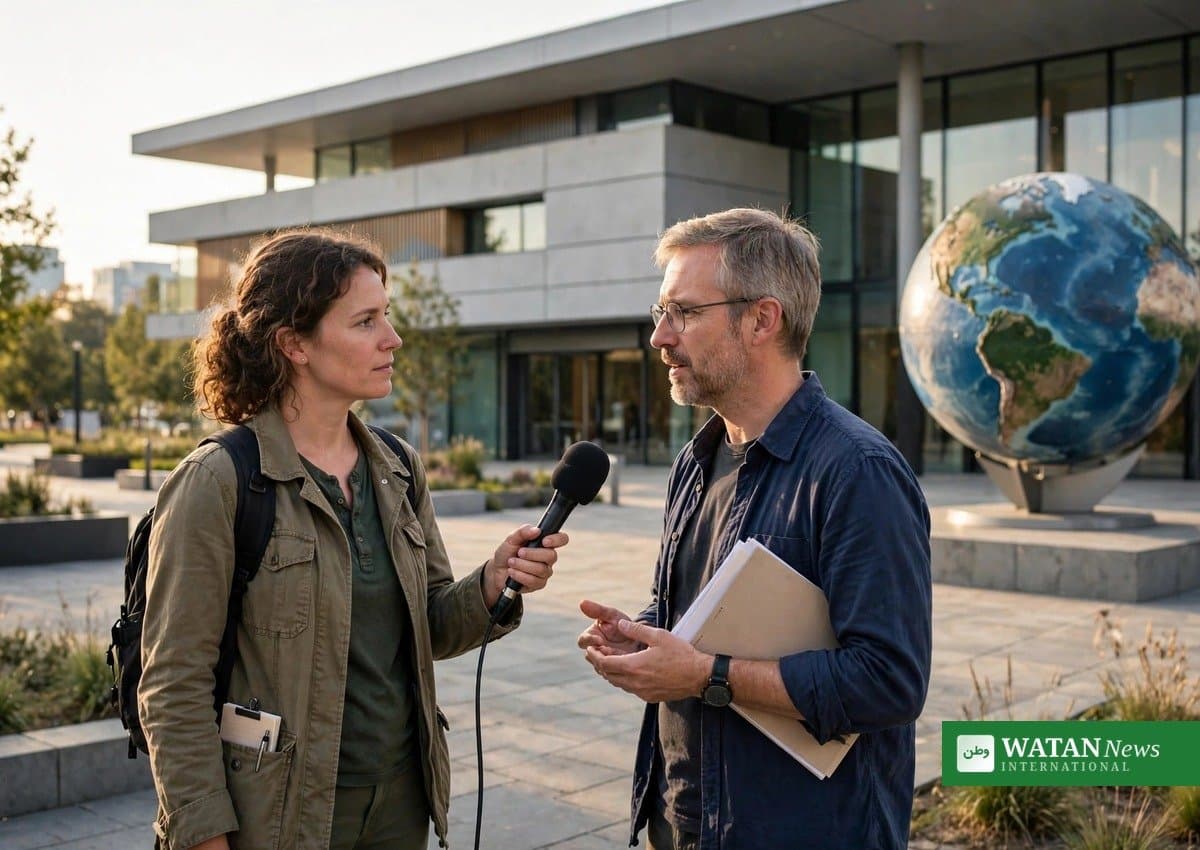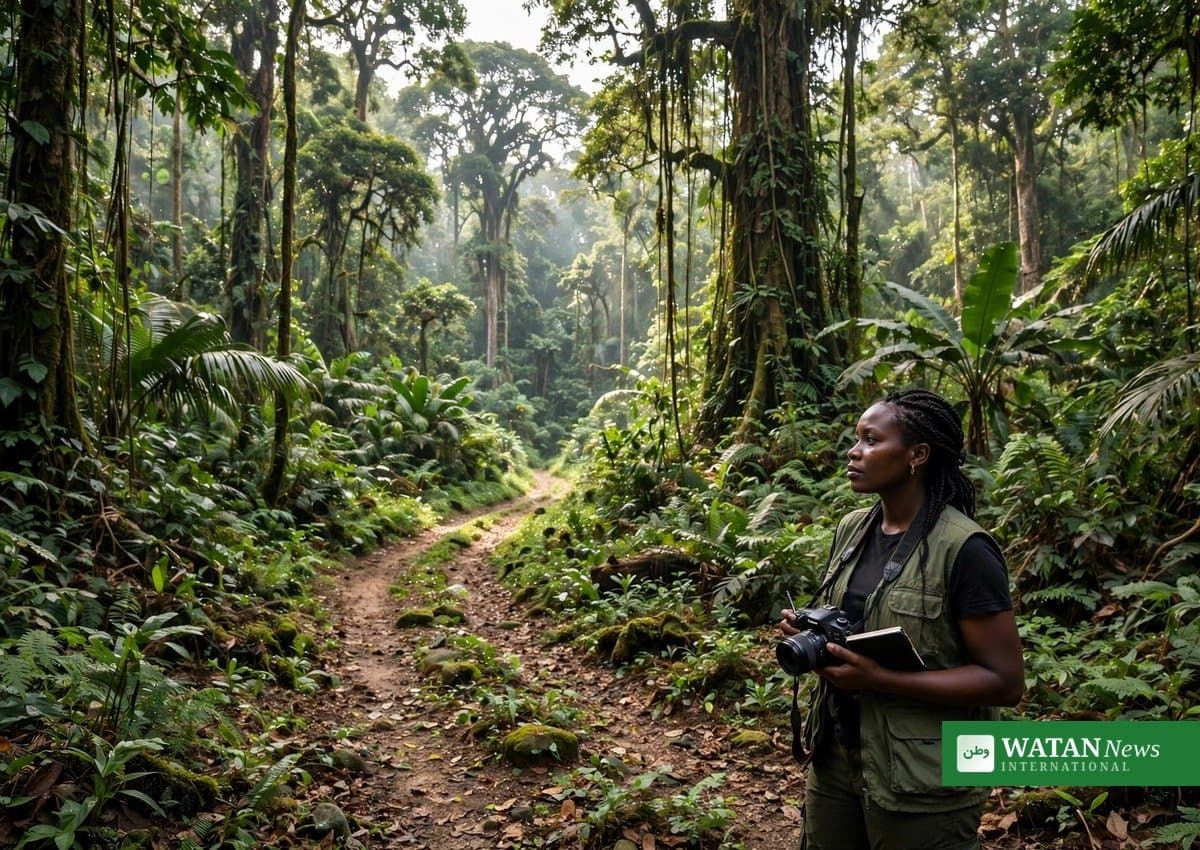
The Aspen Youth Ambassador Grant is offering young people in Aspen, Colorado, up to $1,500 in funding plus mentorship to design and carry out their own community climate projects. Run under the City of Aspen’s Commit to Tomorrow campaign, the programme turns young residents into local climate ambassadors: instead of only learning about climate change, they lead a real project in their own community.
Applications for the 2026–2027 cohort opened in September 2026 and close on 6 November 2026. Selected ambassador projects will be announced in December 2026, implemented between January and May 2027, and shown at a community showcase tentatively planned for April 2027, according to the City of Aspen’s programme page.
Aspen Youth Ambassador Grant: who can apply
The grant is open to young people aged 24 and under who live within Aspen’s urban growth boundary and/or attend Aspen Public School. Applicants must submit a sustainable project proposal for the community; the programme describes the winners as ambassador projects, chosen through a competitive application.
The programme’s stated goals are to foster understanding of local climate initiatives, to engage the community on climate issues through real-world projects, and to empower and amplify local climate leadership. It also aims to build leadership and project-management skills through hands-on climate innovation. The projects further the mission of the city’s Environmental Health and Sustainability Department: to protect and nurture an equitable, healthy and resilient community and environment through partnership, purposeful service and innovative action.
For young applicants who are still shaping an idea, the city offers application and project support: applicants can ask the programme team for help refining a project idea before they submit.
What projects can the grant fund
Projects must be sustainable community projects that advance the City of Aspen’s environmental goals. According to the programme’s guidance, selected projects should align with at least one category of the Aspen Sustainability Action Plan: Buildings, Waste, Transportation, Energy, Nature and Recreation, and Resilience.
Suggested project types in the guidance include retrofitting vehicles with solar power, organising eco-friendly community events, and promoting air-quality preparedness in the face of wildfire smoke. Funding can be used for project materials, travel and other approved expenses, including event space and outreach. The guidance places emphasis on clear, measurable outcomes, such as the number of people impacted, items reused, or emissions reduced.
The model matters beyond Aspen because it answers a familiar problem in climate work: young people are often invited to discuss climate change but rarely given funding, mentorship and a deadline to deliver something visible in their own town. A small grant tied to a local plan, with a public showcase at the end, gives youth-led ideas a route from proposal to practice — and gives the wider community a concrete example of climate action close to home.
Other ambassador programmes covered by Watan News include the African Climate Alliance Ambassador Programme 2027, a nine-month climate-justice leadership programme whose applications close on 1 November 2026.
Key facts
- The Aspen Youth Ambassador Grant offers funding of up to $1,500 per project, plus mentorship, under the City of Aspen’s Commit to Tomorrow campaign.
- Eligibility: young people aged 24 and under who live in Aspen’s urban growth boundary and/or attend Aspen Public School, with a sustainable community project proposal.
- 2026–2027 timeline: applications opened in September 2026 and close on 6 November 2026; selected projects announced in December 2026; implementation January–May 2027; showcase tentatively April 2027.
- Projects should align with the Aspen Sustainability Action Plan categories: Buildings, Waste, Transportation, Energy, Nature and Recreation, and Resilience.
- Funding can cover materials, travel, event space and outreach; the guidance emphasises measurable outcomes such as people impacted, items reused, or emissions reduced.
Conclusion
Aspen’s grant is small in money but specific in design: a local young person, a community project, mentorship, and a public showcase. If the 2026–2027 cohort delivers projects that neighbours can see and measure, the programme will have shown how a city can grow its own climate ambassadors — one funded idea at a time.