LIVE
BREAKING
Ten Police Officers Killed in Militant Ambush in Pakistan’s Kohat DistrictCOP31: Workers’ Just Transition Mechanism Takes Shape as Talks Show Early Progress in AntalyaZelenskyy Makes History as First Foreign Head of State to Address Denmark’s ParliamentUK Economy Grows 0.7% in Third Quarter as AI Demand Lifts OutputOxford Returns 39 Naga Ancestral Remains to India After More Than a CenturyHubSpot Co-Founder Brian Halligan Returns as CEO as Yamini Rangan Steps DownFLS Launches Accelerate ’31 Strategy With New 2029 Growth and Margin TargetsBest Seaside Escapes for Winter Sun: Beaches, Islands and Coastal Cities to Visit This WinterNvidia CEO Jensen Huang Resigns Amid Spy Scandal as Shares PlungeSouth Asian Climate Journalists Meet at COP31 and Demand Pledges Turn Into ActionOne Killed and Four Injured in Washington DC Gym ShootingCOP31 Launches Global Zero Waste Alliance to Bring Sustainable Living Into Daily LifeMeloni Urges Unity as Hoax Bomb Threats Disrupt Italian Schools AgainEight Killed in Brooklyn Building Collapse as Rescuers Search RubbleTrump Warns Mexico of Doubled Tariffs Unless Migrant Caravan Is StoppedManchester United Sack Michael Carrick as Pochettino Move NearsCOP31: New Clean Energy Deal Hub to Speed Up Solar Deals Across Asia-PacificIsraeli Strike Hits Nasser Hospital in Gaza, Killing at Least SixCOP31 Turns Pledges into Action: Türkiye’s $1.6bn AIIB Climate Deal and Green Industrialisation CompactKerry Tells COP31 the US Will Return as Fossil-Fuel Roadmap Takes Centre StageTen Police Officers Killed in Militant Ambush in Pakistan’s Kohat DistrictCOP31: Workers’ Just Transition Mechanism Takes Shape as Talks Show Early Progress in AntalyaZelenskyy Makes History as First Foreign Head of State to Address Denmark’s ParliamentUK Economy Grows 0.7% in Third Quarter as AI Demand Lifts OutputOxford Returns 39 Naga Ancestral Remains to India After More Than a CenturyHubSpot Co-Founder Brian Halligan Returns as CEO as Yamini Rangan Steps DownFLS Launches Accelerate ’31 Strategy With New 2029 Growth and Margin TargetsBest Seaside Escapes for Winter Sun: Beaches, Islands and Coastal Cities to Visit This WinterNvidia CEO Jensen Huang Resigns Amid Spy Scandal as Shares PlungeSouth Asian Climate Journalists Meet at COP31 and Demand Pledges Turn Into ActionOne Killed and Four Injured in Washington DC Gym ShootingCOP31 Launches Global Zero Waste Alliance to Bring Sustainable Living Into Daily LifeMeloni Urges Unity as Hoax Bomb Threats Disrupt Italian Schools AgainEight Killed in Brooklyn Building Collapse as Rescuers Search RubbleTrump Warns Mexico of Doubled Tariffs Unless Migrant Caravan Is StoppedManchester United Sack Michael Carrick as Pochettino Move NearsCOP31: New Clean Energy Deal Hub to Speed Up Solar Deals Across Asia-PacificIsraeli Strike Hits Nasser Hospital in Gaza, Killing at Least SixCOP31 Turns Pledges into Action: Türkiye’s $1.6bn AIIB Climate Deal and Green Industrialisation CompactKerry Tells COP31 the US Will Return as Fossil-Fuel Roadmap Takes Centre Stage
Society

Oxford Returns 39 Naga Ancestral Remains to India After More Than a Century

News Desk 2Published November 12, 2026
Oxford Returns 39 Naga Ancestral Remains to India After More Than a Century
Share this story

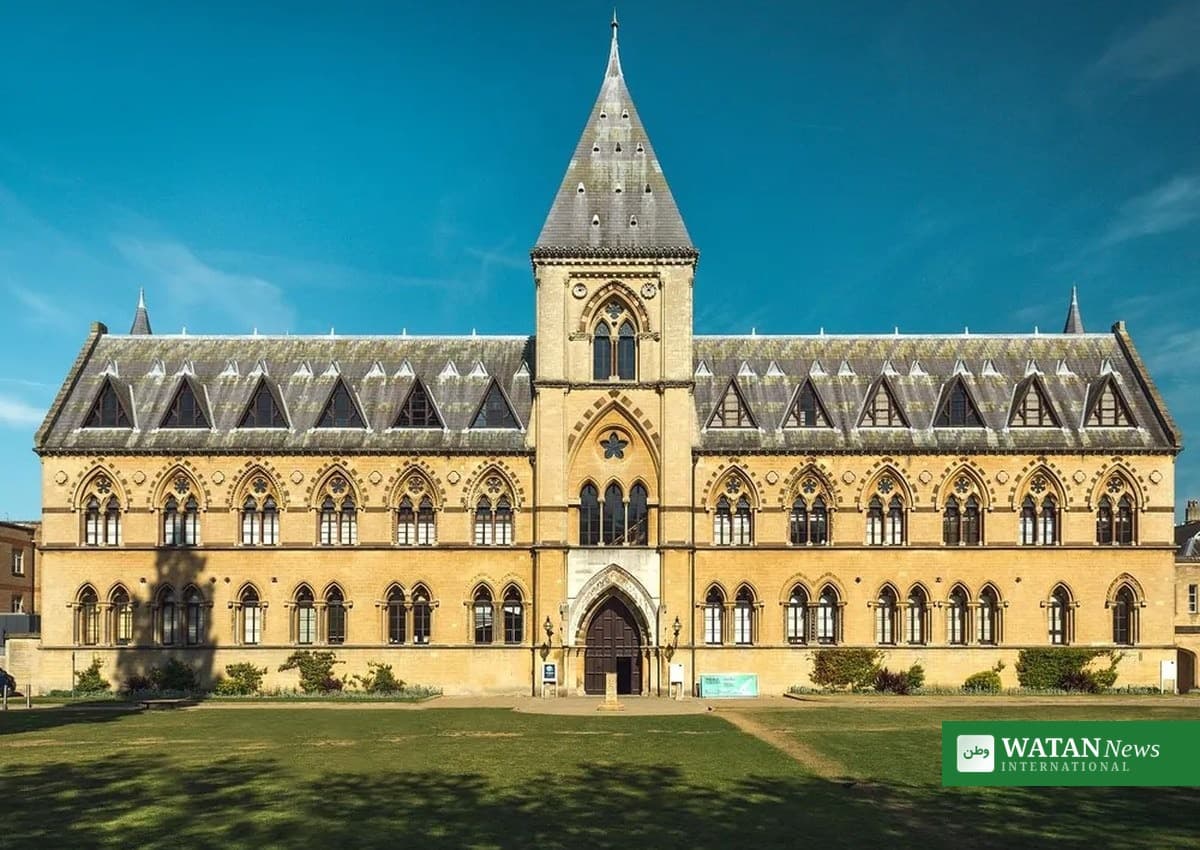
The University of Oxford has formally returned the Naga ancestral remains of 39 people to India, more than a century after they were taken during British colonial rule, in a handover ceremony at the Pitt Rivers Museum on Monday, 9 November.

A delegation of nearly 30 representatives from Nagaland travelled to Britain for the ceremony, where the remains, mostly skulls, were handed over to the Naga people. They will now be brought back to their homeland and laid to rest together beneath a shared memorial at Naga Solidarity Park in Kohima.

FAKTA

  • Oxford’s Pitt Rivers Museum handed over 39 Naga ancestral remains on 9 November 2026.
  • The remains, mainly skulls, were taken during British colonial rule between 1910 and 1940.
  • The University of Oxford Council approved the return on 13 July 2026.
  • Custodianship was transferred through the Forum for Naga Reconciliation and the Naga Tribe Hoho.
  • The remains will be laid to rest at a joint memorial at Naga Solidarity Park in Kohima, Nagaland.
  • The Pitt Rivers Museum holds more than 6,000 Naga cultural objects, the largest such collection in the world.

A Six-Year Journey Home

The return follows a six-year process led by the Forum for Naga Reconciliation (FNR) and its Recover, Restore and Decolonise initiative, working with Naga community organisations and tribal representatives who sought the return of their ancestors and greater recognition of how the remains entered colonial collections.

In February 2026, the University of Oxford received a formal claim seeking the return of 40 ancestral remains. After reviewing the claim, the Oxford University Council approved the return of 39 remains on 13 July 2026. One further set of remains was not returned because its Naga provenance could not be clearly established.

At the ceremony, a transfer of title was signed by the museum’s director, Professor Laura Van Broekhoven, and by Rev. Dr Wati Aier, representing the Forum for Naga Reconciliation. The museum’s director described the handover as a moment of deep significance for the Naga people.

Kohima city in the green hills of Nagaland, Oxford returns Naga remains

Kohima, the capital of Nagaland, where the 39 ancestral remains will be laid to rest at a shared memorial in Naga Solidarity Park.

How the Naga Ancestral Remains Reached Oxford

The remains were brought to Oxford between about 1910 and 1940, mainly through two British colonial administrators who were also anthropologists, John Henry Hutton and James Philip Mills. The Pitt Rivers Museum holds the world’s largest collection of Naga material, with more than 6,000 objects acquired largely during British colonial rule in India and Burma, now Myanmar.

The museum’s own account acknowledges that objects gathered during that period were often confiscated during punitive military expeditions rather than freely given. Its records list 219 items as Naga human remains: the 39 ancestral remains now returned, and 178 objects containing or potentially containing human hair.

The museum removed all human remains from public display in 2020 and still holds around 2,700 human remains in storage.

The Journey to Kohima

After the handover, the remains began their journey back to Nagaland, travelling through Delhi and Dimapur before reaching Kohima. Representatives of the Forum for Naga Reconciliation and the tribal organisations have asked the state government and the central government to speed up the formalities so the remains arrive in time for burial. Reports said the remains would be kept at Naga Solidarity Park for about two to three days of public viewing before burial.

Conclusion

For the Naga people, the return closes a chapter that began more than a century ago, when their ancestors were taken from their homeland to a museum thousands of miles away. The joint memorial at Kohima will give them a shared resting place at home, and the handover adds to a wider reckoning by museums around the world with the colonial history of their collections.

Related Articles

Frequently Asked Questions

Related Stories

Planet & environment

Climate & Sustainability

News, stories and solutions driving change towards a greener and more sustainable planet for future generations.

COP31: Workers’ Just Transition Mechanism Takes Shape as Talks Show Early Progress in Antalya
Featured story

COP31: Workers’ Just Transition Mechanism Takes Shape as Talks Show Early Progress in Antalya

Negotiators at COP31 in Antalya have begun shaping the Belém-Antalya Mechanism, with early convergence on a two-tier structure and finance as the key dispute.

Read full story

GREEN JOURNALISM

Every Action Counts

Small steps today, big impact tomorrow.

Explore more stories