LIVE
BREAKING
Pakistan Calls for Community-Led Swarm Electrification at COP31Green Ambassadors: The Volunteers Turning Climate Concern Into Community ActionTanker Hit by Unknown Projectile Near Khasab as Hormuz Tensions RiseSaudi Arabia Intercepts Three Houthi Missiles Targeting RiyadhCOP31 Youth Champion: Food Systems ‘Really Exposed’ as Fossil-Fuel Inputs Leave Farms VulnerableUN States Agree to Pursue Killer Robot Rules by 2028 After Marathon Geneva TalksDaraxonrasib Combination Shrinks Tumours in Most Pancreatic Cancer PatientsFBI Investigating Suspected Hack of National Crime DatabasePeoples’ Climate Summit Ends With Final Declaration as COP31 Talks StallPowerful 6.8 Earthquake Shakes Central Peru, Sends Lima Residents Into the StreetsDenmark Expels Russian Defence Attaché Over Alleged Plot to Kill Rapper KyivstonerClimate Change Is the Least-Taught Subject in the World’s Classrooms, UNESCO Measure FindsUS Stocks Plunge as S&P 500 and Dow Enter Correction TerritoryColombian Teen Francisco Vera Wins 2026 International Children’s Peace Prize for Climate JusticePATA Shows Coastal Destinations How to Grow Tourism Without Losing NatureTrump Threatens ‘Tremendous Tax’ on US Firms Building Data Centres AbroadGreat Lakes Region Passes 57 Million Trees Planted on the Road to 250 Million by 2033Don’t Waste the Games: Campaign Launches to Make LA28 the First Single-Use Plastic-Free OlympicsCOP31 Suspended Into Saturday as Fossil-Fuel-Free Draft Faces a Third RewriteHouthis Threaten Saudi Red Sea Ports as Coalition Strikes HodeidahPakistan Calls for Community-Led Swarm Electrification at COP31Green Ambassadors: The Volunteers Turning Climate Concern Into Community ActionTanker Hit by Unknown Projectile Near Khasab as Hormuz Tensions RiseSaudi Arabia Intercepts Three Houthi Missiles Targeting RiyadhCOP31 Youth Champion: Food Systems ‘Really Exposed’ as Fossil-Fuel Inputs Leave Farms VulnerableUN States Agree to Pursue Killer Robot Rules by 2028 After Marathon Geneva TalksDaraxonrasib Combination Shrinks Tumours in Most Pancreatic Cancer PatientsFBI Investigating Suspected Hack of National Crime DatabasePeoples’ Climate Summit Ends With Final Declaration as COP31 Talks StallPowerful 6.8 Earthquake Shakes Central Peru, Sends Lima Residents Into the StreetsDenmark Expels Russian Defence Attaché Over Alleged Plot to Kill Rapper KyivstonerClimate Change Is the Least-Taught Subject in the World’s Classrooms, UNESCO Measure FindsUS Stocks Plunge as S&P 500 and Dow Enter Correction TerritoryColombian Teen Francisco Vera Wins 2026 International Children’s Peace Prize for Climate JusticePATA Shows Coastal Destinations How to Grow Tourism Without Losing NatureTrump Threatens ‘Tremendous Tax’ on US Firms Building Data Centres AbroadGreat Lakes Region Passes 57 Million Trees Planted on the Road to 250 Million by 2033Don’t Waste the Games: Campaign Launches to Make LA28 the First Single-Use Plastic-Free OlympicsCOP31 Suspended Into Saturday as Fossil-Fuel-Free Draft Faces a Third RewriteHouthis Threaten Saudi Red Sea Ports as Coalition Strikes Hodeidah
Climate

BASF Kids’ Lab Brings Hands-On Climate Lessons to 1,150 Hyderabad Schoolchildren

News Desk 2Published October 31, 2026
BASF Kids’ Lab Brings Hands-On Climate Lessons to 1,150 Hyderabad Schoolchildren
Share this story

Hyderabad, India — More than a thousand schoolchildren from municipal schools in Hyderabad are learning about climate action by doing it themselves: purifying water, running simple chemistry experiments and discovering how small everyday actions can help protect the planet.

The BASF Kids’ Lab, held from 26 to 31 October 2026 in collaboration with the CSIR-Indian Institute of Chemical Technology (CSIR-IICT) in Hyderabad, is expected to engage 1,150 schoolchildren aged 8 to 12. The programme pairs hands-on chemistry with lessons in sustainability, environmental protection and climate action.
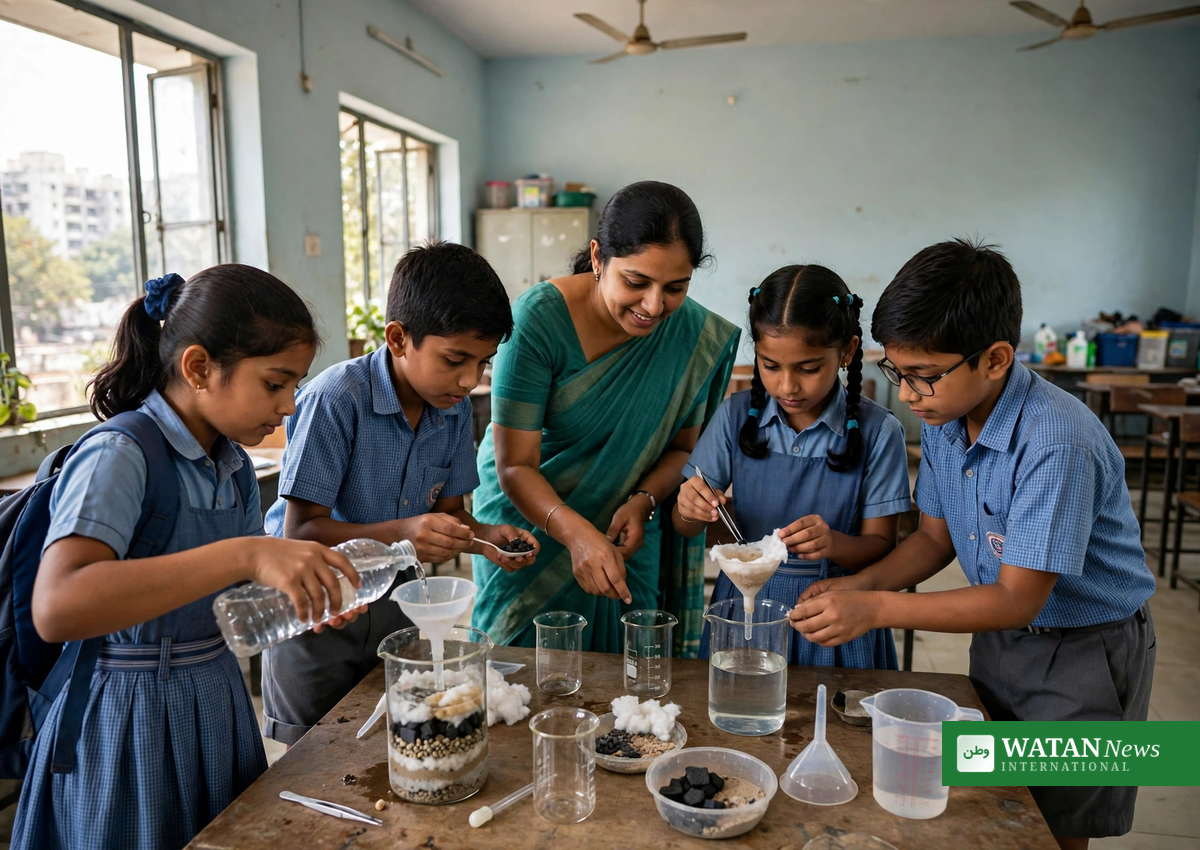
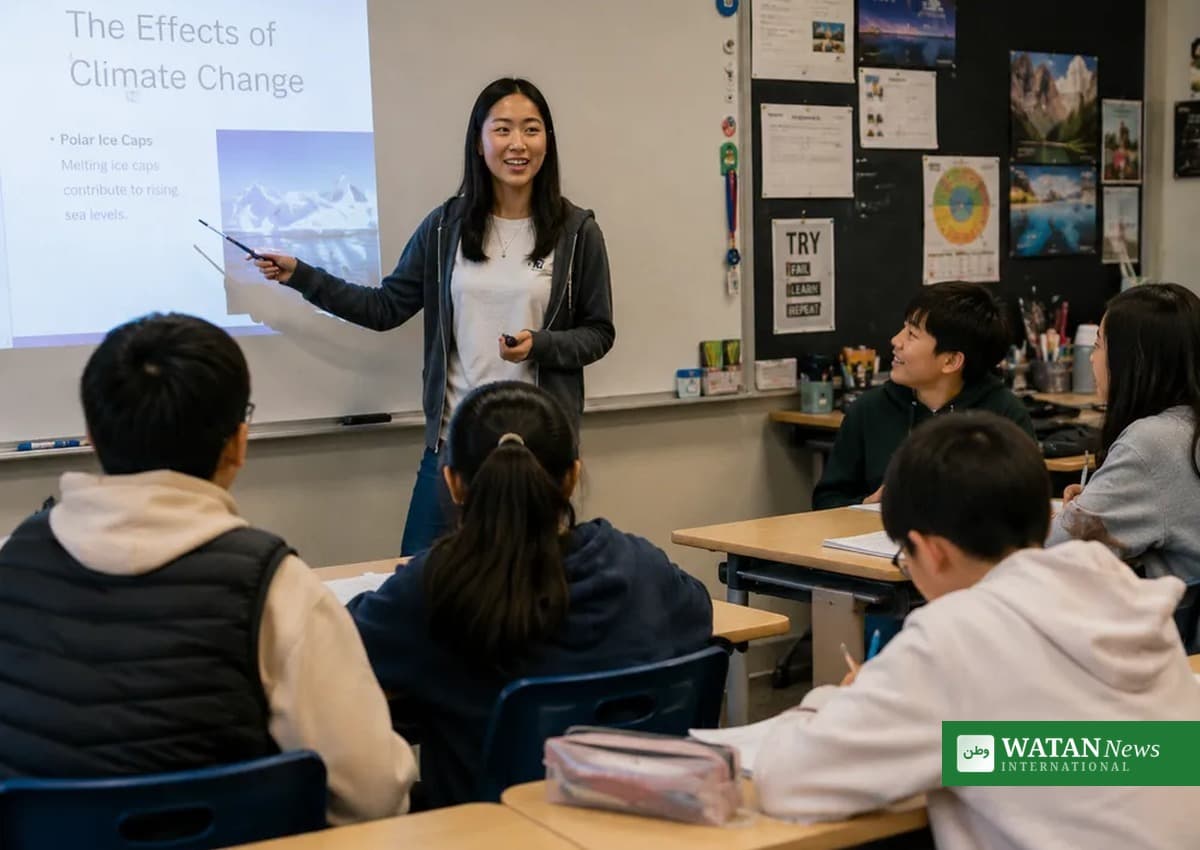
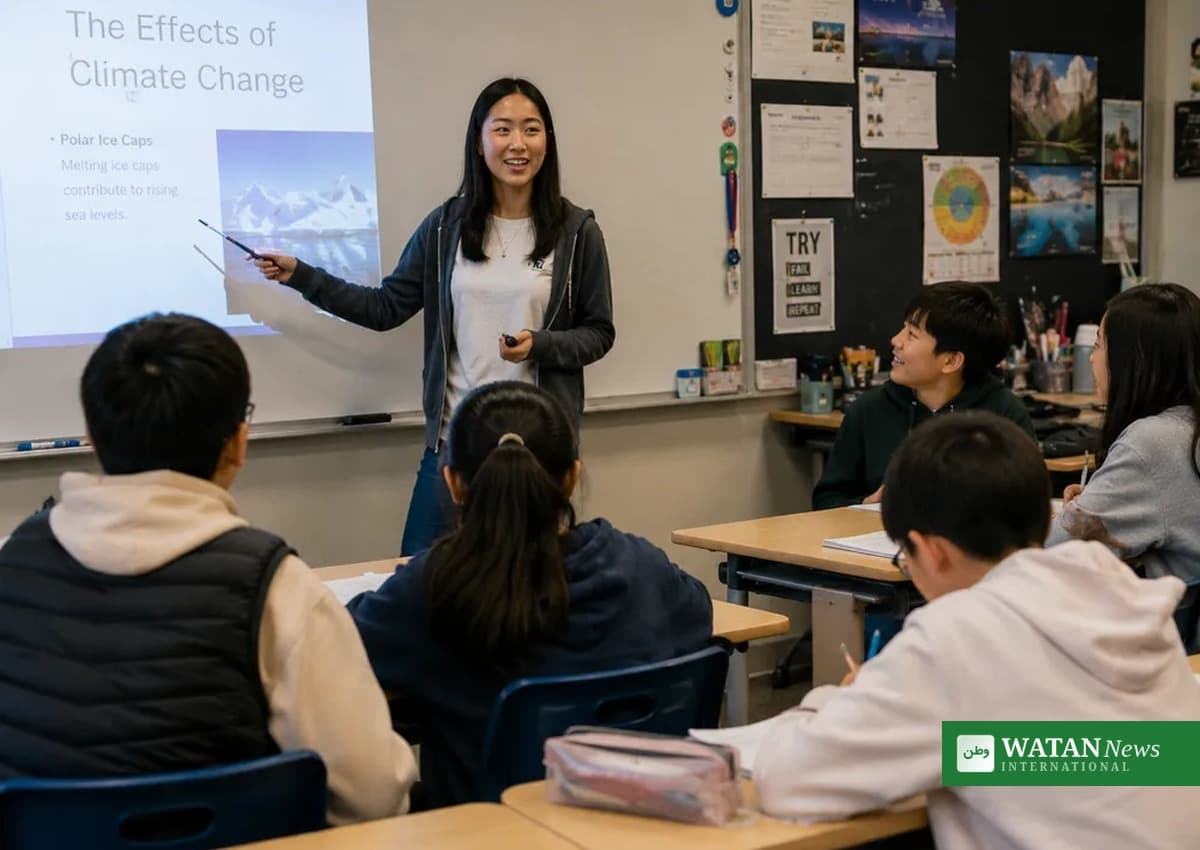
Schoolchildren doing a hands-on water purification experiment in a Hyderabad classroom during BASF Kids Lab climate education week

A week of hands-on climate science

The Hyderabad edition takes place at CSIR-IICT, with support from the Education Department of the Government of Telangana, which helped identify and facilitate participation by government schools. Through age-appropriate experiments and interactive learning modules, the children explore environmental sustainability and see for themselves how small actions can contribute to a more sustainable future.

One of the favourite activities, according to the organisers, is the water purification experiment. Gouthami, a student at Government High School, Peteri, said the session was enjoyable and educational, and that the volunteers explained the concepts in a simple and friendly manner. She said she had learned many new things, wanted to share the knowledge with friends and family, and would try to use what she learned about climate action in daily life.

Key facts

  • What: BASF Kids’ Lab, a hands-on chemistry and climate education programme for children aged 8 to 12.
  • Where and when: Hyderabad, India, 26 to 31 October 2026, at CSIR-IICT.
  • Who takes part: 1,150 schoolchildren from municipal schools, with support from the Telangana Education Department.
  • Partners: BASF and CSIR-IICT, a premier research institution under India’s Council of Scientific and Industrial Research.
  • Reach in India: Running since 2004, the programme has reached more than 62,000 schoolchildren across India and operates in more than 30 countries worldwide.

Why climate education matters now

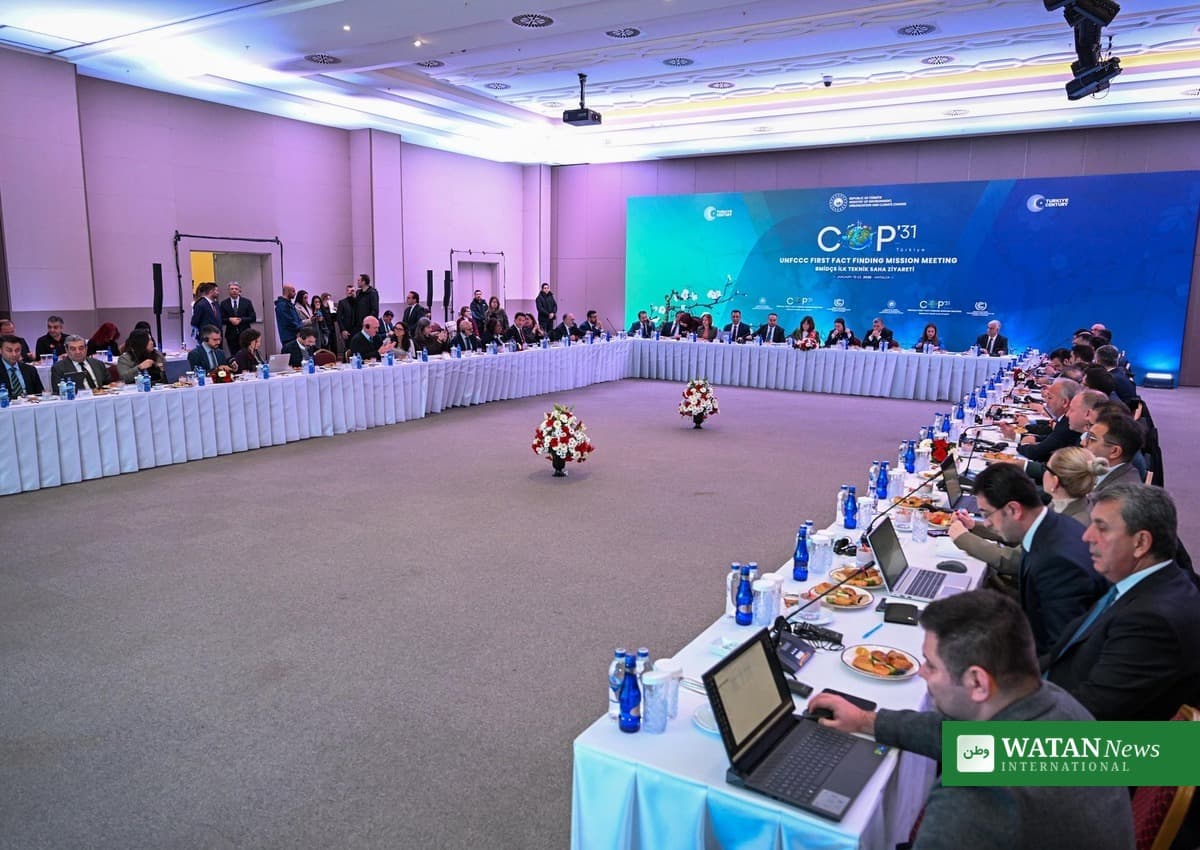
The Hyderabad week comes just days before COP31 opens in Antalya, Türkiye, on 9 November 2026, where governments will negotiate the next steps in global climate action. Organisers say the aim is to help the next generation become informed and responsible innovators who understand the role of science in addressing real-world challenges.

Kim Höffken, Managing Director of BASF Digital Solutions Private Limited, said children learn best when they can explore, experiment and discover for themselves, and that connecting chemistry with sustainability and climate action can inspire young minds to ask questions and think critically. Dr D. Srinivasa Reddy, Director of CSIR-IICT, said such initiatives offer invaluable learning experiences, particularly for students from government schools, by nurturing scientific curiosity and environmental responsibility.

Climate education is also part of the wider run-up to COP31: the United Nations-backed Verified for Climate programme is bringing creators and scientists together at the summit to counter climate misinformation, as Watan News reported earlier.

A programme with a long reach

The Kids’ Lab programme was first introduced in India in 2004. As part of BASF India’s corporate social responsibility initiative, it was relaunched in 2023 with a renewed focus on climate protection. Since then it has been held in Chennai, Navi Mumbai, Mangalore, Bengaluru and Delhi, and has reached rural and tribal children in Nashik district.

Dr Reddy linked the Hyderabad collaboration to CSIR’s Jigyasa programme, which promotes experiential science education among schoolchildren, and thanked the Telangana Education Department for its support in bringing government schools into the programme.

The organisers say the goal is simple: children who understand the science behind climate change today are more likely to become the responsible citizens and climate champions of tomorrow.
Frequently Asked Questions

Related Stories

Planet & environment

Climate & Sustainability

News, stories and solutions driving change towards a greener and more sustainable planet for future generations.

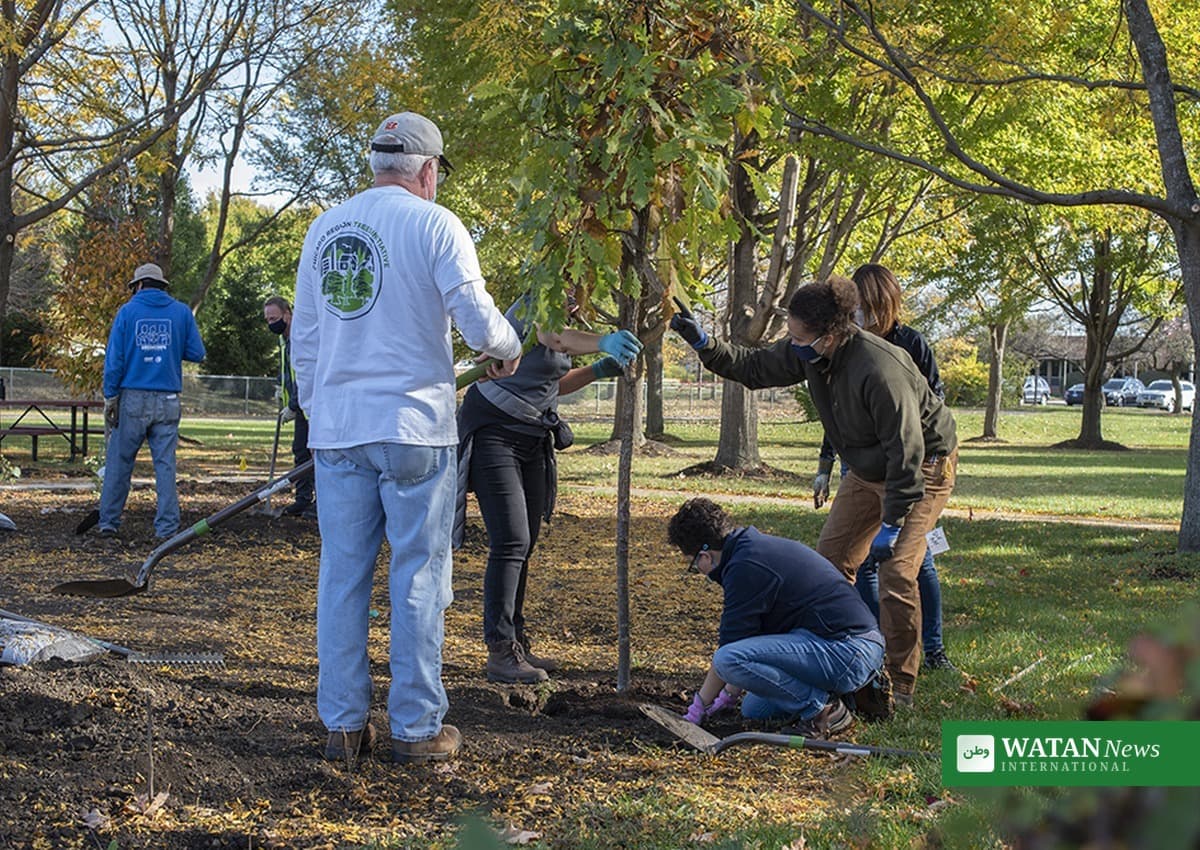
Green Ambassadors: The Volunteers Turning Climate Concern Into Community Action
Featured story

Green Ambassadors: The Volunteers Turning Climate Concern Into Community Action

Thousands of volunteers around the world work as green ambassadors, carrying climate awareness and practical action into their communities.

Read full story

GREEN JOURNALISM

Every Action Counts

Small steps today, big impact tomorrow.

Explore more stories