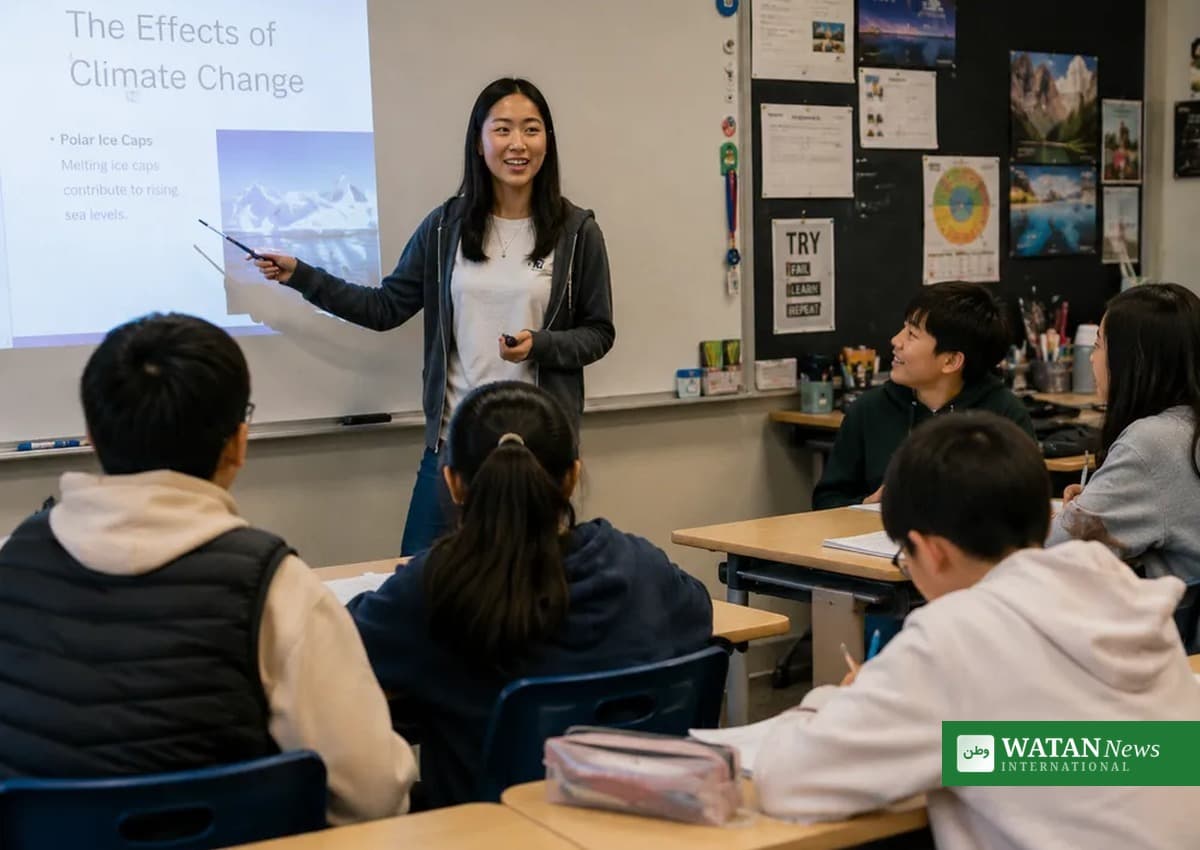
Climate change is the subject least likely to appear in the world’s school curricula, according to a new global measurement of climate education published by UNESCO. In 110 countries studied, climate change scored lower than any other green topic — and in 78 of them, it does not appear in the national curriculum framework for grade 3 at all.
The finding comes from UNESCO’s new greening curriculum indicator, described by the UN education agency’s Global Education Monitoring Report on 12 November 2026. It is the first time countries’ curricula have been scored on a common scale for how much green content they actually contain.
What the new measure found
The indicator covers 110 countries and scores each one out of 100. The global average is 40, with scores ranging from 9 to 66. But the headline is the gap between the three themes it measures.
Environment and sustainability is the best-covered theme, with a median score of 55. Biodiversity follows at 31. Climate change comes last, with a median score of just 21 — the least integrated of all three themes.
The gap is widest for the youngest pupils. Climate change is absent from national curriculum frameworks in 78 countries at grade 3, in 50 countries at grade 6, and in 28 countries at grade 9. More than 50 countries leave climate change, biodiversity, or both out of their national curriculum frameworks entirely.
Differences between countries come mainly from whether a theme is mentioned at all, rather than from how deeply it is covered once it is included, according to the UNESCO Institute for Statistics paper behind the indicator.
FAKTA
- 110 countries were scored in the first calculation of UNESCO’s greening curriculum indicator.
- 40 out of 100 is the global average score; national scores range from 9 to 66.
- 21 is the median score for climate change, against 55 for environment and 31 for biodiversity.
- 78 countries do not mention climate change in their grade 3 curriculum frameworks; 50 do not at grade 6 and 28 do not at grade 9.
- 53 per cent of national curricula made any reference to climate change in UNESCO’s earlier 2021 survey of 100 countries.
How the indicator works
The indicator was formally adopted as part of Sustainable Development Goal indicator 4.7.1 in the 2025 Comprehensive Review of the SDG monitoring framework. UNESCO’s proposal was first submitted in July 2024, approved by the Education Data and Statistics Commission, and endorsed by the Inter-Agency and Expert Group on SDG Indicators in October 2024.
It tracks three themes — environment and sustainability, climate change, and biodiversity — through 13 representative keywords, including “climate change”, “global warming”, “greenhouse gas”, “biodiversity” and “renewable energy”. The keywords were translated into 40 languages and validated by experts.
Coverage is measured in national curriculum frameworks and in science and social science syllabi for grades 3, 6 and 9. The method is aligned with the Greening Education Partnership’s guidance, which covers six concepts: climate science, ecosystems and biodiversity, climate justice, resilience-building, post-carbon economies and sustainable lifestyles.
What good climate education looks like
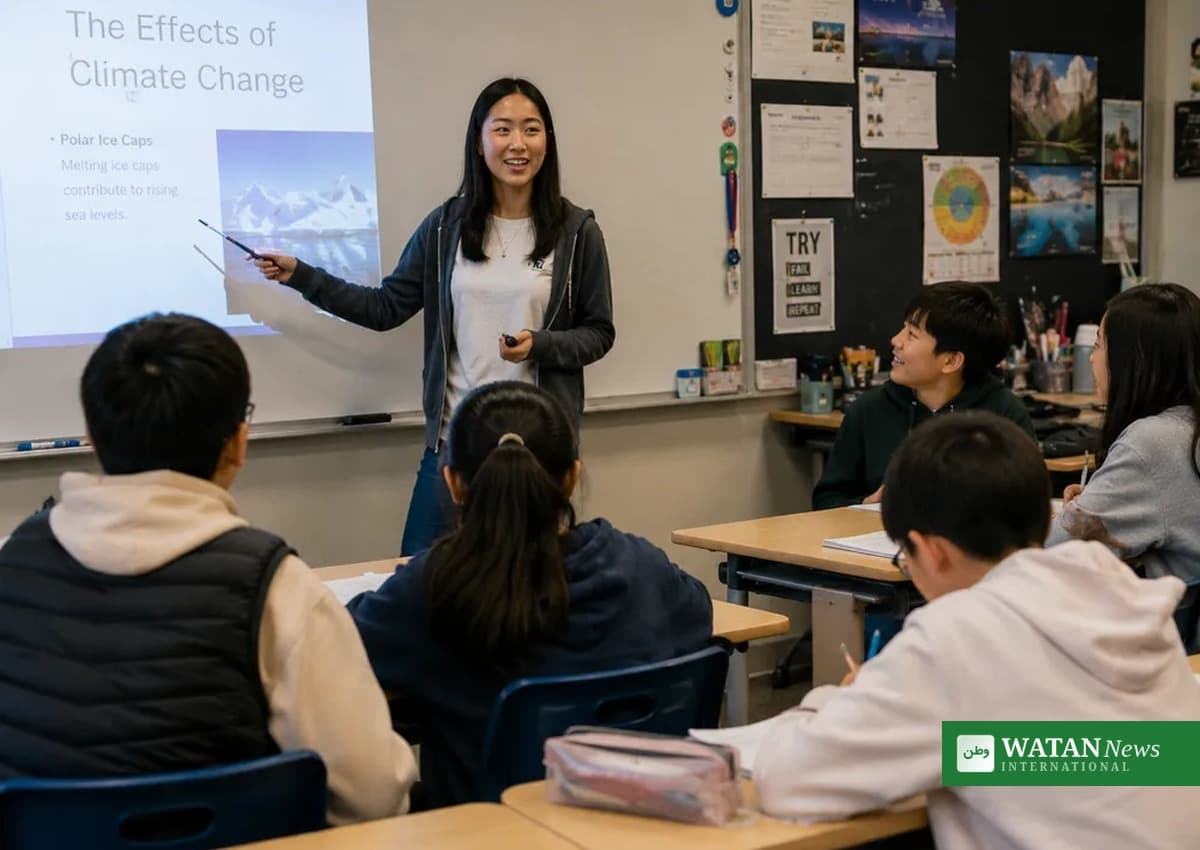
The same week UNESCO published the indicator, it reported on a project that shows what closing the gap can look like. In the coastal region of Tabasco in Mexico, more than 700 primary school students in 13 schools have spent the past year learning to recognise climate threats, protect their communities and prepare for natural disasters.
Between May 2025 and September 2026, teachers and education authorities in Andrés Sánchez Magallanes worked with UNESCO’s Office in Mexico City and Eni México to build lessons around the risks pupils can see from their own doorsteps: coastal erosion, extreme weather and damage to the ecosystems their families depend on.
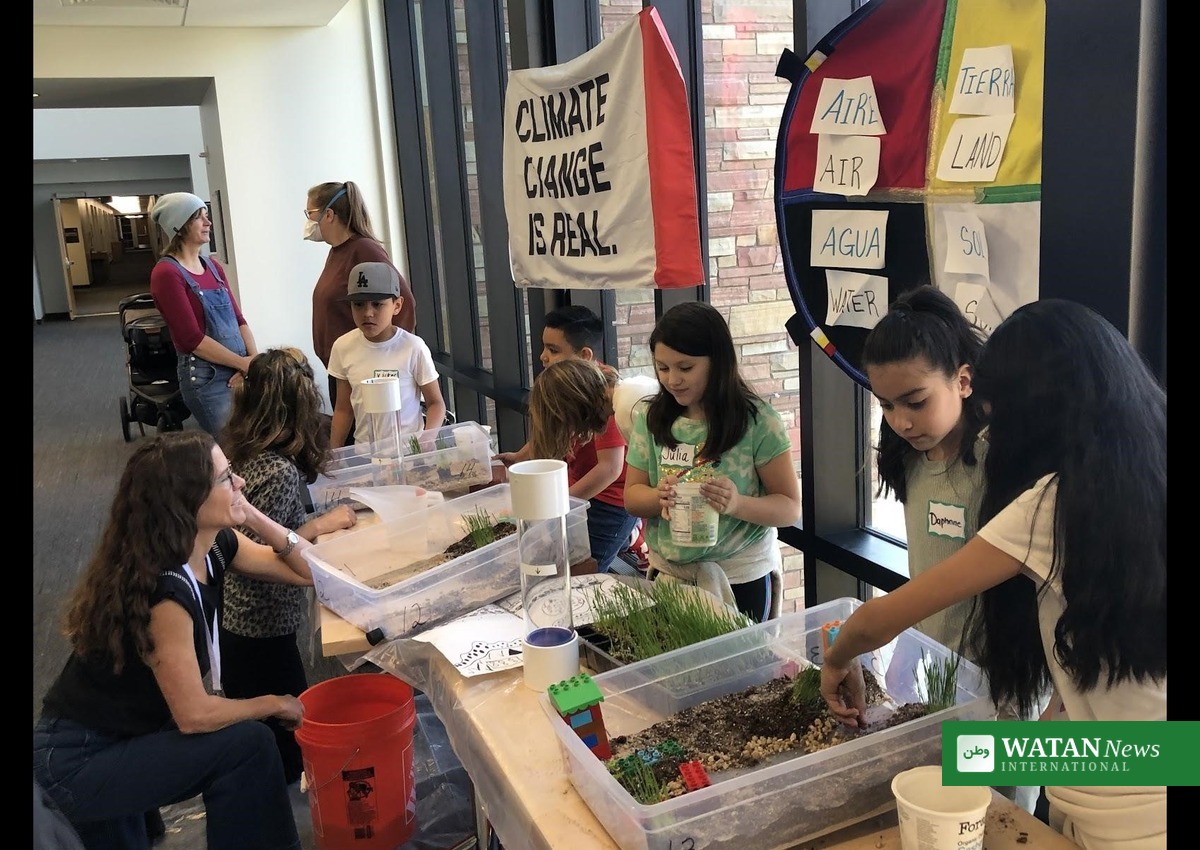
At Don Venustiano Carranza Primary School, second-grade pupils investigated coastal erosion on observation walks and in conversations with older residents, then drew up a risk map of vulnerable places around their school. Some families had already lost their homes to the advancing sea, and the school itself had previously been moved because of coastal erosion.
Sixth-grade pupils at General Francisco Villa Primary School mapped risks to homes, lagoons and mangroves, and produced leaflets, a community mural and proposals for disaster prevention. Teachers involved in the project said the guide made lessons more relevant to pupils’ lives — and asked for more training and clearer guidance so climate education becomes a regular part of classroom life, not a one-off project.
Why the gap matters
The classroom gap has consequences beyond school. When formal education does not explain climate change, other sources fill the space — and not all of them are reliable.
A study published on 19 November 2026 found that climate change misinformation on the Chinese social media platform Weibo attracted higher levels of online engagement than other climate content, with conspiracy-related content drawing the strongest response. The study, published in the journal Environmental Communication, identified three broad frames and nine types of misinformation in posts collected between July and December 2024.
A European literature review published in October 2026 by LAB University of Applied Sciences, as part of the EU co-funded CLIMAware project, reached a similar conclusion: misconceptions about climate change are rarely caused by a lack of knowledge alone. It found that science-based responses work best when they combine clear communication of the scientific consensus, climate literacy education, inoculation against misinformation and messages framed for specific audiences.
Public concern is already there. A poll of about 2,000 adults in the United Kingdom, carried out by Opinium between 30 October and 3 November 2026 and reported by Newcastle University on 12 November, found that 39 per cent of people feel helpless about global emissions and the impacts of extreme weather. More than half — 54 per cent — supported a government-led national public engagement strategy on the risks of extreme weather and food and water insecurity.
UNESCO’s own earlier data points the same way. In its 2021 survey of 100 countries, only 53 per cent of national curricula made any reference to climate change, fewer than 40 per cent of the 58,000 teachers surveyed felt confident teaching about its severity, and only about one-third felt able to explain its effects on their own region.
What happens next
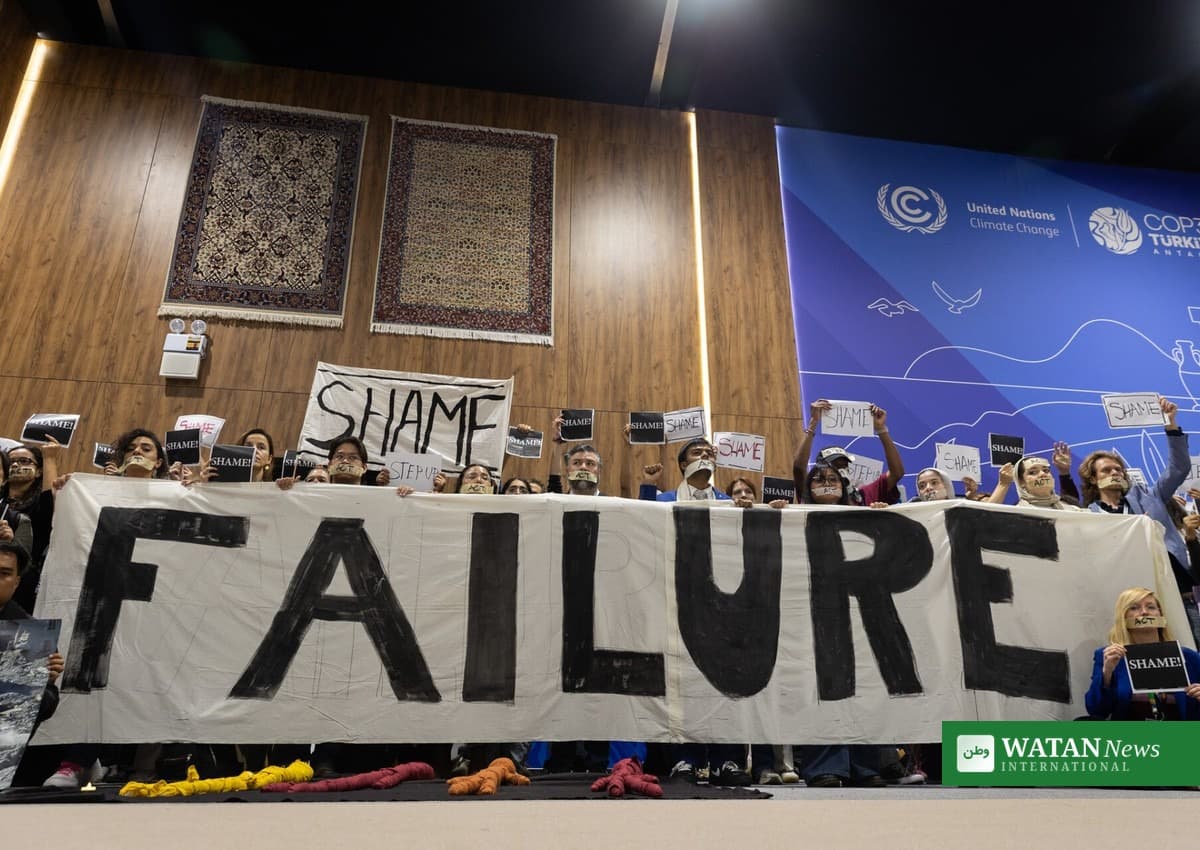
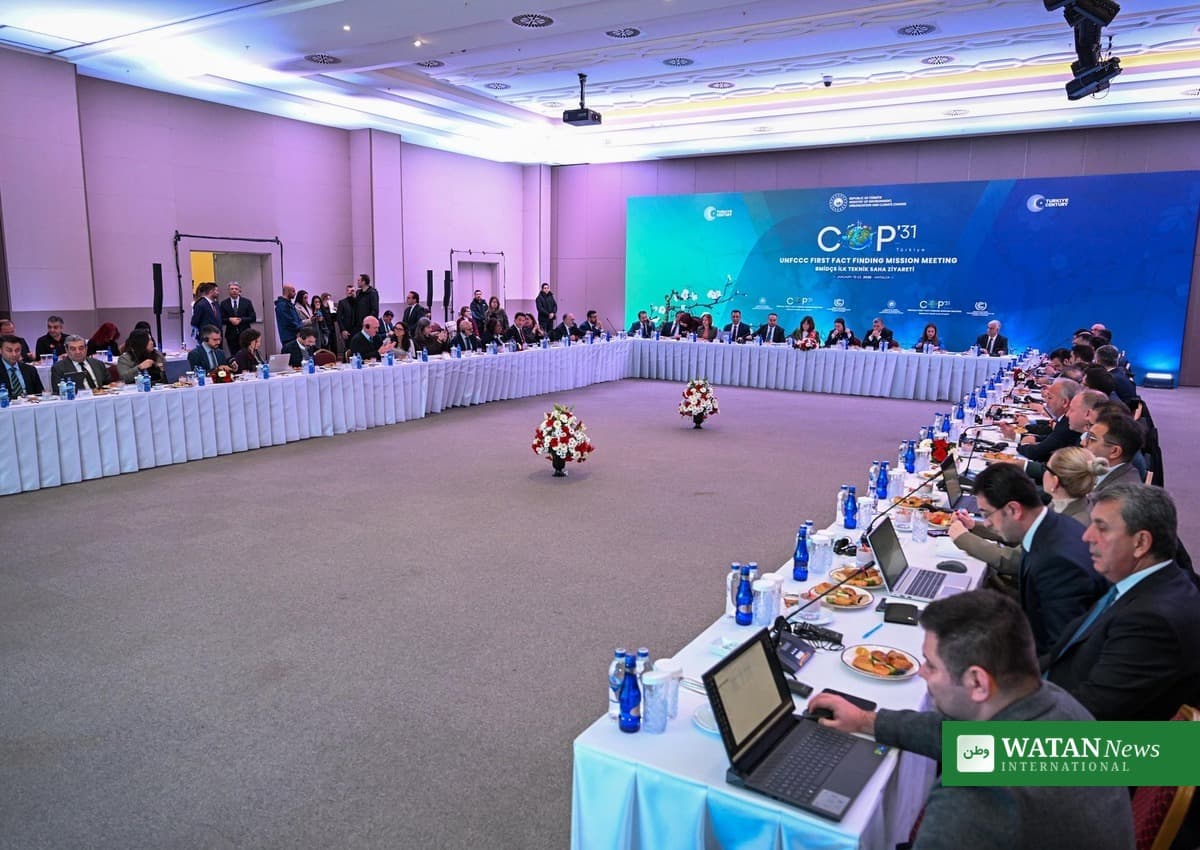
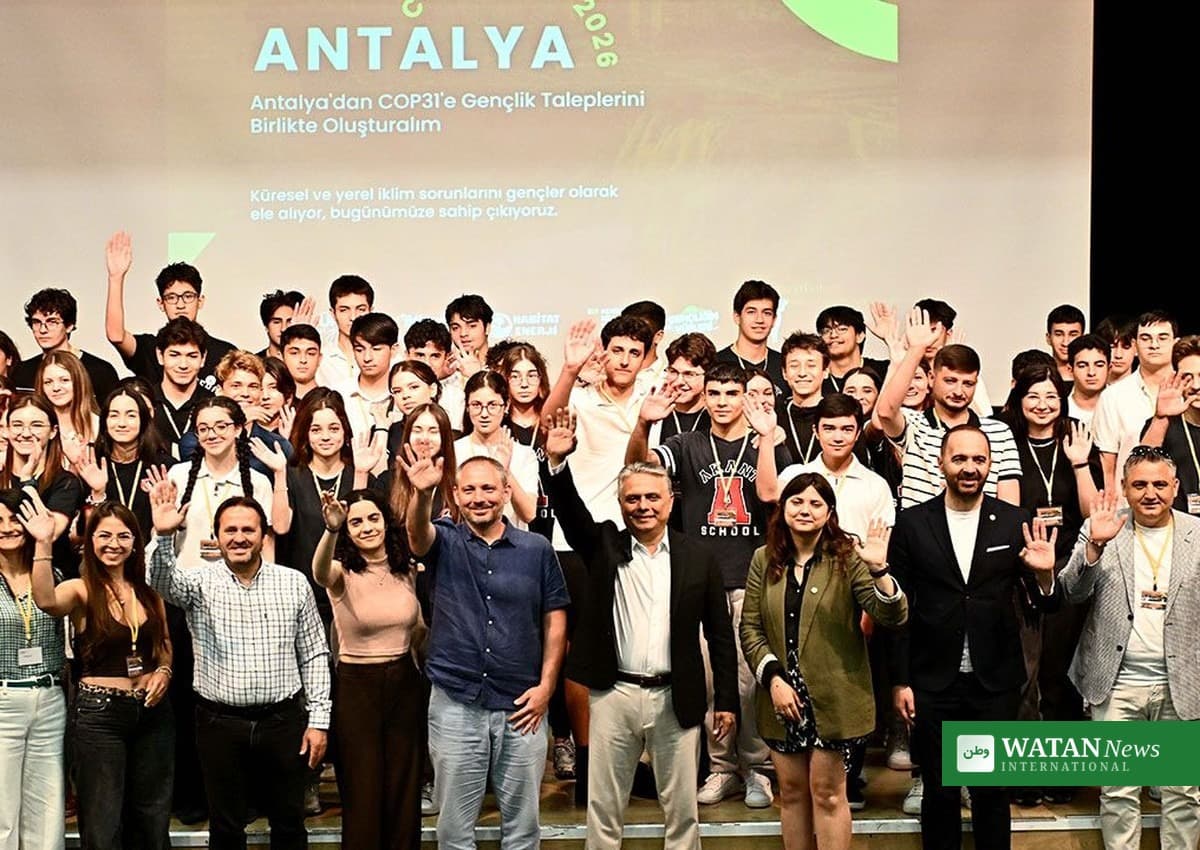
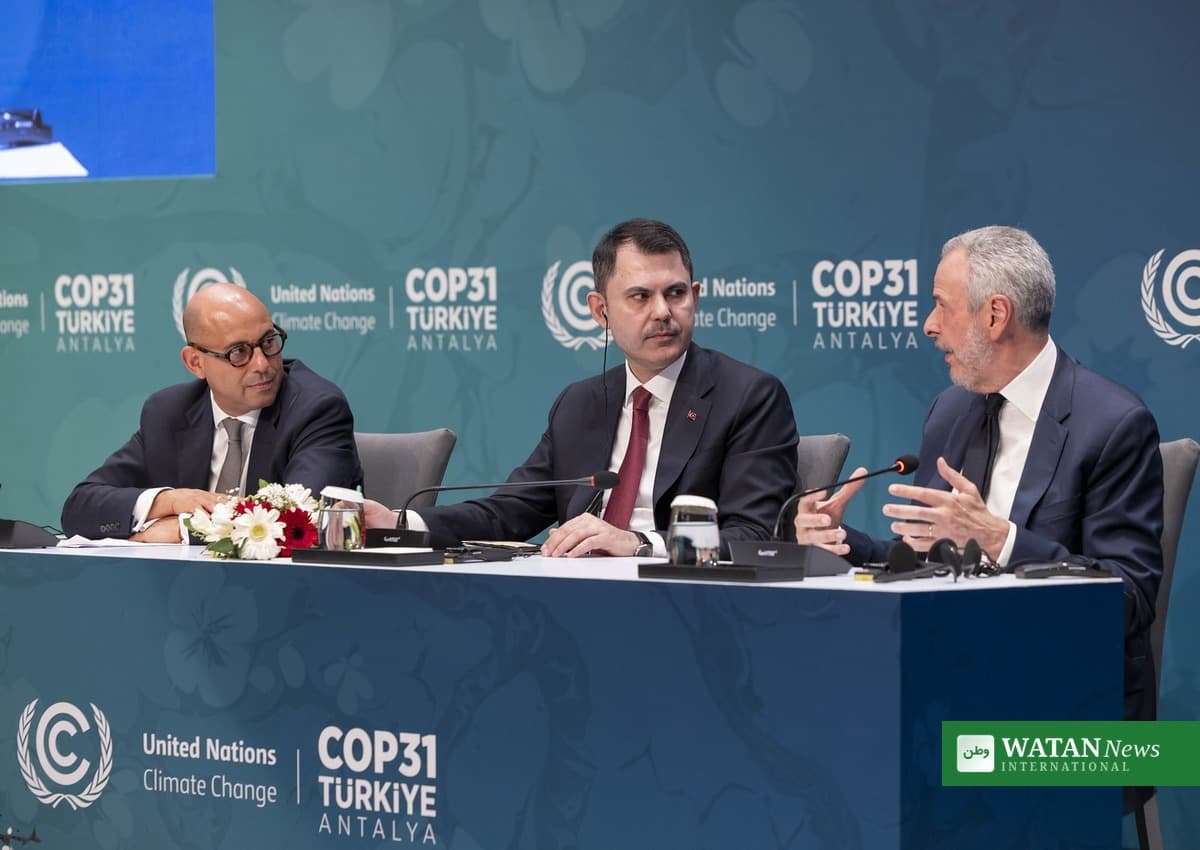
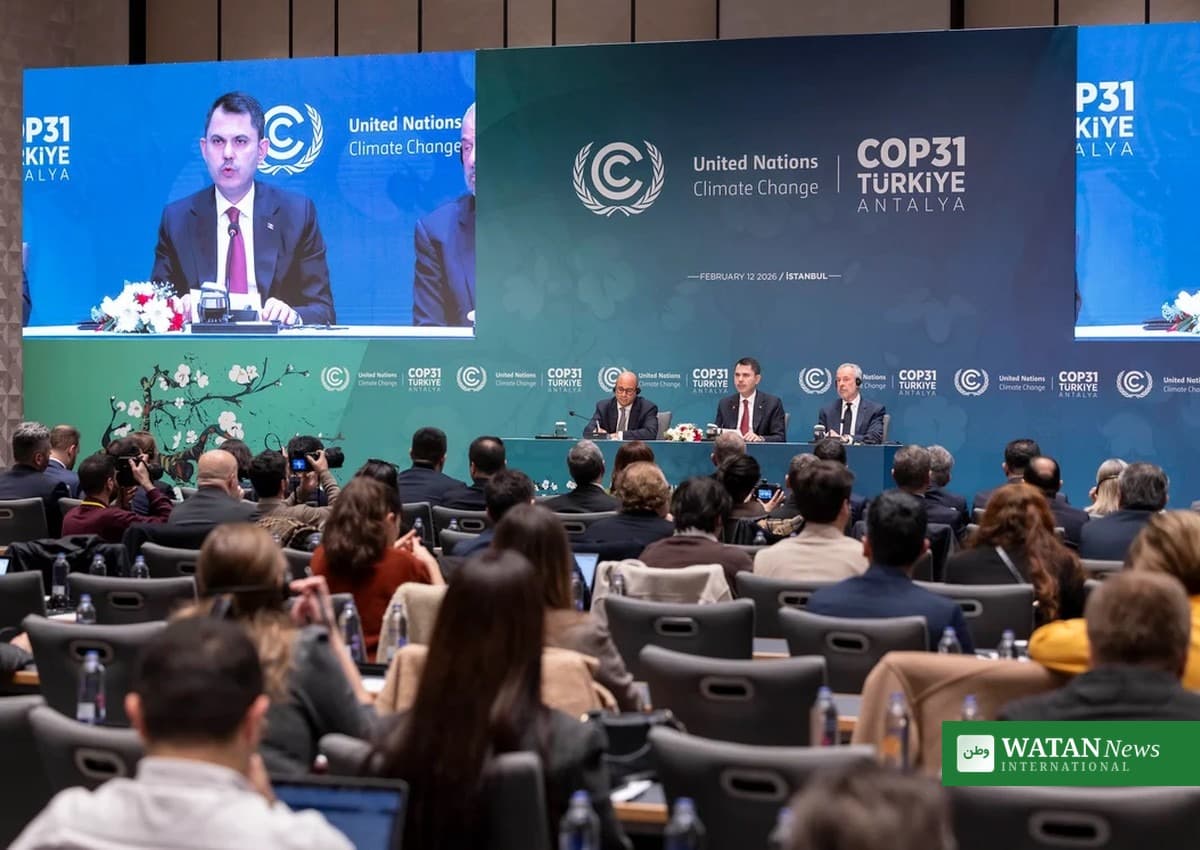
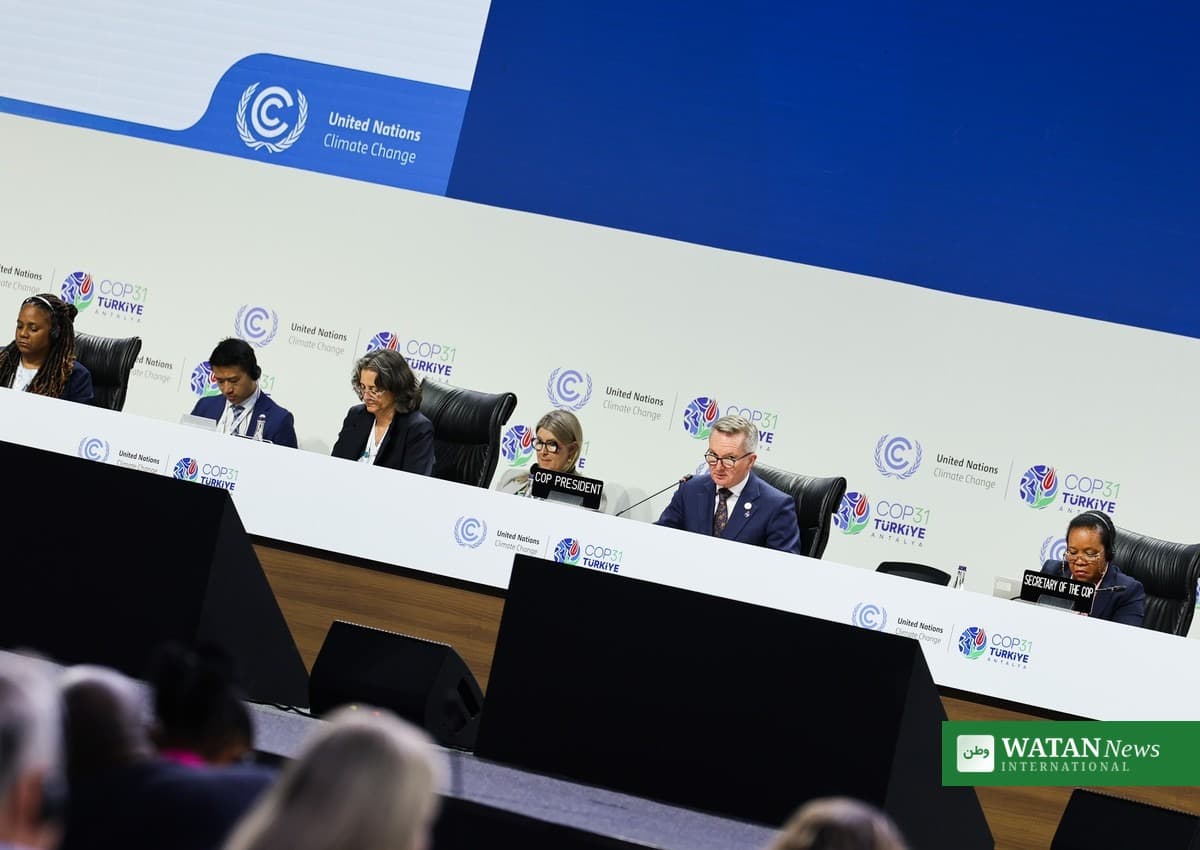
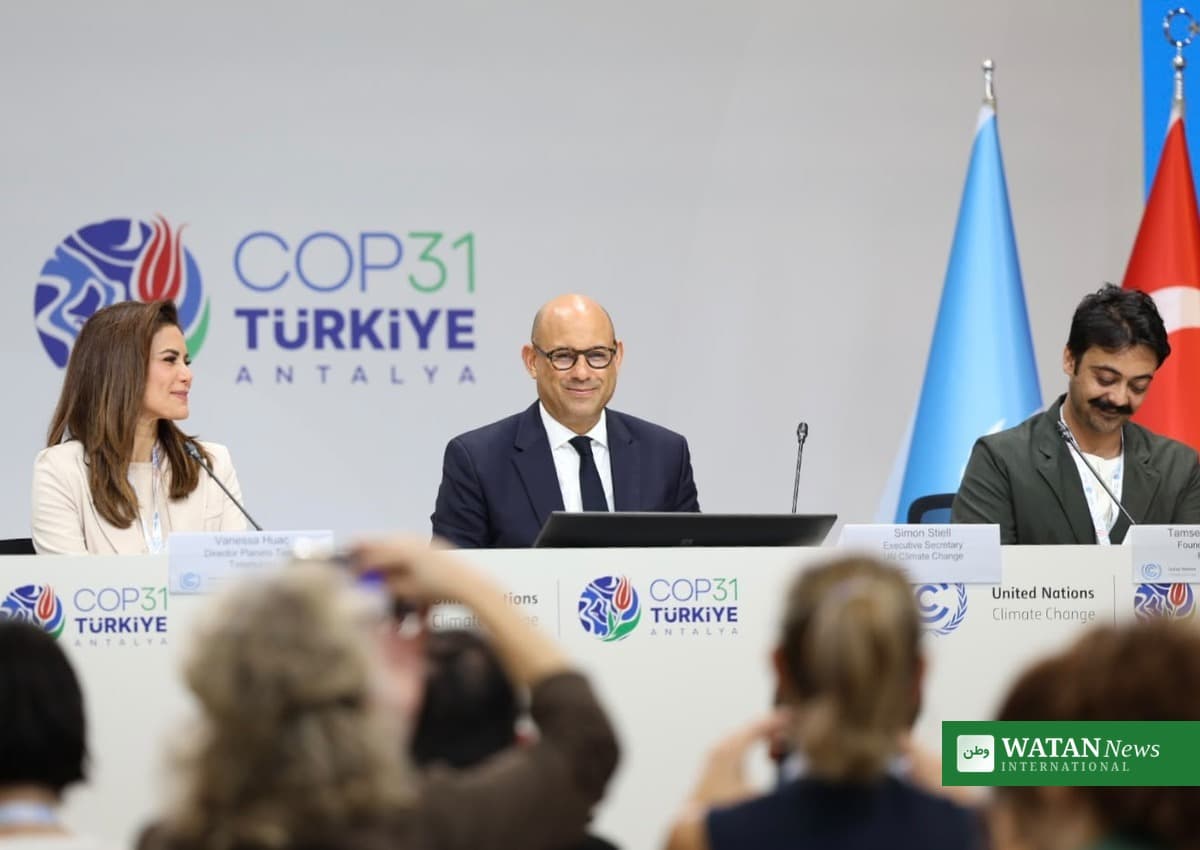
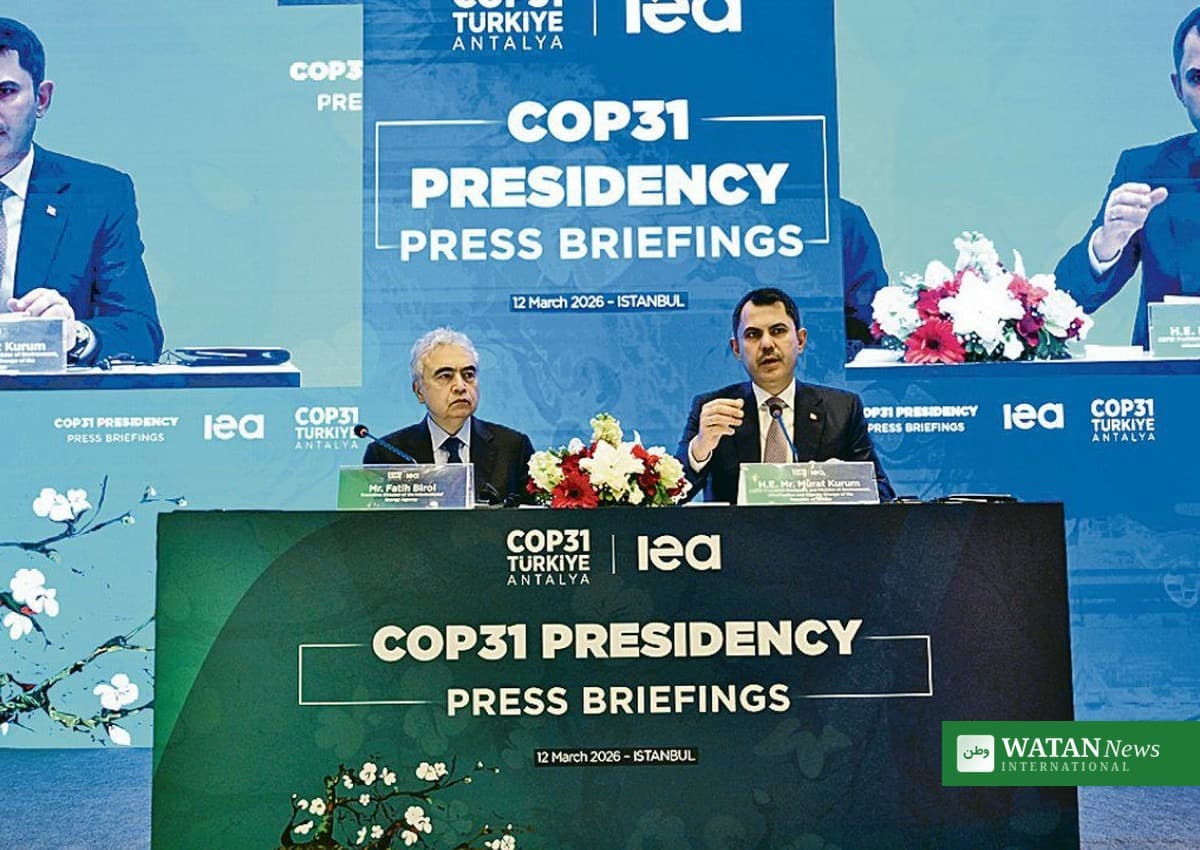
The COP31 presidency in Antalya set a clear target for closing the gap: climate change in national curricula by 2030 and climate awareness for all by 2035, under the Antalya Protocol for Action agreed with the Greening Education Partnership, UNESCO, the OECD and Türkiye’s Ministry of National Education. The protocol was a central theme of the COP31 education events in Antalya, and the awareness gap it addresses was documented in Watan News reporting from the summit’s closing days.
UNESCO is now extending the measurement work through its 3G MapEd project, mapping how greening, global citizenship and gender equality appear in national curricula, and it has asked countries to share curriculum documents so the indicator can be updated. More than 110,000 schools worldwide have already aligned with UNESCO’s green school quality standard, according to the agency — a sign that change in classrooms is under way, even if the curriculum documents have not yet caught up.
For now, the new indicator gives every country the same thing: a number, on a common scale, showing how much climate change its children are actually taught. The first number is 21 out of 100 — and the work of raising it starts in the classroom.
Read more: COP31 Climate Awareness Gap: Most People Still Unreached as Summit Closes and COP31: Mediterranean Universities Put Climate Education at the Heart of the Antalya Talks.