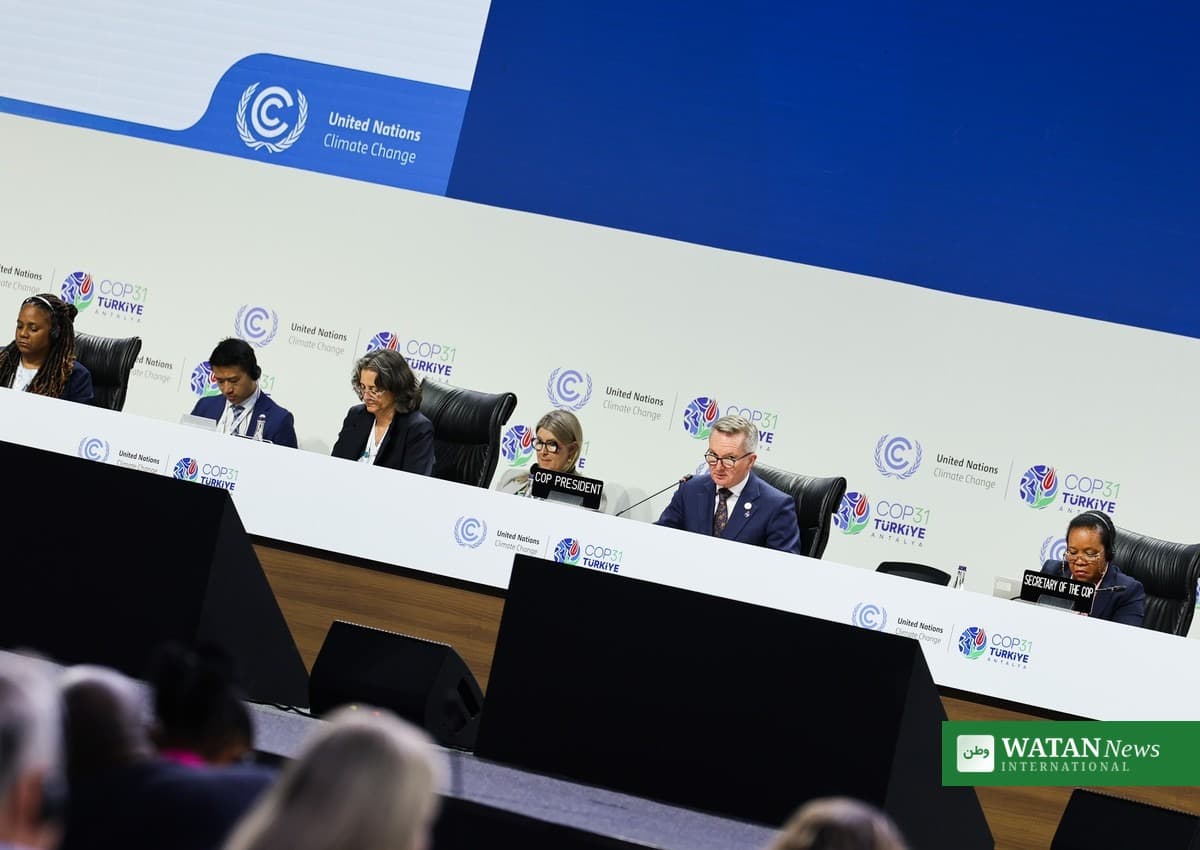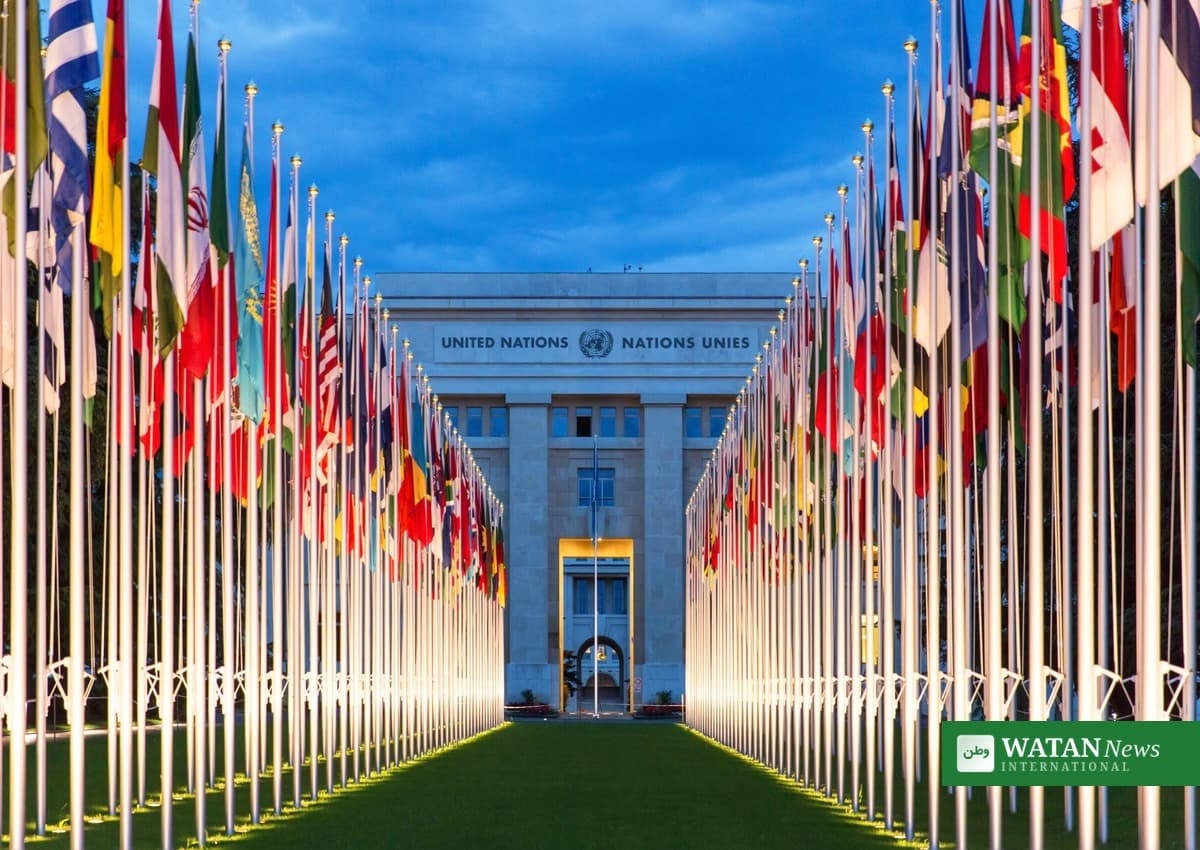
Countries at the United Nations have agreed to keep working towards rules for lethal autonomous weapons, often called “killer robots”, aiming to develop them by 2028. The deal came after marathon talks in Geneva that ran past 4 a.m. on Saturday, ending more than a decade of debate over weapons able to identify and attack targets with little or no human control. Around 100 countries had pressed for legally binding rules, but opposition from major arms producers left the central question — whether the rules will carry legal force — unresolved.
FAKTA
- Agreed: Talks on rules for lethal autonomous weapons will continue, aiming for 2028.
- Where: Geneva, under the UN Convention on Certain Conventional Weapons; 128 member states.
- When: Talks ran from Monday and ended after 4 a.m. on Saturday, 21 November.
- Backed binding rules: Around 100 countries.
- Opposed: The United States, Russia and Israel, among major arms producers.
- Still open: Whether the future rules will be legally binding.
A compromise after a decade of talks
The talks were held under the Convention on Certain Conventional Weapons, the treaty on inhumane weapons. Its 128 member states had met in Geneva since Monday to decide whether to open negotiations on a new protocol for lethal autonomous weapons systems. The meeting’s chair proposed that experts negotiate a draft protocol and report back to the 2028 meeting of states. Seven countries — Austria, Belgium, Brazil, Ireland, Mexico, New Zealand and Panama — proposed launching negotiations on a legally binding agreement. The United States instead proposed five more years of work towards voluntary, non-binding guidance. The outcome keeps the door open to a protocol but commits to nothing firm, disappointing human rights groups that had sought a clear negotiating mandate.
Why the pressure is growing
Concern about these weapons has sharpened as they are used and tested in active conflicts, including in Ukraine, Sudan and the Middle East. Campaigners say systems that can select and engage targets on their own raise serious risks for civilians and for accountability. The UN Secretary-General, the Pope and the Red Cross have all called for stronger rules. The meeting’s Swiss chair, Julien Thoeni, called the agreement a significant achievement for humanitarian disarmament after more than ten years of talks. One diplomat at the talks said the military powers had imposed many obstacles to a protocol, but the possibility remained.
What happens next
Work now continues under the convention’s expert group, created in 2016, which adopted a consensus report on 4 September on how the group should proceed. The UN General Assembly’s disarmament committee voted on 29 October to call for negotiations. The next test comes at the 2027 meeting of states, when the expert group reports on its progress ahead of the 2028 deadline. For now, the agreement buys two more years of talks — but whether states will accept rules they must legally obey is still unanswered.
More international news is available on Watan News.