Copenhagen has begun collecting used nappies separately, in a new zero-waste step that aims to turn a large everyday waste stream into recycled materials instead of sending it to be burned. The collection scheme was launched on 19 October 2026, and bins are being delivered across the city until late November.
Until now, used nappies in the Danish capital have gone into residual waste and been incinerated. The City of Copenhagen says residents use around 46 million nappies a year, and nappy waste makes up at least 7 percent of household residual waste — an estimated 11,800 tonnes a year once municipal childcare institutions are included.
What is changing
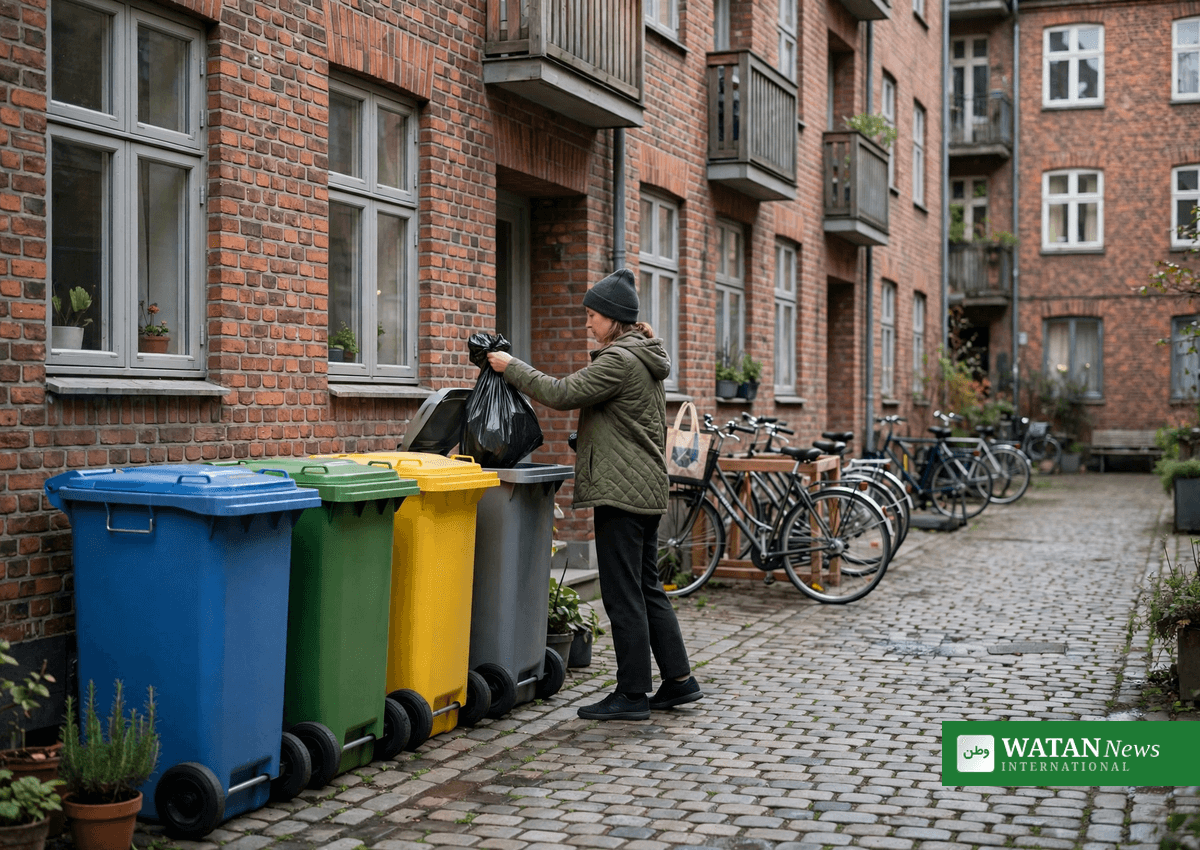
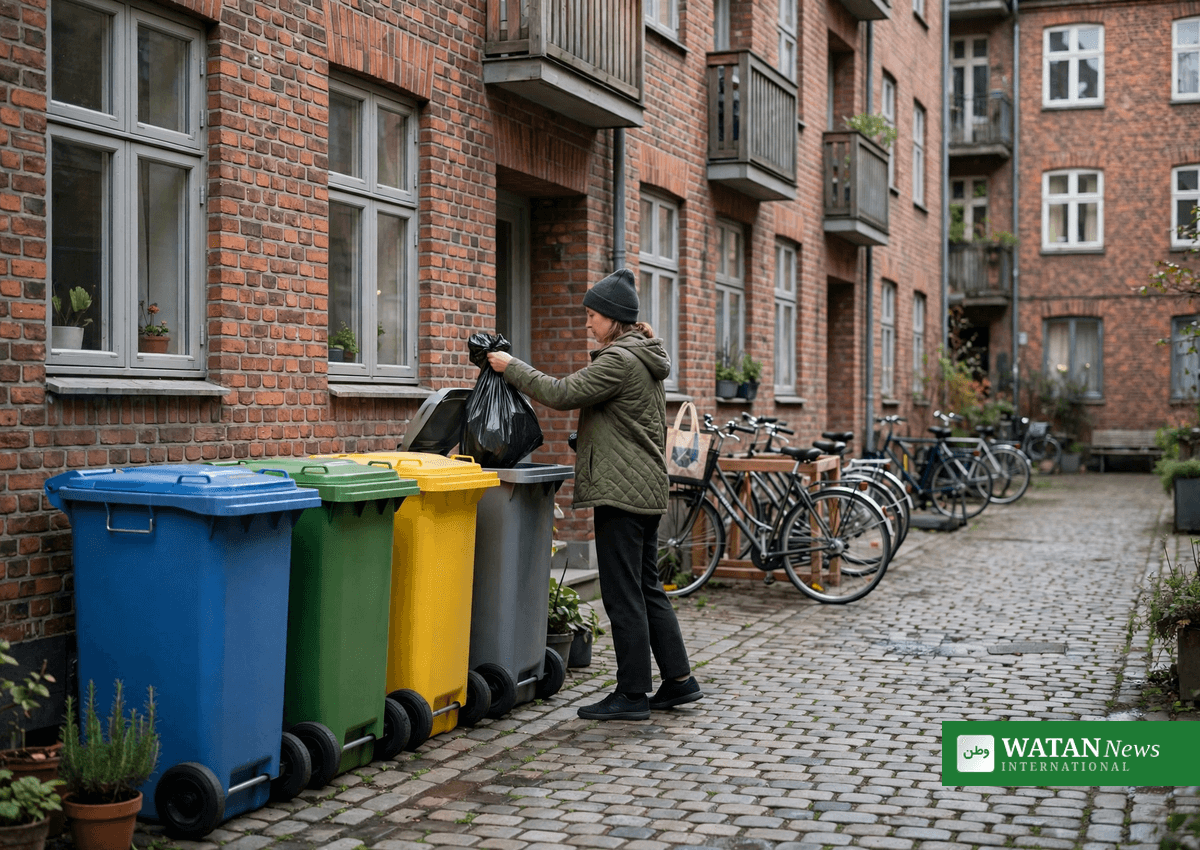
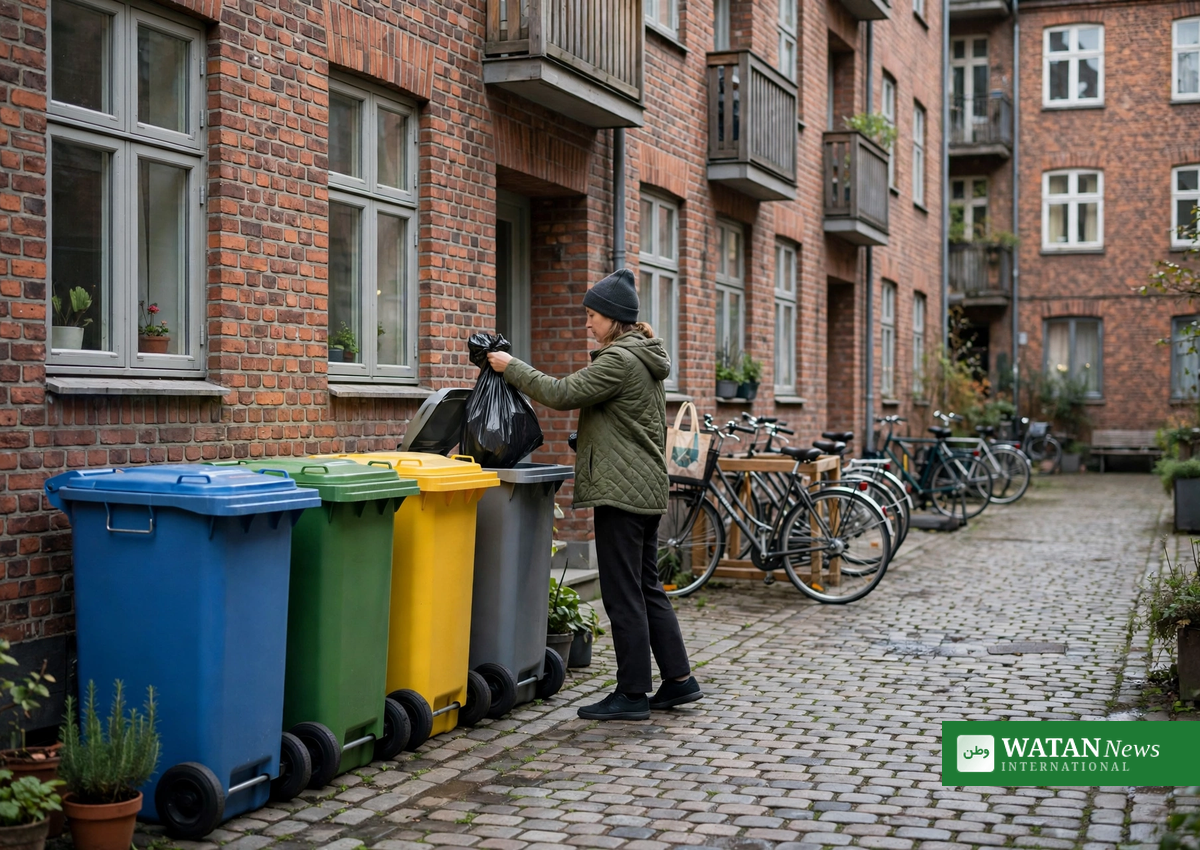
The new scheme starts in apartment courtyards and municipal nurseries. It initially covers apartment buildings with at least six children aged 0 to 4, provided those children account for more than 3 percent of residents, as well as municipal childcare centres. The city estimates that about 60 percent of apartment buildings are covered by the roll-out.
Residents must place used nappies in a tightly tied plastic bag before putting them in the new containers, which will be emptied weekly. The approach builds on a pilot in 2022, which the city says showed residents were willing and already quite good at sorting nappies correctly.
From bin to new materials
The collected nappies are intended for a new treatment plant in Hvidovre, operated by the Danish environmental services company Verdis. Although collection has already begun, the facility is scheduled to start operating in February 2027.
The municipality says the process could recover up to 94 percent of nappy waste, including plastics for new products and biofibres that can be converted into biogas and fertiliser. Absorbent materials could also be reused in construction products.
Line Barfod, Copenhagen’s mayor for climate, environment and technical services, said recycling nappies instead of burning them could bring substantial climate benefits, particularly because the city has so many young children, according to reporting on the launch.
Key facts
- Scheme launched: 19 October 2026, with bins delivered until late November.
- Nappies used in Copenhagen: around 46 million a year, according to the City of Copenhagen.
- Nappy waste: at least 7 percent of household residual waste; about 11,800 tonnes a year including childcare institutions.
- Recycling plant: Hvidovre, operated by Verdis, due to start in February 2027.
- Recovery target: up to 94 percent of nappy waste, and 5,000 tonnes collected a year by 2029.
How Copenhagen already sorts waste
Nappies join an already extensive sorting system. Communal courtyards typically have containers for food waste, general waste, paper, cardboard, glass, metal and plastic, with food and drink cartons collected together with plastic. Small electronics, batteries and hazardous waste have separate handling, and unwanted textiles can go to designated collection points.
The decision behind the new plant was taken on 27 March 2025, when a majority in the City of Copenhagen’s Citizen Representative Council voted for a joint initiative with the City of Frederiksberg to establish a treatment plant for nappies currently incinerated with residual waste. The city had said nappies would be added to its sorting list from the fourth quarter of 2026.
What comes next
From February 2027, families in detached houses with children under four will be able to opt in. Collections are also planned for municipal care homes and accommodation for older residents during 2027.
Once the system is fully implemented, the municipality aims to collect 5,000 tonnes of nappy waste a year by 2029. That would take a waste stream that is now burned and return much of it to the circular economy as plastics and other materials.
For readers following zero-waste policy, this desk’s explainer on why waste awareness is climate action sets out the wider picture: From Bin to Atmosphere: Why Zero Waste Is a Climate Strategy.
Conclusion
Copenhagen’s scheme is small in one sense — it starts with one everyday item — but it targets a waste stream measured in tens of millions of items a year. If the Hvidovre plant recovers materials at the rate the city expects, the model could be studied by other cities looking for practical, household-level cuts in incineration.