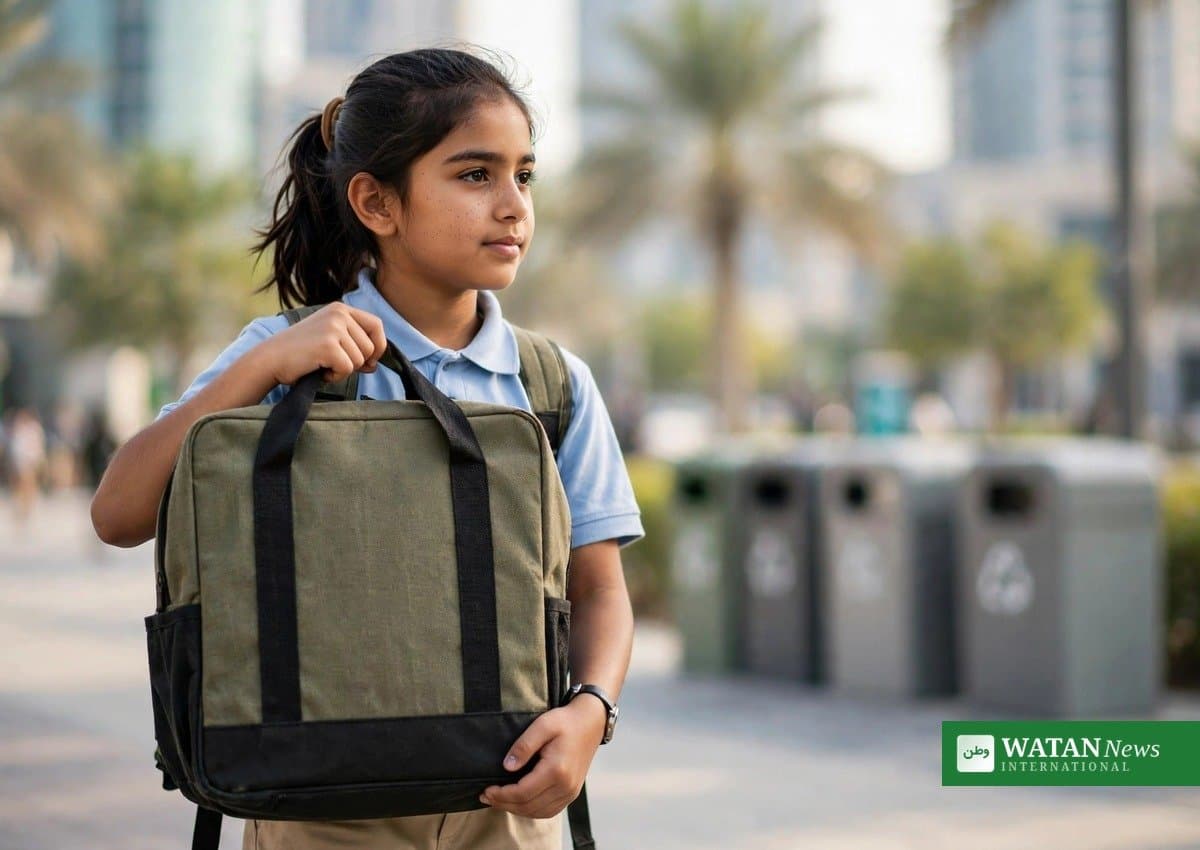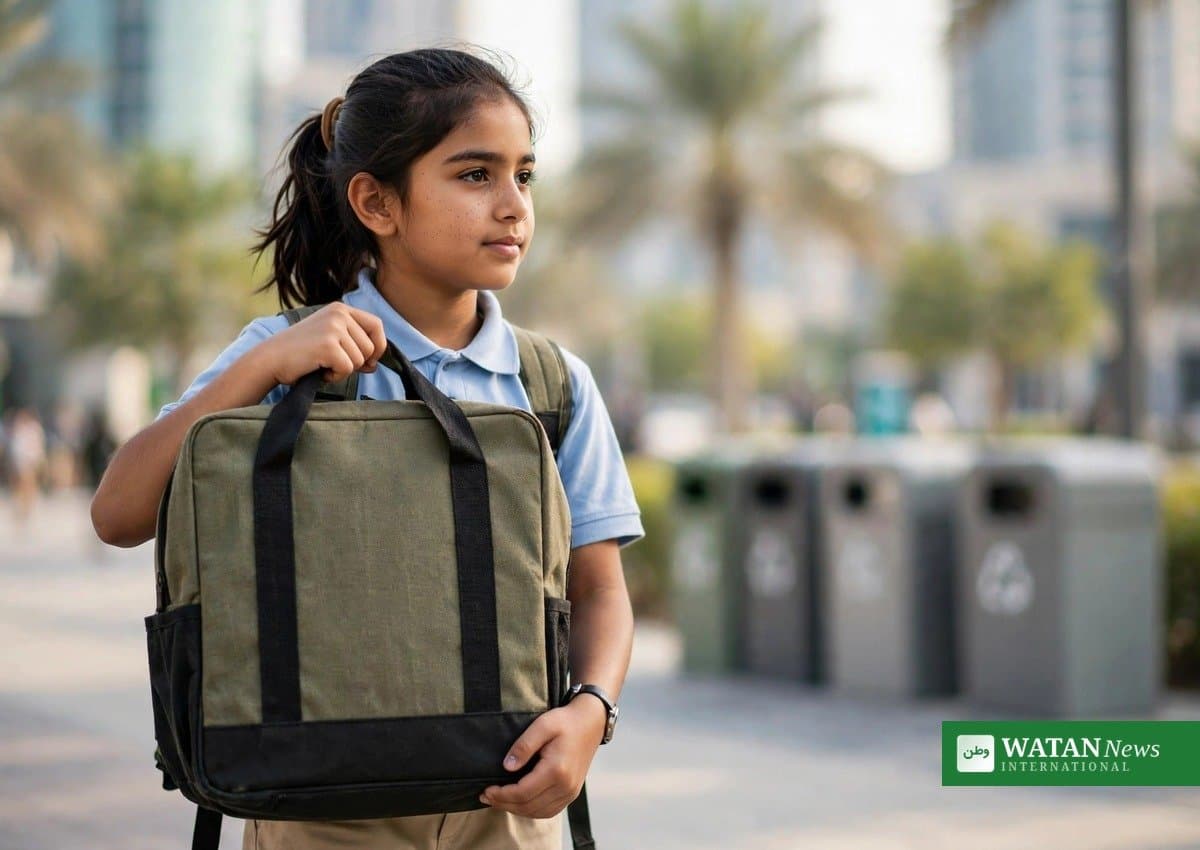
Dubai, 28 October 2026 — Two million discarded plastic bottles in Dubai have been collected and recycled into school bags under the city’s Bottle2Bag initiative, Dubai Municipality has reported, turning about 40 tonnes of plastic waste into a useful product for children while promoting responsible consumption.
The initiative was showcased at WETEX 2026, the Water, Energy, Technology and Environment Exhibition held from 20 to 22 October at Dubai World Trade Centre. It shows, in practical form, what a zero-waste approach means: waste is collected close to where people live, work and study, sorted, and returned to use instead of going to landfill.
How Bottle2Bag works
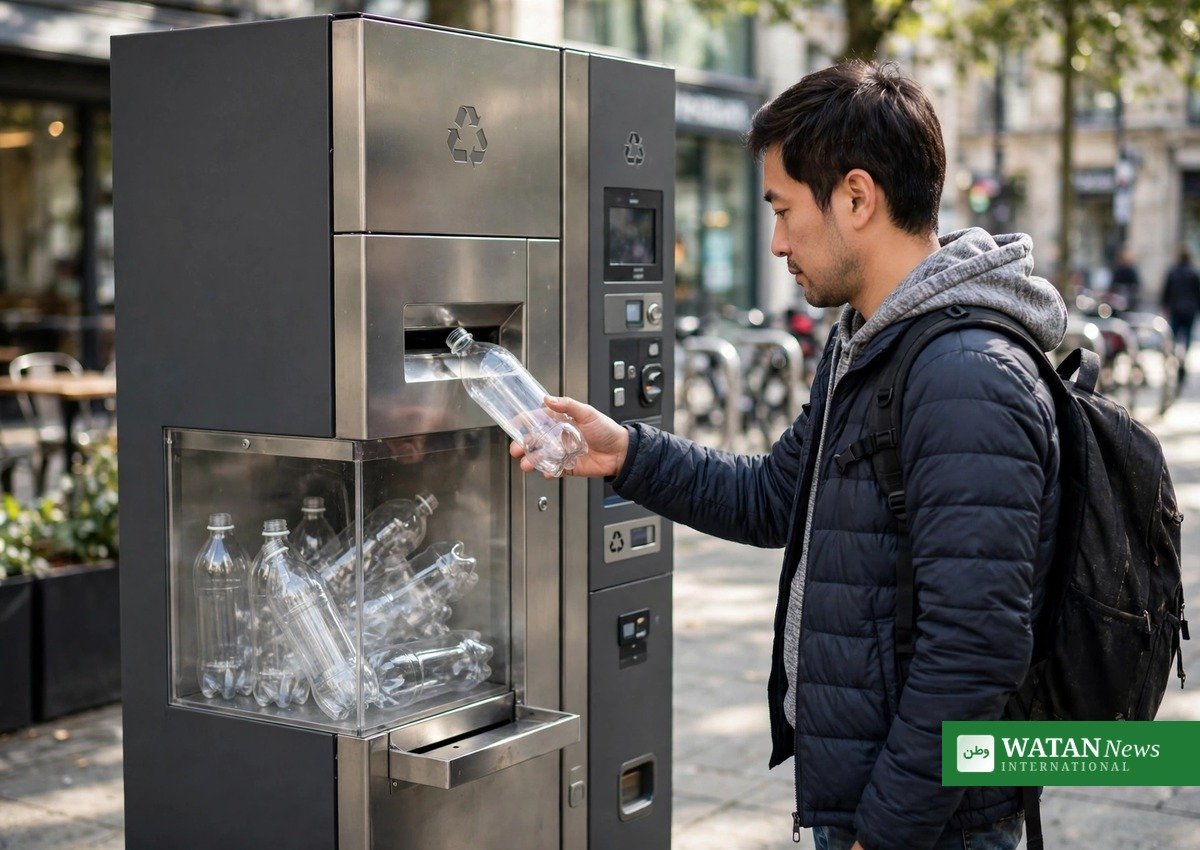
Bottle2Bag is supported by a collection network designed to make recycling easy. According to Dubai Municipality’s WETEX presentation, reported by several regional outlets, the network includes smart collection devices at educational institutions, 11 reverse vending machines at Dubai Municipality and partner facilities, 20 dedicated collection containers at public beaches, and 13 residential recyclable-material collection centres known as Smart Sustainability Oases.
More than 90 entities have taken part in the municipality’s environmental and social responsibility activities linked to the programme. The bags themselves give the recycled material a second life that is visible in everyday life, especially for schoolchildren and their families.
Part of a longer-term waste strategy
Bottle2Bag supports Dubai’s Integrated Waste Management Strategy 2021–2041, which aims to divert all waste from landfills, including a target of recycling 50% of waste. Dubai Municipality also presented Circle Dubai at WETEX, a wider initiative to reduce waste generation, increase recycling and improve waste management across the emirate, with an ambition of 100% waste segregation at source across residential areas.
Recycling plastic rather than producing new plastic from virgin raw materials can reduce energy use and greenhouse-gas emissions, according to Dubai Municipality. The size of that saving depends on the material, the collection system and how the recycled product is made, so Bottle2Bag is best read as one working example of circular practice, not as a solution to plastic pollution on its own.
Why this matters globally
According to the United Nations Environment Programme (UNEP), the world produces more than 430 million tonnes of plastic each year, and more than two-thirds of it consists of short-lived products that soon become waste. UNEP has reported that only about 9% of plastic is recycled, a figure echoed in recent independent reporting on the recycling gap.
Against that background, small, visible systems matter for two reasons. First, they keep material in use. Second, they change behaviour: when a bottle can be returned at a school, a beach or a neighbourhood centre, recycling becomes a habit rather than an extra effort.
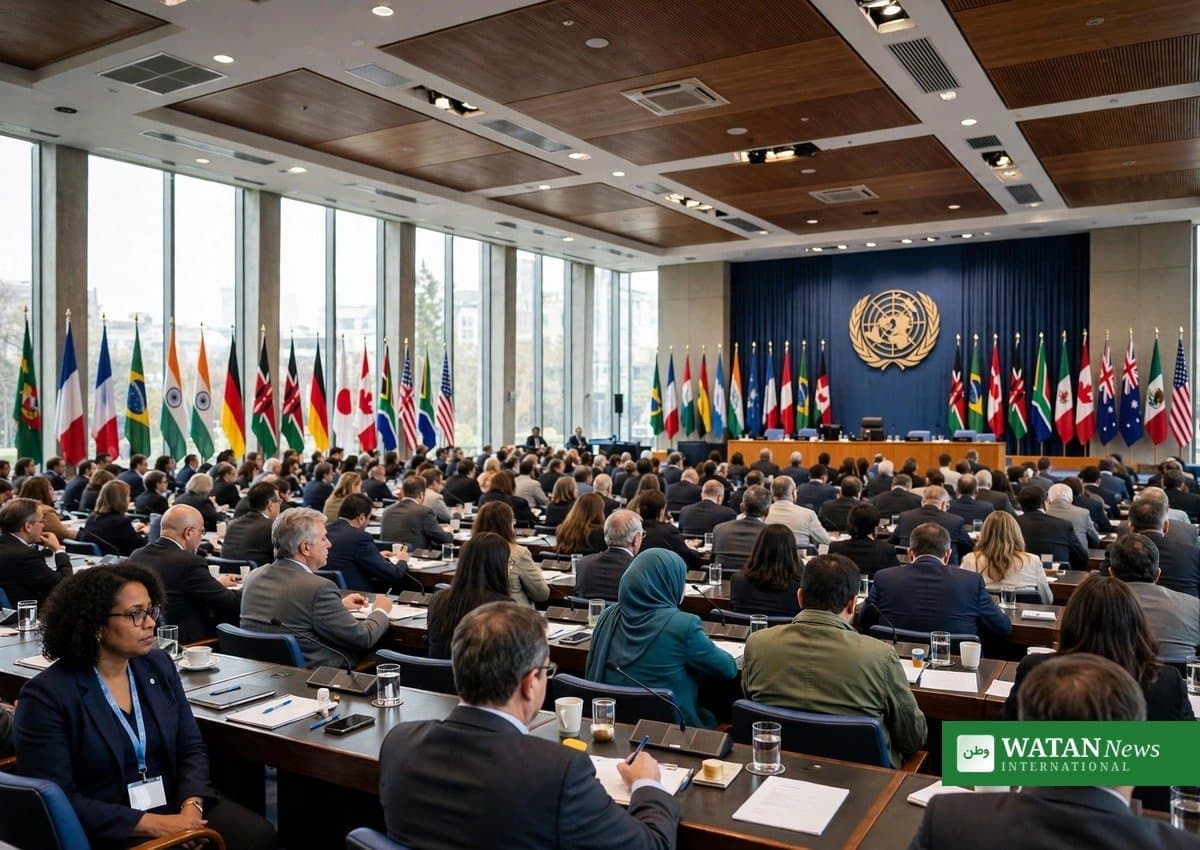
That lesson also runs through the global plastics treaty negotiations. Delegates from 11 countries met for an informal consultation in Jakarta on 13–15 October 2026, organised by Indonesia’s environment ministry and Norway’s climate and environment ministry, to look for common ground ahead of the next formal negotiating round, INC-5.4, planned for March 2027. According to the International Science Council, heads of delegations also met informally in Bangkok on 27–30 September 2026 to work from the Chair’s “Aid to Negotiations” document. The central disagreement remains whether the treaty should cover plastic production itself or focus mainly on waste management.
Key facts
- Two million plastic bottles collected and recycled under Bottle2Bag, equal to about 40 tonnes of plastic.
- Collection network: smart devices at schools and institutions, 11 reverse vending machines, 20 beach containers and 13 Smart Sustainability Oases.
- More than 90 entities involved in related environmental and social responsibility activities.
- Dubai target: divert 100% of waste from landfills under the 2021–2041 strategy, including recycling 50% of waste.
- Global context, according to UNEP: more than 430 million tonnes of plastic produced each year; about 9% recycled.
What cities can learn
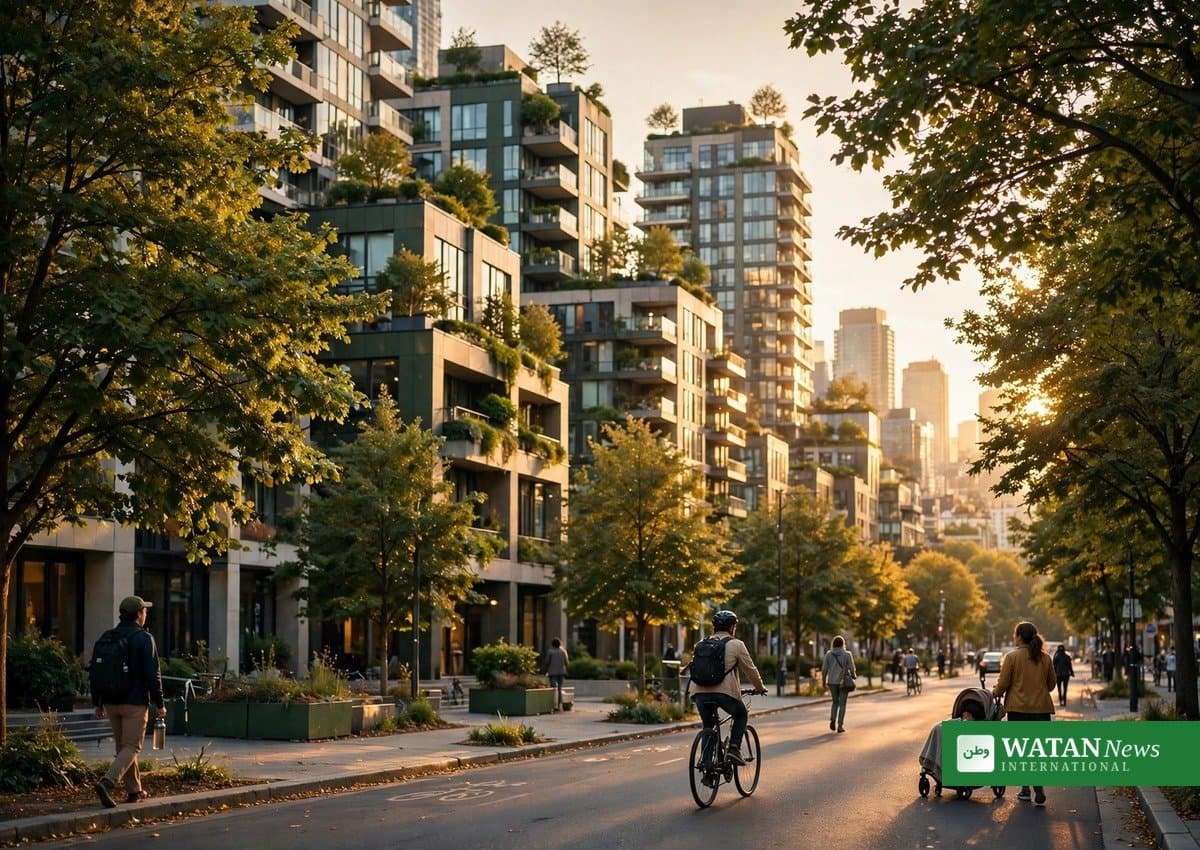
Dubai’s example does not depend on a single technology. It combines collection points in daily life, partner organisations, a visible end product and a long-term city strategy. The same combination — convenient return, trusted collection, useful reuse and a clear target — is what zero-waste movements elsewhere, including Türkiye’s Zero Waste movement, which began in 2017 and is carried internationally by the Zero Waste Foundation, have promoted as the practical side of climate action ahead of COP31 in Antalya.
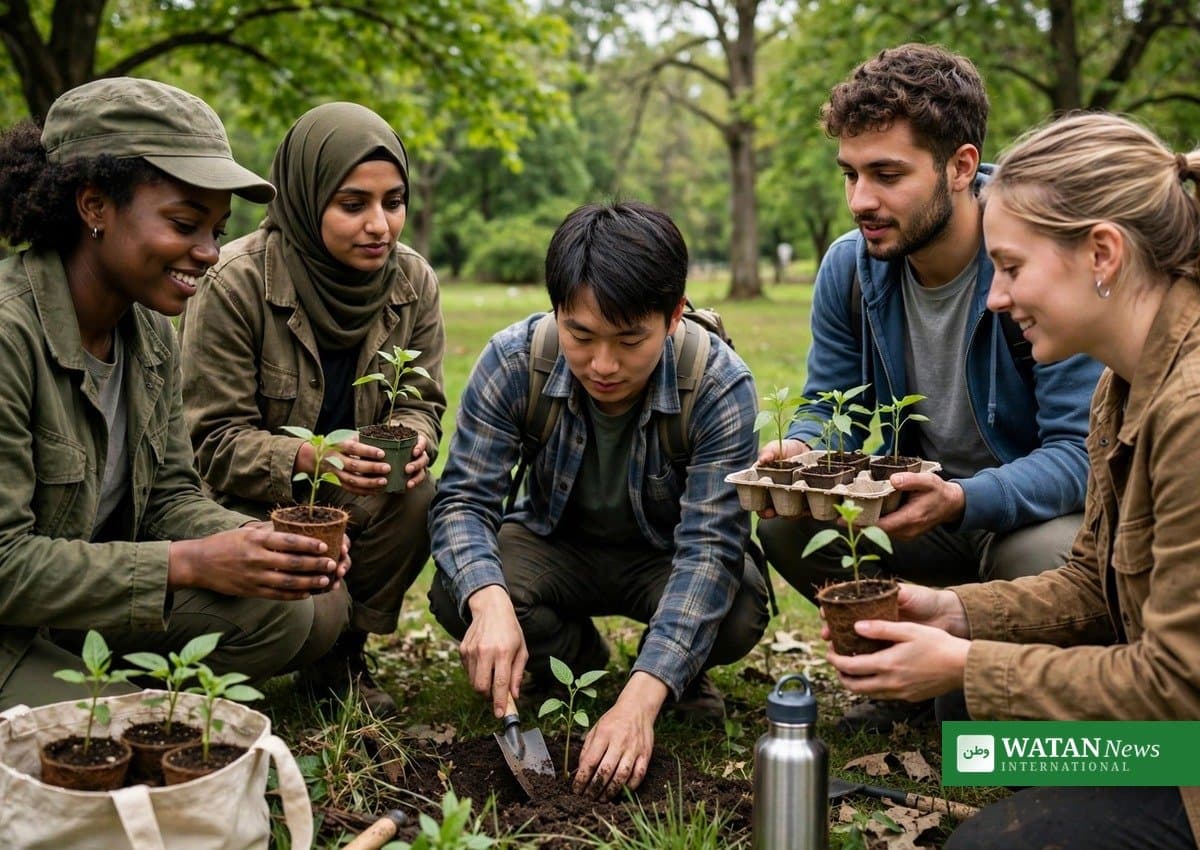
For households, the message is simple: return bottles where collection exists, choose reusable containers where possible, and keep plastic out of mixed waste so that it can actually be recycled. For cities, the message is that recycling works best when the system is designed around people’s daily routines.
Read more climate and environment coverage on Watan News International.
Conclusion
Two million bottles will not solve the world’s plastic problem. But two million bottles turned into school bags show something important: when collection is easy and the result is useful, waste stops being rubbish and starts being a resource. That is the core idea of zero waste — and it is one every city can practise.