The European Commission has proposed a European Climate Resilience Law that would require all 27 European Union member states to prepare national climate resilience plans, using a common planning trajectory that reaches 3 degrees Celsius above pre-industrial levels by the end of the century. The proposal, presented on 27 October 2026, is part of a wider EU Framework for Climate Resilience and comes less than two weeks before the COP31 climate summit opens in Antalya, Türkiye, on 9 November.
Under the proposal, each member state would carry out a national climate risk assessment by 30 June 2029 and adopt a single national strategic plan on climate resilience by 31 December 2030. The Commission would adopt the first Union strategic plan on climate resilience by 30 September 2028. The proposal still needs approval by the European Parliament and the Council before it becomes law.
One shared warming trajectory
The plans would use a common reference trajectory: 1.5 degrees Celsius above pre-industrial levels by 2030, 2 degrees by 2050 and 3 degrees by the end of the century. Member states would be encouraged to take that trajectory into account in budgeting, spatial planning and environmental impact assessments.
European Commission President Ursula von der Leyen said Europe is warming at double the global rate. Climate Commissioner Wopke Hoekstra said preparing for a 3-degree scenario does not mean abandoning the goal of limiting warming to 1.5 degrees, according to reporting of the presentation. The 1.5-degree goal remains, in the Commission’s words, a guiding compass.
What the plans must cover
The national plans would consolidate existing adaptation planning obligations into one plan, replacing overlapping requirements. Each member state would designate a central coordinating authority and name public authorities responsible for major climate risks.
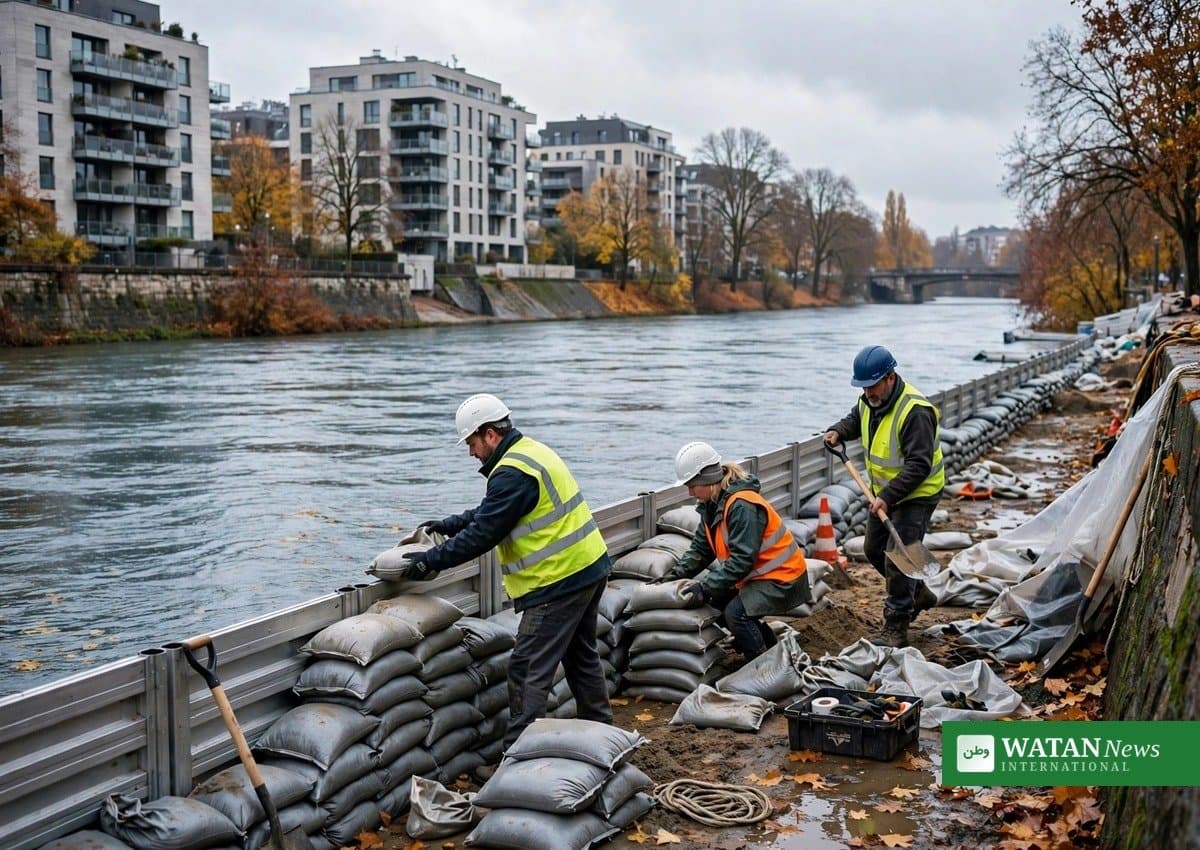
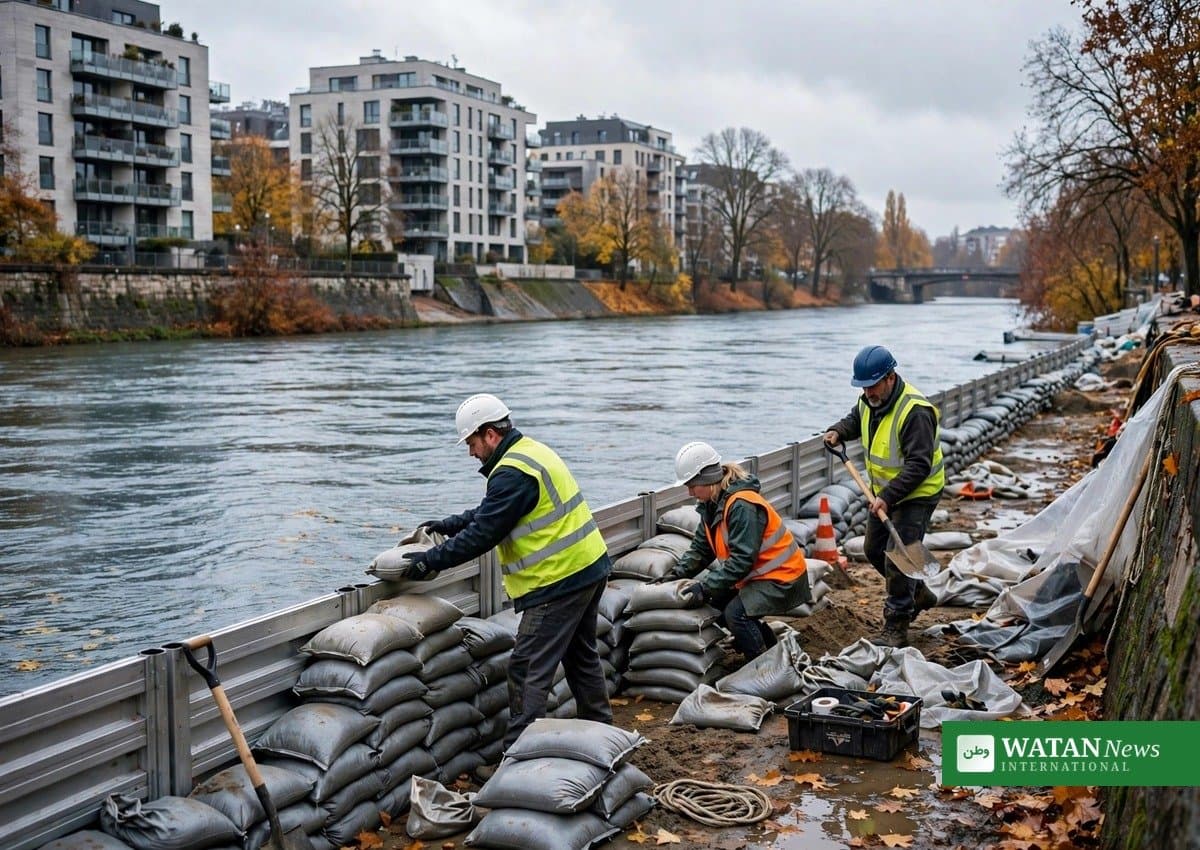
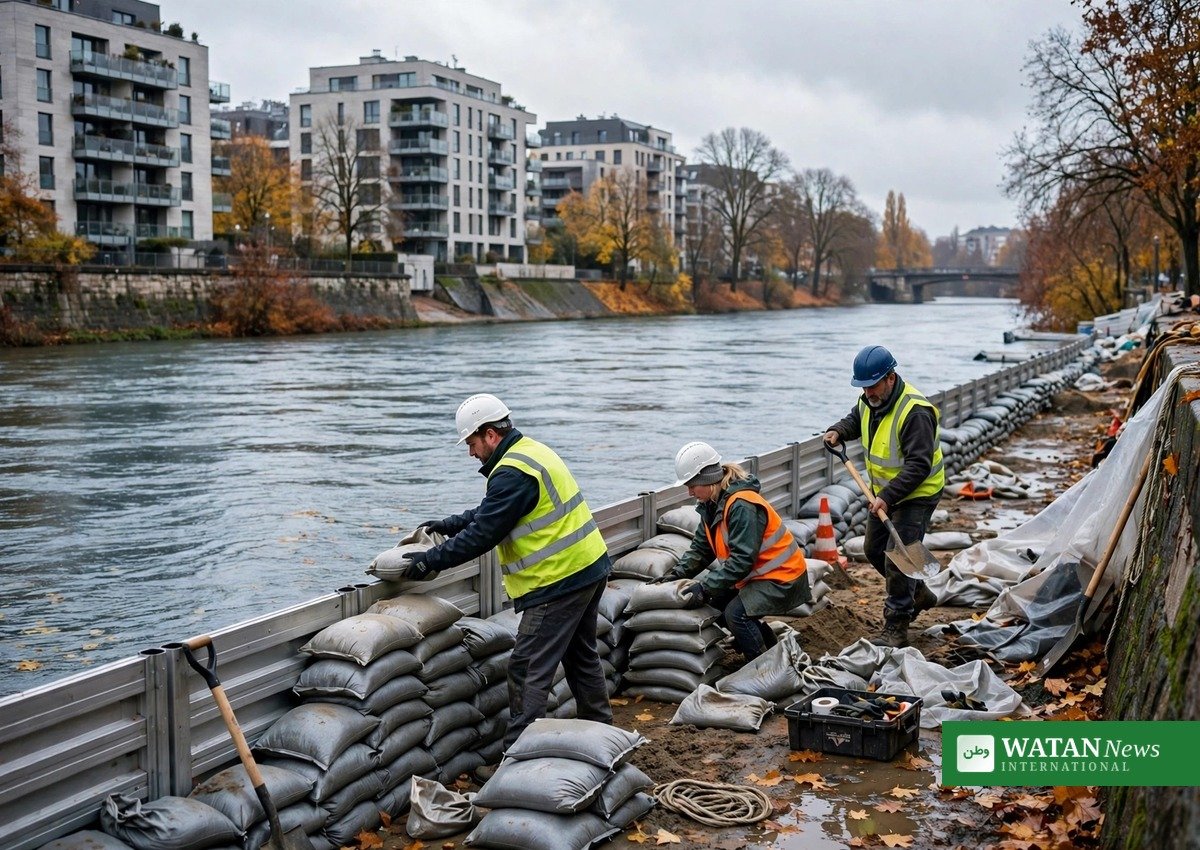
Assessments and plans would cover sectors including energy, water, communication systems and government budgets. Water security is a mandatory planning area under the proposal, covering water efficiency, reuse, and drought and flood resilience.
Why the Commission says action cannot wait
The Commission cites estimates putting economic losses from climate damage at around 50 billion euros a year between 2022 and 2025. It estimates that adapting Europe to a warmer climate needs around 70 billion euros a year in investment, against current spending of around 29 billion euros a year, according to reporting of the proposal.
Europe is described in the proposal as the fastest-warming continent. The draft seen by Bloomberg News before the formal presentation warned that climate change is threatening to increasingly undermine Europe’s social and territorial cohesion, and noted that European temperatures could rise by up to 5 degrees by 2100 on current trends. Those figures are projections, not observed temperatures, and the proposal itself is a draft law, not an adopted rule.
For more climate coverage, see the Climate section on Watan News.
Key facts
- Proposal: EU Framework for Climate Resilience and a proposed Climate Resilience Law, presented 27 October 2026.
- Who it covers: all 27 EU member states.
- Deadlines: Union strategic plan by 30 September 2028; national risk assessments by 30 June 2029; national strategic plans by 31 December 2030.
- Planning trajectory: 1.5 degrees Celsius by 2030, 2 degrees by 2050, 3 degrees by 2100.
- Status: proposal only — it needs European Parliament and Council approval.