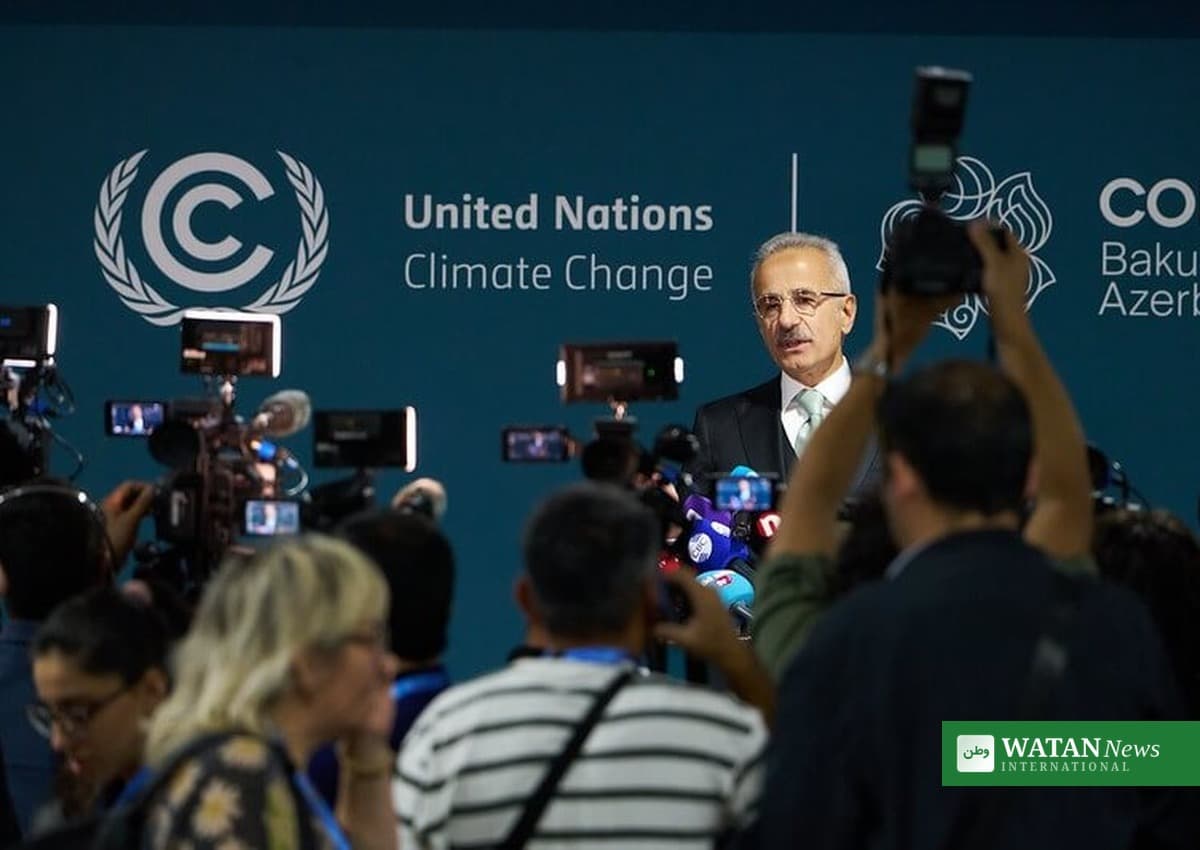
The European Commission has presented a new EU Framework for Climate Resilience, together with a proposed European Climate Resilience Law, to strengthen Europe’s ability to anticipate, prepare for and manage climate risks. The package was presented in Brussels on 27 October 2026, just weeks before the COP31 climate summit in Antalya.
The message from Brussels is a shift in approach: Europe must move beyond reacting to disasters after they happen, and start managing climate risks systematically, before heatwaves, floods, droughts and wildfires cause damage.
What the EU Climate Resilience Framework does
The framework proposes a systemic change: climate resilience is to be embedded across all major policy areas, at home and internationally, including energy, transport, buildings, agriculture, water, nature, health, employment and critical infrastructure. The aim is to make “climate resilience by design” a broad policy principle.
Support is promised for local and regional authorities, which face climate impacts first, through pilot projects and advisory services. Businesses are also in focus: the Commission says member states should be able to support investment in resilience projects, including through taxation or state aid measures, and companies should be helped to integrate climate risks into their plans.
Why now: a costly summer and rising losses
The Commission points to the summer of 2026, when prolonged heatwaves and droughts fuelled dangerous wildfires and drove some of Europe’s biggest rivers to historically low water levels. Devastating floods in past years added to the picture.
According to the Commission, estimated economic losses from climate damage in Europe between 2022 and 2025 stood at approximately 200 billion euros, or about 50 billion euros per year. Three quarters of Europeans live in cities and urban areas, where heat, flooding and water stress are felt firsthand.
European Commission President Ursula von der Leyen said: “Europe is warming at double the global rate. To become truly climate resilient, we need to adjust and learn along the way. Today, we are presenting a European approach to climate risks – to anticipate, to prepare for and to manage. We are ensuring that climate resilience will be included in policies across the continent, supporting investment, innovation and long-term growth.”
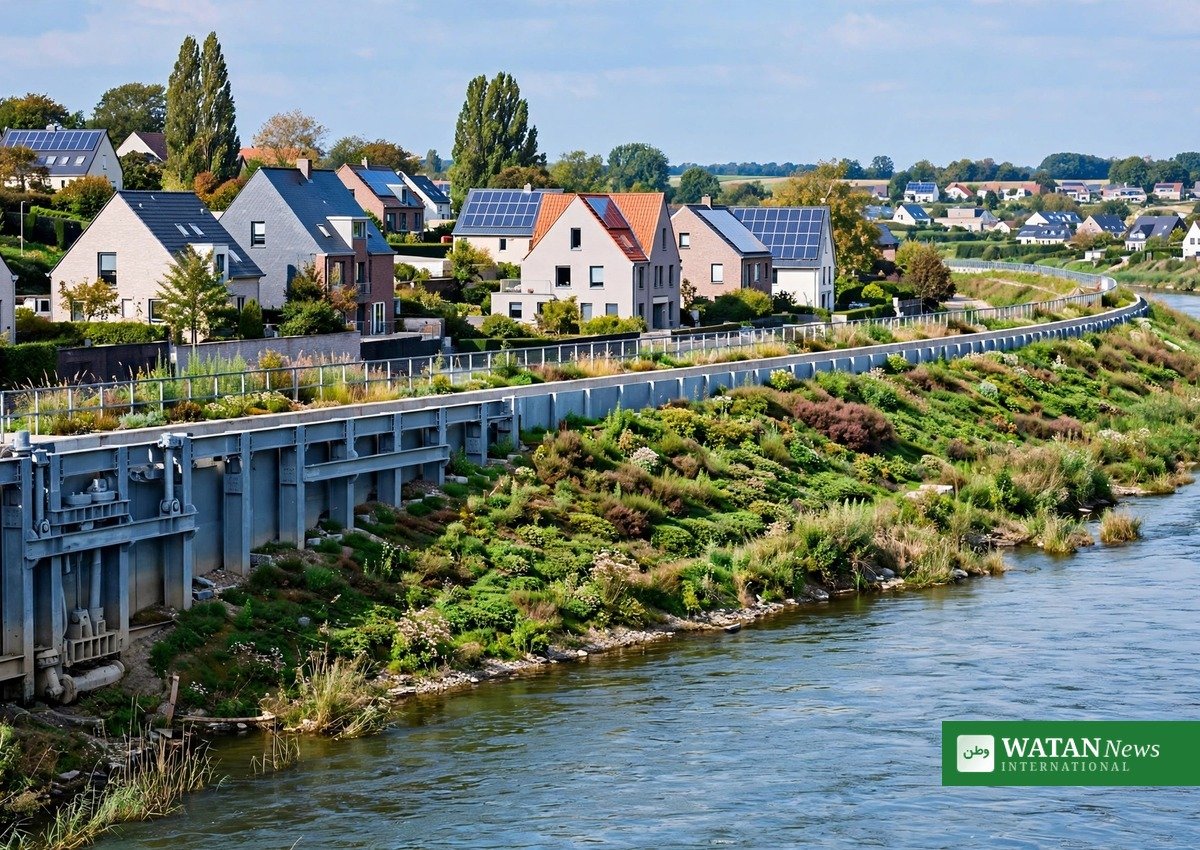
One plan, regular assessments and a shared warming trajectory
The proposed Climate Resilience Law would give member states a common set of rules for identifying, assessing and managing climate risks. National planning obligations would be simplified into one single national strategic plan, reducing administrative burden.
Climate risk assessments would become improved and more regular, so that assessments at EU and national level are consistent and comparable. The law also sets a common reference trajectory for global warming: on current scientific evidence, the world is on a path to warm by 1.5 degrees Celsius above pre-industrial levels by 2030, 2 degrees by 2050 and 3 degrees by 2100. Member states would use that shared baseline when they assess future risks.
EU Commissioner for Climate, Net Zero and Clean Growth Wopke Hoekstra said: “Every euro invested in resilience today helps protect jobs, businesses and livelihoods tomorrow. This new Framework will help us build a more resilient and competitive economy, while ensuring that no region or community is left behind.”
New digital tools for cities, regions and businesses
The framework also promises practical tools on the European online platform for climate resilience. The European Climate Viewer, developed by the European Centre for Medium-Range Weather Forecasts, will provide an interactive map of projected climate hazards across the continent; a digital tool launched on 28 October 2026 lets users visualise locally what warming trajectories of 1.5 degrees by 2030, 2 degrees by 2050 and 3 degrees by 2100 could mean for their area.
The Navigator of Climate Resilience Tools, developed by the European Environment Agency, helps users find relevant tools based on their location, sector and the specific risks they face. The Mission Solutions Explorer showcases practical adaptation solutions tried and tested by regions, cities and communities through the EU Mission on Adaptation to Climate Change.
The economic case for climate action
Adapting Europe’s infrastructure and economy to future climate conditions is expected to require investment of around 70 billion euros per year, according to the Commission. The estimated return on investment in climate adaptation can reach more than 10 times its value in avoided loss and damage.
The global market for climate adaptation solutions is projected to quadruple in size to 3.5 trillion euros by 2050, which the Commission presents as an opportunity for European businesses to innovate and become technology leaders in resilience solutions. Complementing the framework, the European Investment Bank Group presented its Climate Adaptation plan last week, committing to double its financing on climate resilience to at least 30 billion euros by 2030.
Agence Europe, reporting on the presentation, noted that the framework does not impose binding climate adaptation measures on member states or local authorities, and that no additional funding is planned to implement it, with the share of the EU’s long-term budget expected to be allocated to climate and the environment intended to help fill the gap. The proposal is therefore a starting point for negotiation, not a finished law.
What happens next
The Commission says it will immediately begin implementing the framework, and will put forward an Implementation Plan within six months. A Union strategic plan on climate resilience is expected in 2028, and every five years after that.
Further measures are also in preparation: a European heatwave plan, a climate insurance alliance and a European water initiative, along with a PreparEU Advisory Group on disaster preparedness and an initiative to identify Europe’s 100 most climate-vulnerable territories. The EU’s commitment to becoming climate neutral by 2050 stands, the Commission says; this framework prepares Europe for the climate impacts that are already unavoidable.
Cities are central to this agenda, as shown by the recent Delhi Declaration on cities ahead of COP31, covered here: Delhi Declaration puts cities at the heart of COP31 climate action.
FAKTA
- What: EU Framework for Climate Resilience and a proposed European Climate Resilience Law, presented 27 October 2026.
- Goal: Anticipate, prepare for and manage climate risks, instead of only reacting to disasters.
- Cost of inaction: About 200 billion euros in climate damage in Europe, 2022-2025, or about 50 billion euros a year.
- Investment needed: Around 70 billion euros a year to adapt infrastructure and the economy, with returns of more than 10 times in avoided losses.
- Shared baseline: Warming of 1.5 degrees Celsius by 2030, 2 degrees by 2050 and 3 degrees by 2100.
- Next steps: Implementation Plan within six months; Union strategic plan on climate resilience in 2028.