Global food prices climbed to their highest level in nearly four years in September, the United Nations Food and Agriculture Organization (FAO) reported on 2 October, as logistics disruptions and weather concerns pushed up the cost of cereals, sugar and vegetable oils. The FAO Food Price Index averaged 136.0 points in September, up 2.0 points — or 1.5 percent — from its revised August level, marking the highest reading since November 2022.
FAKTA
- The index: 136.0 points in September 2026, up 1.5% from August and 5.8% higher than a year earlier.
- Biggest movers: sugar jumped 6.1% and cereals rose 5.1% in a single month; vegetable oils edged up 0.9%.
- Cooling segments: meat prices eased 1.1% while dairy held broadly stable.
- The drivers: shipping disruptions in the Strait of Hormuz and the Black Sea, plus fears of a severe El Niño weather pattern.
Cereals and sugar drive the increase
The agency’s benchmark indices for the three crop-based commodity groups — cereals, vegetable oils and sugar — all increased from the previous month, while the meat price index declined and the dairy price index remained stable. The September reading stood 7.4 points (5.8 percent) higher than a year earlier, though it remained 24.3 points (15.1 percent) below the record peak reached in March 2022.
What moved in September
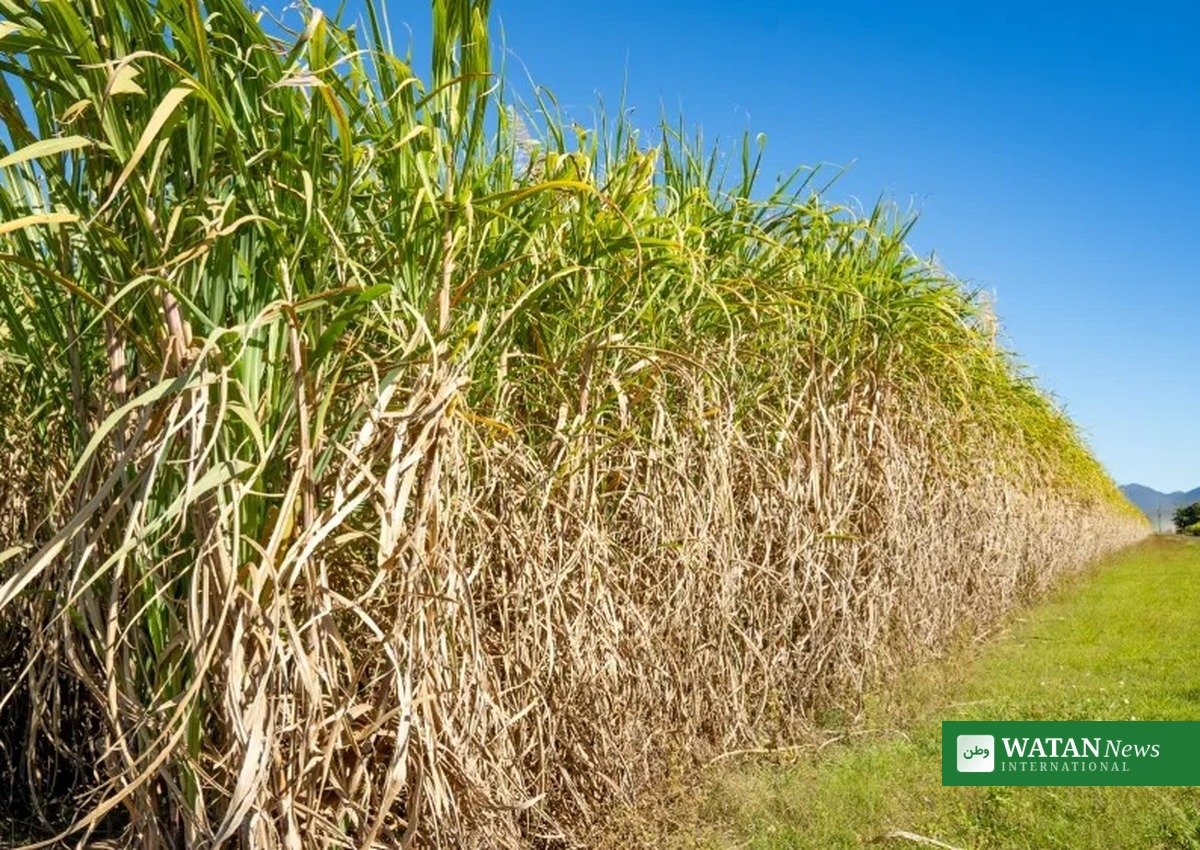
Sugar was the fastest-rising major category. The FAO’s sugar price index jumped 6.1 percent from August — a third consecutive monthly increase — taking international sugar prices to an 18-month high as concerns about a severe El Niño weather pattern raised the risk of weaker production in major growing regions.
The cereal price benchmark rose 5.1 percent on the month, averaging 122.8 points — 17.2 percent above September 2025. Reduced yield prospects for US corn added to the pressure from disruptions to Black Sea grain trade, which pushed wheat futures to a three-year peak in early September. Vegetable oil prices edged up 0.9 percent to 198.6 points, 18.3 percent above a year earlier, driven by palm oil on the back of strong demand and concerns over El Niño-related production risks in Southeast Asia.
Index snapshot
| Commodity group | September 2026 index | Change vs August | Change vs a year earlier |
|---|---|---|---|
| Overall Food Price Index | 136.0 | +1.5% | +5.8% |
| Cereals | 122.8 | +5.1% | +17.2% |
| Vegetable oils | 198.6 | +0.9% | +18.3% |
| Dairy | 119.1 | −0.1% | −19.1% |
| Meat | 127.9 | −1.1% | Roughly unchanged |
| Sugar | 114.0 | +6.1% | +14.7% |
Meat and dairy buck the trend
Not every category moved higher. The FAO’s overall meat index eased 1.1 percent to 127.9 points, reflecting lower poultry prices — partly linked to a drop in European Union demand as new import rules took effect. Dairy prices held broadly stable at 119.1 points, just 0.1 percent below August, and remained 19.1 percent lower than the level seen twelve months earlier.
Logistics and weather squeeze supply chains
FAO Chief Economist Máximo Torero said the agency was seeing “a persistent and increasingly broad-based build up in global commodity prices, as disruptions in the Strait of Hormuz and the Black Sea combine with climate shocks, putting pressure on energy, transport and key food commodities.”
“If sustained, these pressures will soon pass through to consumer food prices, especially in food and energy import-dependent countries,” Torero added.
The FAO maintained its forecast for global cereal production in 2026 largely unchanged at 2.979 billion metric tons — 2.1 percent below 2025 levels but still the second-highest harvest on record. It also lowered its projection for global cereal trade in 2026/27 by 0.7 percent, citing reduced expectations for wheat and maize exports amid constrained shipping routes in the Black Sea.
For more on the FAO’s monthly gauge, see the FAO Food Price Index page. Related coverage: Watan News food section.
What it means for shoppers
The index tracks international prices for a basket of traded food commodities, not supermarket shelf prices — but sustained increases at this level can eventually feed through to household grocery bills, particularly in countries that rely heavily on imported food and energy. With sugar at an 18-month high and wheat at a three-year peak, the coming months will test whether the current squeeze is a short shock or the start of a longer upward trend.