Saudi air defences intercepted Houthi missiles over Riyadh early on Tuesday, the Saudi-led coalition said, shooting down a ballistic missile and a cruise missile above the capital. A second ballistic missile was brought down over the southern region of the kingdom, coalition spokesman Maj. Gen. Turki al-Maliki said, blaming the Iran-backed Houthi movement in Yemen for the attacks.
FAKTA
- On Tuesday, 17 November, Saudi air defences intercepted a ballistic missile and a cruise missile over Riyadh, and a second ballistic missile over the southern region.
- On Monday, the East-West oil pipeline was attacked again in the Medina region, causing a limited fire that was extinguished. No injuries were reported and pipeline operations were unaffected.
- On Sunday, falling debris from an attempted attack caused minor damage to the Aramco Tower in Riyadh’s King Abdullah Financial District. No injuries were reported.
- The East-West pipeline runs about 1,200 kilometres from Abqaiq to the Red Sea port of Yanbu and now carries about four million barrels of crude a day, around four per cent of global supply.
- Saudi authorities say at least 26 people have been killed in suspected Houthi attacks inside the kingdom since late September.
Houthi missiles over Riyadh: what the coalition said
Maj. Gen. al-Maliki announced the interceptions in a series of posts on X, saying a ballistic missile and a cruise missile were intercepted and destroyed over Riyadh, while a second ballistic missile was downed over the southern part of the country. Multiple explosions were heard in Riyadh, according to the AFP news agency, and residents received text-message alerts instructing them to take shelter because of an aerial threat. A subsequent message from the country’s civil defence agency said the danger had passed. There was no immediate comment from the Houthis on Tuesday’s interceptions.
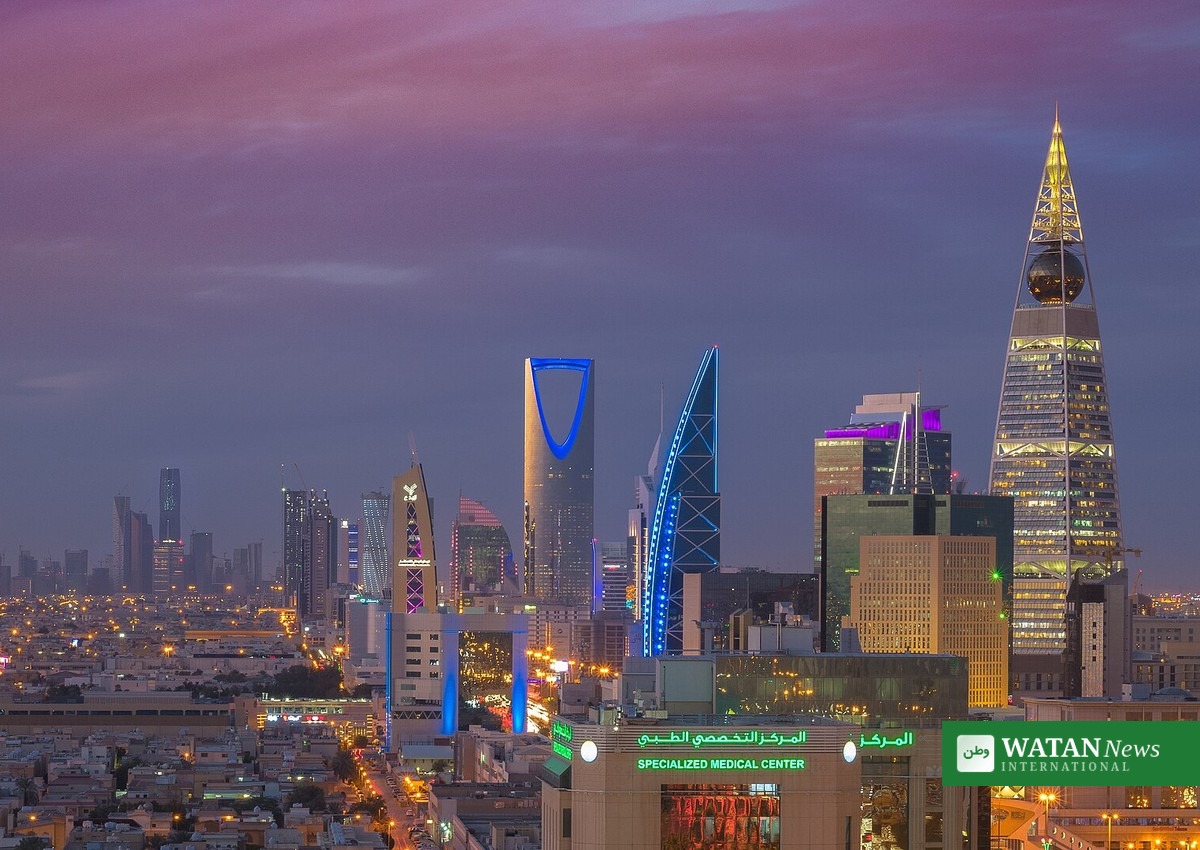
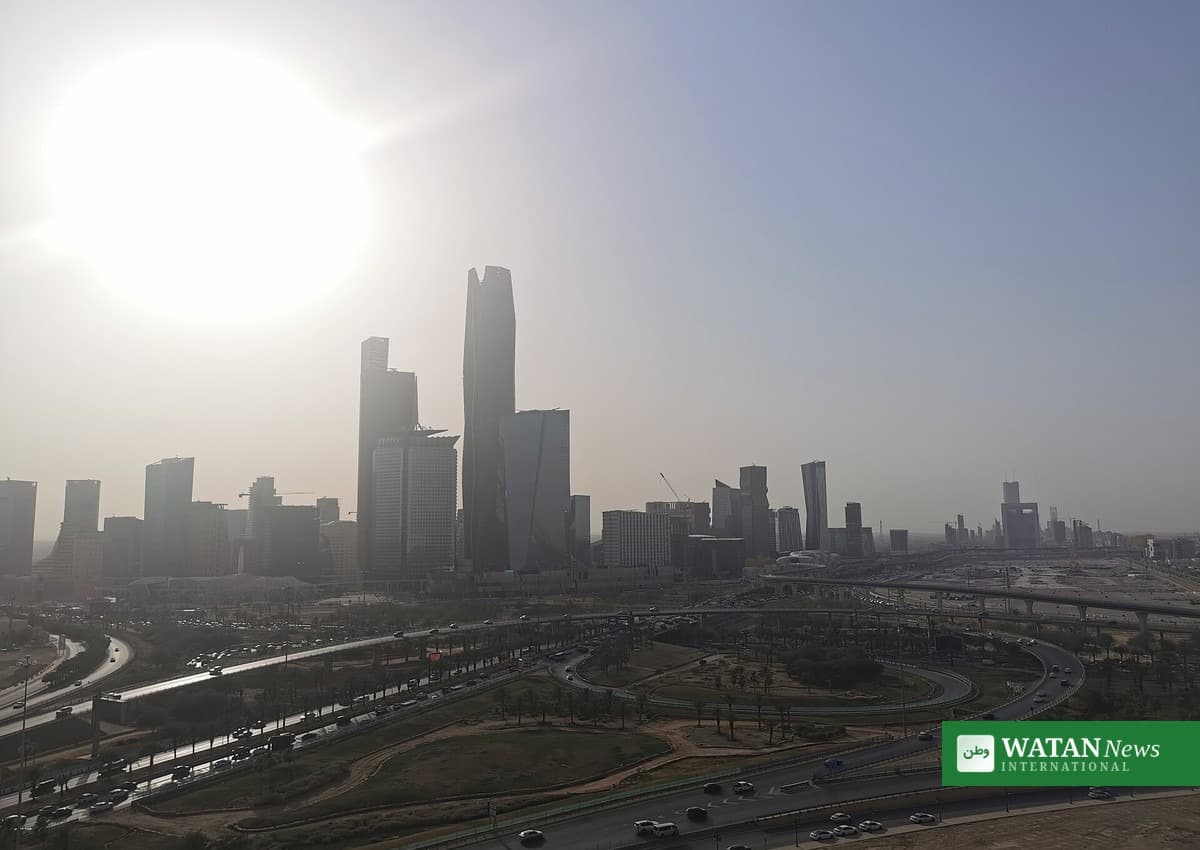
The Riyadh skyline at dusk. Explosions were heard across the capital on Tuesday as air defences intercepted missiles overhead. (File photo: Wikimedia Commons)
Pipeline hit again in Medina region
Tuesday’s interceptions came a day after Saudi Arabia reported a new attack on its key East-West pipeline in the Medina region of western Saudi Arabia. An official at the Saudi Ministry of Energy told the state-run Saudi Press Agency that the strike had caused a “limited fire” that was extinguished, with no injuries reported and pipeline operations unaffected. The report did not identify who was behind the attack.
The Houthis also said on Tuesday that they had sent five drones against pumping stations on the pipeline. Saudi Arabia has not confirmed any damage to a pumping station, and the claim has not been independently verified.
Capital came under fire on Sunday too
Tuesday’s interceptions followed a heavy round of attacks on Sunday, when the coalition said it had destroyed two ballistic missiles aimed at Riyadh and three drones over the Eastern Province, along with drones over the Makkah and Madinah regions. Saudi officials said falling debris from an attempted attack had caused minor damage to the Aramco Tower in Riyadh’s financial district. Images released by the Saudi Press Agency showed the deputy governor of the Riyadh region and other officials inspecting the building, with damage visible on several floors.
The Houthis claimed Sunday’s strikes, saying their missiles had targeted King Khalid International Airport and a financial centre in the capital, and that drones had hit two pumping stations on the East-West pipeline. The Houthis have denied targeting the holy cities, calling the coalition’s accounts of drones over Makkah and Madinah fabricated.
Why the pipeline matters
The East-West pipeline, also known as Petroline, runs about 1,200 kilometres from Abqaiq in the Eastern Province to the Red Sea port of Yanbu, allowing Saudi Arabia to export crude without relying entirely on the Strait of Hormuz. Roughly four million barrels a day — around four per cent of global supply — now move through the line after shipping through Hormuz was disrupted by the war on Iran. The pipeline has come under attack several times in recent weeks, and the Houthis have repeatedly claimed strikes on its pumping stations.
Fighting in Yemen continues
Houthi drone and missile attacks on Saudi cities, airports and energy infrastructure have sharply increased since September, when Yemen’s long truce collapsed. Saudi authorities say at least 26 people have been killed in suspected Houthi attacks inside the kingdom since late September. The United Nations Security Council has demanded the group halt its attacks on Saudi Arabia.
Meanwhile, the Houthi-run Saba news agency reported Saudi-led coalition air strikes on Sanaa, the Yemeni capital, which the Houthis control. Saba said the strikes hit the al-Mufazir gas facility in the Jadar district, north of the capital, and a building belonging to the state oil company in southern Sanaa. Civil defence teams were working to put out a fire in gas trailers at the al-Mufazir station, it said. The coalition did not immediately confirm the strikes.
Read our earlier coverage: Houthis Renew Strikes on Saudi Arabia as UN Extends Yemen Sanctions and Saudi Arabia Confirms East-West Pipeline Attack in Medina Region. This story is also available at Saudi Arabia Intercepts Houthi Missiles Over Riyadh as Pipeline Hit Again.