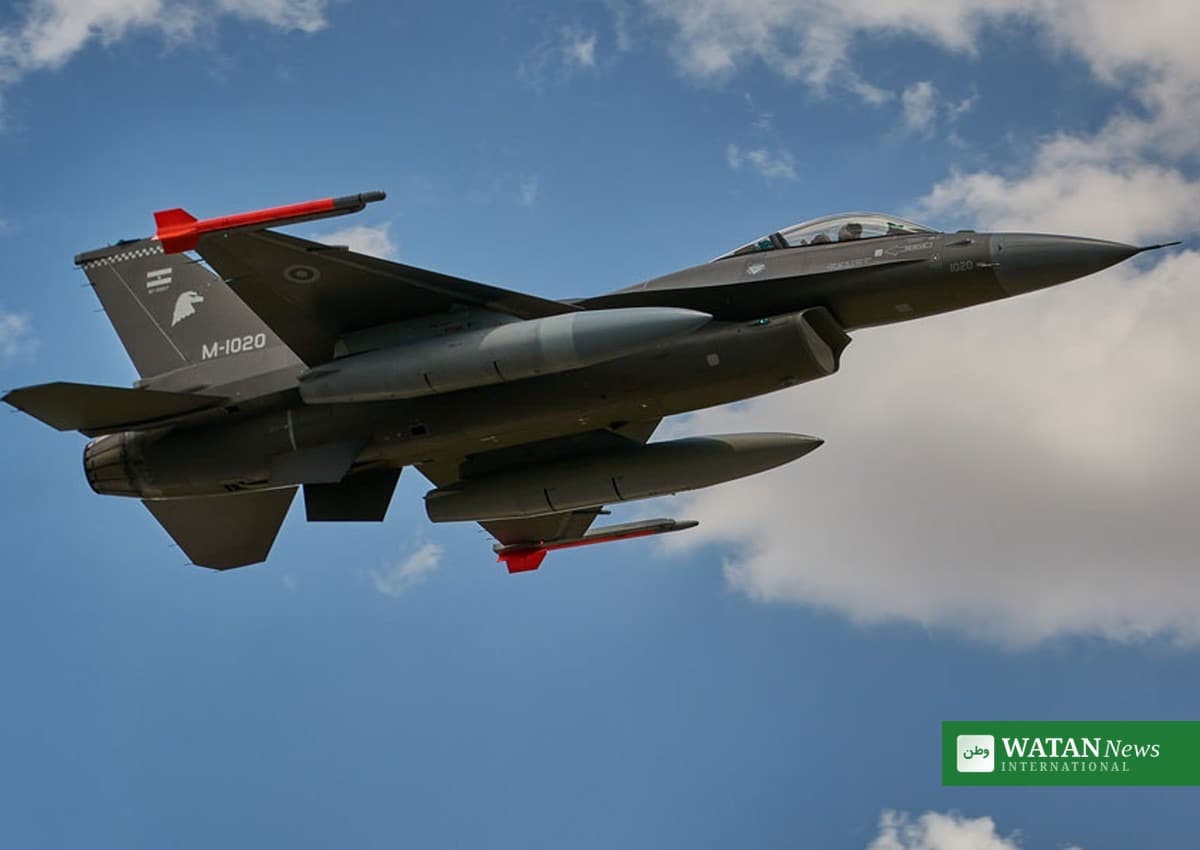
Iran has designated Argentina’s navy and air force as “terrorist organizations”, its Foreign Ministry said on Wednesday, 11 November 2026, in a reciprocal move after Buenos Aires listed Iran’s Islamic Revolutionary Guard Corps (IRGC) as a terrorist entity earlier this year. Tehran said the step rests on the principle of reciprocity and on a 2019 Iranian law, and it made no mention of Argentina’s army.
Read this story on Watan News: Iran Designates Argentina’s Navy and Air Force as Terrorist Organizations
FAKTA
- Iran’s Foreign Ministry said on Wednesday, 11 November 2026, that it considers Argentina’s navy and air force “terrorist organizations”, based on the principle of reciprocity.
- The move answers Argentina’s designation of Iran’s Islamic Revolutionary Guard Corps (IRGC) as a terrorist entity earlier this year. Argentina added the IRGC to its Public Register of Persons and Entities Linked to Acts of Terrorism and Their Financing (RePET) on 31 March, and the resolution was published in the Official Gazette on 6 April, according to Clash Report; Reuters dates the Argentine move to April.
- Iran said the step rests on a 2019 law, the “Reciprocal Action Against the US Declaration of the IRGC as a Terrorist Organization”, which provides for reciprocal measures against countries that in any way follow or support the United States’ designation of the IRGC.
- Iran’s Foreign Ministry said “the responsibility for all consequences arising from this matter will lie with the Argentine government”, without elaborating. It made no mention of Argentina’s army.
- Argentina said its IRGC listing was due to the force’s backing for Lebanon-based Hezbollah, which Buenos Aires blames for the 1994 bombing of the AMIA Jewish community centre in Buenos Aires, which killed 85 people and injured hundreds, and the 1992 bombing of the Israeli Embassy, which killed 29 people. Iran has long rejected those accusations.
- The IRGC is an elite military force that protects Iran’s clerical rule and controls large parts of the country’s economy, according to Reuters.
- There was no immediate official comment from Buenos Aires, Clash Report said.
Argentina’s Navy and Air Force: What the Designation Covers
The Iranian statement names two of Argentina’s three armed services: the navy and the air force. The army was not named, a point both Reuters and Clash Report noted. Iran’s Foreign Ministry said the two services are now subject to the provisions of the 2019 reciprocity law, but the statement did not spell out what practical measures, if any, would follow from the designation.
The announcement is a legal and political countermeasure, not a claim that Argentine forces were involved in attacks on Iran, Clash Report said. It is the latest step in a dispute that has run for more than three decades, rooted in the two bombings in Buenos Aires in the 1990s and in Argentina’s long-standing accusations against Iran and Hezbollah, which Tehran rejects.
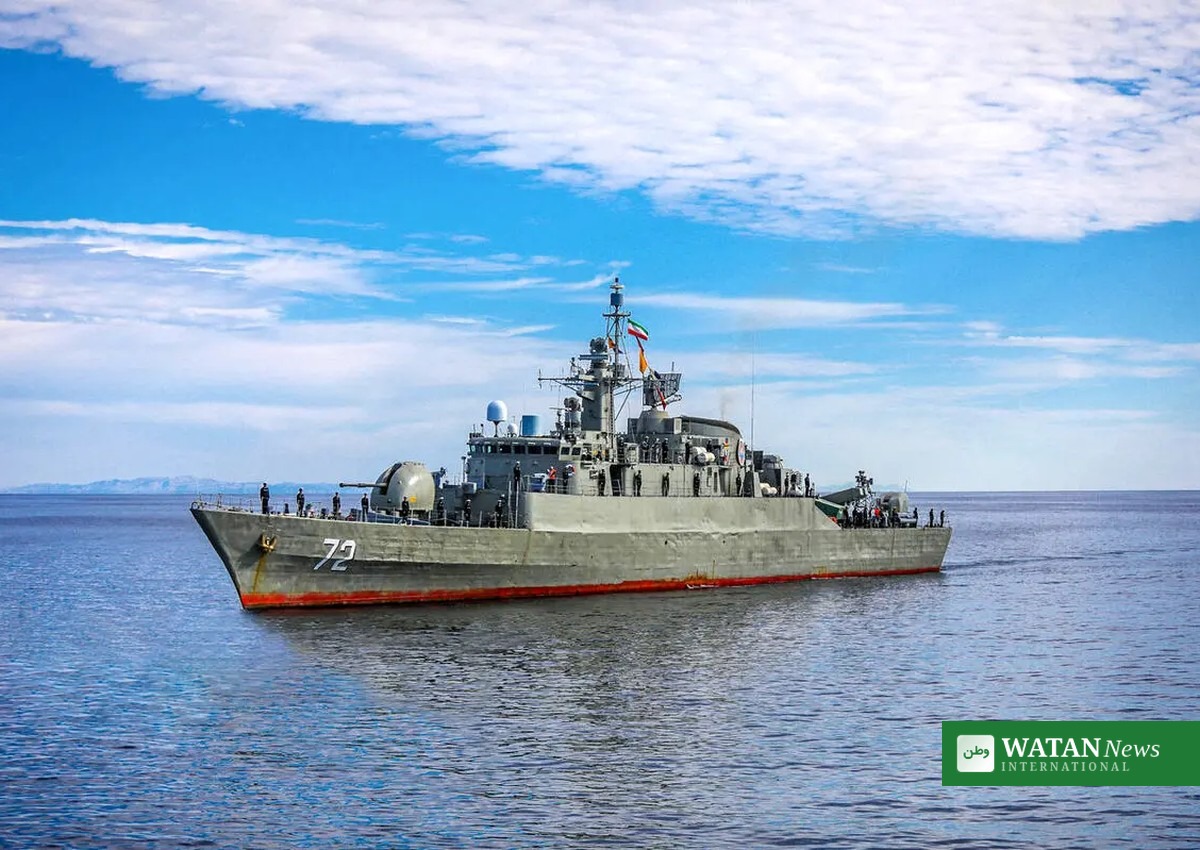
An Iranian Navy warship at sea. Iran’s designation of Argentina’s navy and air force is a reciprocal legal step under a 2019 law, not a claim of Argentine involvement in attacks on Iran.
The 2019 Law Behind the Move
Iran adopted the reciprocity law in 2019, after the United States designated the IRGC as a terrorist organization. The law provides that countries that follow or support the American decision shall face reciprocal measures, and Iran’s Foreign Ministry cited it directly in Wednesday’s statement.
Argentina’s listing of the IRGC followed a push by the administration of US President Donald Trump for allies to list the force, Reuters reported. That context is central to Tehran’s framing: it presents its move as the automatic consequence of a law aimed at any country that joins the US designation, rather than as a new dispute with Argentina alone.
Why Argentina Listed the IRGC
Argentina’s government tied its IRGC listing to the two Buenos Aires bombings. President Javier Milei’s office said judicial investigations and intelligence work had found that both attacks were planned, financed and executed with the direct participation of senior Iranian officials and Revolutionary Guard operatives, and it described Hezbollah as the IRGC’s operational arm in the region, Clash Report said.
Buenos Aires had already designated the IRGC’s overseas Quds Force in January, before adding the whole corps to the RePET register. Milei, who has described the IRGC listing as settling “a historical debt of more than 30 years with the families of the victims”, has made the bombings a central part of his government’s foreign policy. Iran has long rejected the accusations.
What Happens Next
Neither side has spelled out what practical consequences the designations will carry. Argentina’s IRGC listing allows financial sanctions and operational restrictions under its own law; Iran’s statement gave no equivalent detail for the Argentine navy and air force, saying only that responsibility for all consequences would lie with the Argentine government.
There was no immediate official comment from Buenos Aires. What to watch now is whether Argentina responds publicly, whether either side takes concrete steps under its own designation, and whether the exchange draws in other countries that have also listed the IRGC.
Conclusion
Iran’s designation of Argentina’s navy and air force as terrorist organizations is a measured but pointed reply to Buenos Aires, built on a 2019 reciprocity law and framed as an automatic consequence of Argentina’s own IRGC listing. The army was left out, no practical measures were announced, and Argentina has yet to respond. For now, the exchange is a war of legal labels, but it adds a new strain to a dispute that has already lasted more than 30 years.