Yemen’s government has announced the Yemen Houthi offensive — a major military campaign to retake all Houthi-held territory — as Iran declared its armed forces ready to confront any new US attack while remaining open to diplomacy. The twin developments, unfolding within days of each other, signal a dangerous new phase in the Middle East’s overlapping conflicts. Read the full story on the main site: Iran Ready for US Attacks Amid Intensified Yemen Fighting.
Key Facts
- What: Yemen’s internationally recognised government, led by the Presidential Leadership Council, announced on Sunday 4 October 2026 a major counteroffensive to recapture all areas controlled by the Iran-backed Houthis, calling it the “battle of liberation” to end the Houthi coup.
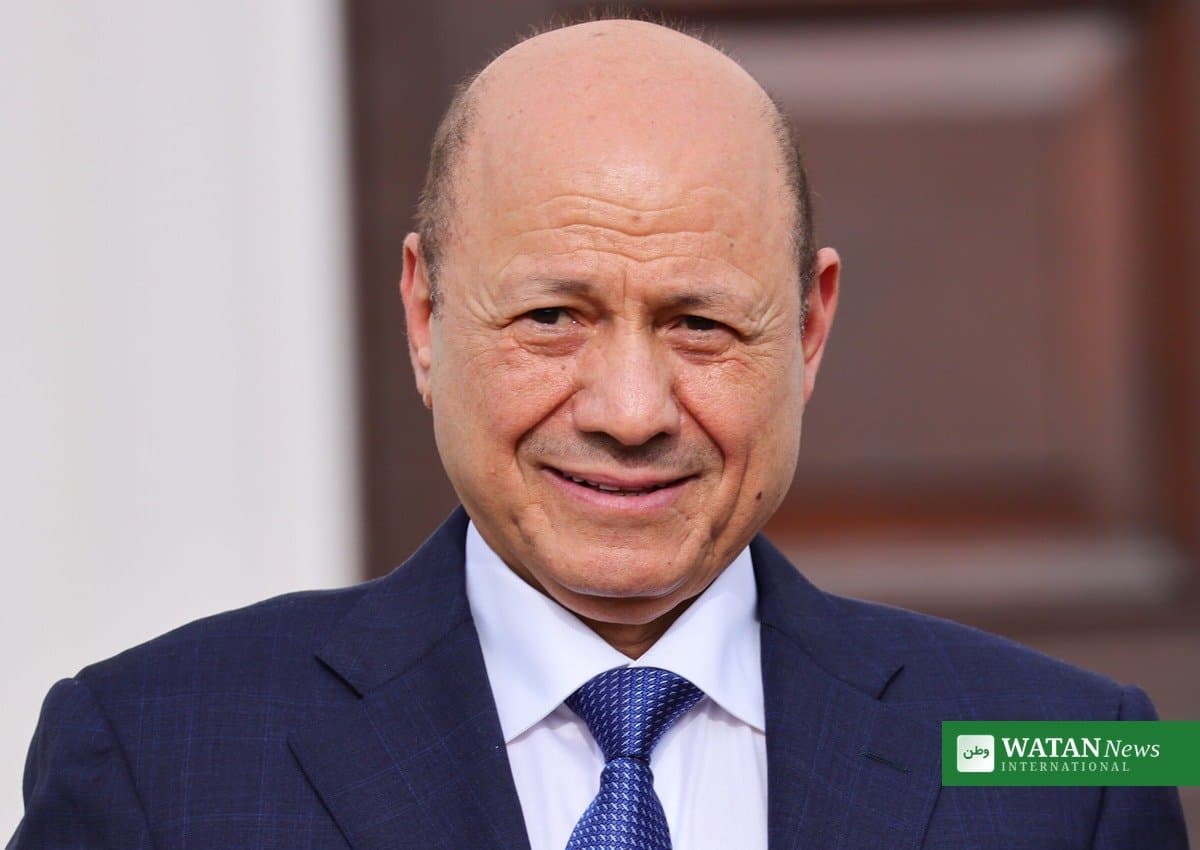
- Who: The announcement was made by PLC head Rashad al-Alimi in a televised address; a Yemeni military spokesman urged Houthi fighters to lay down their weapons.
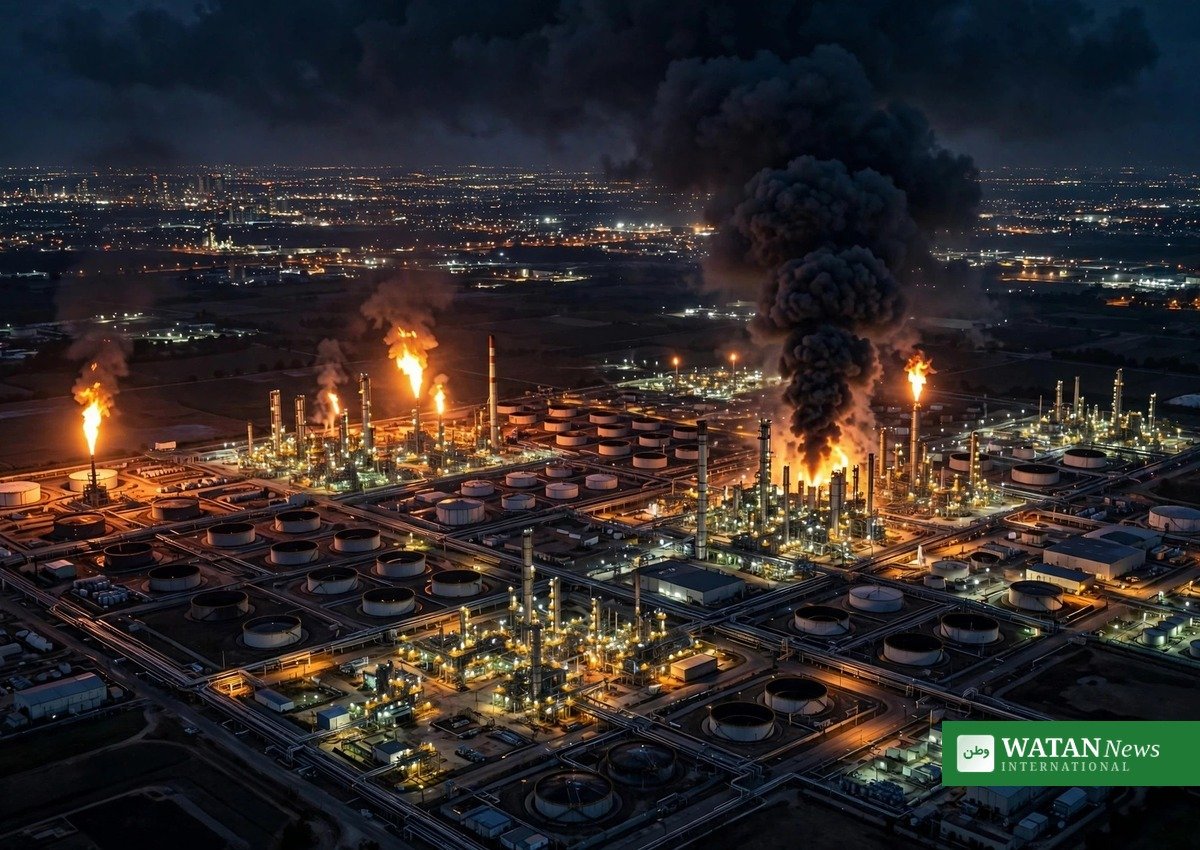
- Houthi counterclaim: Houthi spokesman Yahya Saree said the group had fired ballistic missiles and drones at Saudi Aramco sites in Riyadh and the Khurais area, claiming major fires, in response to 50 Saudi-led strikes in 12 hours. Saudi Arabia has not confirmed the attack.
- Recent frontline moves: The Houthis’ surprise offensive last month captured the strategic Bab el-Mandeb strait and some 150 km of Red Sea coast, giving them leverage over international shipping.
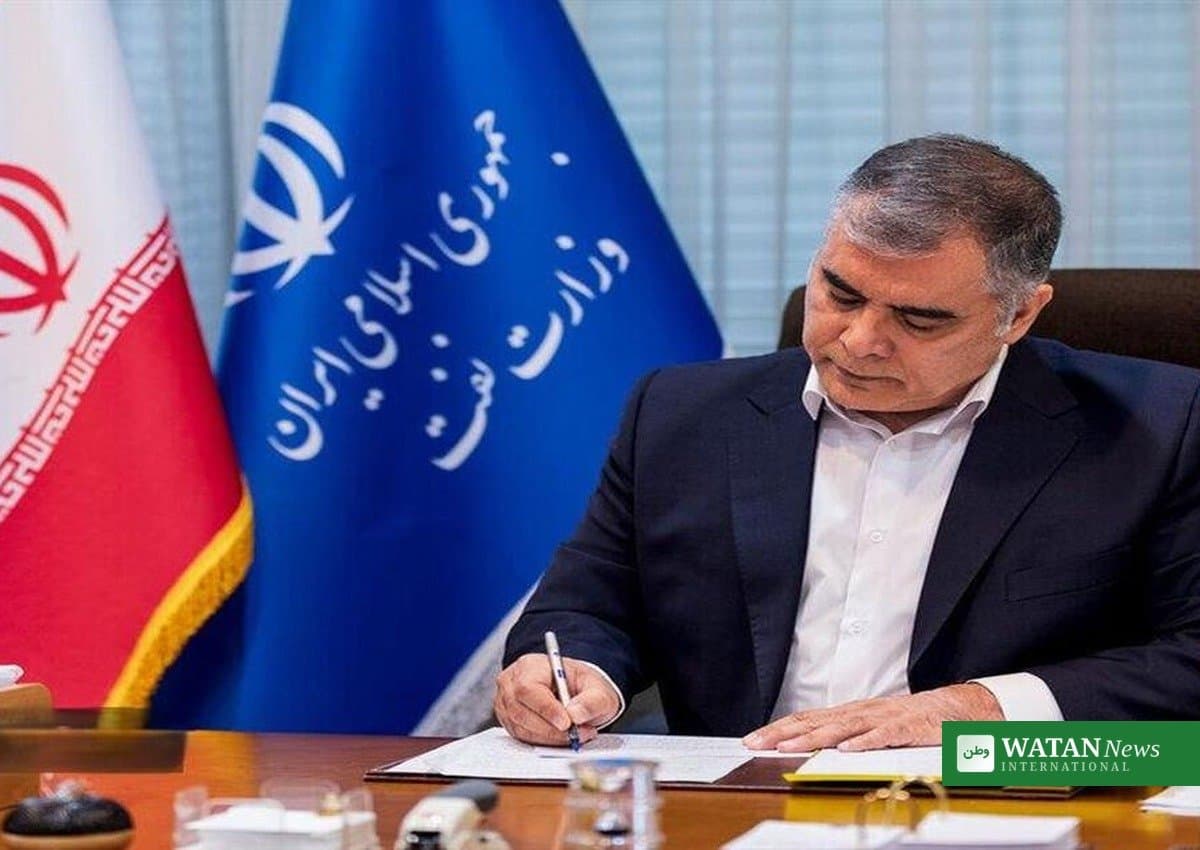
- Iran: Foreign ministry spokesman Esmaeil Baqaei said at a weekly press conference in Tehran that Iran is “open to diplomacy, ready for war” — the armed forces will resolutely confront any new US attack.
- US position: President Trump warned Tehran on 1 October to make a deal or face more attacks, as the US-Israeli war against Iran, launched in February 2026, enters its seventh month.
- Oil impact: On 2 October the G7 agreed to release 100 million barrels of diesel and crude from emergency reserves as the conflict squeezes global fuel supplies.
The Yemen Houthi offensive: Al-Alimi’s “battle of liberation”
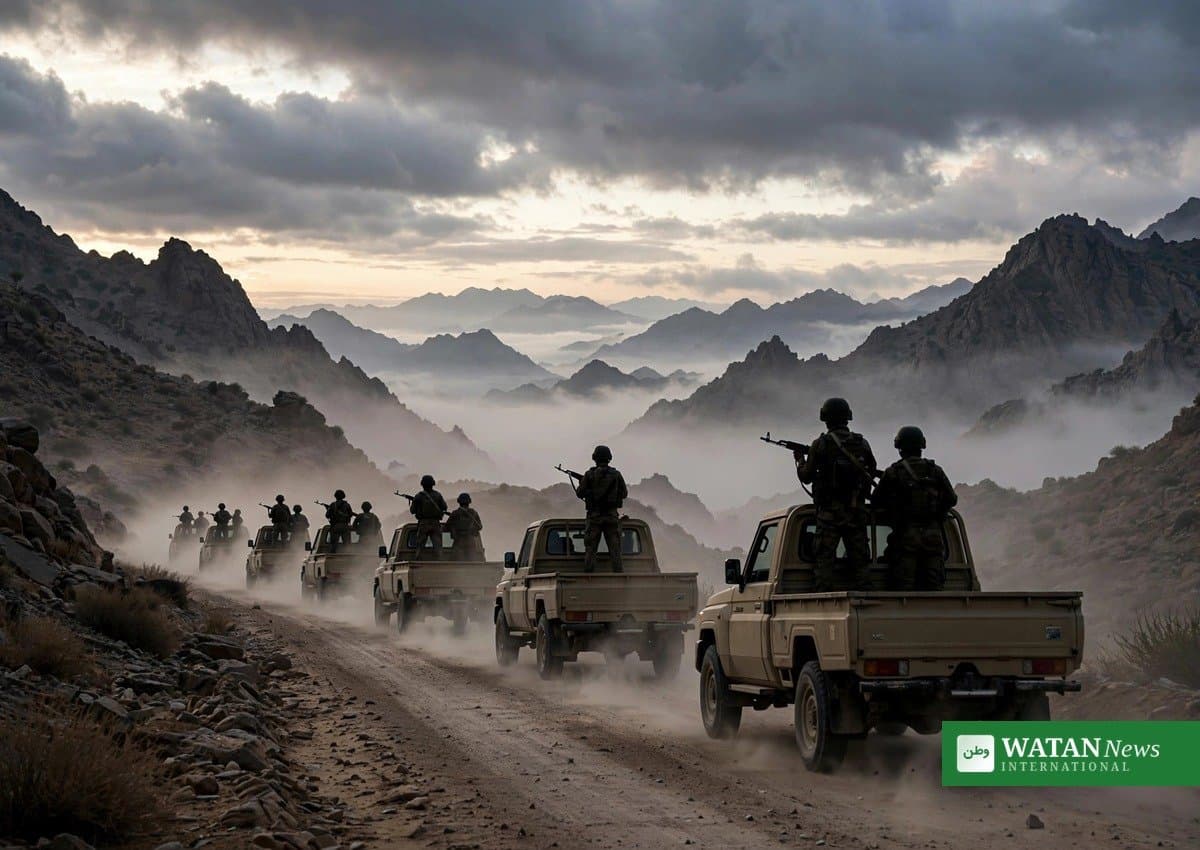
Rashad al-Alimi, head of Yemen’s Presidential Leadership Council, ordered all branches of the armed forces into active combat operations on Sunday, saying the campaign would continue “until the country is liberated from the grip of the terrorist militia” and the Houthi coup is ended. The Houthis, formally known as Ansar Allah, have held the capital Sanaa and vast parts of the northwest — where most of Yemen’s population lives — since 2014.
The announcement followed a week of escalating exchanges. On 1 October, PLC forces claimed strikes on Houthi positions around the Taiz front, and Saudi air defences said they had intercepted ballistic missiles and drones over Khamis Mushait and Jazan. Bloomberg reported that more than 100,000 pro-government troops were being mobilised for the offensive after Houthi advances along the western coast humiliated the Saudi coalition last month.
Houthi Strikes on Saudi Arabia Claimed
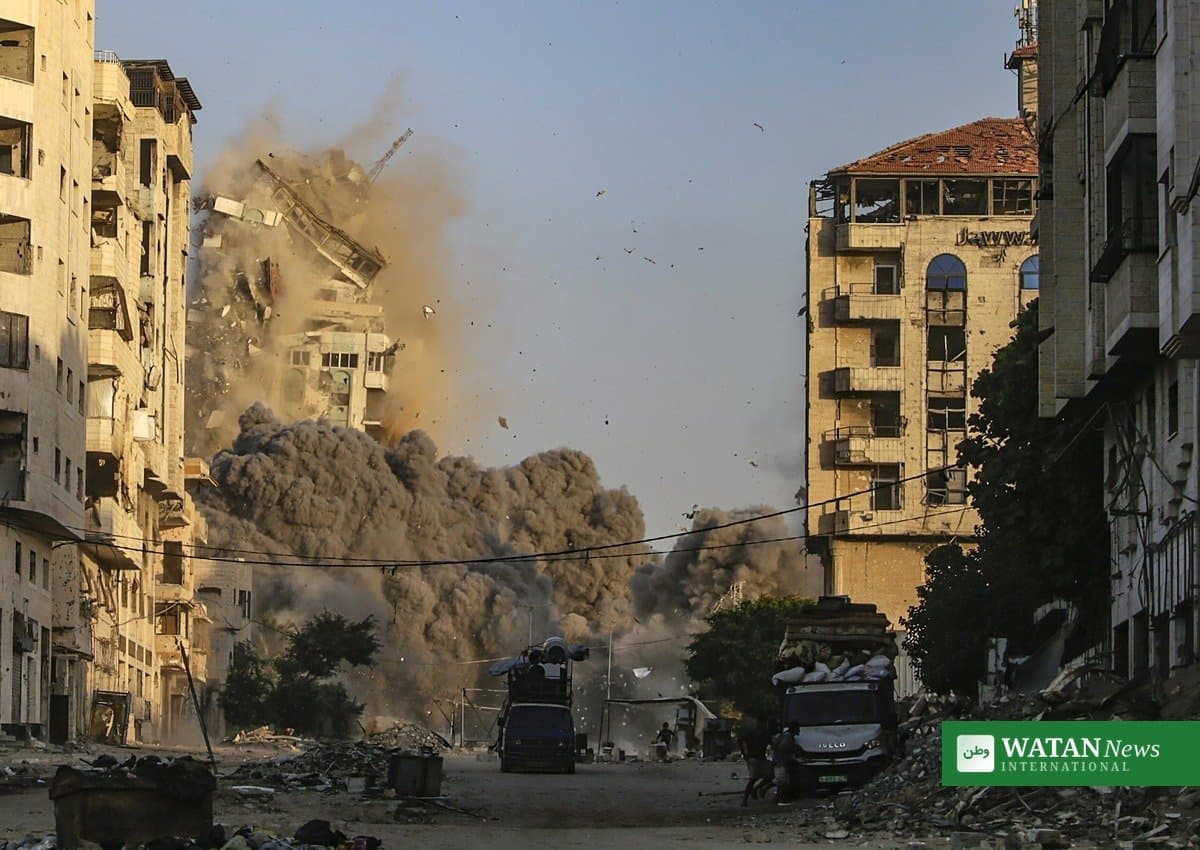
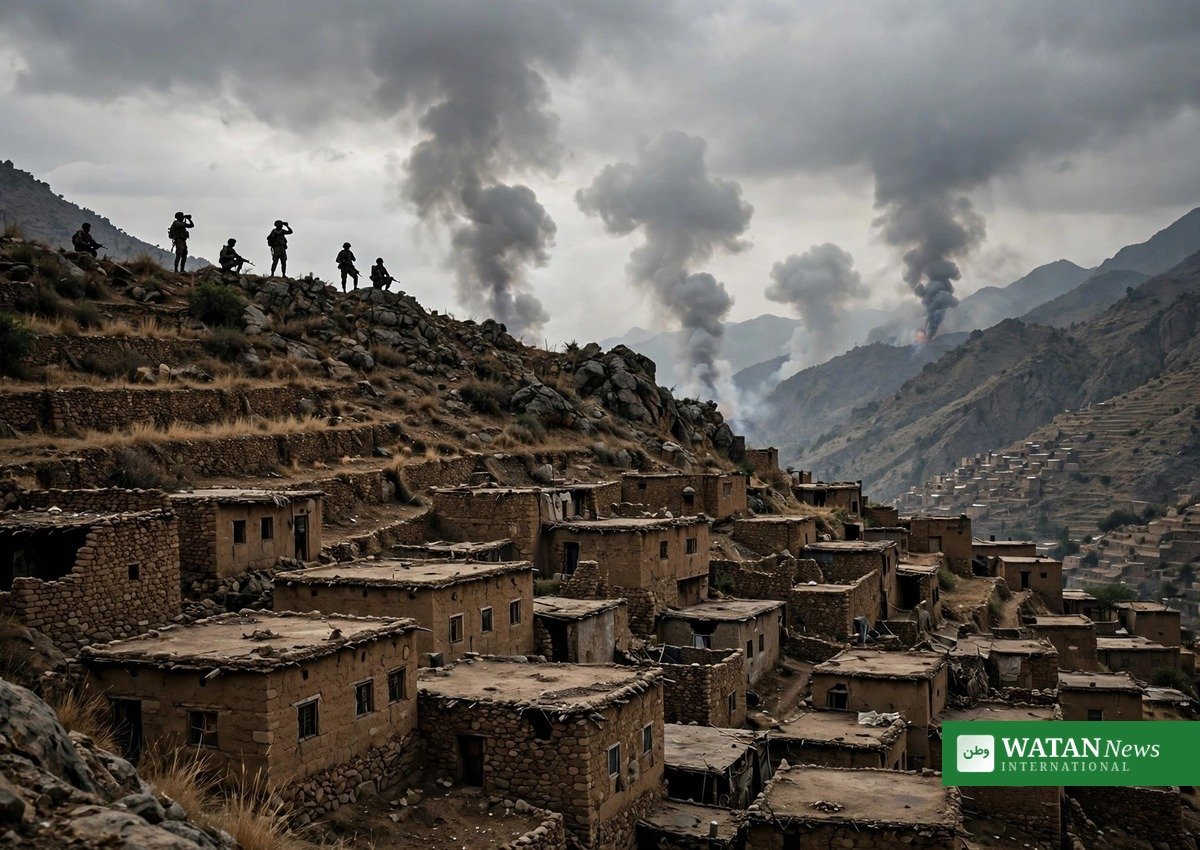
As the Yemeni government made its announcement, the Houthis said they had launched ballistic missiles and drones at Saudi Aramco facilities in Riyadh and the Khurais area, claiming the strikes caused major fires. Houthi spokesman Yahya Saree said the attacks were retaliation for what he described as 50 Saudi-led air and missile strikes in Yemen over the previous 12 hours.
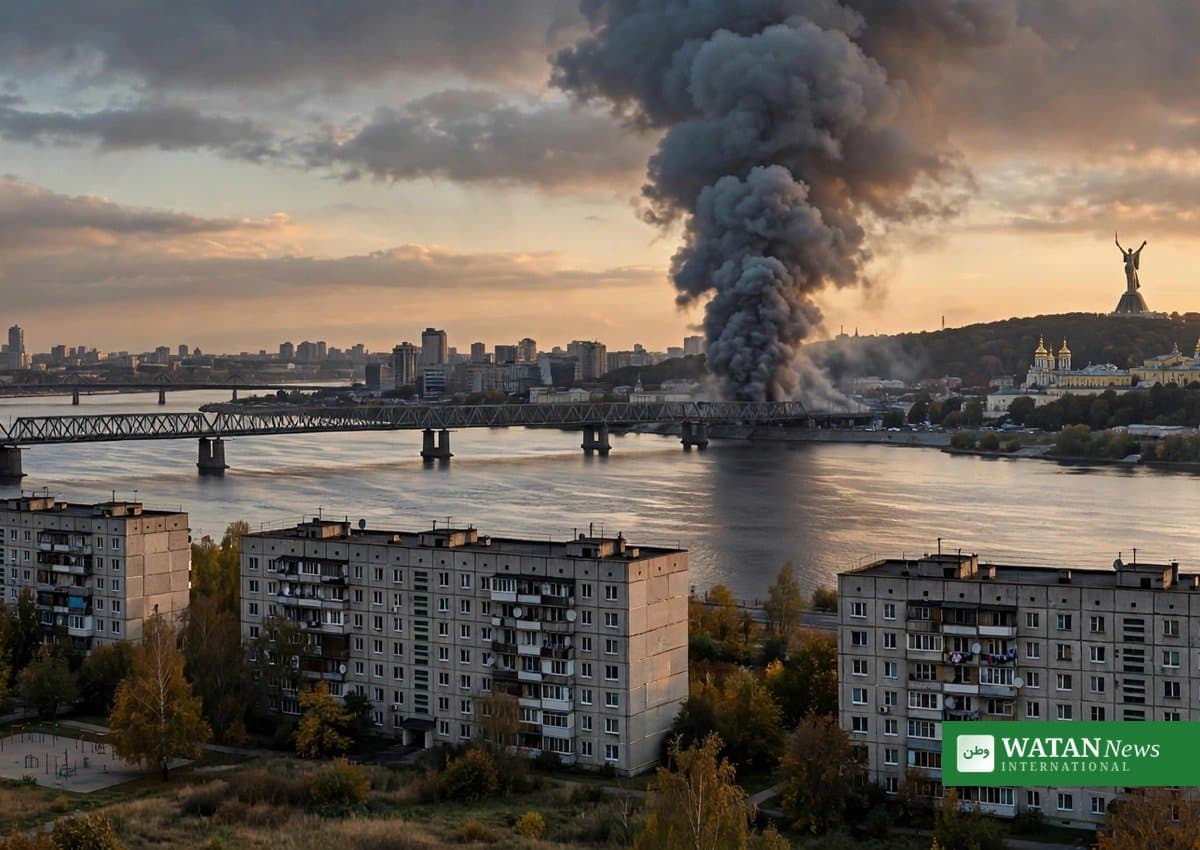
Saudi Arabia offered no immediate confirmation of the strikes, though a Saudi-led coalition said it had foiled other attacks on the kingdom. Reuters video showed a large plume of black smoke rising near Riyadh’s main airport after explosions were heard overnight. On Saturday, the Houthis also claimed strikes on the kingdom’s Red Sea port of Yanbu.
Iran Declares Readiness for US Attacks
In Tehran, foreign ministry spokesman Esmaeil Baqaei struck a dual message at his weekly press conference: Iran is in favour of diplomacy, but its armed forces are ready to confront any hostile act. He said Iranians would do whatever it takes to defend the country’s sovereignty, responding directly to US officials’ comments about the possibility of new attacks.
The statement follows a hardening Iranian posture. Senior Iranian officials told Reuters on 1 October that Tehran is preparing a broader and more forceful response if the United States resumes large-scale attacks — reviewing plans to extend targets beyond US bases to countries that support US military operations, and possibly to locations outside West Asia. Allied forces in Lebanon, Yemen and Iraq have been told to prepare, the officials said. President Trump told Iran on 1 October to make a deal or face more attacks, warning Tehran was “ready to fold up” even as his administration prepares another carrier group and more troops.
Wider Regional Fallout
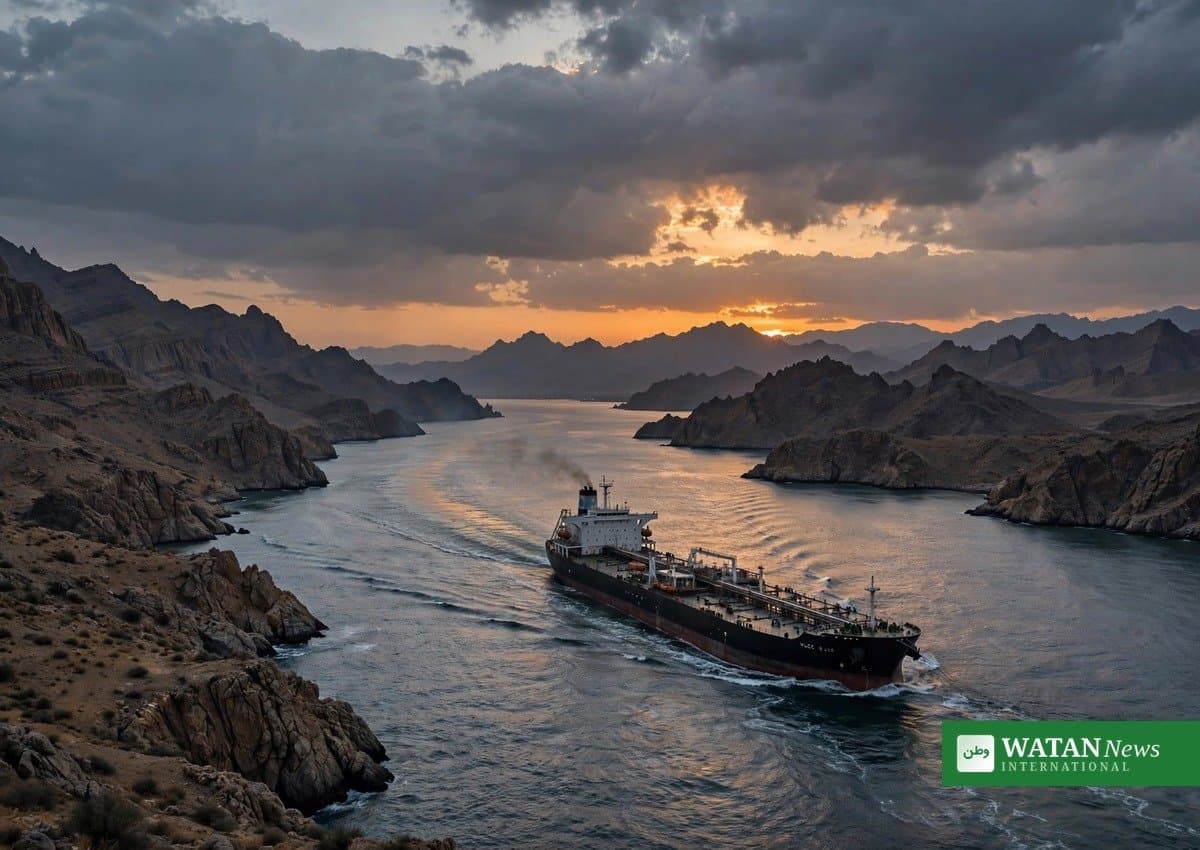
The Yemen escalation feeds directly into the broader confrontation with Iran. Reuters reporting notes that the Houthis’ capture of the Bab el-Mandeb strait opened a new front in the US-Israeli war launched in February against Iran, to which Tehran responded by choking oil shipping through the Strait of Hormuz on the other side of the Arabian Peninsula.
The economic strain is spreading. The US State Department issued a security alert warning of potential unforeseen escalation in the Middle East, citing Houthi hostilities against Saudi Arabia, including civilian airports. More coverage in our Middle East and World sections.
Conclusion
The Yemeni government’s “battle of liberation” and Iran’s declared readiness for renewed US attacks mark a critical juncture for the region. The offensive aims to reverse a decade of Houthi gains, but the group’s missile reach into Saudi Arabia and Iran’s promise of a broader response mean the fighting risks widening — with global oil supplies and millions of Yemeni civilians caught in the middle.