The Jakarta plastics treaty process gained new momentum this week as Indonesia and Norway convened delegates from 11 countries in the Indonesian capital for a three-day informal consultation aimed at finding common ground on a legally binding global agreement to end plastic pollution. The meeting, held from 13 to 15 October, was the latest in a series of informal sessions preparing the ground for the next official round of negotiations in March 2027.
Jakarta plastics treaty talks put full-lifecycle action on the table
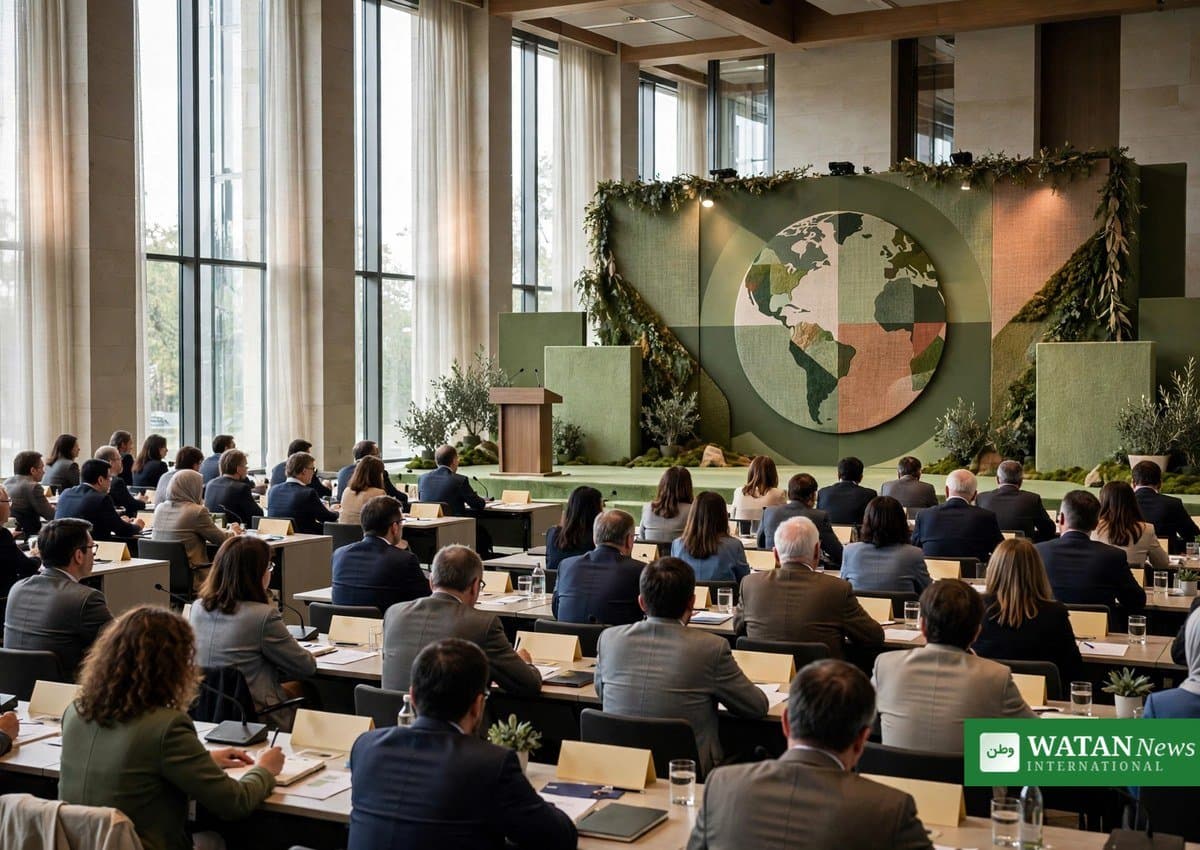
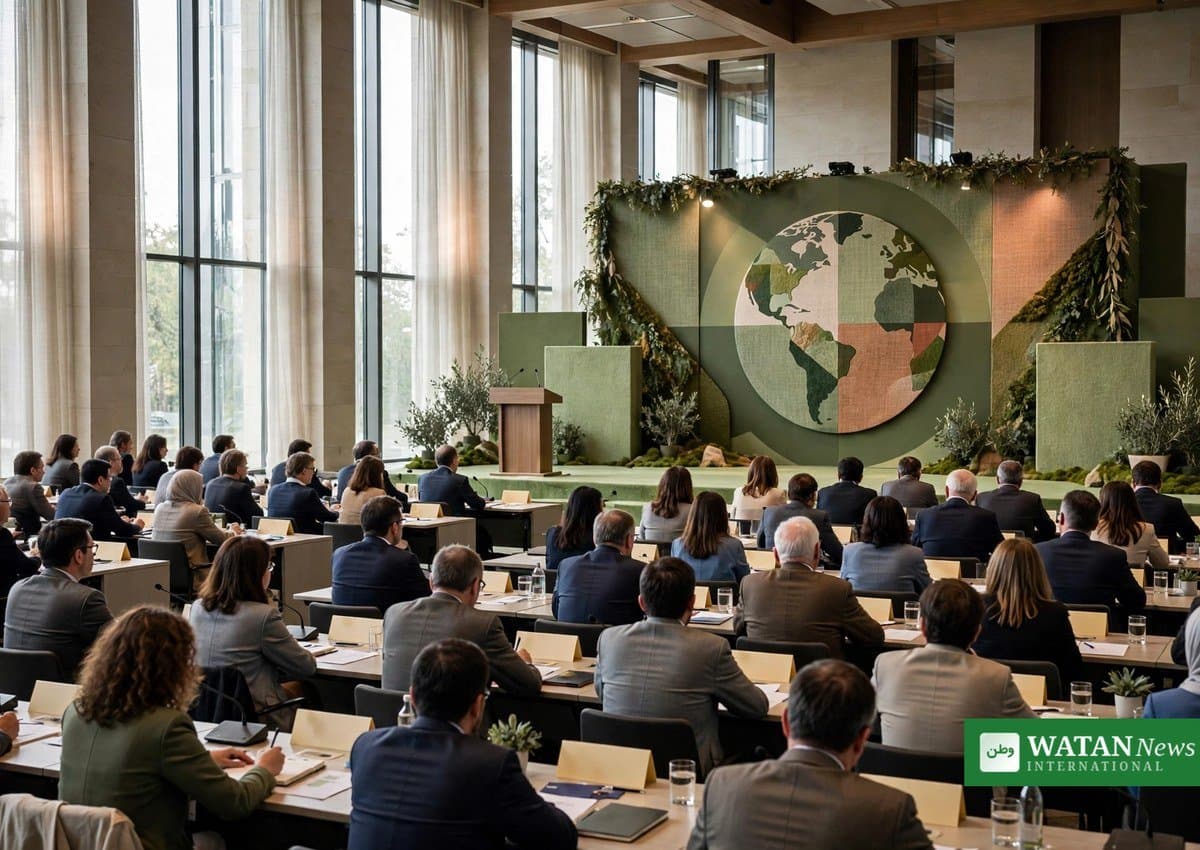
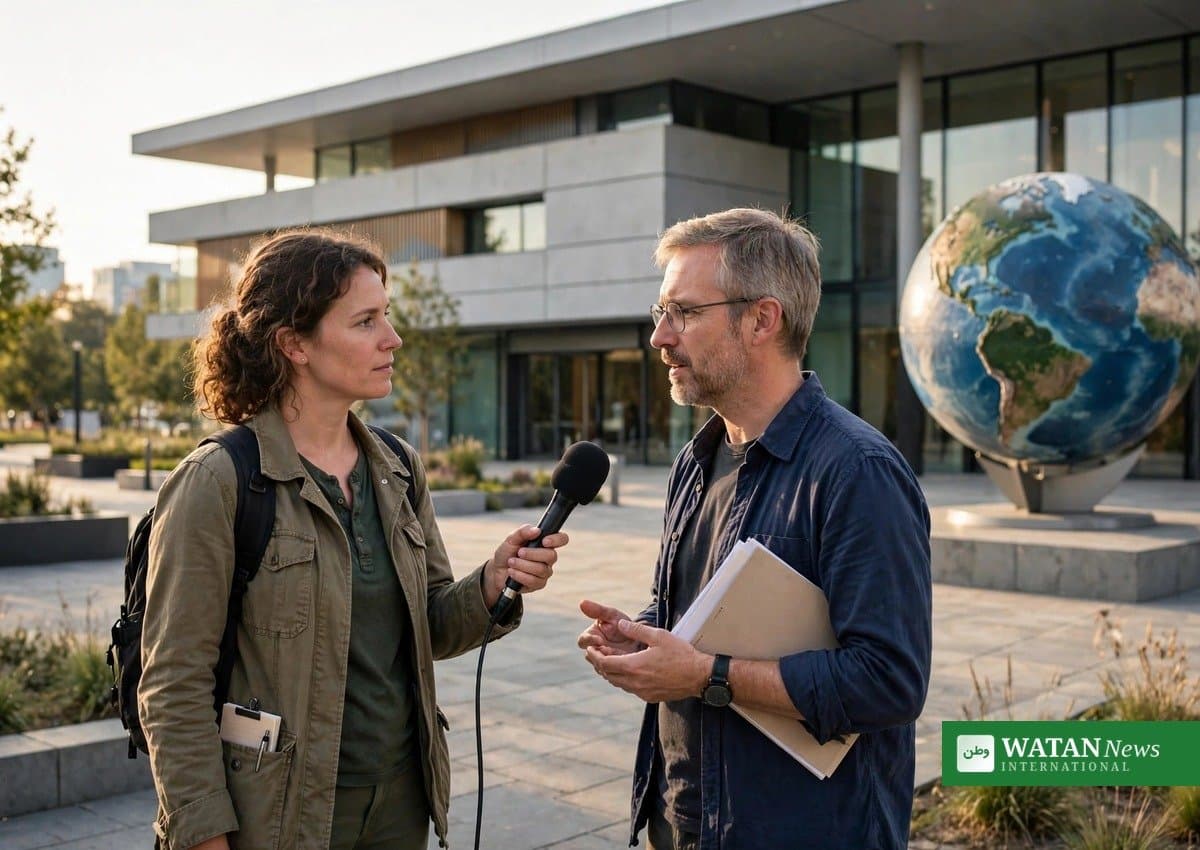
The consultation was jointly organised by Indonesia’s Ministry of Environment and Environmental Control Agency and Norway’s Ministry of Climate and Environment. Government representatives exchanged views and explored areas of convergence on an international instrument addressing plastic pollution across its full lifecycle, from product design and production through consumption to waste management.
Indonesia used the forum to argue that the treaty must go beyond end-of-pipe waste treatment. The Indonesian delegation stressed that prevention measures, better product design and stronger waste collection systems have to advance together to stop plastic leaking into the environment.
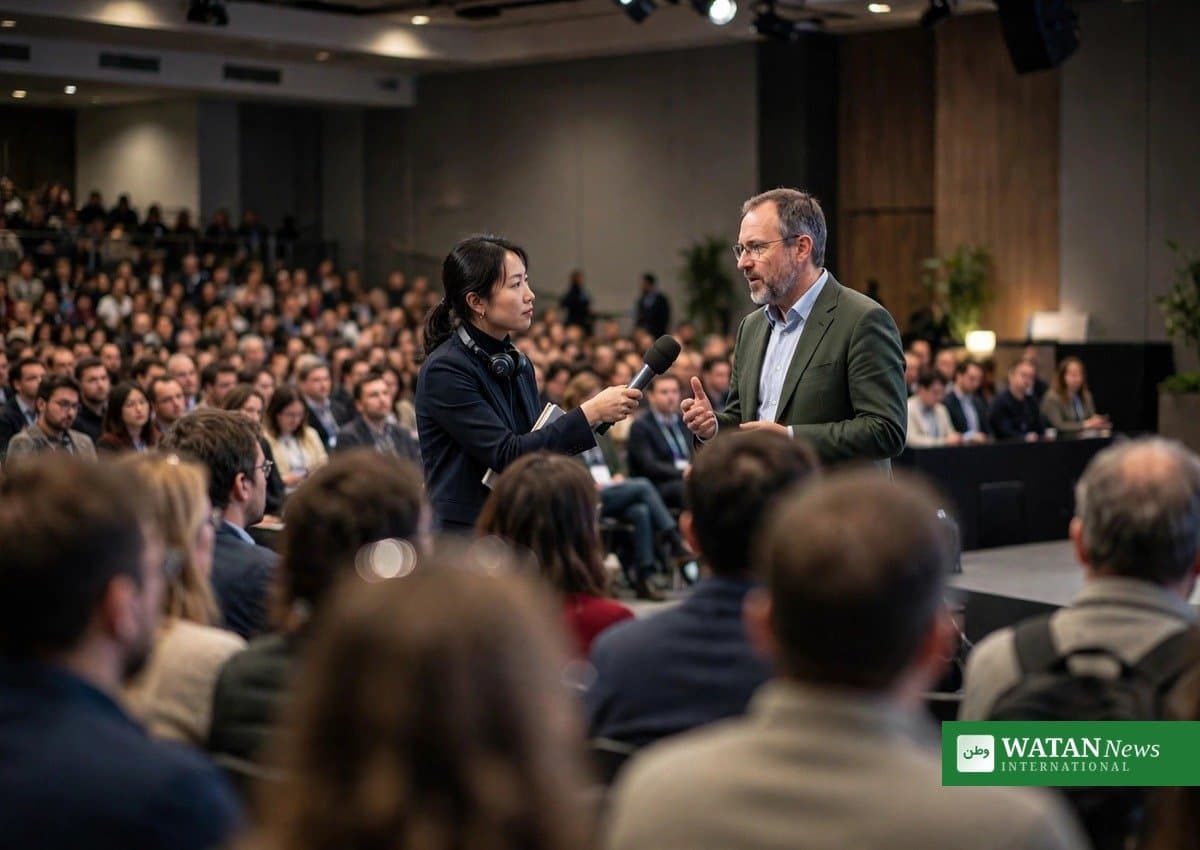
“Our ministry supports the development of an effective and implementable international instrument, while taking into account national sovereignty, the balance between the right to a good and healthy environment and the right to development, and national plans as the primary basis for implementation,” said Agus Rusly, director of waste reduction and circular economy development at the ministry, speaking on 15 October. He added that global efforts also need to consider differences in each country’s circumstances and capacities.
The negotiations are rooted in a 2022 mandate: the United Nations Environment Assembly’s Resolution 5/14 tasked the Intergovernmental Negotiating Committee with developing a legally binding instrument on plastic pollution. After more than a year of stalled rounds, the process is entering what the International Science Council describes as a decisive phase, with Chilean ambassador Julio Cordano, who took over as INC chair in February 2026, expressing hope in October that a treaty could be adopted at the next official session, INC-5.4, in March 2027.
Indonesia’s waste numbers sharpen the case
Data cited by the Indonesian ministry show why Jakarta wanted the meeting. Plastic’s share of Indonesia’s total waste stream rose from 11 percent in 2010 to nearly 20 percent in 2024, and without substantial intervention it could reach 50 percent by 2050. Packaging, containers and shopping bags account for around 40 percent of the country’s plastic waste, according to the ministry.
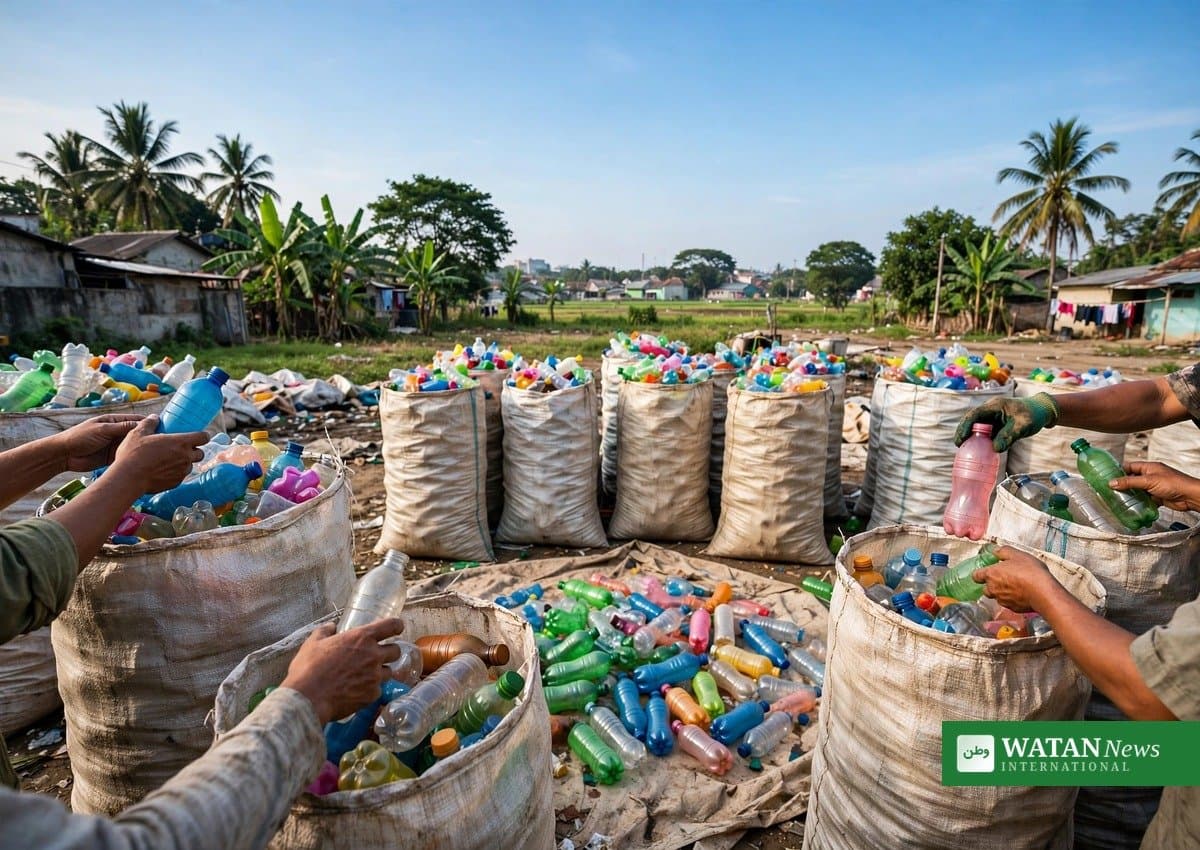
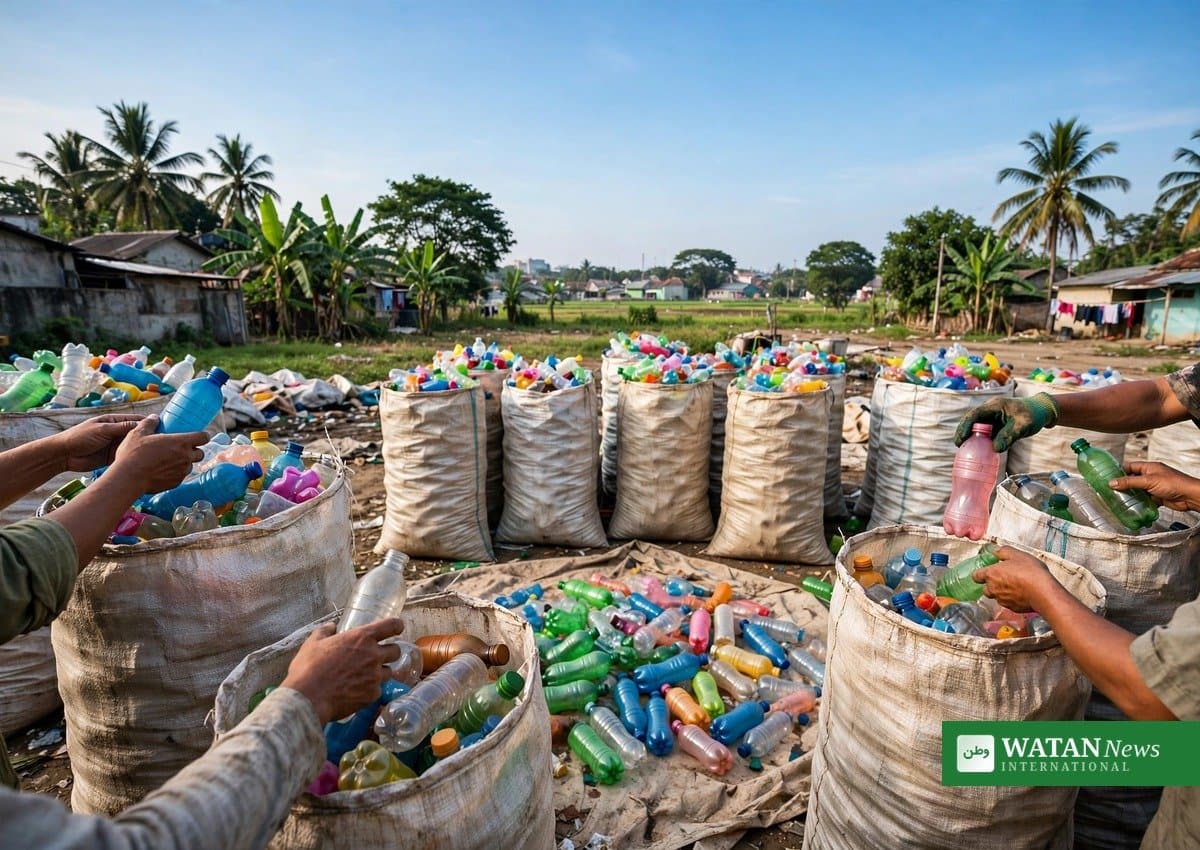
On 15 October, delegates visited waste-management facilities and community initiatives in South Jakarta and South Tangerang, including community-based sorting at Bank Sampah Induk Gesit, the Jakarta Recycling Center and the Pesanggrahan reduce, reuse and recycle facility. The visits also highlighted the role of informal waste workers through Koperasi Pemulung Berdaya, the cooperative representing waste pickers who form the backbone of plastic collection in many developing countries.
Business voices were present too. Karyanto Wibowo, public affairs and sustainability director at Danone in Indonesia, said the industry supported an ambitious global response: “We believe the Intergovernmental Negotiating Committee can be a very important opportunity to promote a more ambitious and effective global framework to reduce plastic pollution through a circular economy approach.”
Zero-waste pressure builds on a second front in Europe
While the Jakarta meeting sought consensus among governments, civil society turned up the heat in Europe during the same week. On 13 October, Zero Waste Europe published a study, “Incineration overcapacity in Europe: 2026 data update,” finding that the combined capacity of EU waste incinerators reached 198.4 million tonnes in 2022, while only around 133.6 million tonnes of waste were treated. Europe therefore already has almost 65 million tonnes of unused incineration capacity, based on official Eurostat data.
According to the study, plans to build or expand plants to burn at least another 8 million tonnes of waste have been identified. “There is really no justification for continuing to build new incinerators,” said Janek Vähk, Zero Pollution Policy Manager at Zero Waste Europe. “Our priority should be reducing waste, increasing reuse and recycling, and strengthening sorting and separate collection systems.”
Zero Waste Europe and 83 other organisations jointly called for a moratorium on new and expanded incineration capacity in an open letter to European Commission President Ursula von der Leyen, released on 14 October. The organisations also asked the European Commission to include municipal waste incineration in the EU Emissions Trading System without free allocations and to introduce measures so that recyclable materials are sorted out of mixed waste rather than burned. The move was part of the 2026 Global Week of Action to Stop Incineration, running from 13 to 16 October.
A companion report by the Global Alliance for Incinerator Alternatives, “The Burn Book,” profiles 20 incinerators around the world, including Amager Bakke in Denmark, the Isséane incinerator in France, the Attero Moerdijk facility in the Netherlands and the Rome waste-to-energy plant in Italy, which is still under construction. According to Zero Waste Europe, the Rome project, where construction began in May 2026, would bind the city to a 33-year concession on one of Europe’s largest new municipal waste incinerators even as the city plans to raise separate collection to 70 percent by 2035.
What comes next
The Jakarta consultation followed an informal heads-of-delegations meeting in Bangkok from 27 to 30 September, the second such meeting since June, where negotiators worked from the chair’s “Aid to Negotiations” outline. A new iteration of that document is expected before a final round of informal talks scheduled for 25 January to 2 February 2027, with the formal INC-5.4 round planned for March 2027. The International Science Council has launched a call for scientific contributions to the negotiations, with a deadline of 23 October 2026.
The divide remains wide: a majority of nations have called for ambitious, legally binding measures including limits on plastic production, which the OECD projects could jump about 60 percent to 736 million tonnes a year by 2040, while a smaller bloc of mostly oil-producing states has pushed to confine the treaty to downstream waste management. The Jakarta meeting’s emphasis on the full lifecycle, and Europe’s pressure against burning rather than preventing waste, both point in the same direction: the treaty will only earn the name “zero waste” if it tackles pollution at its source.
FAKTA
- Delegates from 11 countries met in Jakarta from 13 to 15 October for an informal consultation on the global plastics treaty, jointly organised by Indonesia and Norway.
- Indonesia cited data showing plastic’s share of national waste rising from 11 percent in 2010 to nearly 20 percent in 2024, potentially reaching 50 percent by 2050.
- Zero Waste Europe’s October 2026 study found EU incineration capacity of 198.4 million tonnes against 133.6 million tonnes treated, leaving almost 65 million tonnes of unused capacity.
- Zero Waste Europe and 83 other organisations released an open letter on 14 October calling for an EU-wide moratorium on new and expanded waste incineration.
- The next formal negotiation round, INC-5.4, is planned for March 2027, and the INC chair says adoption of the treaty there is possible.