Santo Domingo, 18 October 2026 — UNESCO has reported that the Colonial City of Santo Domingo in the Dominican Republic has become the first cultural property — and the first site in Latin America and the Caribbean — to begin pilot testing the new UNESCO Climate Action Toolkit for World Heritage.
The announcement, published by UNESCO on 16 October 2026, marks a milestone in how the world’s most treasured historic sites prepare for a changing climate. The toolkit is designed to help World Heritage managers assess how climate risks could affect the attributes that express a site’s Outstanding Universal Value, and to weave adaptation and mitigation measures into everyday management.
What the UNESCO Climate Action Toolkit does
The toolkit is a methodology and practical tool developed by the UNESCO World Heritage Centre together with the three Advisory Bodies to the World Heritage Committee — the International Centre for the Study of the Preservation and Restoration of Cultural Property (ICCROM), the International Council on Monuments and Sites (ICOMOS) and the International Union for Conservation of Nature (IUCN).
It translates into practical steps the guidance of the Policy Document on Climate Action for World Heritage, adopted by the General Assembly of States Parties to the World Heritage Convention in November 2023. The method links climate information to the values and attributes that underpin each property’s Outstanding Universal Value, so that risk analysis feeds directly into heritage planning and management instruments.
The five-day pilot in the Colonial City
As part of the toolkit’s development and refinement, the Colonial City hosted a pilot application of its Zero Draft from 5 to 9 October 2026. Over five days and through ten practical exercises, representatives of institutions working in heritage conservation, urban planning and climate action applied the methodology to the specific characteristics and needs of the historic centre’s urban and social context.
The workshop was organised by UNESCO, ICCROM, ICOMOS and IUCN in cooperation with the Ministry of Culture of the Dominican Republic, with support from the governments of the Netherlands, Norway and Australia.
The in-person workshop forms part of a wider process running from 17 September to 15 November 2026, combining online sessions, in-person work, practical exercises and opportunities for feedback. As an outcome of the process, the participating institutions expect to move towards the development of a Climate Action Plan for the Colonial City.
“From now on, in addition to strengthening technical knowledge, it will be possible to systematise information and anticipate these impacts, applying adaptation and mitigation measures in a rational and systematic manner to protect the property’s values and attributes,” said Diana Martínez, Director of Cultural Heritage and the Historic Centre at the National District City Council.
Hurricanes, floods and rising seas threaten the site
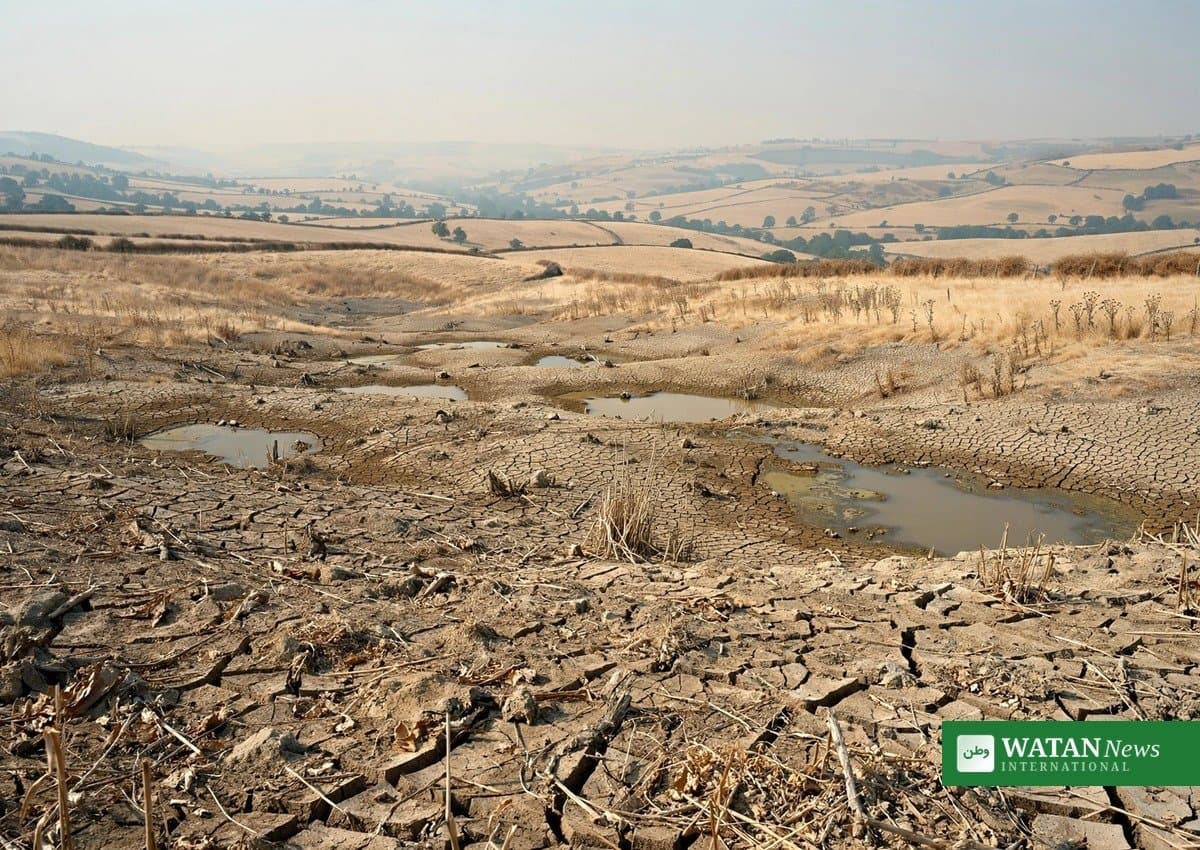
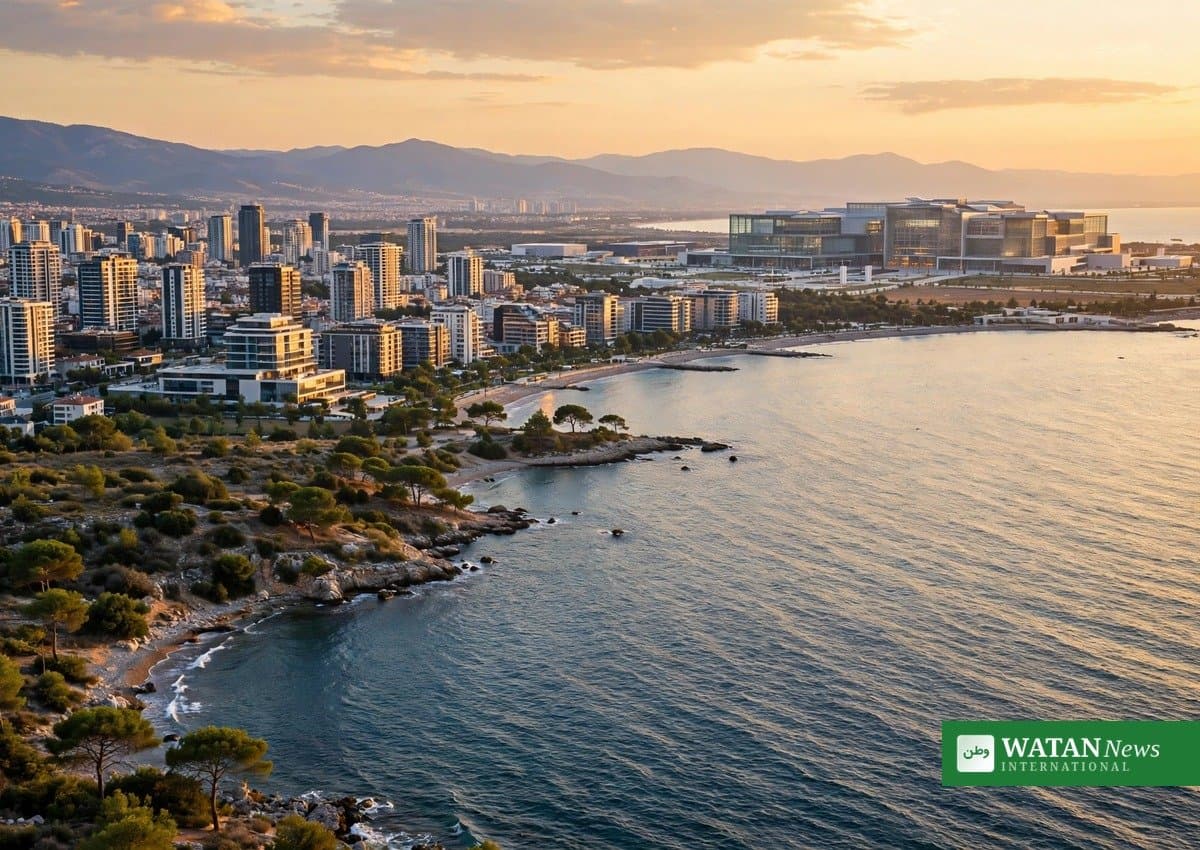
The Colonial City of Santo Domingo has been inscribed on the UNESCO World Heritage List since 1990. In the Dominican Republic, exposure to hurricanes, heavy rainfall, flooding and other climate-related hazards poses particular challenges for heritage conservation and management, alongside changing temperatures and sea-level rise.
These risks intersect with the dynamics of a living historic centre, where heritage protection, urban planning and risk management converge. Through practical exercises, technical sessions and fieldwork, participants analysed the factors affecting the Colonial City, the climate hazards it is exposed to and the vulnerabilities that could compromise its heritage attributes. The historic centre has been affected in different ways by climate-related events in the past, to which responses have been largely reactive.
“We need to move from reacting to anticipating. Climate risk assessment must become part of the day-to-day management of World Heritage, drawing on data, climate scenarios, scientific knowledge and local knowledge,” said Anne Lemaistre, Director of the UNESCO Regional Office in Havana.
Why the Santo Domingo test matters worldwide
The Colonial City is the second World Heritage property to take part in the pilot phase of the toolkit’s Zero Draft — and the first pilot application carried out in Latin America, in a historic city and in an island context. The application in Santo Domingo has shown that the methodology is useful and applicable in an urban context, where different stakeholders need to be involved in planning climate action, according to Maya Ishizawa Escudero, an expert at ICCROM, who called it “a necessary, urgent and effective tool.”
The pilot applications make it possible to gather feedback from those responsible for managing the properties and identify the adjustments needed before the toolkit is finalised. The process is expected to have a multiplier effect in other countries across the region, through collaboration between the trained Dominican specialists and managers of other properties where the experience may be replicated.
For more on turning climate commitments into concrete measures, read the COP31 local climate solutions report.
FAKTA
- What: First pilot test of the UNESCO Climate Action Toolkit at a cultural World Heritage property.
- Where: Colonial City of Santo Domingo, Dominican Republic — a World Heritage site since 1990.
- When: Pilot workshop held 5–9 October 2026; the wider process runs 17 September–15 November 2026.
- Who: UNESCO World Heritage Centre, ICCROM, ICOMOS and IUCN, with the Dominican Ministry of Culture; supported by the Netherlands, Norway and Australia.
- Next step: Moving towards a Climate Action Plan for the Colonial City.
Conclusion
From reactive repairs to anticipated protection — the Santo Domingo pilot turns climate action into a daily management discipline for the world’s heritage. The lessons learned there will shape the final toolkit used by World Heritage managers everywhere.