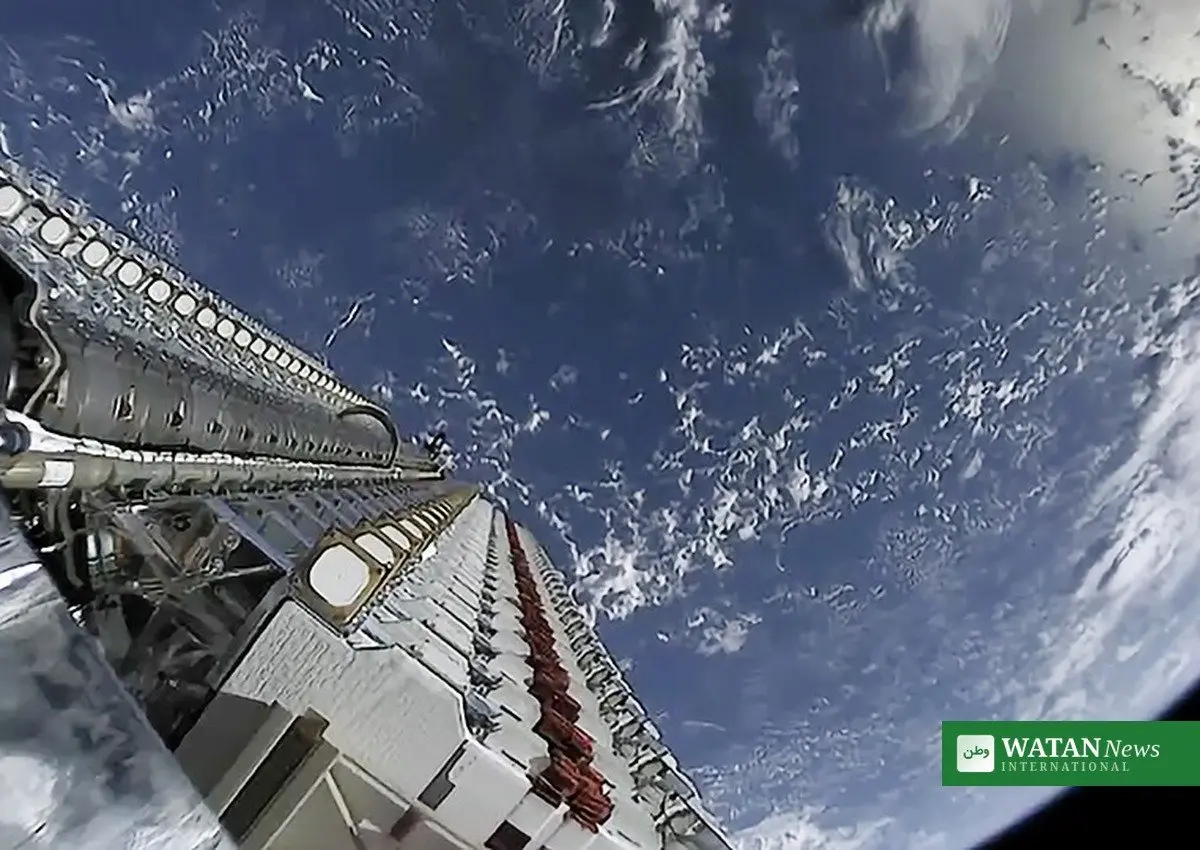
The Musk Ukraine Starlink terms dispute erupted on Saturday after SpaceX chief Elon Musk accused Ukraine’s military of violating Starlink’s terms of service by using it for offensive drone strikes, hours after Kyiv said the satellite service and its military version Starshield were back to full speed after more than a week of limits.
FAKTA
- What happened: Elon Musk accused Ukraine’s military of violating Starlink terms of service by using it for offensive drone strikes to kill people.
- When: On Saturday, October 24, hours after Ukraine said Starlink and Starshield were operating again at full speed.
- Ukraine’s response: A presidential adviser said Ukraine is physically unable to use Starlink for long- and medium-range attack drone operations.
- The background: Speeds had been capped at about 160 kph since October 14, disrupting drone operations and frontline communications.
- What is still unclear: Neither Musk nor the United States government has taken responsibility for imposing the limits.
Musk Ukraine Starlink Terms: What Musk Said
“Ukraine military violated Starlink terms of service and used it for offensive drone strikes to kill people. That loophole was closed last week,” Musk wrote on X.
Musk added: “Using Starlink, a civilian commercial service, for offensive drone strikes to kill people has never been allowed, nor should it be.” He said Starshield, the military-grade system, is a different system controlled by the United States government, and what it decides is up to that government.
Musk also said Starlink remains critical to Ukraine’s defence, and claimed that if it were turned off, the Ukrainian front line would collapse immediately.
Kyiv Rejects the Accusation
Ukrainian presidential adviser Serhiy Beskrestnov said on Telegram that the country is physically unable to use Starlink for long- and medium-range attack drone operations, and that Ukraine does not rely on Starlink for long-range drone operations on Russian territory, which operate at speeds no higher than 70-90 kph.
He said Starlink remains vital for frontline communications. Ukraine’s general staff and defence ministry did not immediately comment on Musk’s accusation, Reuters reported.
Earlier on Saturday, President Volodymyr Zelenskiy said Starlink and Starshield had resumed operations at their pre-restriction speeds. Defence Minister Evhenii Khmara said monitoring showed speeds stable above 400 kph.
Ten Days of Limits Behind the Row
The restrictions, first reported on October 14, capped Starshield operations at speeds of about 160 kph, hampering Ukraine’s ability to intercept Russian attack drones and forcing the cancellation of some operations. Interceptor drones flying faster than the restricted speed lost their connection, forcing crews to fly at slower speeds that made them easier targets.
Starshield’s problems occurred after United States President Donald Trump announced a deal to buy Russian diesel while pressing Kyiv to stop striking Russian oil refineries. Reuters has reported that the order to throttle Starshield came from inside the White House, while neither Musk nor the United States government has acknowledged responsibility for restricting the service.
The Wall Street Journal reported that the improvement on Saturday came after President Trump called Musk on Wednesday and asked him to restore Ukraine’s Starshield service. On Friday, Trump said that if problems persisted, he would get them straightened out. Kyiv later said it continued to receive United States intelligence, despite disruptions to allied warnings about incoming Russian missile attacks that coincided with the restrictions.
What Happens Next
Kyiv has rejected Musk’s accusation while reporting the service stable at restored speeds, and Washington has not commented on the terms-of-service claim. The dispute leaves open the question neither side has answered: who ordered the limits that disrupted Ukraine’s frontline communications for more than a week.
For more on the region, see Europe news.