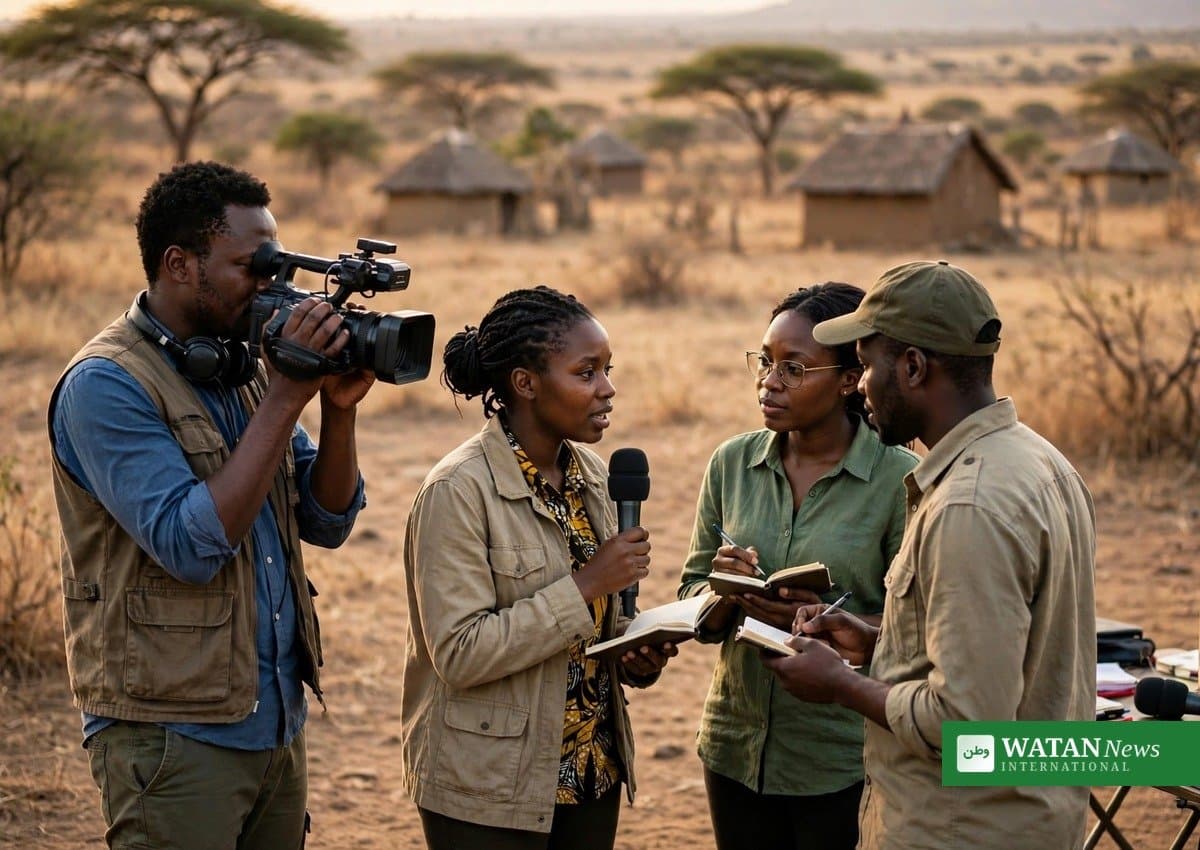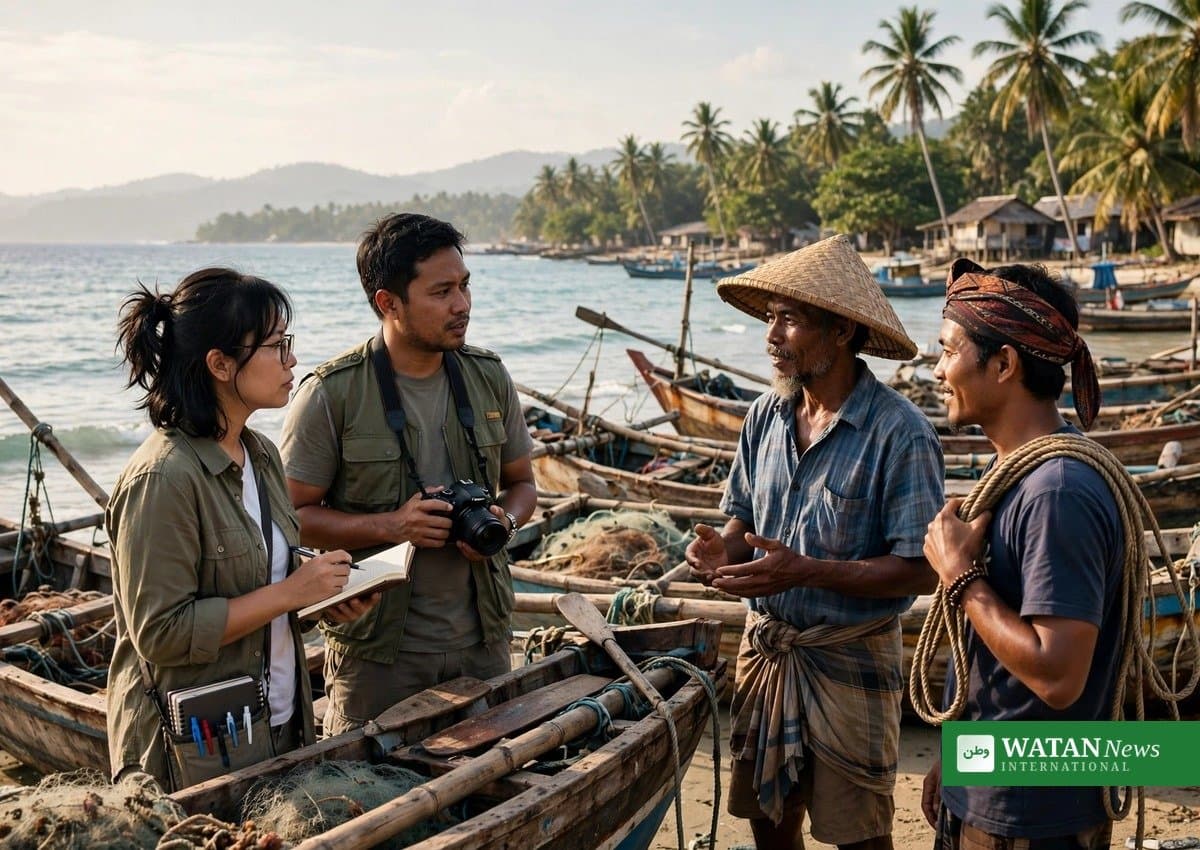
Indonesian journalists want to report more deeply on climate change and the energy transition, but limited scientific knowledge, restricted access to experts and tight newsroom resources are holding them back. That is the central finding of a new report on Indonesia climate reporting, released on 21 October 2026 by the Monash Climate Communication Hub and the Australia-Indonesia Centre, in partnership with Universitas Hasanuddin.
Using Makassar, in South Sulawesi, as a regional case study, the project examined newsroom dynamics, journalist knowledge and media coverage of climate and energy issues across Eastern Indonesia. Its message is hopeful: when reporters receive practical training and direct connections to scientific experts, their confidence grows and they report on these issues more frequently and more effectively.
What the report found about Indonesia climate reporting
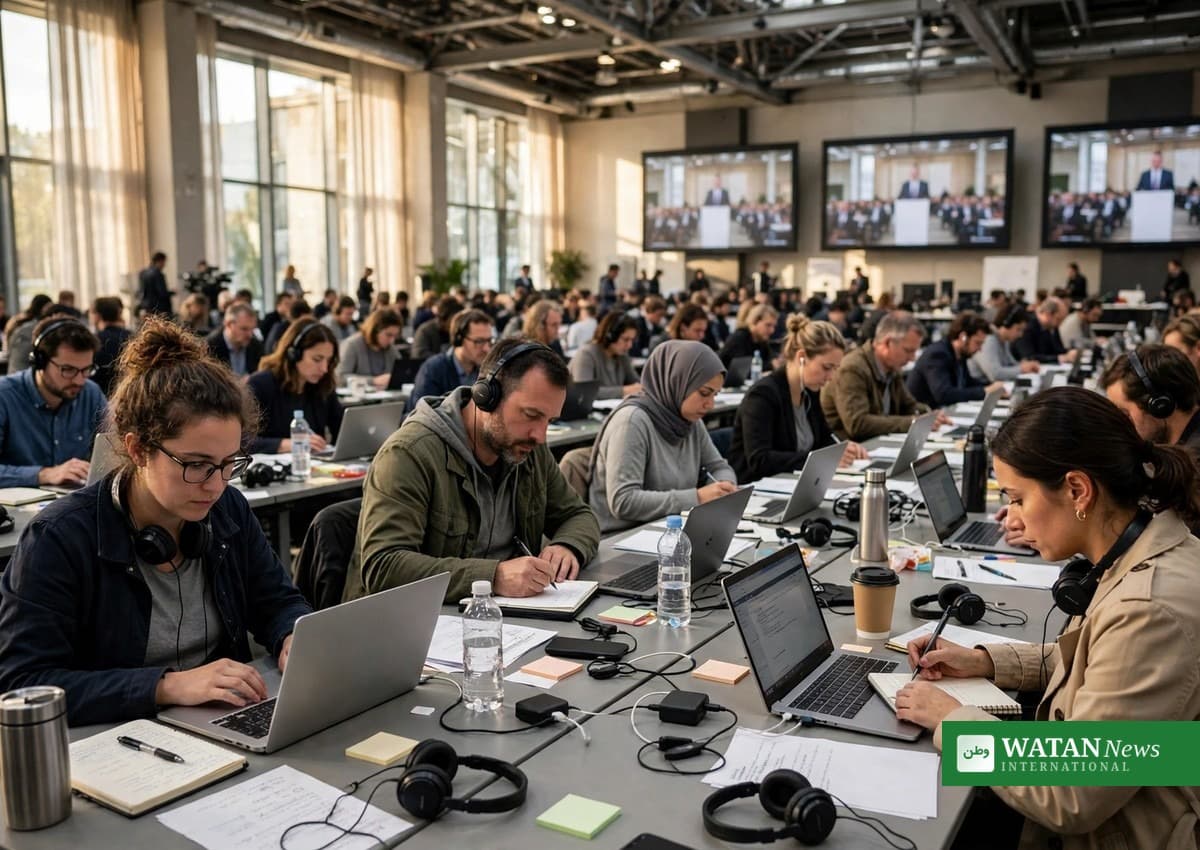
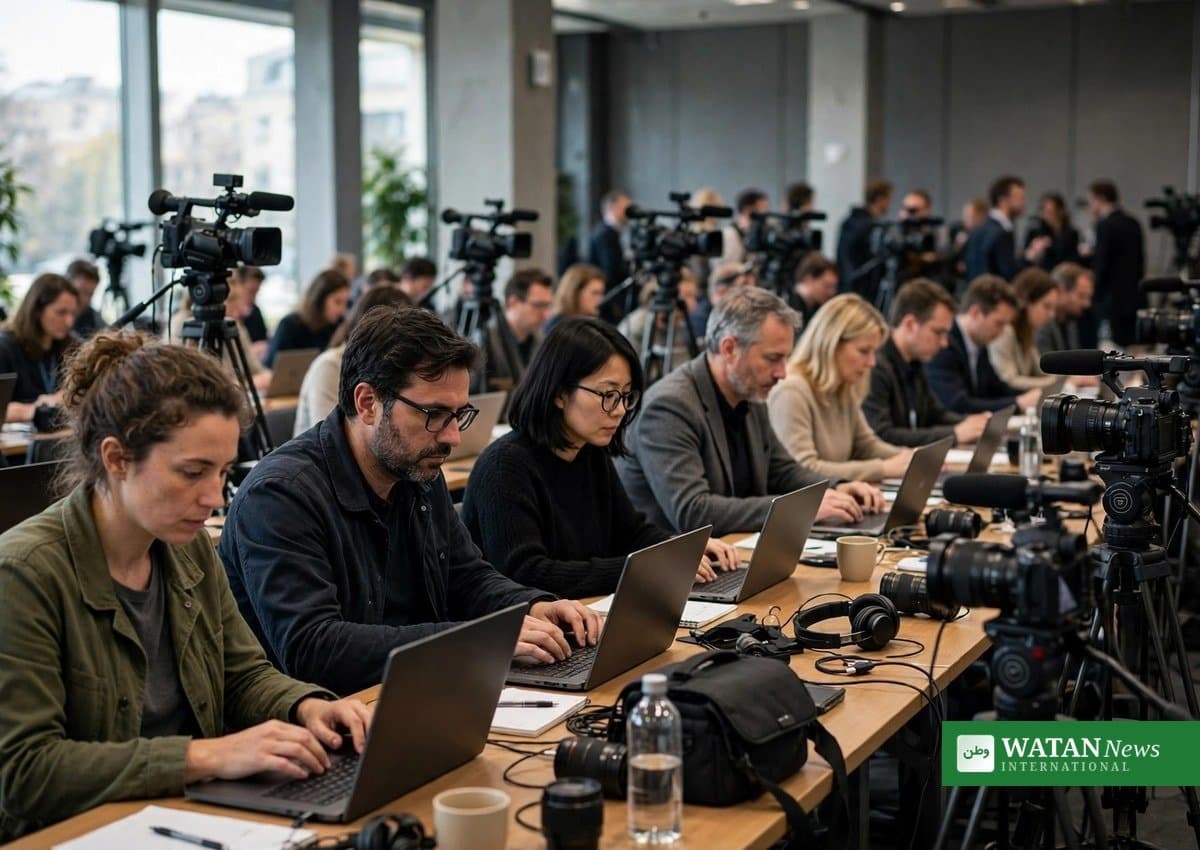
The research combined media analysis, focus groups, surveys, community fieldwork and knowledge-sharing workshops involving Indonesian and Australian journalists, scientists and communication experts. It found a clear appetite among journalists to strengthen climate and energy reporting, alongside significant barriers including limited scientific knowledge and access to experts, newsroom pressures, commercial constraints, and limited time and resources.
Local media coverage has historically been reactive, focused on short-term disaster response rather than on the drivers of long-term climate change. The report identifies clear opportunities to change that pattern by empowering regional reporters with skills, scientific contacts and time to add context to fast-moving stories.
Professor Libby Lester, Director of the Monash Climate Communication Hub, said supporting journalists is essential to helping communities make informed decisions about their futures. “Journalists play a vital role in translating complex scientific realities into meaningful, actionable stories for local audiences,” Professor Lester said. “Building long-term newsroom capacity and stronger connections with researchers empowers reporters to move beyond reactive reporting and lead constructive public conversations about climate solutions.”
Why Eastern Indonesia needs stronger climate coverage
Eastern Indonesia is on the frontlines of climate change, facing rising sea levels, shifting agricultural cycles and increasingly intense extreme weather. Coastal communities dependent on seaweed farming, fisheries and agriculture are already experiencing changes to weather patterns, tidal conditions and marine ecosystems.
Against that backdrop, the quality of regional climate journalism has a material impact on public understanding and on the decisions communities, governments and industries are able to make. When coverage stops at the aftermath of a storm or a flood, readers learn what happened but not why it happened, or what could happen next.

What changed for the journalists who took part
An Indonesian editor who participated in the initiative said he now strives to provide more context to stories filed by his team. “This context can be enriched by incorporating expert explanations or research regarding current events,” said Mr Alfian from Tribun Timur, a major Indonesian regional news group. “The resulting coverage does more than simply report the incident; it delves deeper into the underlying causes and outlines necessary future actions. All of this stems from the lessons I have learned through the project.”
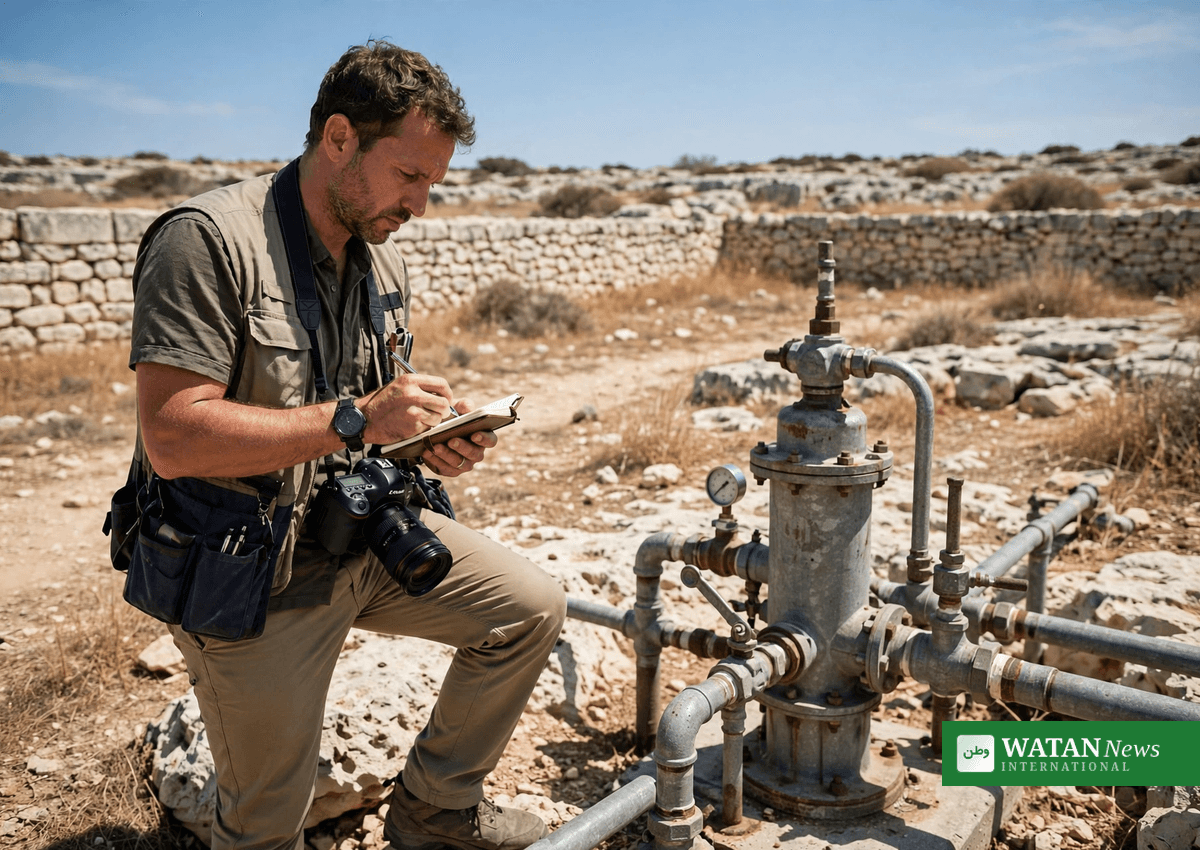
Another participant said access to clear scientific data and to impacted coastal communities opened up entirely new angles for the newsroom. “We no longer just cover the aftermath of a storm, we now have the tools and confidence to explain the underlying climate drivers and explore potential solutions for our readers,” the participant said.
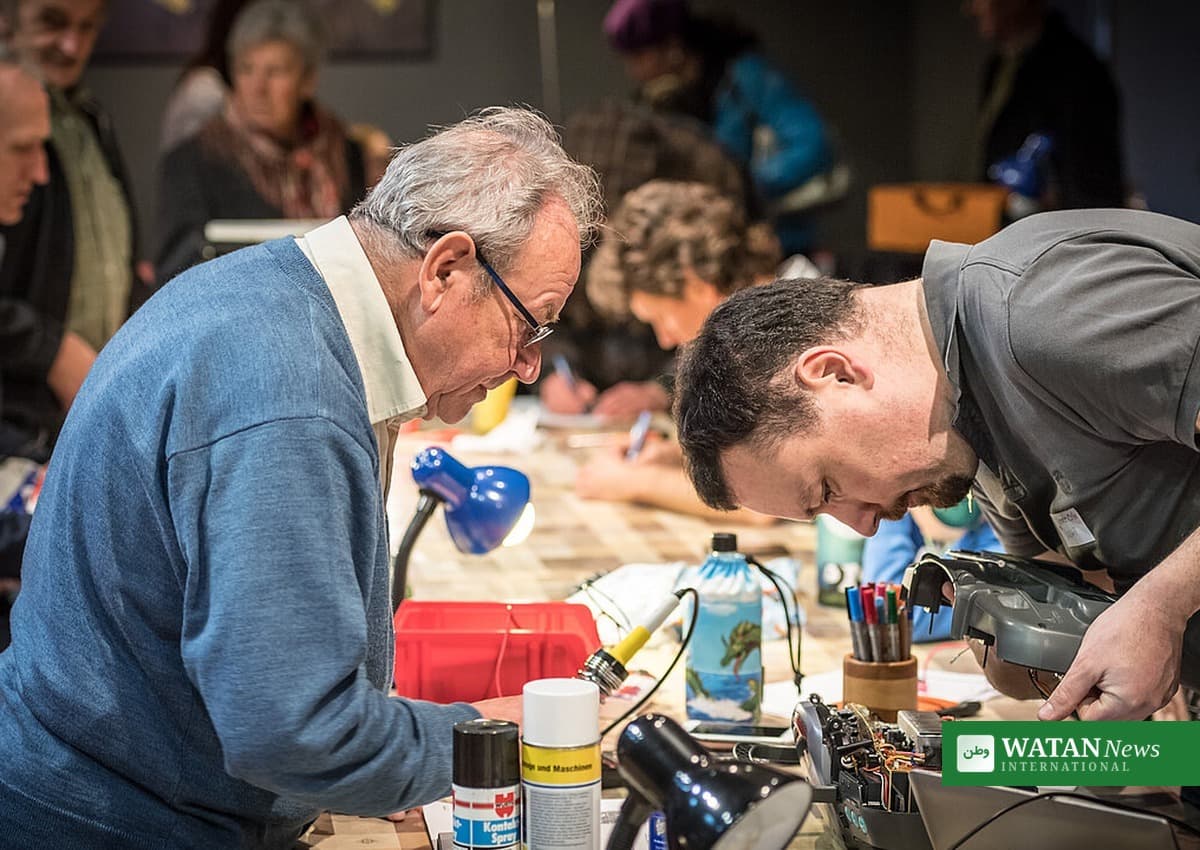
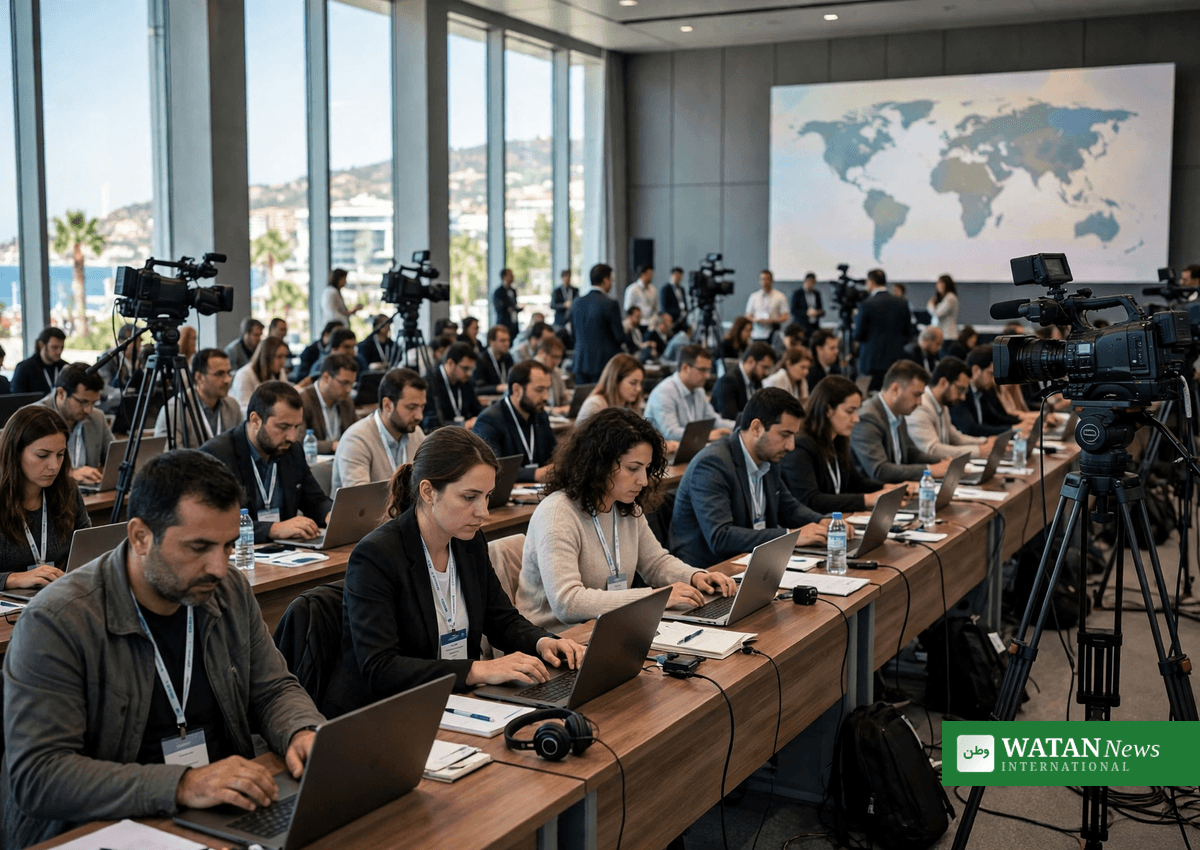
A select group also travelled to Melbourne for intensive training with Monash University climate science and social science experts. During the visit they met professors co-leading Australia-Indonesia Centre research projects in Sulawesi and explored opportunities for collaborative reporting with Australian journalists.
FAKTA: Key facts
- The report was released on 21 October 2026 by the Monash Climate Communication Hub and the Australia-Indonesia Centre, with Universitas Hasanuddin as the Indonesian research partner.
- The case study is Makassar, South Sulawesi, covering newsrooms across Eastern Indonesia.
- Main barriers found: limited scientific knowledge, restricted access to experts, newsroom pressures, commercial constraints, and limited time and resources.
- What works, according to the report: practical climate and energy training plus direct connections to scientific experts.
- The project was funded by the Australia-Indonesia Institute under the Australian Department of Foreign Affairs and Trade.
A model other newsrooms can learn from
Australia-Indonesia Centre Executive Director Boyd Whalan said the collaborative effort resulted in a strong binational project on a shared regional challenge. “This report has shown a knowledge gap that we suspected from the on-the-ground experience of our researchers working on climate change issues. This project shows how we can reduce that gap,” Mr Whalan said. “Strengthening local journalism directly supports community resilience across Eastern Indonesia.”
The lesson reaches beyond one region. Wherever newsrooms are small, stretched and far from national capitals, the same combination — training, expert contacts and community fieldwork — can turn disaster reporting into solutions reporting. Readers are not only told that a coastline is eroding or a harvest is shifting; they are shown why, and what responses are being tried. For more on how journalism fellowships support local climate reporters, read our report on the SJN/MIT Climate Journalism Fellowship.