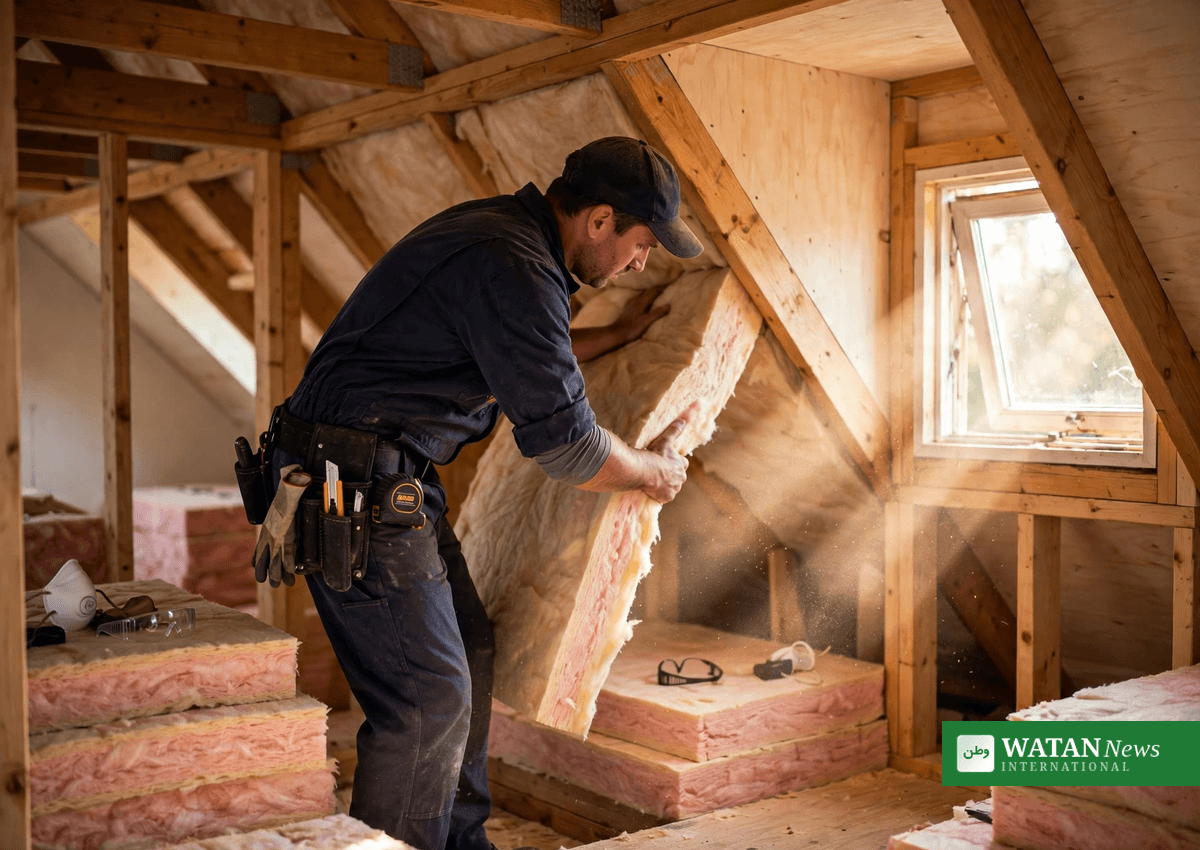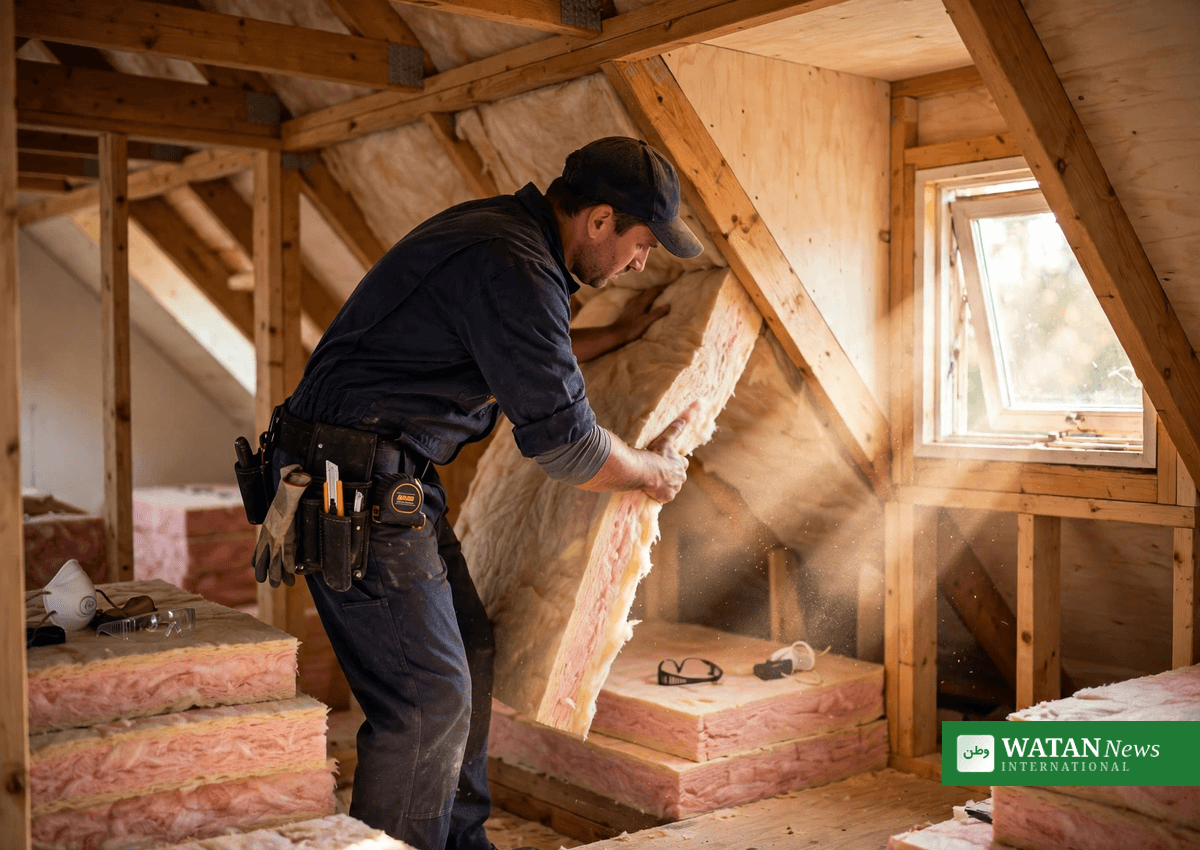
QTS Data Centers has announced a $14 million investment in a new community programme that could help more than 800 homeowners in Fayette County, Georgia, make their homes more energy efficient, in partnership with Georgia Power.
Key facts
- Investment: $14 million from QTS Data Centers for pre-weatherization work in Fayette County.
- Homes reached: more than 800 eligible homes, through the Fayette County Community Resilience Program.
- Partner: Georgia Power, working with The Same House and Groundswell.
- Announced: 26 October 2026, as part of Energy Efficiency Month.
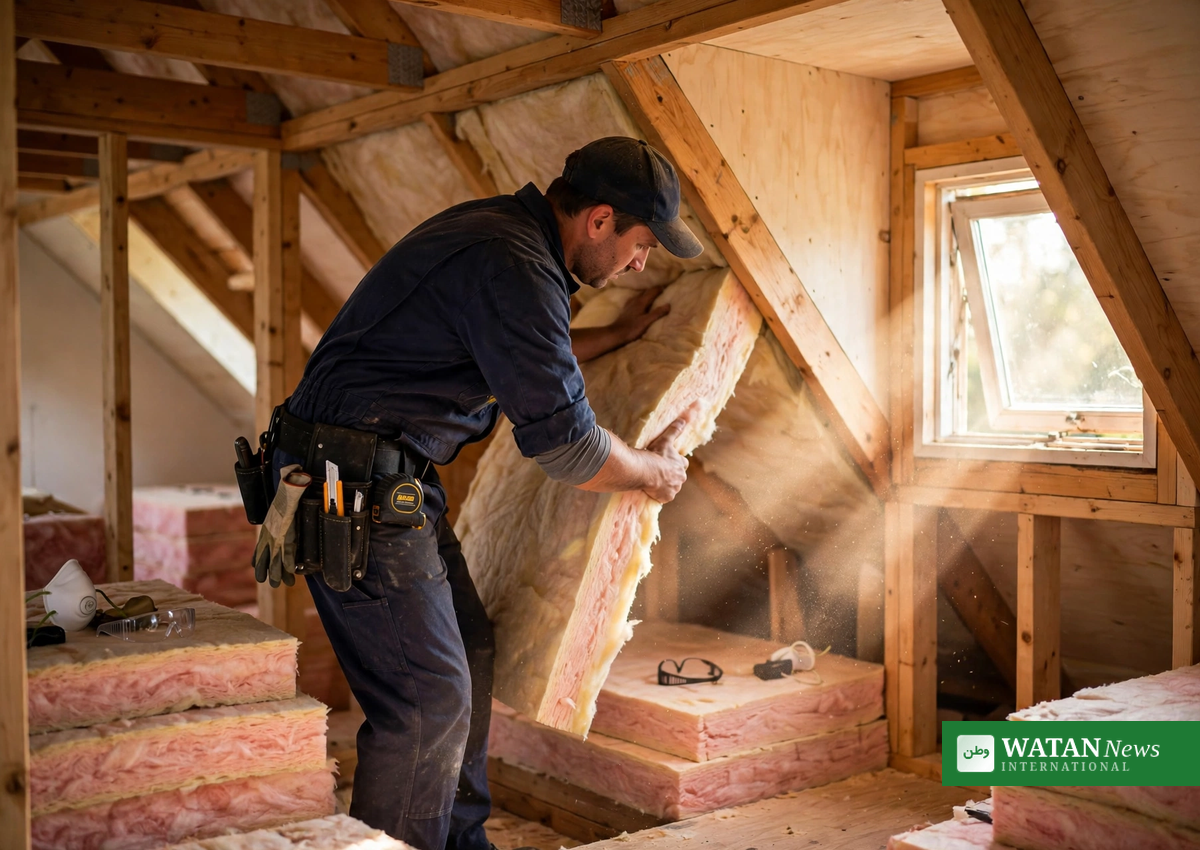
- Eligible upgrades: attic insulation, air sealing, smart thermostats, duct sealing, heating and cooling servicing, and furnace, boiler and water-heater upgrades, based on a home assessment.
Closing the gap before weatherization
Many households cannot access energy-efficiency improvements because their homes first need structural, health or safety repairs. The new programme targets exactly that barrier: QTS funding will pay for pre-weatherization work so homes can then qualify for weatherization and energy-efficiency upgrades.
The programme follows a coordinated path from community outreach and home assessment to repairs, energy-efficiency improvements and follow-up. According to QTS, the aim is homes that are more energy efficient, comfortable, healthy and safe, with lower energy bills for families.
Who delivers the programme
Georgia Power is the utility partner. The Same House will support local education and outreach, helping residents learn about the programme and connect with available resources. Groundswell will act as Energy Navigator, giving households personal guidance, technical screening and application support as they move from first contact towards repairs and improvements.
“At QTS, we believe that being a good neighbor means investing in the things that matter most to the people who call Fayette County home,” said Brian Herlihy, chief development officer at QTS. Georgia Power said the partnership helps meet customers where they are and move them closer to energy efficiency.
Why home energy use matters now
The announcement lands as household energy habits are shifting worldwide. Bain & Company’s 2026 CEO Sustainability Report, based on a survey of 7,500 consumers, found 85 percent of respondents worried about environmental sustainability in 2026, up from 79 percent in 2025, with extreme weather — floods, heatwaves and wildfires — the main driver. Limiting household energy use was the most common sustainable habit, reported by 59 percent, followed by recycling at 56 percent, and 83 percent of respondents had adopted three or more sustainable lifestyle habits, up from 73 percent in 2023.
Governments are moving in the same direction. Canada announced on 8 October 2026 a $2 billion investment over eight years to support one million home retrofits, including a National Heat Pump Rebate for up to 820,000 households. For related coverage of that programme, see Canada’s home retrofit support for sustainable living.
Why it matters
Energy costs are a major part of every family budget, and heating and cooling are among the largest uses of energy in a home. Programmes that fix the underlying condition of a house — insulation, sealing, efficient heating — cut bills and emissions at the same time, and the benefits last for years rather than a single winter.
The Fayette County model is also notable for who pays: a data-center operator investing in the community around its campus, alongside the local utility and community organisations, rather than leaving households to fund repairs alone.