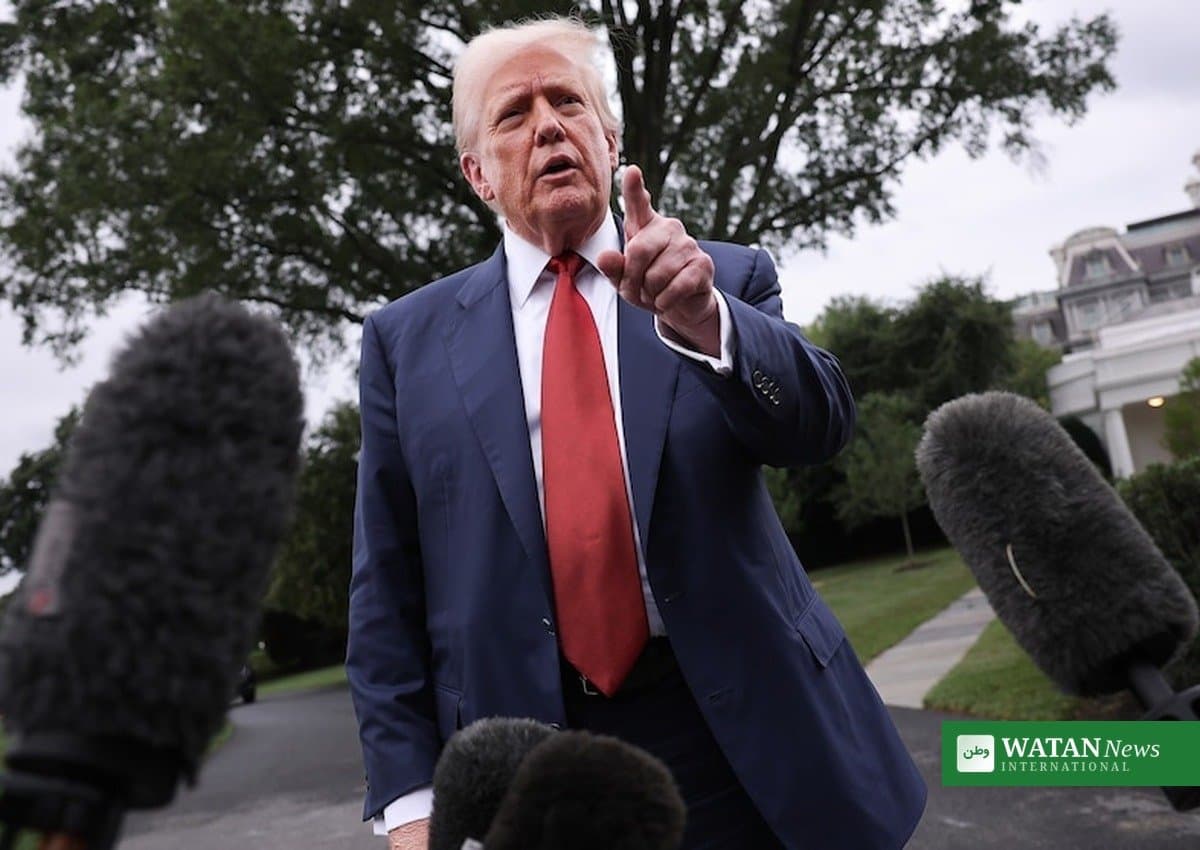
WASHINGTON – US President Donald Trump said on Saturday that the Trump Iran decision is coming soon, telling reporters outside the White House that Tehran has been “decimated” and that the conflict will end “either the easy way or the hard way.” The remarks are the clearest signal yet that Washington is weighing the endgame of a war that has shaken global energy markets and drawn US forces into one of their largest Middle East deployments in years.
FAKTA
- Trump says a decision on Iran is coming — “either the easy way or the hard way” — with Iran described as “decimated.”
- He rejected a seven-day ceasefire plan proposed by Tehran — which included reopening the Strait of Hormuz — calling the terms unacceptable.
- He told Time magazine it is “possible” bombing of Iran resumes after the November midterm elections if no deal is reached.
- His national security team held unannounced talks at Camp David on the Iran war and Yemen; Vice President JD Vance chaired the session, Axios reported.
- Military pressure is building: a third US carrier strike group, the USS Theodore Roosevelt, is sailing to the region, while the USS George Washington operates near the Strait of Hormuz.
- Trump claims the war will end “very quickly” — and says oil prices will “drop like a rock” once it does.
What Trump said on his Iran decision
Trump declined to give details of his plans. Asked on Friday about his upcoming strategy, he said: “If I told you, you’d have a major story, right? But you’ll see. Working out very well. Iran is not doing well.”
He did not explain what he meant by the “easy way” and the “hard way,” but the remarks were widely read as a choice between a negotiated deal to end the conflict and a resumption of large-scale US military operations.
On Thursday, Trump had framed the choice even more starkly, saying a decision had to be made on the war and that Iran must either sign an agreement or “cease to exist,” the Seoul Economic Daily reported.
What the Trump Iran decision could look like
Two paths are visible. One is diplomacy: Tehran proposed a seven-day ceasefire plan that would reopen the Strait of Hormuz, restart nuclear talks and bring sanctions relief, but Trump rejected it, telling Time magazine the proposal was not good enough. The other is escalation — Trump told the same magazine it was “possible” bombing of Iran could intensify after the November midterm elections if there is no deal with Tehran.
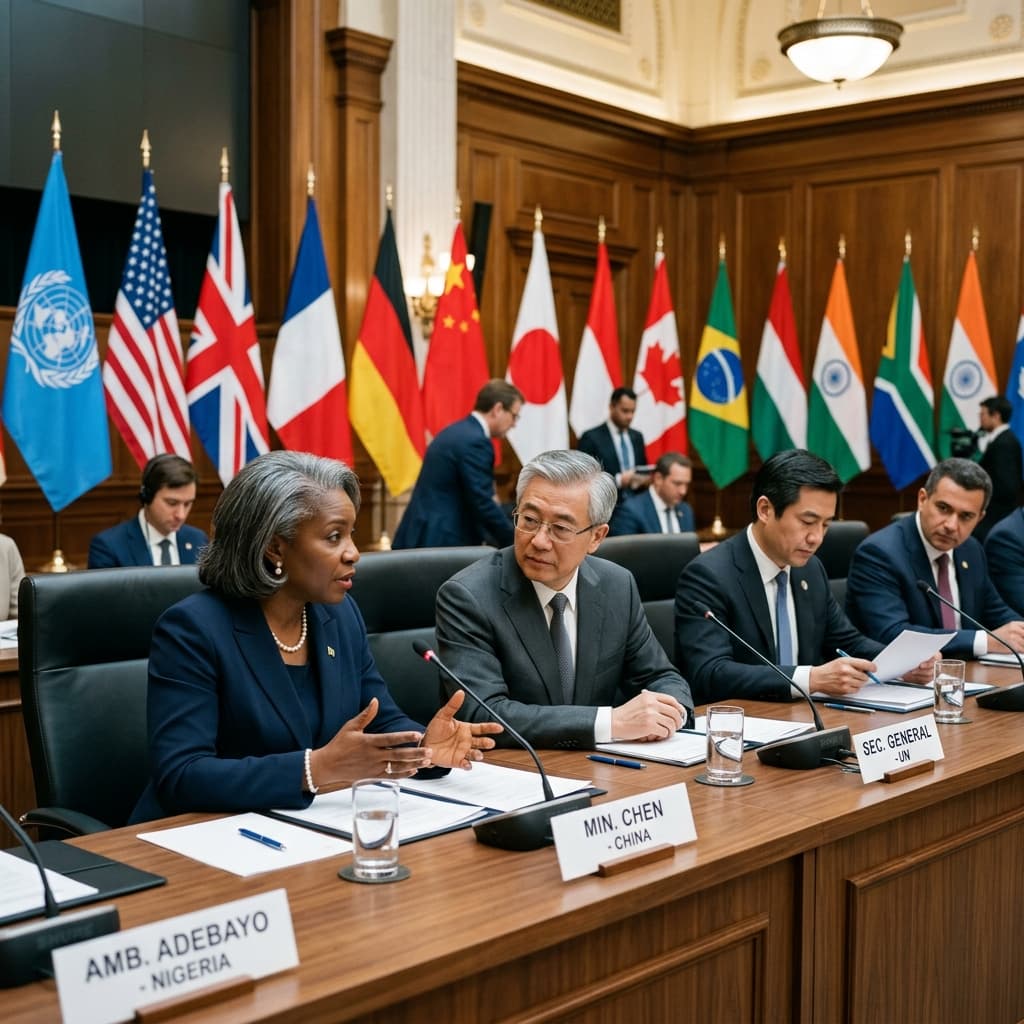
His national security team met in an unannounced session at Camp David on Friday to discuss the Iran war and Yemen, Axios reported. Vice President JD Vance chaired the hours-long meeting, which included Secretary of State Marco Rubio, Defense Secretary Pete Hegseth, envoy Steve Witkoff, CIA Director John Ratcliffe and Joint Chiefs Chairman Dan Caine. One official told Axios that “things were decided or at least deeply discussed.” The White House did not comment.
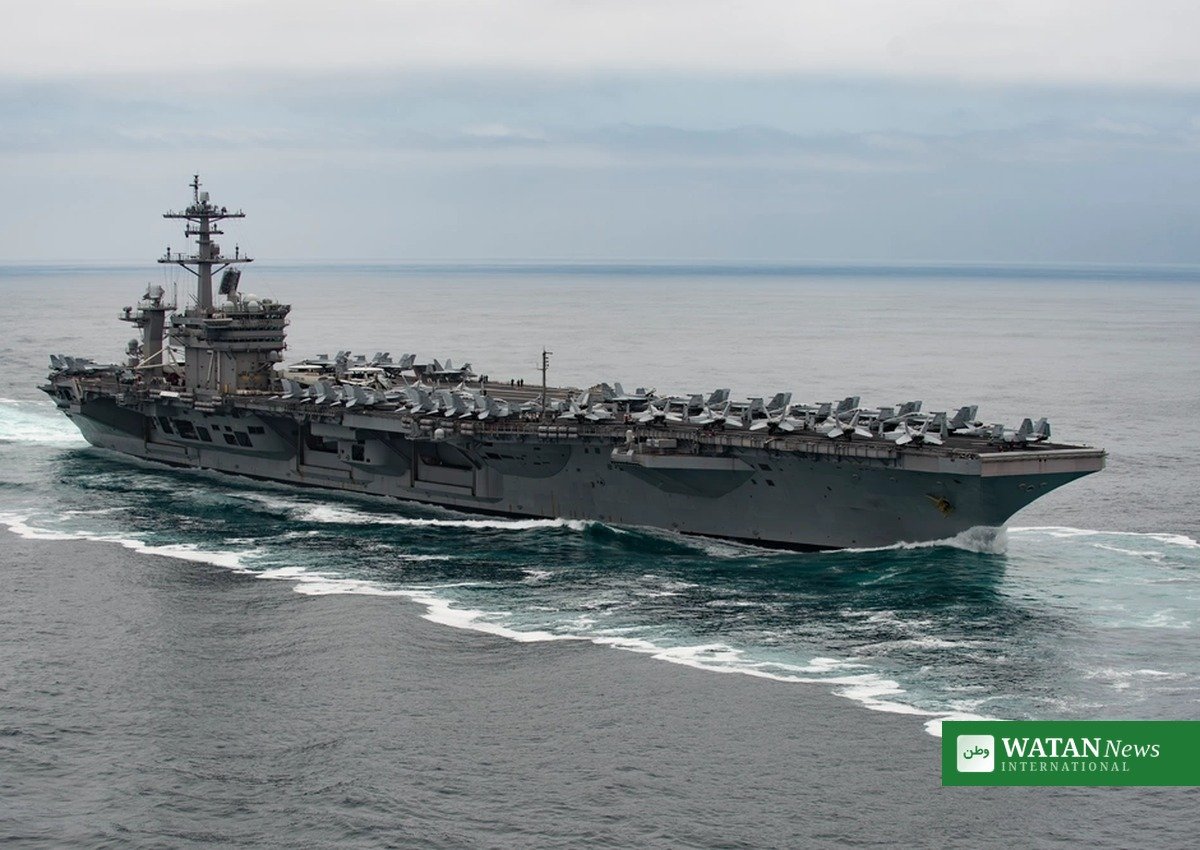
The USS Theodore Roosevelt carrier strike group — the third US carrier group sailing toward the Middle East as Washington weighs its Iran decision. (DVIDS / US Navy)
Military buildup behind the rhetoric
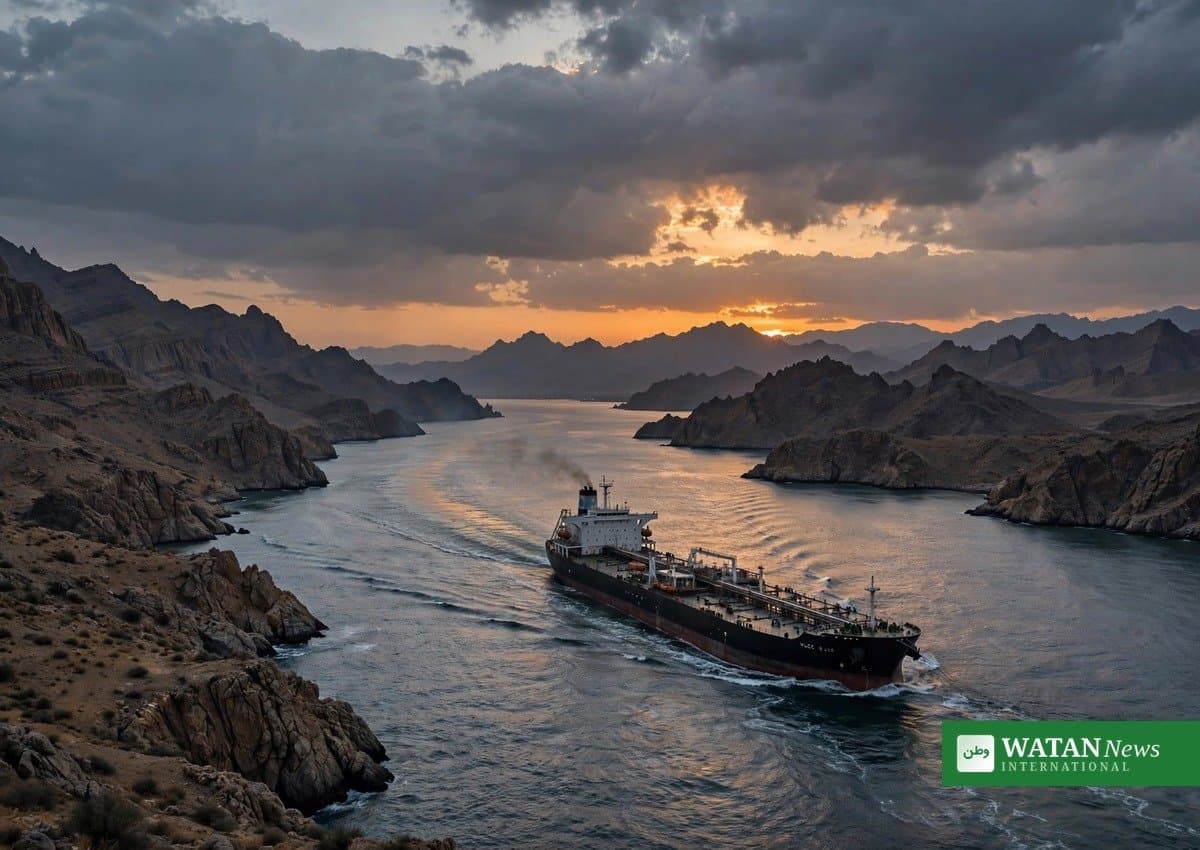
The warnings come as the US moves more firepower into the region. The USS Theodore Roosevelt carrier strike group and the USS Makin Island amphibious readiness group have departed San Diego and are expected to arrive by the end of November, adding around 10,000 personnel to the more than 50,000 US troops already in the region. The USS George H.W. Bush and the USS George Washington are already operating there, with the Washington near the Strait of Hormuz — the vital oil waterway that has seen repeated attacks on commercial shipping.
Meanwhile, US and Saudi officials are also weighing expanded action against the Iran-backed Houthis in Yemen, according to the same Axios reporting on the Camp David talks.
Watan News is following the crisis closely — read this story on our main site and see our latest Middle East coverage for continuing updates.
What happens next
Speaking to reporters in Texas earlier, Trump predicted the war would conclude “very quickly” and forecast a sharp fall in energy prices once the fighting stops. “And, one way or the other, it’s going to end very quickly. And when that ends, oil prices are going to drop like a rock,” he said.
He also claimed Tehran’s economy and military were shattered, citing what he described as 301 percent inflation and asserting that Iran’s military, navy and air force were “gone” — claims that could not be independently verified.
Iran has not publicly responded to Trump’s latest remarks. The White House has given no timeline for the president’s decision.