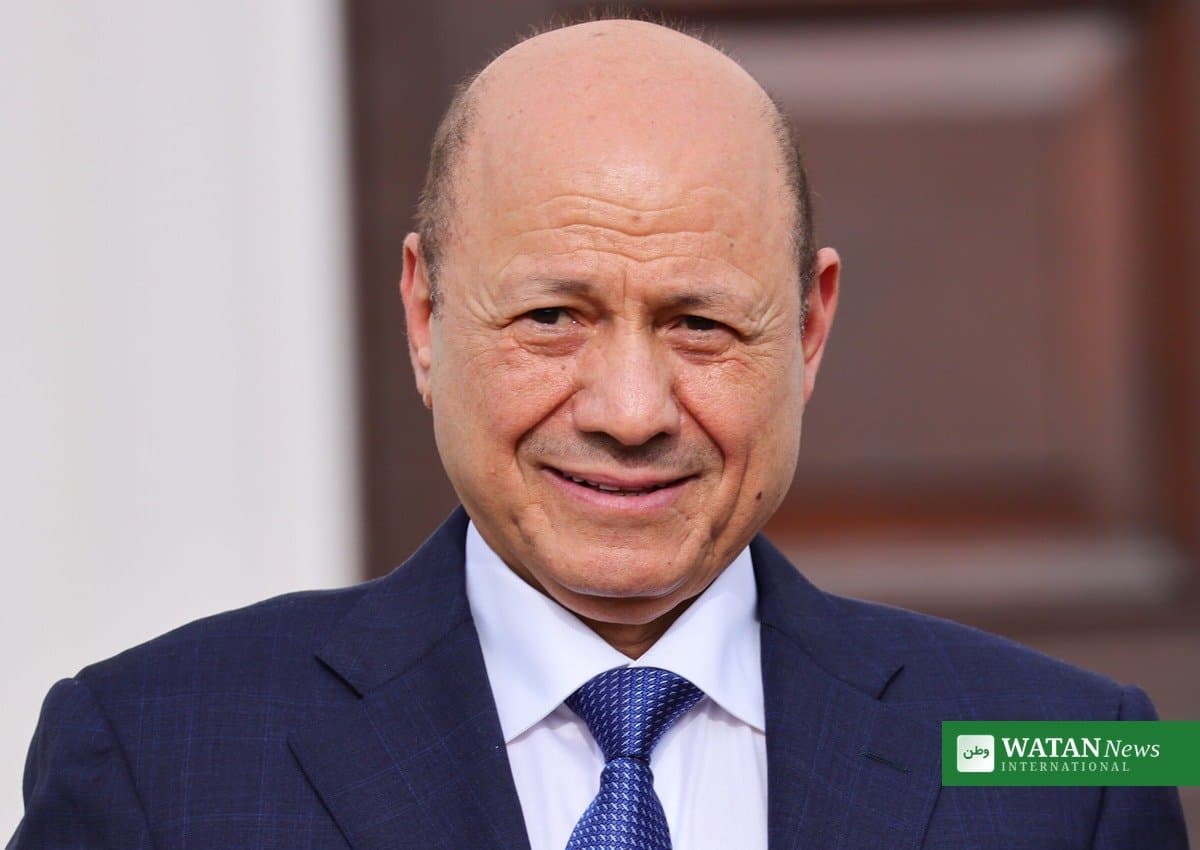
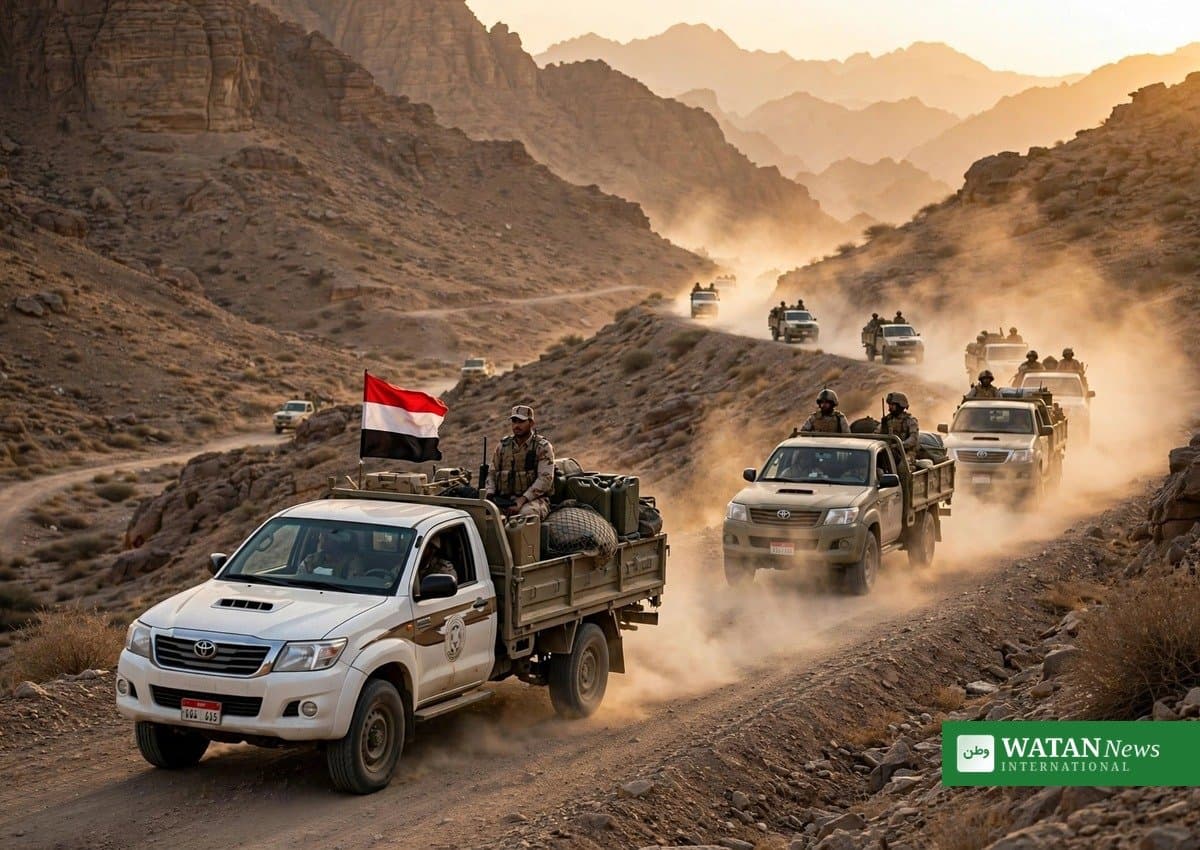
Yemen’s Saudi-backed government has announced the start of a major Yemen military operation to retake all territory held by the Iran-backed Houthis, in a dramatic escalation of the country’s civil war. Rashad al-Alimi, head of the Presidential Leadership Council, declared in a televised address on Sunday, 4 October 2026, that government forces would press the offensive “until the country is liberated from the grip of the terrorist militia”.
Key facts: Yemen military operation
Who: Rashad al-Alimi, chairman of Yemen’s Presidential Leadership Council — the Saudi-backed, internationally recognised government based in Aden.
What: The start of military operations to retake all Houthi-held territory and restore state authority and its institutions across the entire national territory.
When: Sunday, 4 October 2026, in a televised address.
Where: Yemen — the Houthis (Ansar Allah) hold the capital Sanaa and much of the northwest, where most of the population lives, since 2014; the government holds Aden and the south.
Immediate trigger: Hours before the announcement, the Houthis cut the vital supply route linking the besieged city of Taiz with the government’s interim capital Aden, effectively encircling the city, according to four security sources.
Backdrop: A lightning Houthi offensive last month seized the strategic Bab el-Mandeb strait and some 150 km of Red Sea coastline in a matter of weeks.
Al-Alimi declares Yemen’s military operation
“I announce today the start of military operations to retake the remaining territories of the republic and extend the authority of the state and its institutions across the entire national territory,” al-Alimi said in the address. He called on “the armed forces, security forces and all military formations to begin carrying out their assigned missions, in accordance with the approved plans”.
According to Reuters, al-Alimi said the decision to launch the counteroffensive came after all chances of de-escalating the conflict had been exhausted. A Yemeni military spokesman later called on the Houthis to lay down their weapons.
The announcement sets an ambitious goal for the embattled government, which has struggled to roll back the Houthi surge despite military backing from Saudi Arabia. The Houthis have withstood years of attacks by Saudi Arabia, the UAE and their Western allies, and have updated their weaponry with help from Iran.
Taiz: an encircled city and heavy fighting
Taiz, Yemen’s third-largest city, remains the critical flashpoint. Government forces hold the city itself, but Houthi fighters have besieged it from multiple directions for years — and have now cut the main supply route from Aden, effectively encircling it, security sources told AFP.
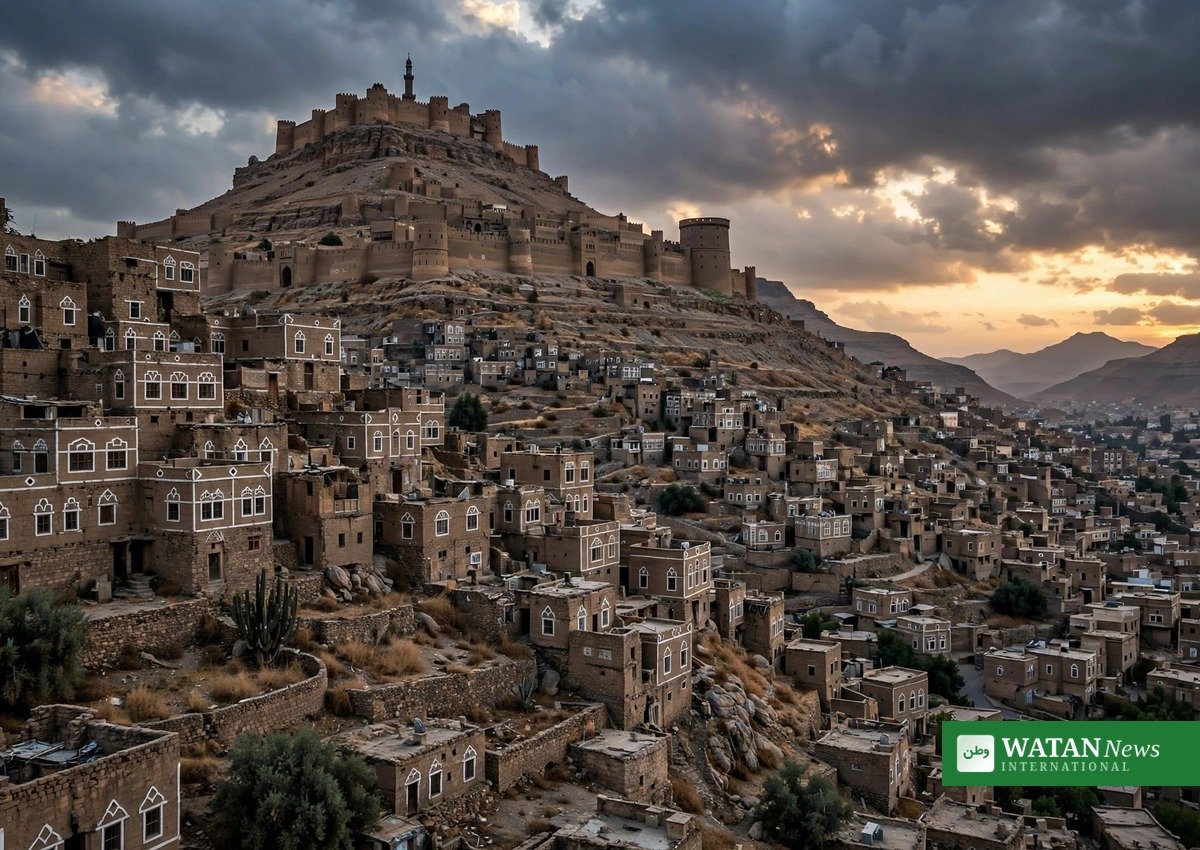
Fighting in and around Taiz province has killed more than 70 people over the past 24 hours, military and medical sources told Reuters. A Yemeni government military official, speaking on condition of anonymity, said more than 20 government soldiers and nearly 10 allied local fighters had been killed, with dozens wounded.
Government forces spokesman Colonel Majed Abdullah al-Nuzaili claimed the military had carried out 474 strikes and targeting operations against the Houthis in 24 hours — using warplanes, drones, artillery, missiles and rocket launchers — and that 1,540 Houthi fighters had been killed or wounded, most of them on the Taiz fronts, with 216 military vehicles destroyed or damaged. Those casualty claims have not been independently verified.
The Houthis, for their part, said Saudi forces carried out 94 airstrikes and missile attacks over the same period across six provinces — Sanaa, Saada, Taiz, Hajjah, Amran and Ibb — according to Houthi military spokesman Yahya Sarea. That claim has also not been independently verified.
Bab al-Mandab: a chokepoint in Houthi hands
The Houthi seizure of the Bab el-Mandeb strait and some 150 km of Red Sea coast in September gives the group new leverage over one of the world’s most important shipping routes. The strait, where the Red Sea meets the Gulf of Aden, is a vital chokepoint for international maritime trade, and its control by the Houthis raises international concerns about regional stability.

Reuters reports that the Houthi advance opened a new front in the wider US-Israeli war against Iran, launched in February, to which Tehran’s responses have included choking oil shipping through the Strait of Hormuz on the other side of the Arabian Peninsula.
Houthis claim strikes on Saudi Arabia
As the Yemeni government made its announcement, the Houthis said they had launched ballistic missiles and drones at Saudi Aramco sites in Riyadh and the Khurais area of Saudi Arabia. They claimed the attacks caused major fires and said they were in response to what they described as 50 Saudi-led air and missile strikes in Yemen over the previous 12 hours.
There was no immediate confirmation from Saudi Arabia. The Saudi-led coalition said it intercepted three ballistic missiles targeting southern Saudi Arabia amid the intensified fighting.
Conclusion
The launch of this Yemen military operation marks a critical escalation in the country’s protracted civil war. The government aims to reverse recent Houthi gains and reassert control over national territory — but the Houthis’ continued advances, the encirclement of Taiz and their grip on the Bab al-Mandab strait present formidable obstacles. With the UN warning that Yemen’s hunger crisis could become “absolutely devastating”, the humanitarian stakes of a renewed offensive are enormous. Follow our Middle East coverage for the latest developments.