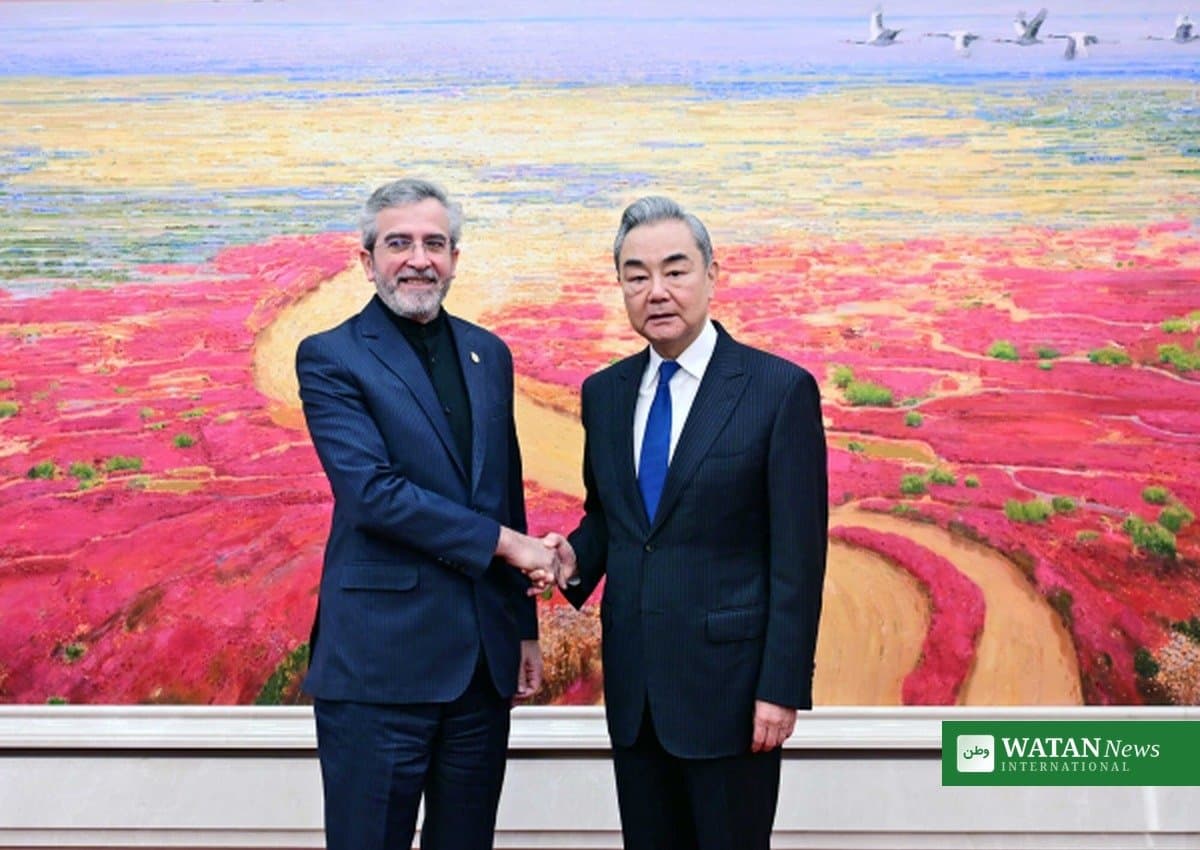
Iran has sent the United States a new nuclear proposal through Qatar, a possible opening after more than eight months of war. A senior Iranian official told Reuters on Thursday that Washington was reviewing the proposal, but said its contents would only be discussed after the United States meets seven conditions set by Tehran. The official, who spoke on condition of anonymity, declined to share further details.
FAKTA: Iran’s nuclear proposal at a glance
- The proposal: Iran has sent a nuclear proposal to the United States through Qatar. Washington is reviewing it, according to a senior Iranian official.
- The conditions: Tehran has set seven conditions before talks can begin, including the lifting of US sanctions, the release of frozen Iranian assets and war reparations.
- The deadlock: Iran says it will neither negotiate nor reopen the Strait of Hormuz until the conditions are met; the United States insists nuclear issues must be part of any first talks.
Seven conditions stand in the way
Iran’s top security official, Mohsen Rezaei, restated Tehran’s position on Thursday during a visit to Russia. “On the issue of diplomacy, we have announced seven conditions to the Americans,” he said. “As long as they do not execute our seven conditions, we will neither open the Strait of Hormuz nor have negotiations.”
Only some of the seven conditions have been described in public. Alongside sanctions relief, the release of frozen assets and compensation for wartime damage, Tehran is also seeking an end to the naval blockade of its ports. The remaining conditions have not been disclosed, and Washington has not said whether it would accept any of them.
Iran wants its demands addressed before nuclear talks begin, while Washington says nuclear issues must be included from the start.
Mediation gathers pace as war fears grow
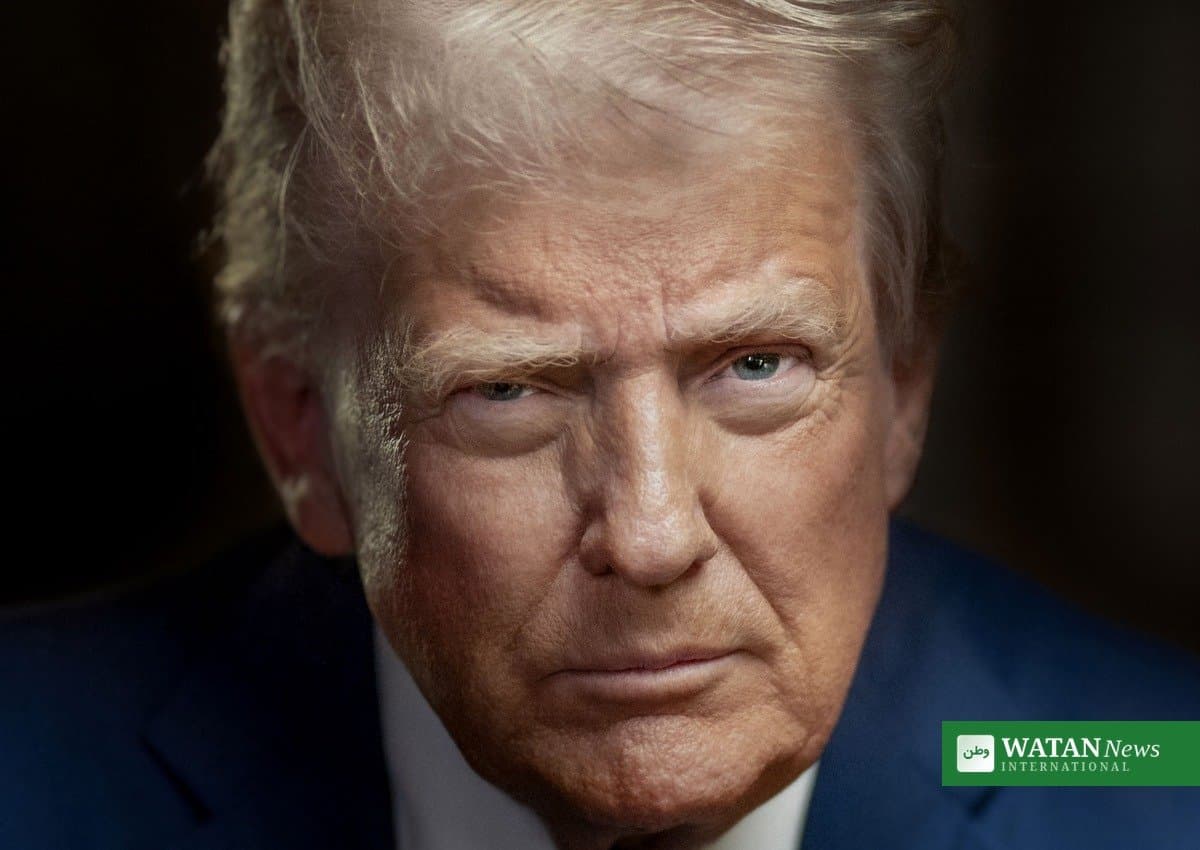
Regional mediators have stepped up efforts to end the fighting, amid fears the conflict could reignite after the US midterm elections. President Donald Trump recently refused to rule out renewed military operations, raising concern across the region. Qatar, which delivered the proposal, is now a central channel between the two sides. Earlier warnings from Washington have added to the urgency of the mediation.
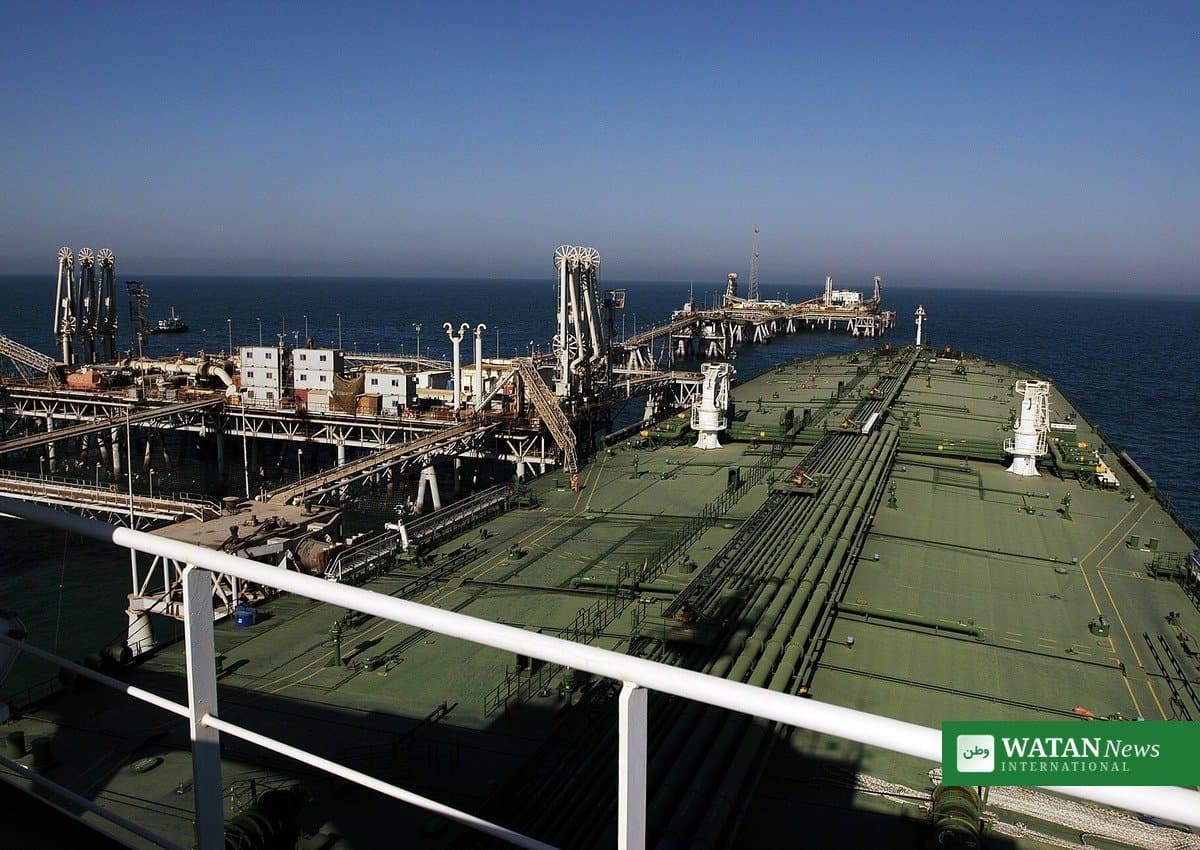
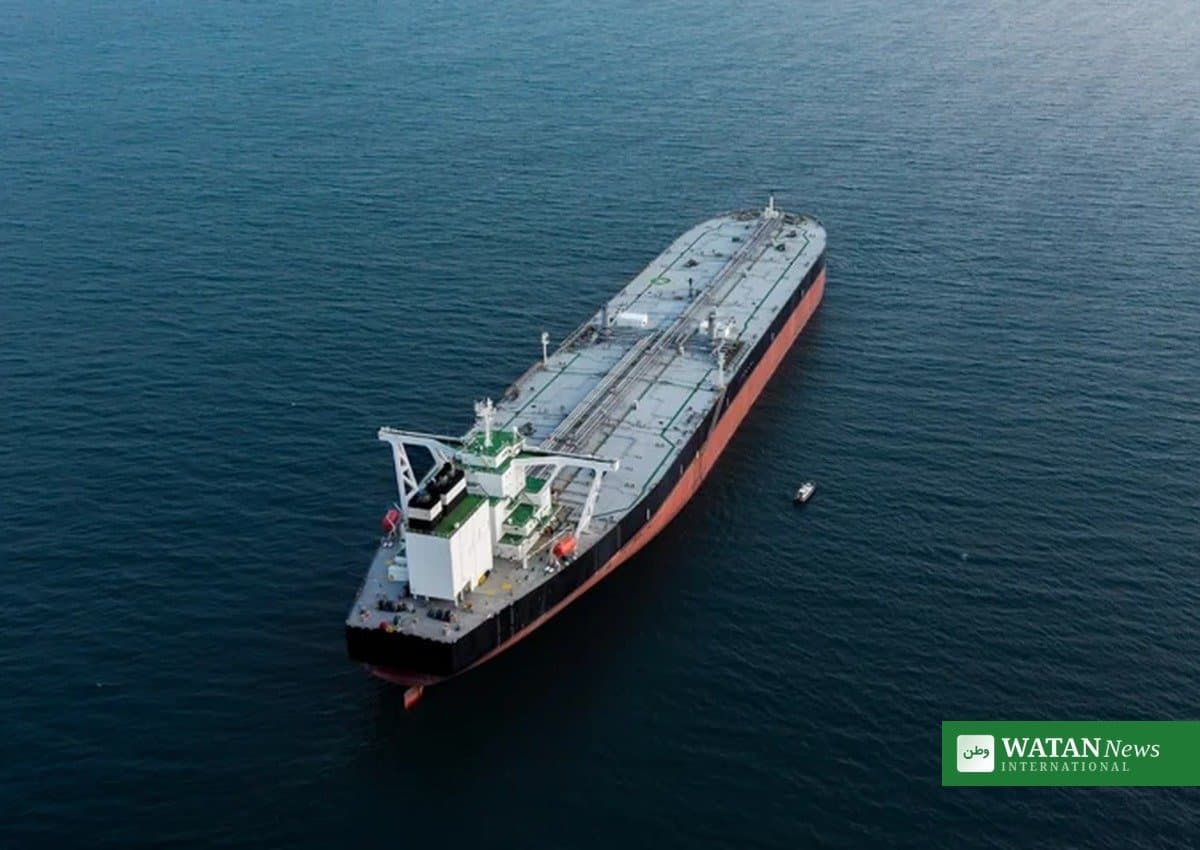
The Strait of Hormuz sits at the heart of the standoff. Before the war, about a fifth of the world’s traded oil and gas passed through the narrow waterway.
A war that has spread across the region
The conflict began on 28 February, when the United States and Israel attacked Iran. Tehran answered with strikes against Israel and Gulf states hosting American military bases. Fighting later spread to Lebanon, where Hezbollah clashed with Israel, and to Yemen, where Iran-aligned Houthi forces targeted energy facilities, airports and other sites in Saudi Arabia.
Whether it leads anywhere will depend on how far Washington moves towards Tehran’s conditions — and how far Tehran moves on its nuclear programme.