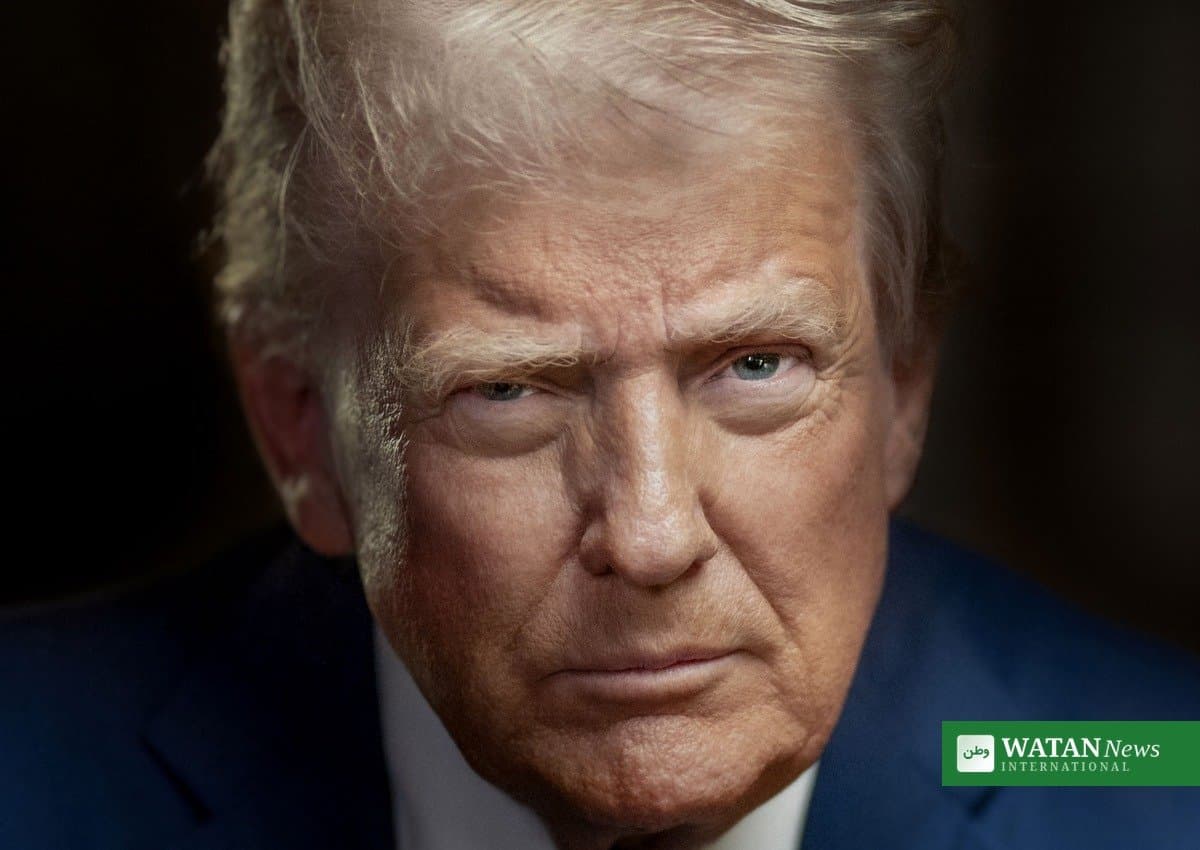
President Donald Trump confirmed on Friday, 6 November 2026, that United States forces had carried out limited strikes against an Iranian air-defence system on Qeshm Island, in the Strait of Hormuz, describing the operation as “minor” as Iranian media reported two missiles striking the island’s Suza area.
Read this story on Watan News: Trump Confirms US Strikes on Iran’s Qeshm Island in Strait of Hormuz
FAKTA
- US forces carried out limited strikes on an Iranian air-defence system on Qeshm Island on Friday, 6 November 2026.
- President Donald Trump confirmed the strikes to reporters in West Palm Beach, Florida, describing them as “minor”.
- Iran’s Tasnim news agency said two missiles had struck the island; state news agency IRNA cited witnesses who heard an aircraft before two projectiles hit the Suza area.
- Iranian officials have released no official damage assessment, and neither side has reported casualties.
- The strikes were the second round of US strikes on Qeshm Island in five days, and the first since Tuesday’s midterm elections in the United States.
- Qatar said on Saturday that its mediation efforts between the US and Iran were continuing, and denied reports that the talks had failed.
US Strikes Qeshm Island: Trump Calls the Operation “Minor”
Speaking to reporters after arriving in West Palm Beach, Florida, Trump said US forces had destroyed a small Iranian anti-aircraft system within minutes. “They built a little bit of an anti-aircraft device and we knocked it out in about 15 minutes, maybe five,” he said. He did not identify the precise location of the installation or give further operational details, and his account of the system’s destruction could not be independently verified.
Trump also insisted that the limited action did not mean a wider war, saying “we are not fighting”, and said Washington had made “a lot of progress” in talks with Iran. US Central Command described the situation as “relatively calm”.
A Second Round of Strikes in Five Days
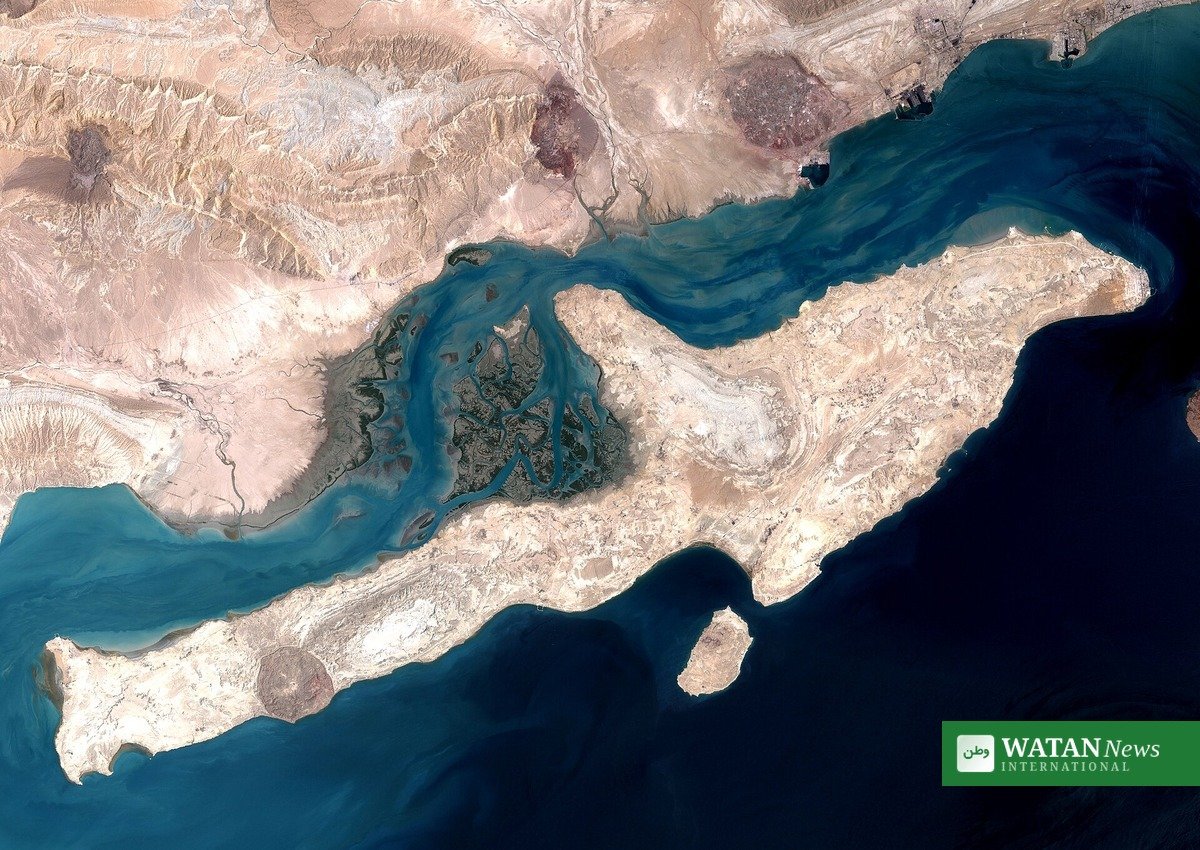
Friday’s operation followed a separate series of US strikes on Monday, 2 November, which American officials described as defensive. Explosions were heard then on the islands of Qeshm and Hengam and in the nearby mainland area of Bandar Abbas. Qeshm, the largest island in the Persian Gulf, has been targeted by US forces in previous rounds of the fighting and is home to a naval base and a large underground missile facility.
| US strikes on Qeshm Island | Target | Description |
|---|---|---|
| 2 November 2026 | Qeshm and Hengam islands, Bandar Abbas area | Described by US officials as defensive strikes |
| 6 November 2026 | Air-defence system on Qeshm Island, Suza area | Described by President Trump as “minor strikes” |
The 6 November strikes were also the first since Tuesday’s midterm elections in the United States, in which the Democratic Party scored major gains. The conflict between the United States and Iran, which began on 28 February 2026, is now in its ninth month.
What Iran Has Reported
Iranian state media reported the explosions on Friday night, with local witnesses saying two projectiles struck the Suza area after the sound of an aircraft was heard over the island. Tasnim said further details would be released once the relevant authorities confirmed the incident, and added that there was no official information on possible damage. Iranian media also claimed that Iranian air defences had shot down a US drone over Qeshm Island. The United States did not confirm the claim.
On Saturday, Iran’s Revolutionary Guard said it had lifted its self-imposed 2,000-kilometre limit on the range of its ballistic missiles, a cap it had maintained for years.
The Strait of Hormuz Under Strain
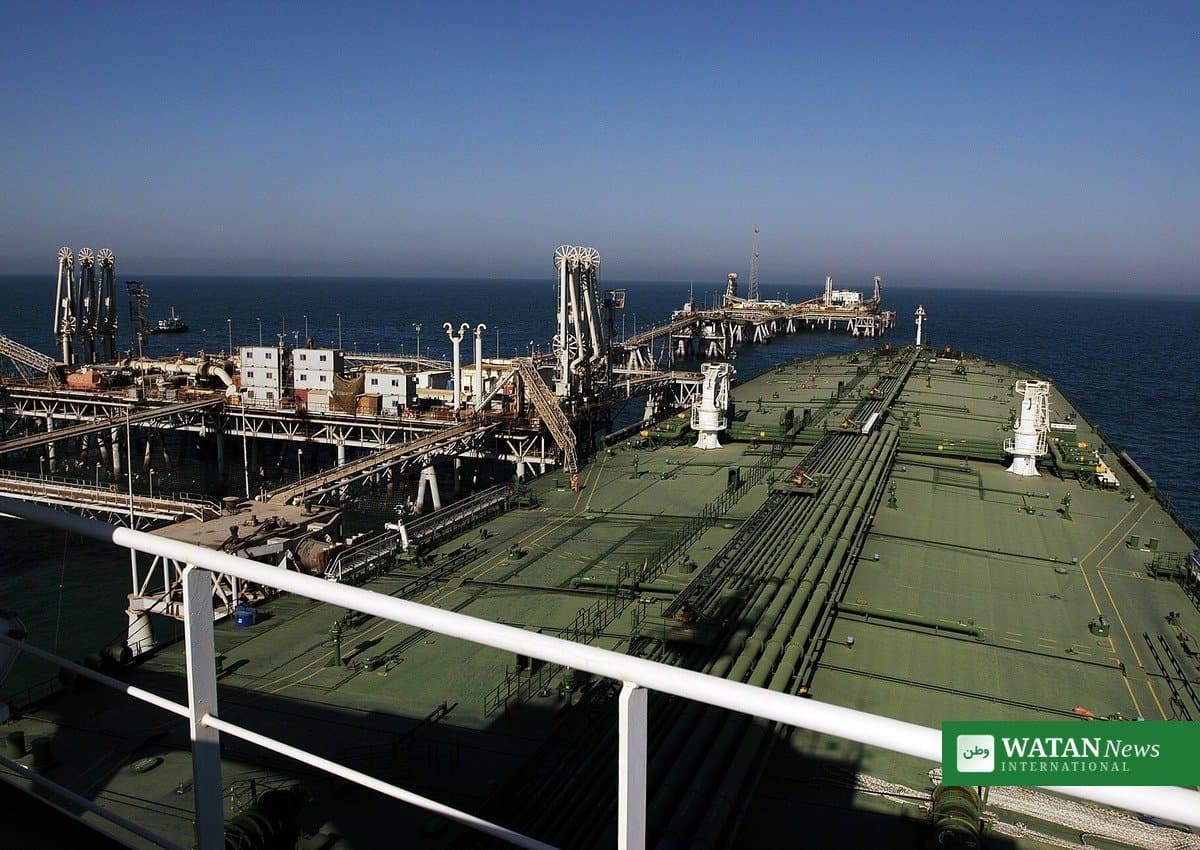
The strikes came against a backdrop of escalating attacks on commercial shipping in and around the Strait of Hormuz, the narrow waterway through which a large share of the world’s seaborne oil passes. At least 11 ships were attacked in and around the strait in the week ending on 6 November, according to the United Kingdom Maritime Trade Operations centre, which said three of them sank. UKMTO figures record 88 projectile strikes since hostilities resumed in early July, and transits through the strait are running about 65 percent below pre-conflict levels.
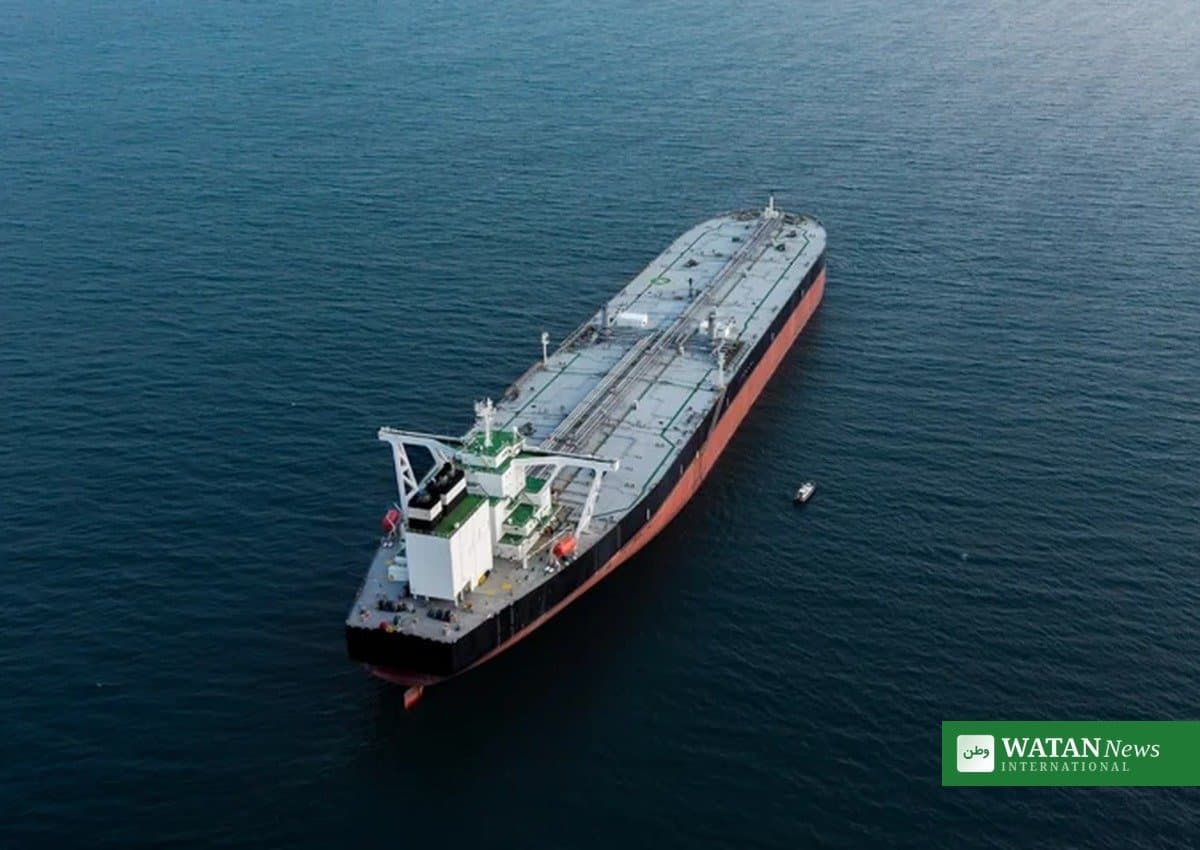
On Thursday, 5 November, an explosion believed to have been caused by a missile struck the Marshall Islands-flagged tanker MT Velos Sapphire as it sailed unladen towards Bahrain. The ship’s manager, Velos Tankers, confirmed on 6 November that one seafarer had died, the first fatality aboard a tanker in the current wave of attacks to be confirmed by a ship’s manager. The crew put out the resulting fire, no one else was hurt, and the vessel was taken to Bahrain’s Khalifa Bin Salman Port. UKMTO also reported an explosion aboard a tanker about 16 nautical miles east of Khasab, Oman, on 6 November; all crew were safe and the vessel continued under its own power.
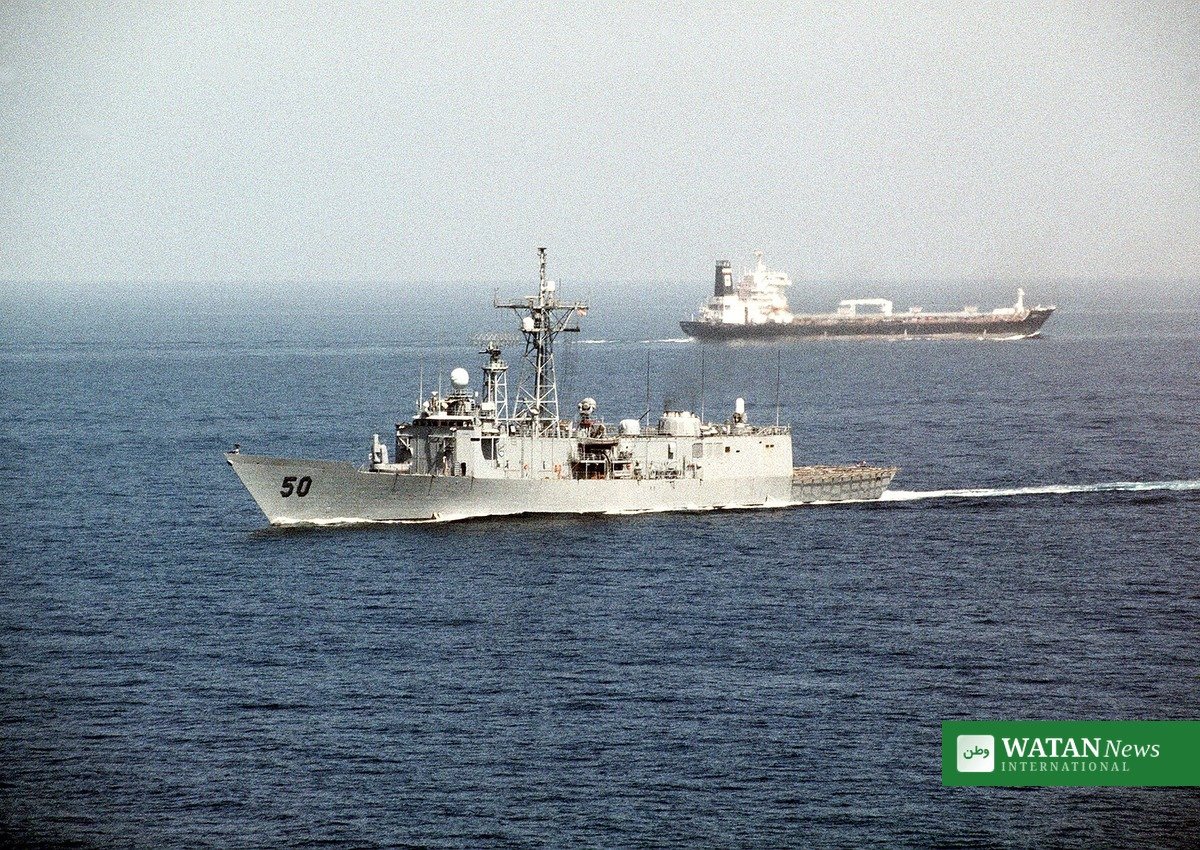
Iran has said the Strait of Hormuz will remain closed until the United States accepts seven conditions set by Tehran, including the lifting of sanctions, the release of frozen Iranian assets and the payment of war reparations.
Talks Continue Despite the Strikes
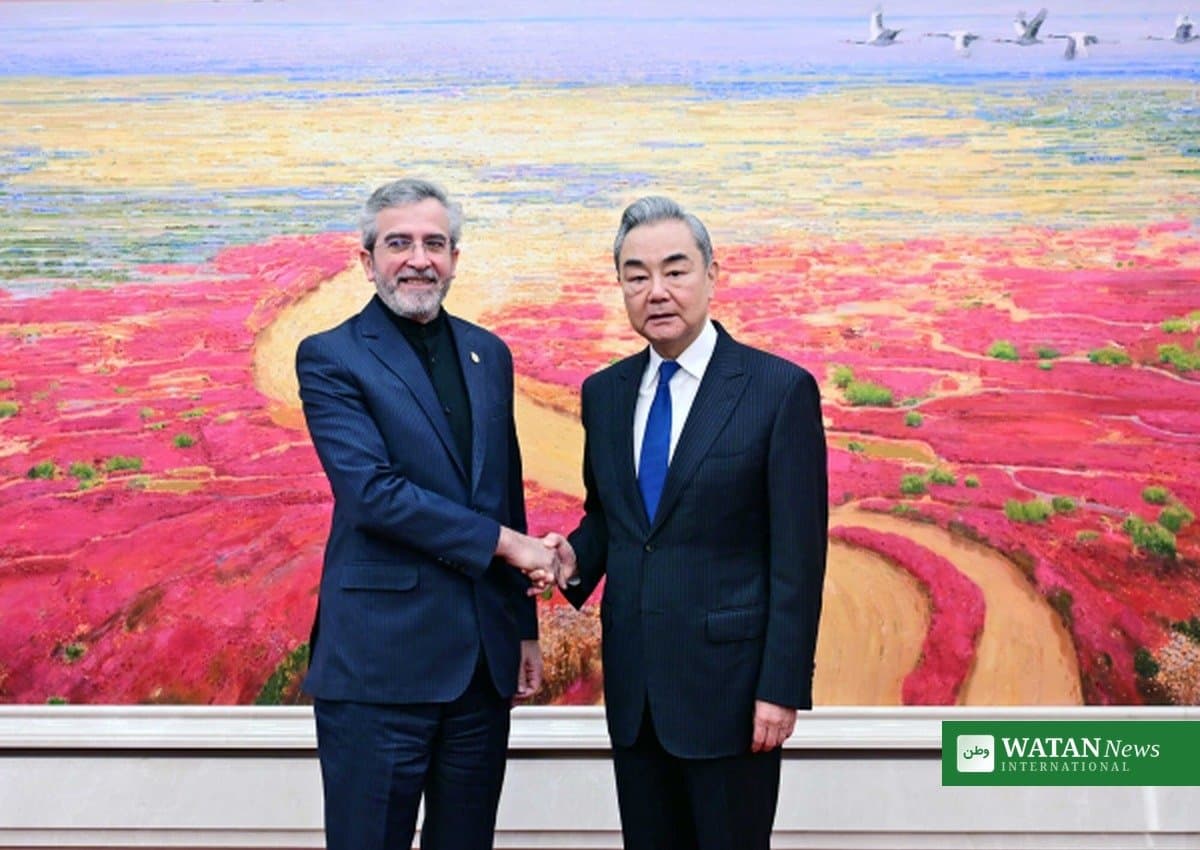
Diplomacy has continued alongside the military action. Two Middle East government officials told the Associated Press on Friday that Iran was reviewing proposals presented by Qatar aimed at addressing differences with the US about Tehran’s nuclear programme. On Saturday, Qatar’s International Media Office denied reports that the talks had failed, and Qatar’s prime minister said mediation was continuing. Trump said Washington remained in contact with Tehran: “We are talking to Iran. We have been. They desperately want a deal.”
Conclusion
The 6 November strikes on Qeshm Island were limited in scale, but they landed at a sensitive moment: days after an earlier round of strikes, hours after a seafarer was killed aboard a tanker in the Gulf, and in the middle of negotiations that both sides say are still alive. What happens next will depend on a statement from the Pentagon or US Central Command, a verified Iranian damage assessment, and whether the Qatar-mediated talks produce a breakthrough — or whether the pattern of limited strikes and shipping attacks pulls the region towards wider fighting.