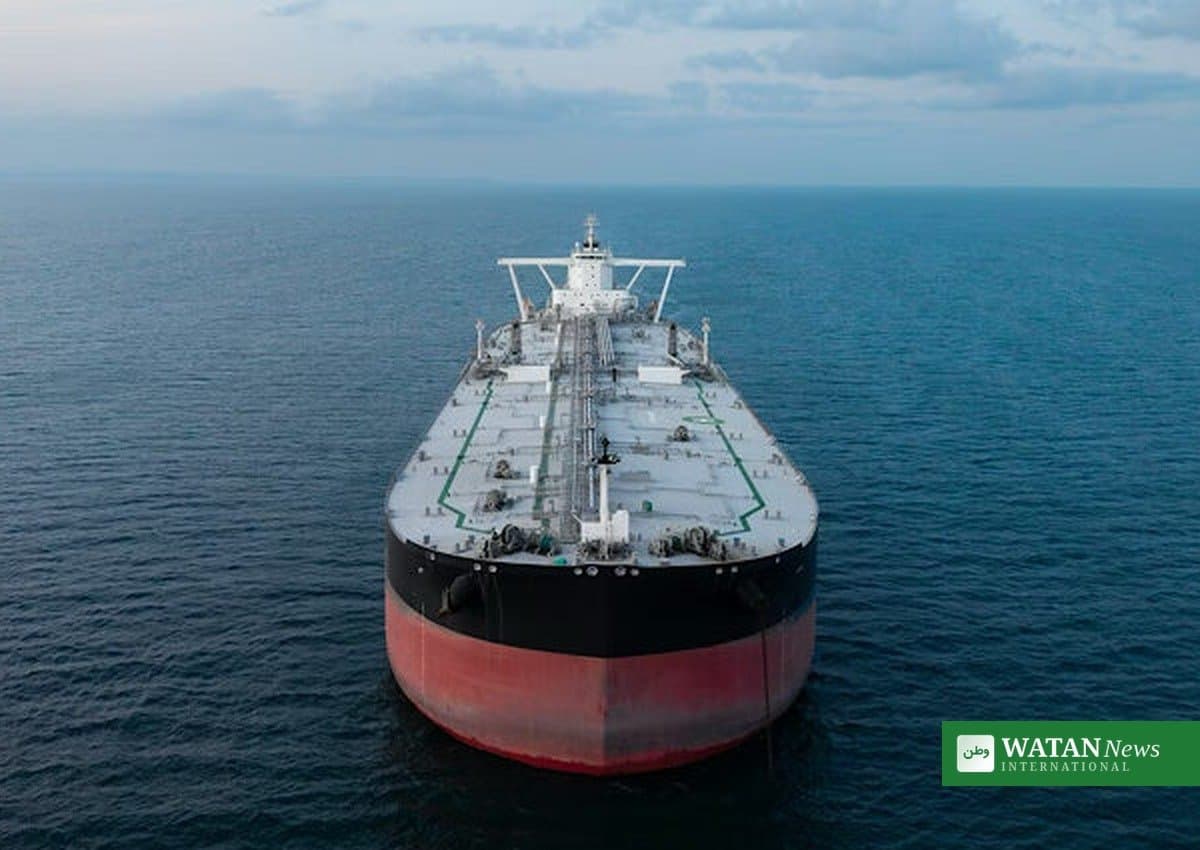
Oil prices are heading for a weekly decline of about 12 percent, despite rising for a second straight session on Friday. Brent crude and US West Texas Intermediate (WTI) have recovered some ground after a steep sell-off earlier in the week, but both benchmarks remain on course for their sharpest weekly fall in months, as traders weigh hopes of an end to the nine-month war in the Middle East against fresh attacks on tankers in the Strait of Hormuz.
FAKTA: Oil prices weekly decline at a glance
- Brent crude: $99.58 a barrel on Friday, up 1.31 percent; on track for a weekly fall of about 12 percent
- WTI crude: $91.38 a barrel, up 0.95 percent; heading for a weekly decline of 12.1 percent
- Wednesday’s fall: both benchmarks dropped about 8 percent in a single day, to their lowest levels in two months
- Driving force: hopes of de-escalation in the Iran war after the Democrats’ US midterm election sweep
- Counterweight: fresh tanker attacks in the Strait of Hormuz; Iran reported three more attacks on Thursday
A week of two halves
Crude prices fell sharply on Wednesday, dropping about 8 percent in a single day to their lowest levels in two months. The sell-off followed the Democrats’ sweeping victory in the US midterm elections, which gave the party control of both chambers of Congress. Investors read the result as a signal that Washington could push harder to wind down the war in the Middle East, now in its ninth month, and traders sold crude contracts in anticipation of lower geopolitical risk.
Prices had climbed far during the conflict: Brent rallied almost 14 percent in October to a six-month high, and JPMorgan estimated the global market was already in surplus by about 1.4 million barrels a day in October as high prices weakened demand.
Tanker attacks put a floor under prices
The mood shifted on Thursday and Friday as fresh attacks on commercial vessels revived supply fears. Brent briefly crossed $100 a barrel in Friday morning trading before settling at $99.58, while WTI rose to $91.38. Tim Waterer, chief market analyst at KCM, called Friday’s rise a technical recovery after the sell-off, warning that supply risks had not disappeared.
Iran reported three more tanker attacks in the Strait of Hormuz on Thursday, and data from Britain’s maritime security agency, UKMTO, showed attacks running at close to record pace. The strait carries a major share of Middle Eastern oil shipments, and any disruption could quickly tighten global supplies. More on the attacks in the strait: Tankers Hit Again in Strait of Hormuz as Iran Reports Mine Strikes.
What traders watch next
Traders are now watching diplomatic efforts and regional security closely. If de-escalation hopes hold, oil prices may stay under pressure; any further escalation could quickly reverse the week’s losses. With both benchmarks still nursing double-digit weekly declines, the coming days will show whether Friday’s recovery marked stabilisation or only a pause in a falling market.