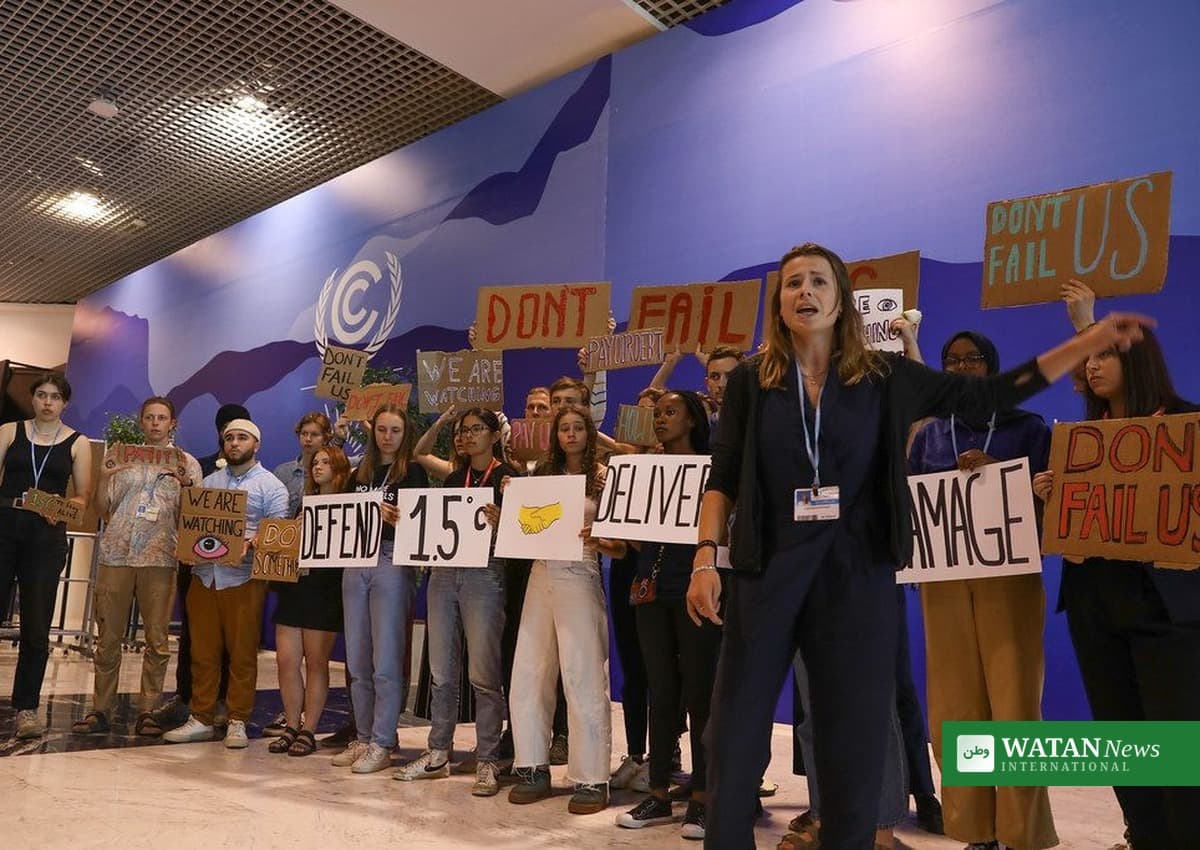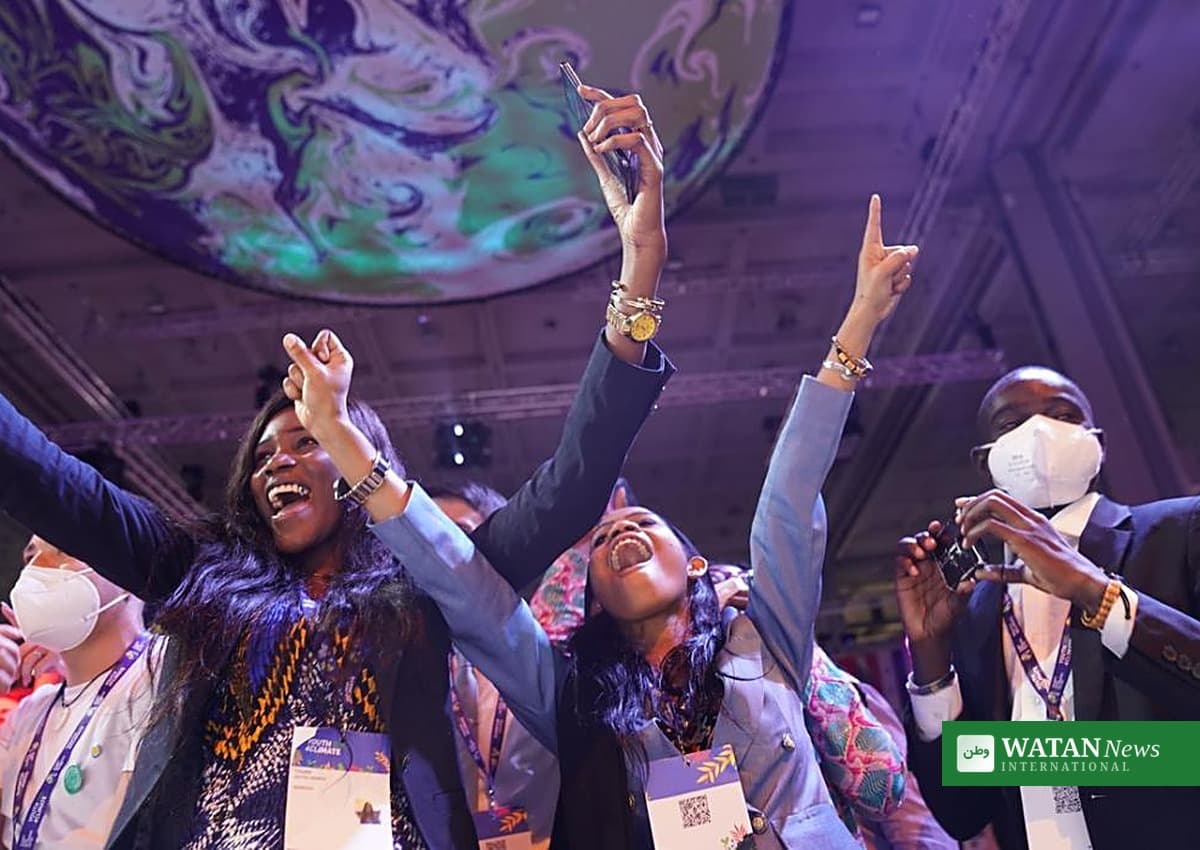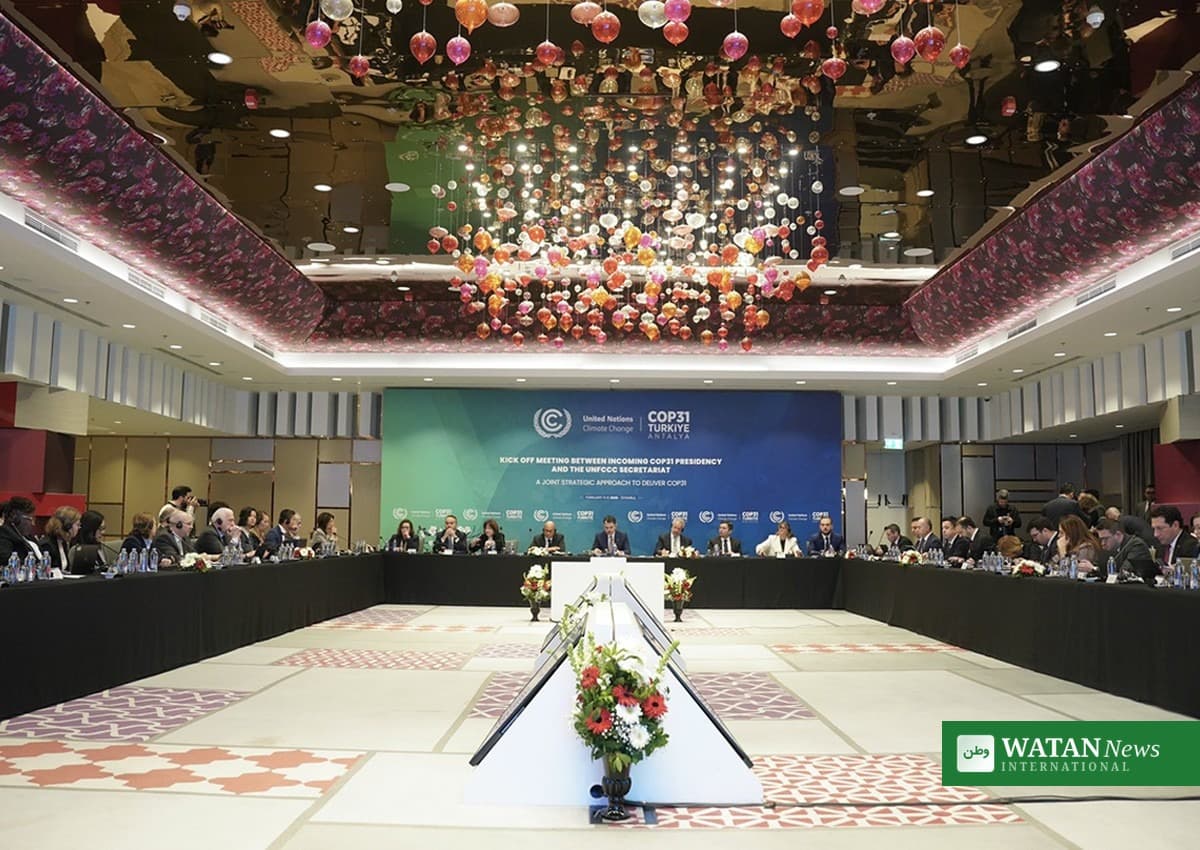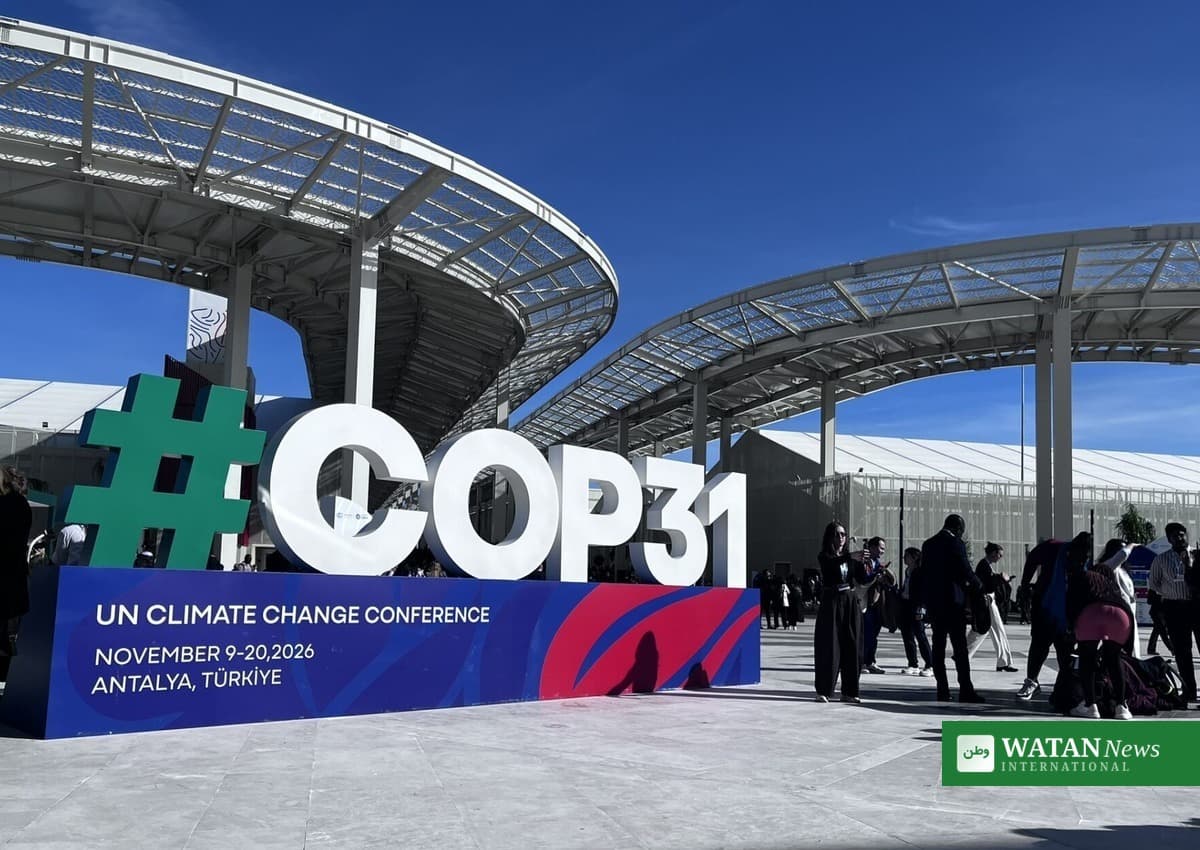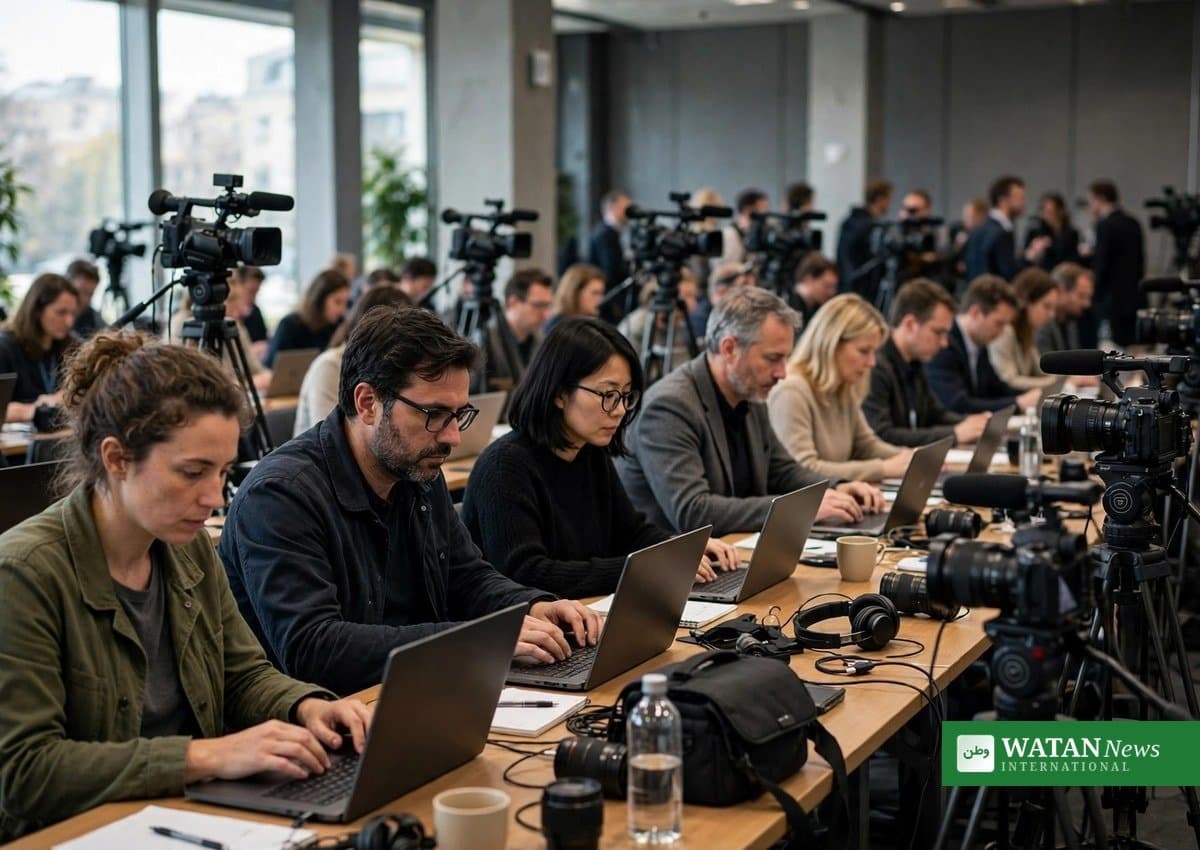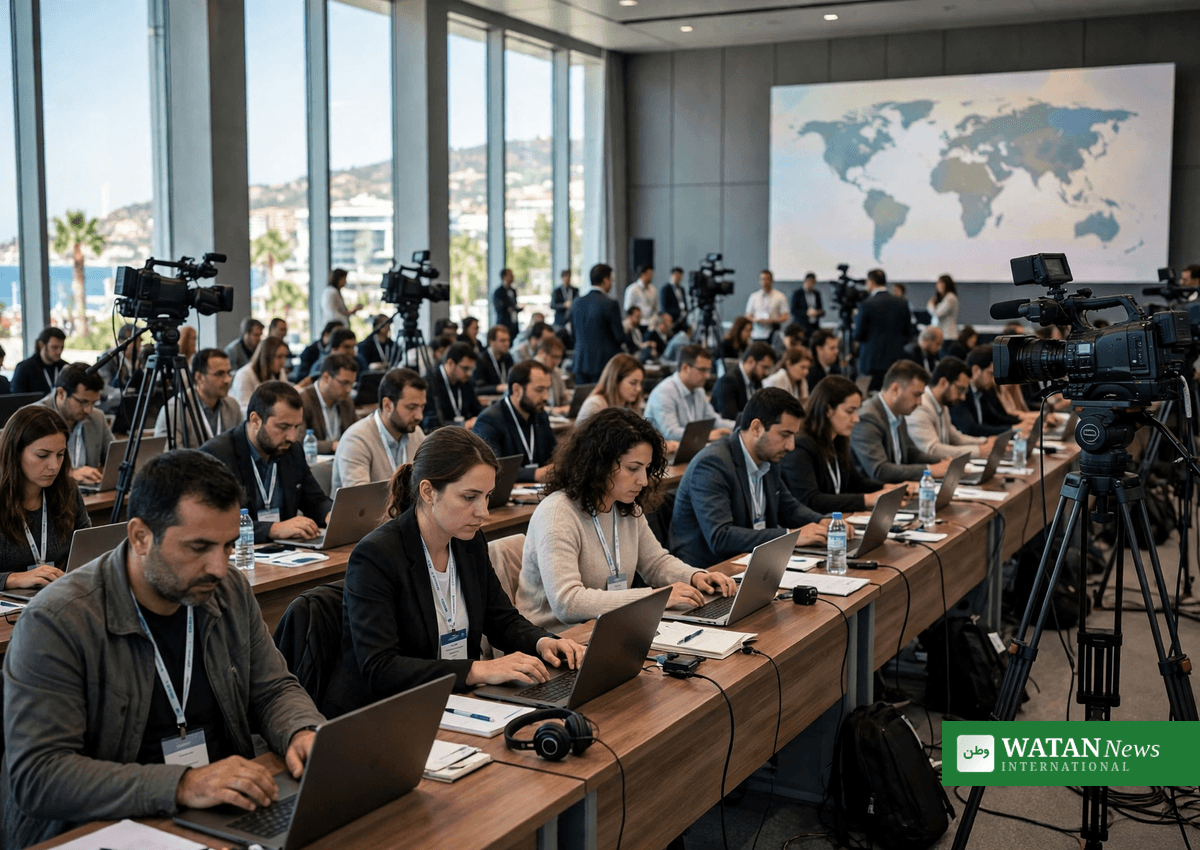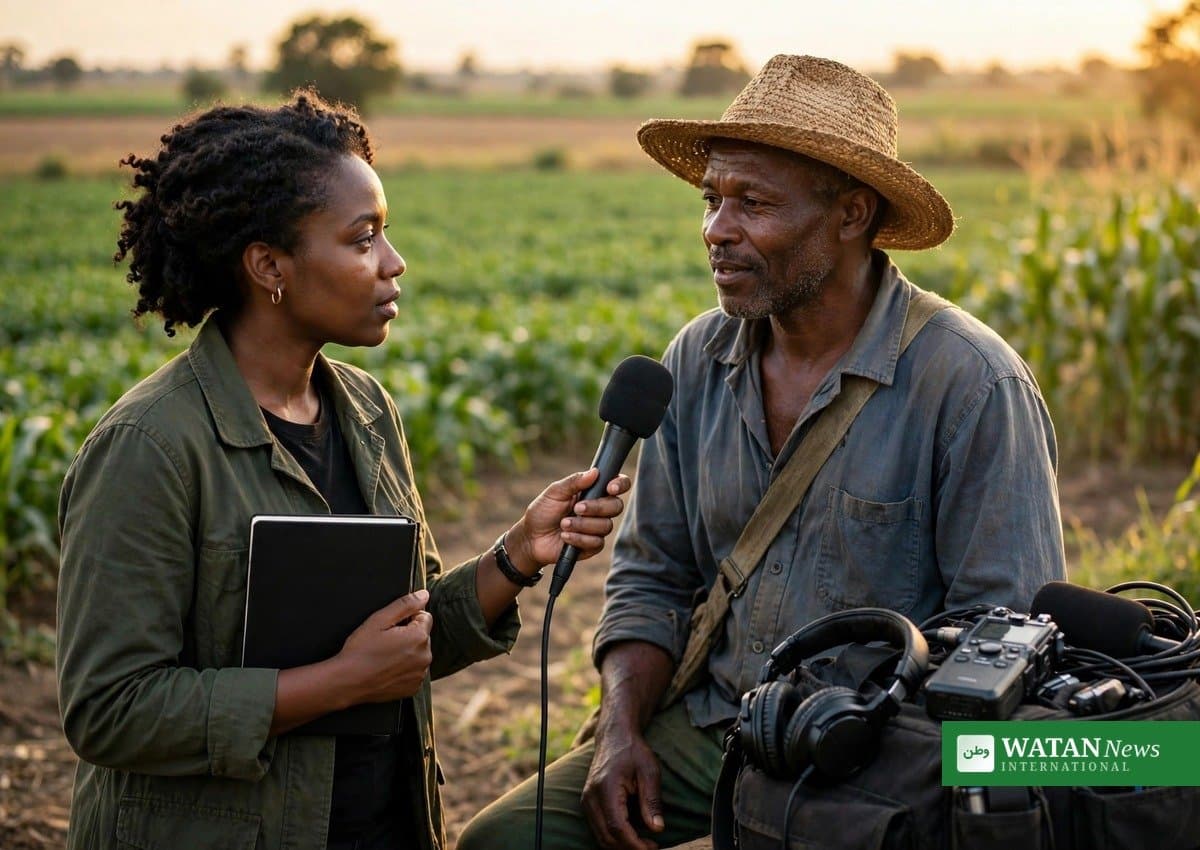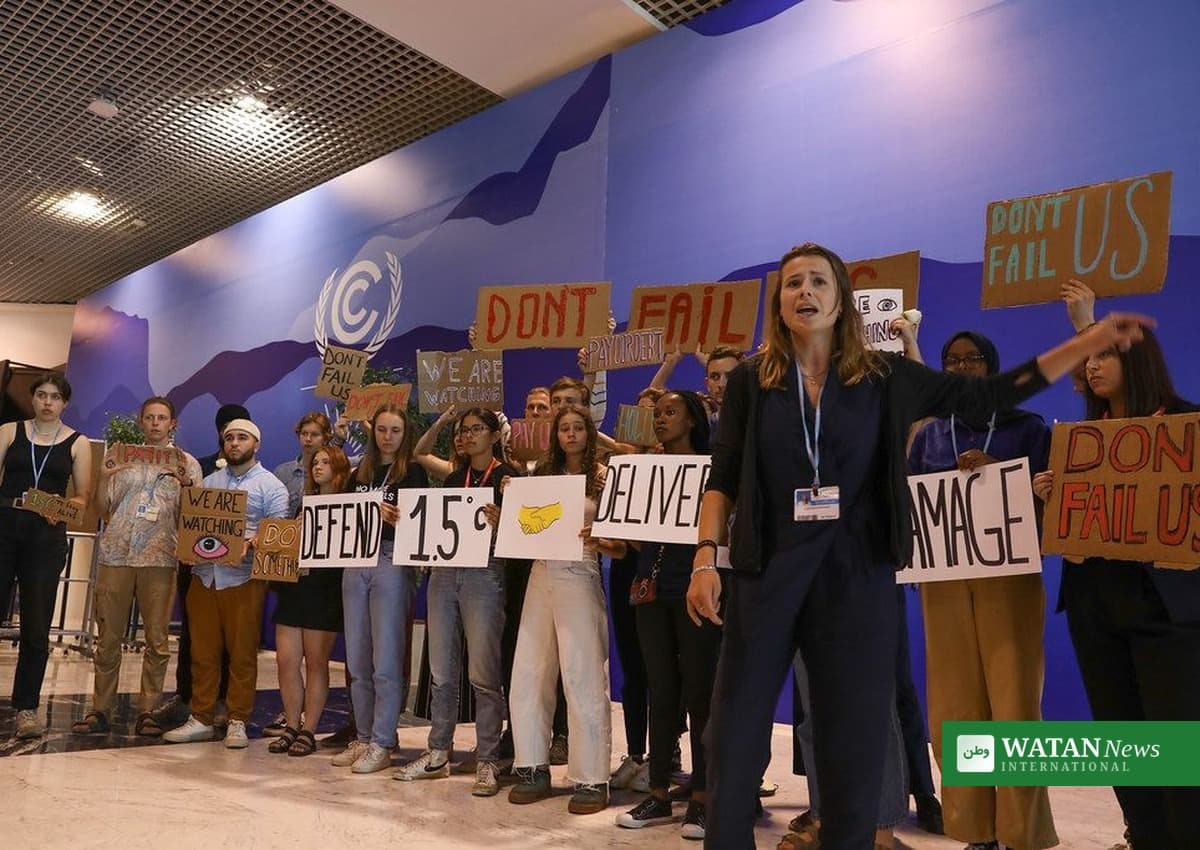
Young people at COP31 in Antalya are moving from the sidelines of the climate talks into the negotiating rooms themselves this week, as the Youth-led Climate Forum opens a series of sessions that put adaptation finance, loss and damage and the future of the Global Youth Statement directly before negotiators.
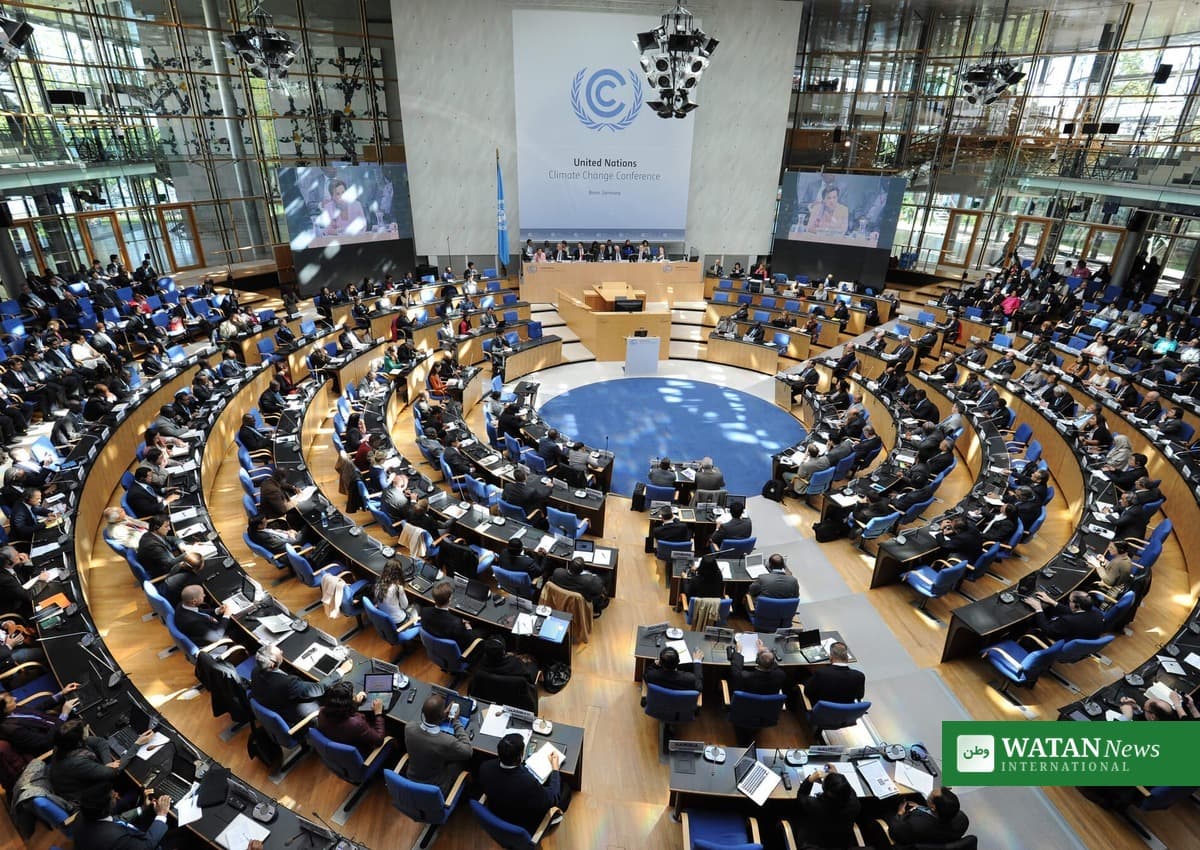
The forum, organised by YOUNGO, the official children and youth constituency of the United Nations Framework Convention on Climate Change (UNFCCC), runs from 10 to 14 November inside the COP31 venue. It is facilitated by the COP31 Presidency with support from the UNFCCC Secretariat, and it gives young delegates a structured channel into the talks rather than a symbolic seat at the edge of them.
A forum built into the negotiations
The Youth-led Climate Forum, known as the YLCF, is built around three thematic sessions and a headline closing event. Its first session, held on 10 November, covered just transition, food systems and ocean stewardship. The second session takes place today, 11 November, on Action for Climate Empowerment, culture and locally led resilience. A third session on 13 November will focus on adaptation and loss and damage.
The programme concludes on Saturday 14 November with the YLCF Headline Event and Youth-Negotiator Roundtable, scheduled from 11:00 to 14:00 in the Plenary Akdeniz hall. Youth representatives, negotiators and the COP Presidencies will sit together for intergenerational dialogue aimed at strengthening meaningful youth participation in the negotiations.
YOUNGO, which represents children and young people up to the age of 35 in the UN climate process, is marking 15 years of young people shaping climate action this year. Its representatives make official statements, provide technical and policy recommendations and engage directly with decision-makers, although, as a constituency, YOUNGO does not itself negotiate or adopt COP decisions.
Youth Climate Forum COP31: adaptation finance in focus
The 13 November session carries the heaviest negotiating weight. It will examine the proposal for adaptation finance to reach at least 120 billion US dollars per year well ahead of 2035, alongside questions of scale, sources, predictability, accessibility and terms.
Young participants will bring recommendations drawn from the Global Youth Statement into the discussion, and the session is expected to produce youth recommendations to inform COP31 guidance to the Fund for Responding to Loss and Damage, ahead of the fund board meeting in December 2026. The role of the Santiago Network, which connects countries with technical assistance on loss and damage, will also be part of the discussion.
The session will review the state of adaptation and climate finance negotiations under the UNFCCC, including the Global Goal on Adaptation, the new collective quantified goal on climate finance and the Climate Finance Work Programme.
From a statement to national climate plans
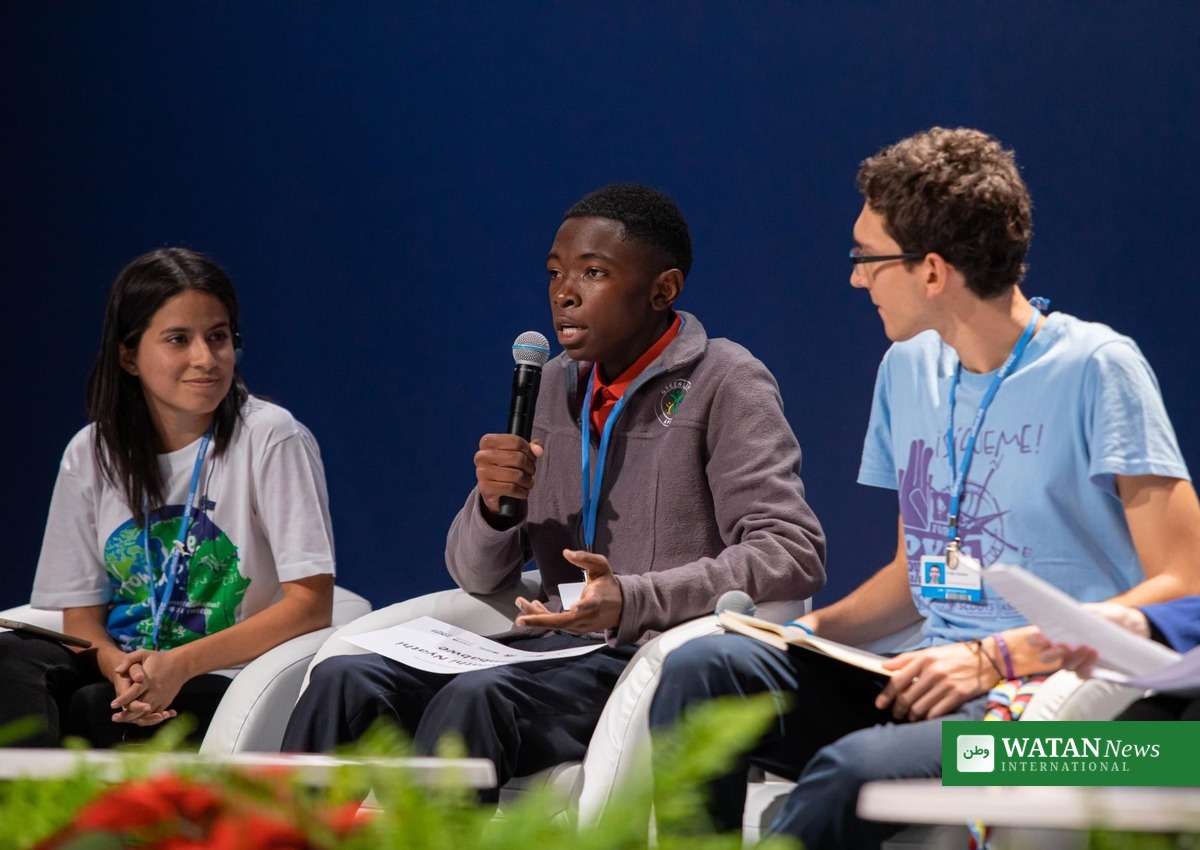
On Thursday 12 November, from 17:00 to 18:15, the SDG Pavilion will host the official launch of the 2026 Global Youth Statement into national climate planning, under the title “Integrating the Global Youth Statement into NDCs and SDG Roadmaps: Youth Accelerating the Paris Agreement”.
The youth-led panel will carry five key priorities from the statement: accelerating the implementation of agreements, fossil fuel phase-out and just transition, the right to a healthy environment, protection of environmental human rights defenders, and the participation and leadership of young people. Between five and ten policy recommendations from the statement will be circulated to the COP31 Presidencies and relevant constituencies, and the session will advocate formal recognition of the Global Youth Statement in the official COP31 outcome text.
Speakers include young representatives from Chile and the Gambia, who will share country experience on putting youth recommendations into national climate plans, alongside youth voices on just energy transition, zero waste and the circular economy.
Key facts
- What: The Youth-led Climate Forum (YLCF) at COP31, organised by YOUNGO, the UNFCCC’s official children and youth constituency.
- When: Thematic sessions on 10, 11 and 13 November; headline event and Youth-Negotiator Roundtable on 14 November, 11:00–14:00, Plenary Akdeniz.
- Key dates: 12 November, 17:00–18:15 — official launch of the 2026 Global Youth Statement into NDCs and SDG roadmaps at the SDG Pavilion.
- Adaptation finance: The 13 November session examines the proposal for at least 120 billion US dollars per year in adaptation finance well ahead of 2035.
- Global Youth Statement: More than 100,000 children and young people contributed over the past year; young people from 90 countries helped shape it.
- Youth population: 1.8 billion people worldwide are aged 10 to 24, according to the COP31 Presidency.
100,000 voices behind one document
The Global Youth Statement 2026 is the product of a year-long process that begins in communities and countries through local conferences of youth, which feed into regional conferences and finally into the global statement. Over the past year, more than 100,000 children and young people contributed to a shared set of policy recommendations, covering adaptation, mitigation, justice, culture and finance, according to the University of Melbourne, whose Climate CATCH Lab co-hosted the 21st Conference of Youth (COY21) in Antalya from 5 to 7 November.
The statement was formally presented to the COP31 Presidency, the Presidency of Negotiations and the Presidency Youth Climate Champion, Sally Higgins, at the close of COY21. It is an advocacy document: its recommendations do not automatically become COP decisions. Its influence depends on whether governments carry them into the negotiations and follow through on policy and implementation.
The 2026 statement comes in four versions: a full version with thematic policy demands, a child-friendly version, negotiation-aligned demands, and national and regional versions, alongside ten key priorities. Young people from 90 countries helped shape it.
Why youth participation matters at COP31
The COP31 Presidency has made youth and education one of its priority themes, describing young people as architects of climate solutions rather than only inheritors of climate risks. With 1.8 billion people aged 10 to 24, youth are the generation that will experience climate impacts longest, yet their meaningful participation in decision-making remains limited, the Presidency says.
The Presidency aims to integrate climate change into education curricula by 2030 and to build strong climate awareness across society by 2035. The Children and Youth Pavilion, a fully youth-led space first established at COP27, gives young voices a visible place inside the official conference, with ten young spokespersons from different regions contributing at COP31.
For the young people gathered in Antalya, the test of this COP will not be how many of them attended, but which of their recommendations governments considered, what changed as a result, and how governments explained their response. The Youth-led Climate Forum is where that test is now being put to negotiators, session by session. COP31 has already given youth and education a central place, and the forum is the mechanism for turning that place into influence.
Conclusion
From the opening session on just transition to the closing roundtable with negotiators, the Youth-led Climate Forum has given young people at COP31 a direct route into the talks. The coming days will show whether their demands on adaptation finance, loss and damage and a fossil fuel phase-out move from the forum floor into the decisions of the conference itself.