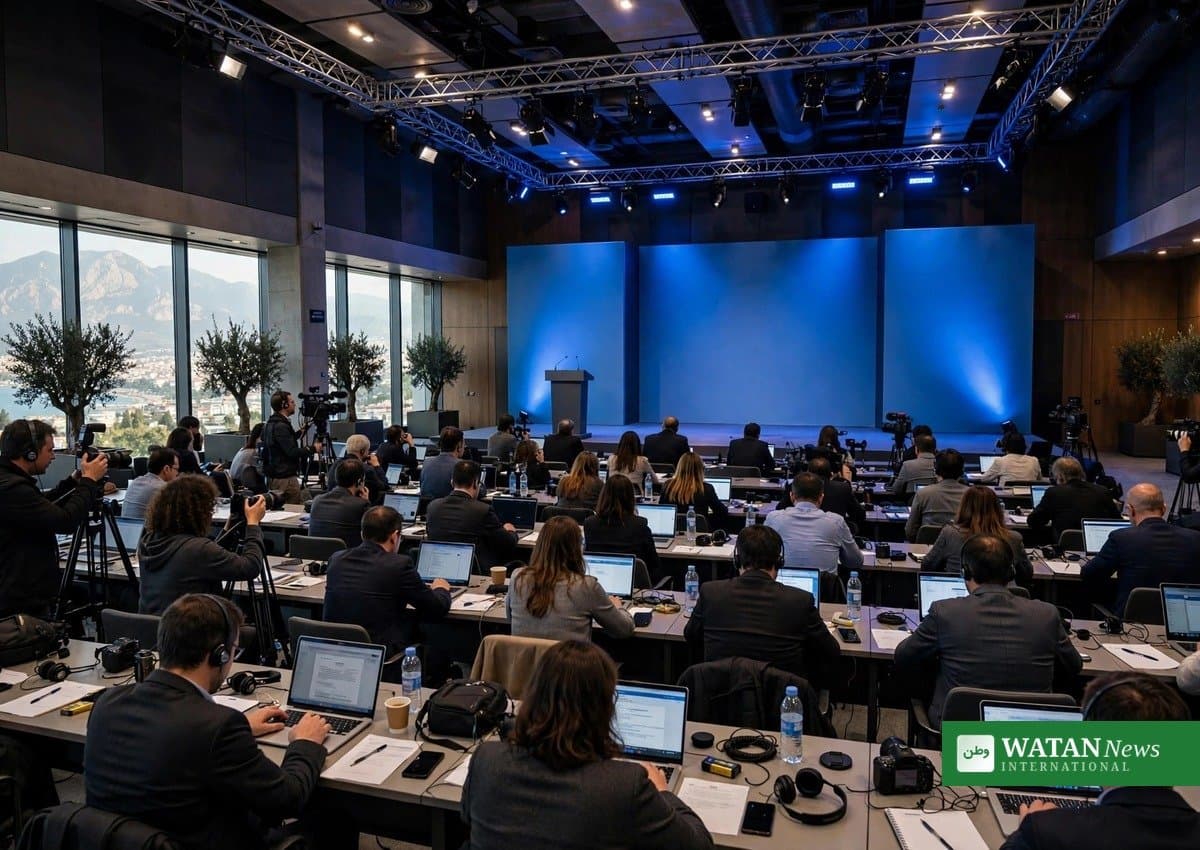
COP31 in Antalya, Türkiye, will put children, young people and teachers at the centre of the global climate agenda this November, with the summit dedicating a full thematic day to youth and education. The announcement came as the Republic of Türkiye became the 100th member country of UNESCO’s Greening Education Partnership — the largest global alliance for climate education, now uniting 100 countries and more than 2,000 organisations.
According to UNESCO, the partnership will convene countries and partners at COP31 to advance climate education, accelerate action on greening education systems and spotlight Education for Sustainable Development. “Children, young people and teachers will be at the centre of these discussions,” UNESCO said, adding that their meaningful participation is essential to shaping education systems that can respond to climate change and prepare learners to contribute to sustainable futures.
COP31 youth and education: a full day for children, youth, education and skills
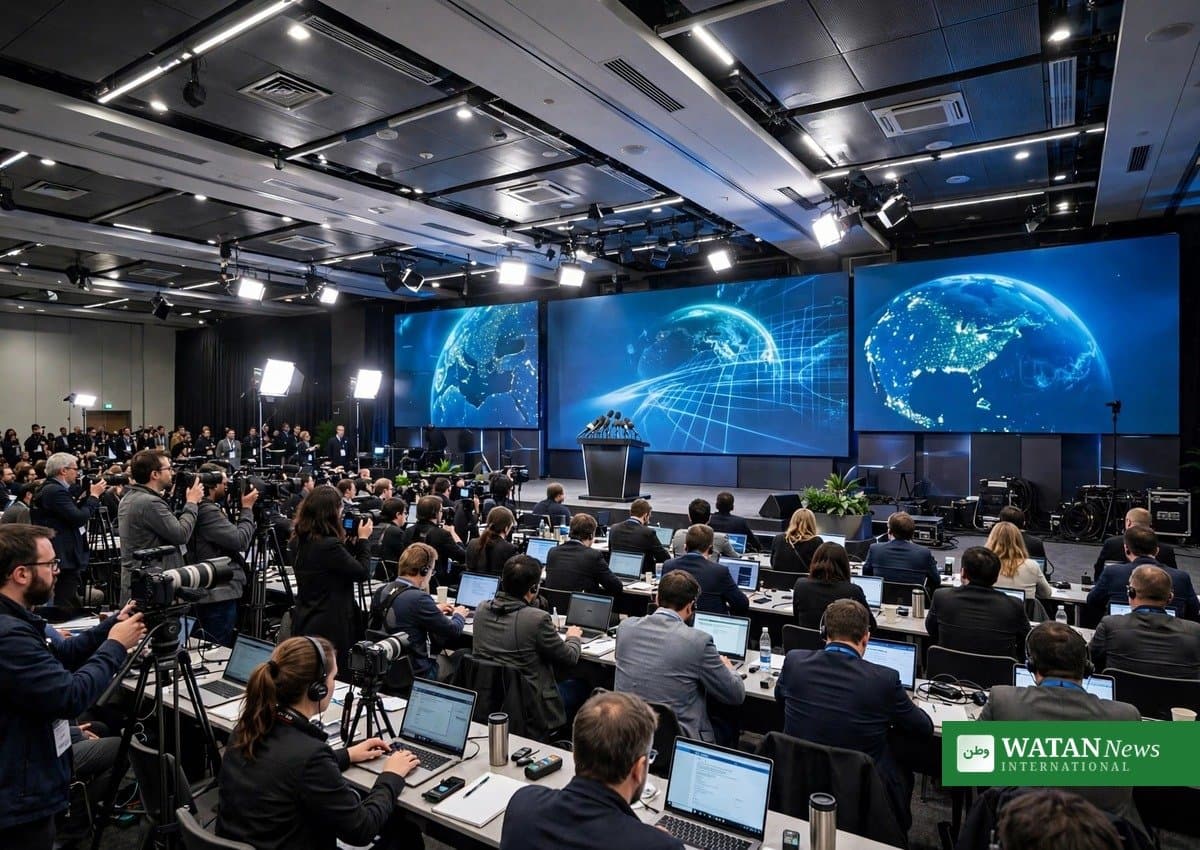
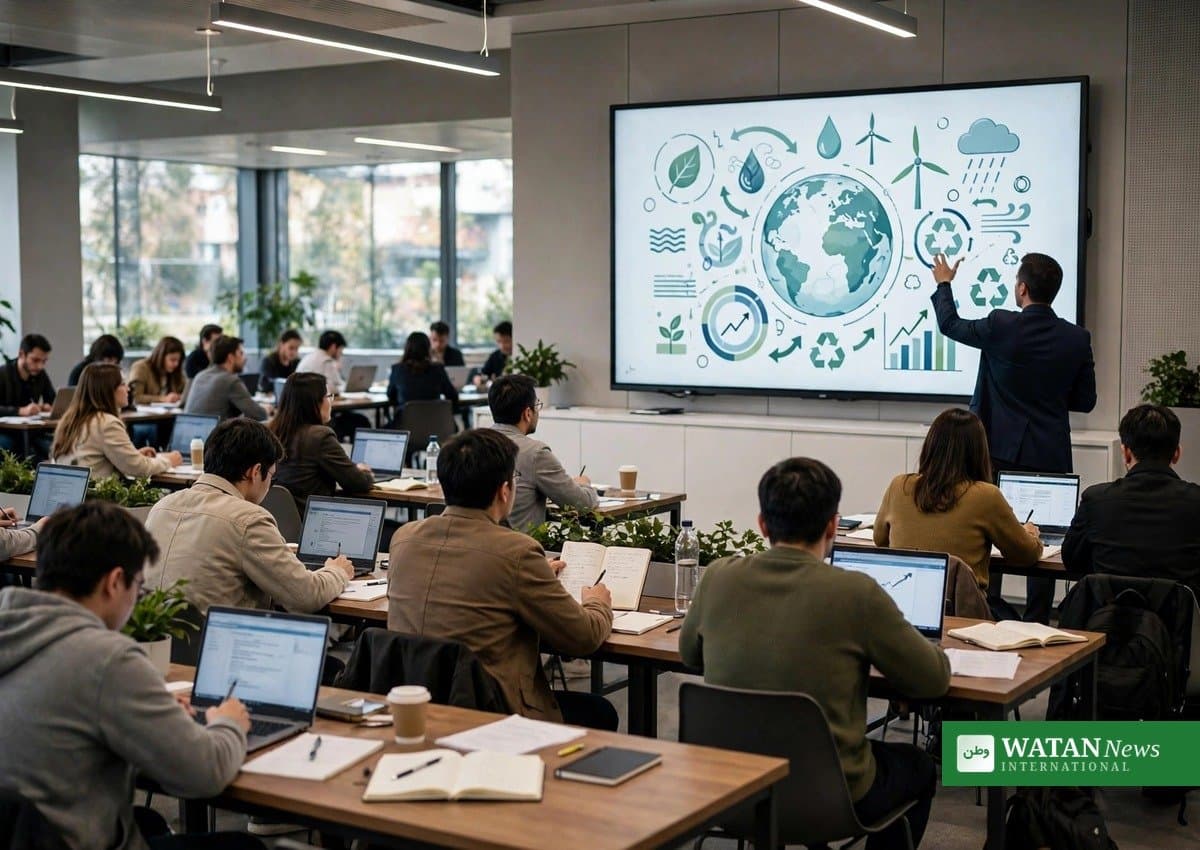
According to reporting from Antalya, COP31 will devote its thematic day on 14 November 2026 to “Children, Youth, Education and Skills”. UNESCO will support the COP31 Presidency and Türkiye’s Ministry of National Education in bringing learning into the heart of the climate discussions — exploring how education can strengthen climate resilience by giving people the knowledge, practical skills and values they need to take climate action.
The fifth edition of the “Teachers’ COP”, a global platform for climate educators established five years ago by the Office for Climate Education (OCE), will also be held alongside COP31 in Antalya. OCE is contributing to the organisation of the dedicated day together with Turkish authorities, according to the Anadolu news agency.
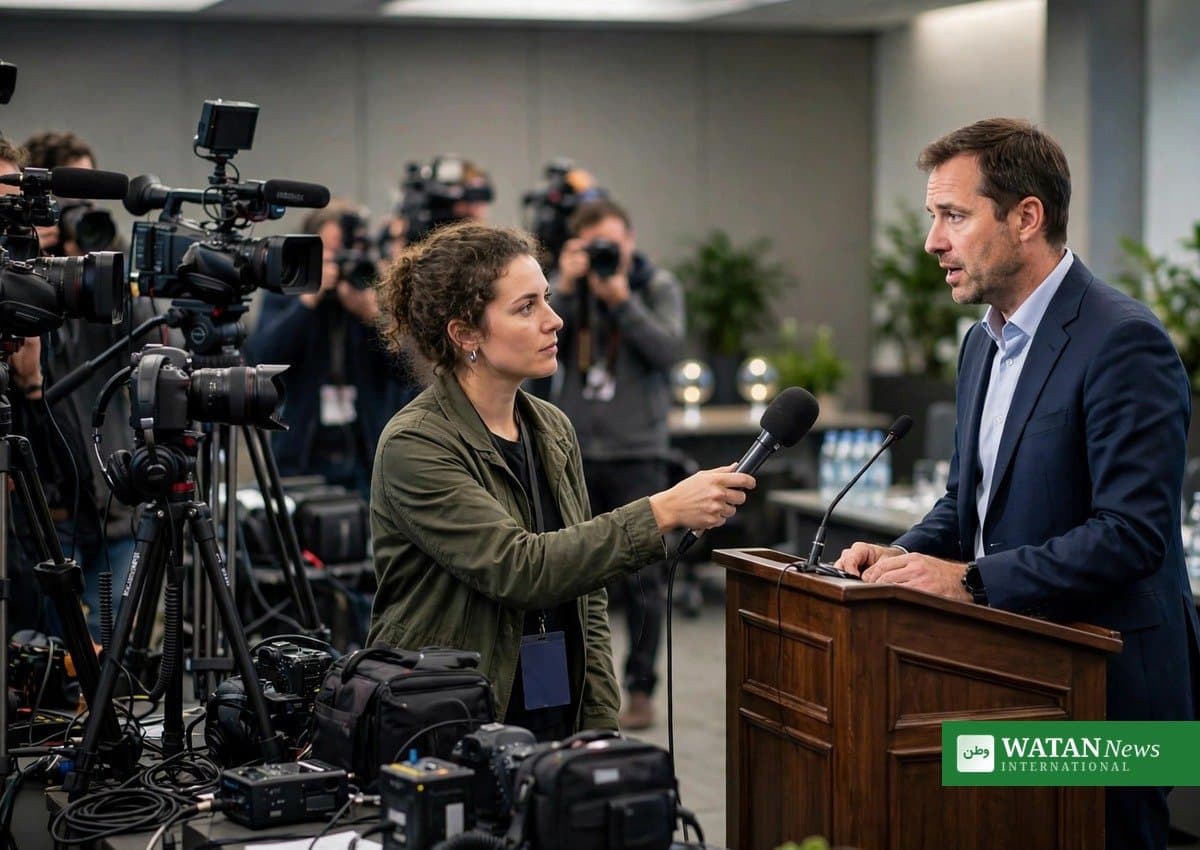
Eric Guilyardi, a climate scientist at CNRS-IPSL, a lead author of the Intergovernmental Panel on Climate Change (IPCC) Fifth Assessment Report and president of the OCE, told Anadolu that quality climate education is “probably the most transformative climate adaptation action”. He said education must equip young people not only with scientific knowledge but with the tools to think about the world they want to live in — and that teachers need between 30 and 80 hours of specialised training to change their classroom practice. Surveys in the 30 countries where OCE works estimate that only 3 to 7 percent of the young generation currently receives quality climate education, even though climate change now appears in more than 50 percent of national curricula.
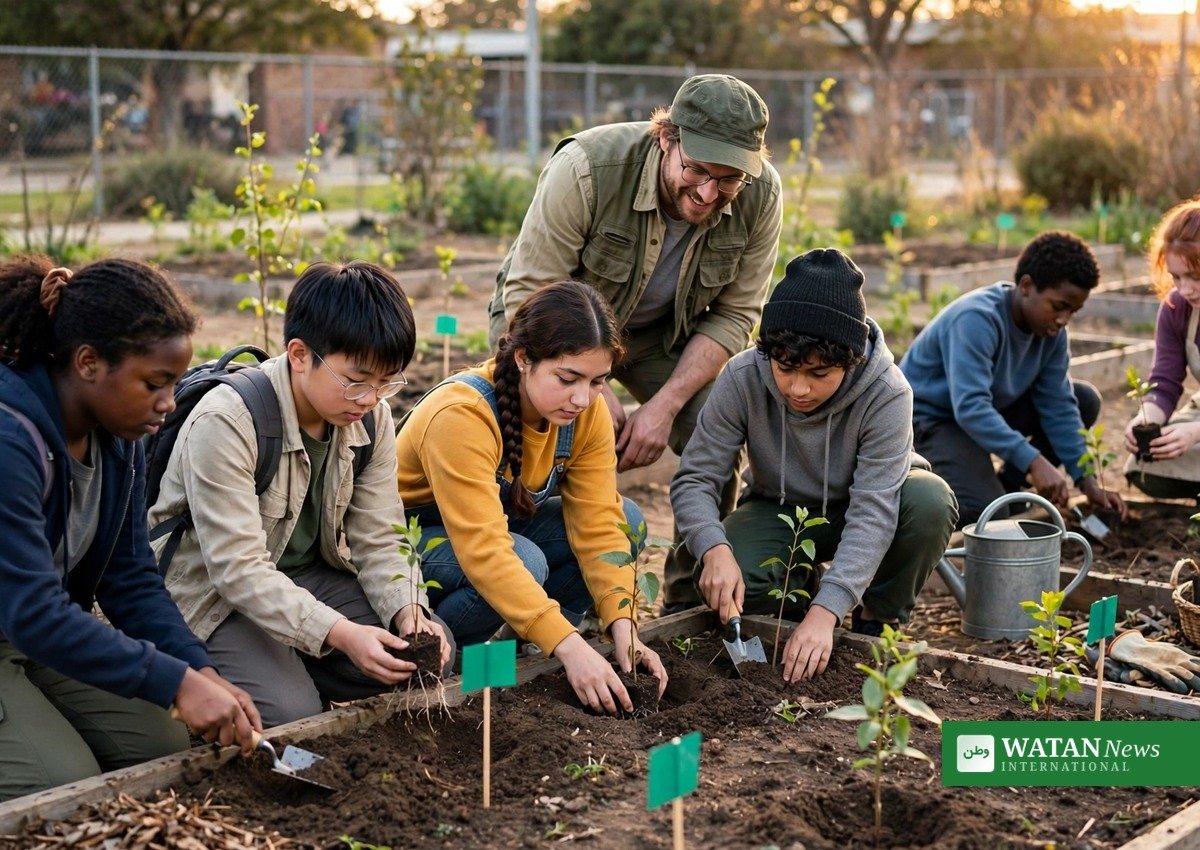
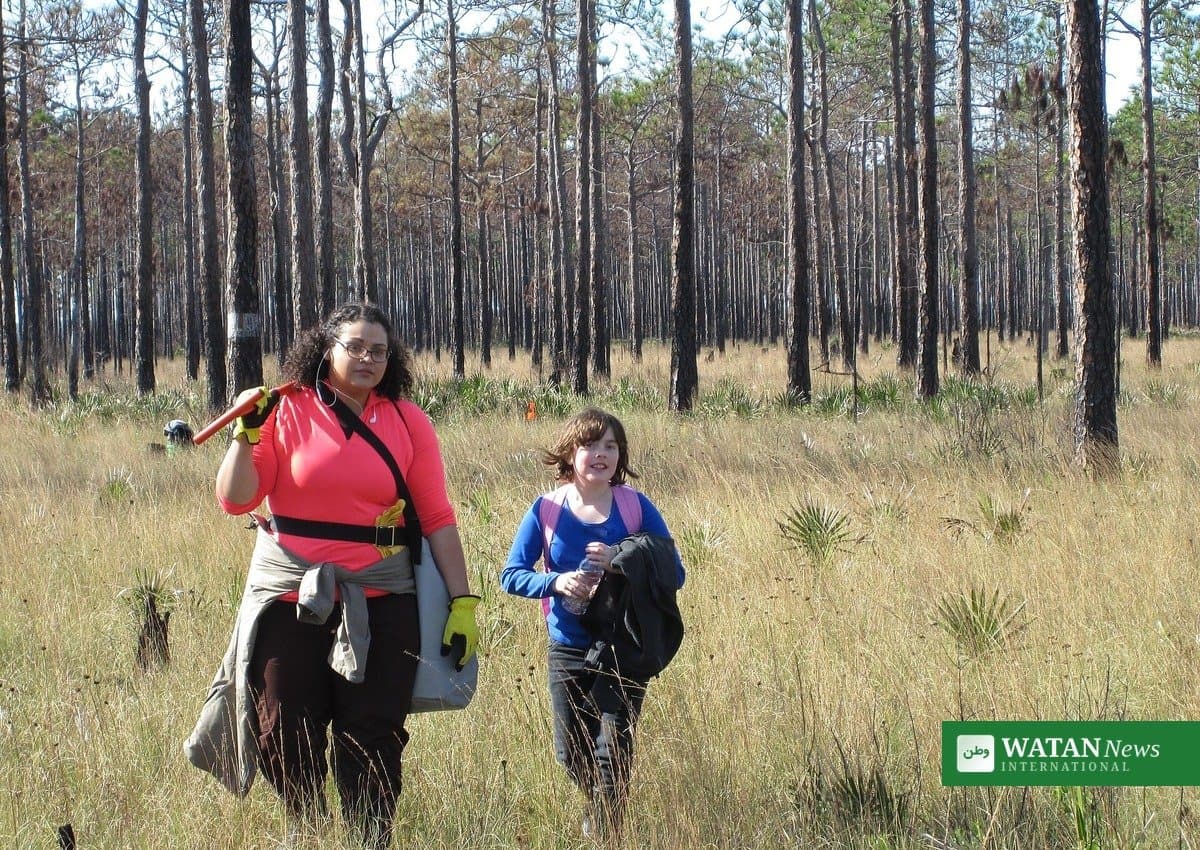
Students planting seedlings with their teacher in a school garden. Quality climate education, experts say, is among the most transformative tools for climate adaptation.
100 countries, one alliance: what the Greening Education Partnership does
Launched at the 2022 UN Transforming Education Summit, the Greening Education Partnership has grown into the largest global alliance for climate education, bringing together 100 countries and more than 2,000 organisations, UNESCO said. Its work covers four connected areas — schools, curricula, teacher development and communities — reflecting that preparing every learner for climate change requires change across where people learn, what they study and the support available to their teachers.
At COP31, discussions in Antalya will help shape the partnership’s next phase, GEP 2.0, with a stronger focus on country-level implementation and regional cooperation. Together with Türkiye’s Ministry of National Education and the Organisation for Economic Co-operation and Development (OECD), the partnership will also launch its Monitoring and Evaluation Working Group to strengthen data, evidence and accountability — in particular through the GEP Global Tracker, a global observatory on climate change education.
For Türkiye’s Minister of National Education, Yusuf Tekin, joining the alliance offers an opportunity to share the country’s education work internationally and build new partnerships — an important step, he said, as Türkiye prepares to host COP31.
What young people can expect in Antalya
The COP31 programme will address education’s role in climate-related crises and emergencies, as well as the longer-term transformation needed to build resilient education systems. Outcomes and commitments from Antalya will feed into the wider Education for Sustainable Development agenda and build momentum towards UNESCO’s World Conference on Education for Sustainable Development, scheduled for 13–15 January 2027 in Nairobi, Kenya.
Youth participation is not a side event this time. With a full day on the agenda, a dedicated Teachers’ COP and a seat for young people and teachers at the centre of the discussions, COP31 is positioning the next generation not as spectators of climate policy but as its co-authors — a signal worth watching for in the summit’s final decisions, alongside more of Watan News’ ongoing COP31 coverage.
FAKTA
- What: COP31 thematic day on “Children, Youth, Education and Skills”; UNESCO Greening Education Partnership milestone
- When and where: Thematic day on 14 November 2026 (reported from Antalya); COP31 in Antalya, Türkiye, November 2026
- Milestone: Republic of Türkiye becomes the 100th member country of the Greening Education Partnership; 100 countries and 2,000+ organisations
- Launched: UN Transforming Education Summit, 2022; four pillars — schools, curricula, teacher development, communities
- New at COP31: GEP 2.0 next phase; Monitoring and Evaluation Working Group with Türkiye’s Ministry of National Education and OECD; GEP Global Tracker
- Side event: Fifth edition of the “Teachers’ COP” alongside COP31; organised with Turkish authorities
- Key figure: Only 3–7% of young people in 30 surveyed countries receive quality climate education, according to the Office for Climate Education
- Next: UNESCO World Conference on Education for Sustainable Development, Nairobi, 13–15 January 2027