
Nigerian billionaire Aliko Dangote has officially broken ground on the Kenya oil refinery, a massive $16 billion project in Lamu led by Aliko Dangote, marking East Africa’s largest industrial project by capacity. The ambitious venture, however, faces local opposition over land compensation and environmental concerns.
- The Kenya oil refinery, a $16 billion investment by Aliko Dangote, is set to be East Africa’s largest industrial project.
- It is designed to process 700,000 barrels of crude oil daily upon completion.
- Local residents in Lamu are protesting, demanding better compensation for land allocated to the project.
- Dangote dismissed the protests, calling them tactics by marketers and international players, and affirmed the project’s timeline.
Kenya Oil Refinery: Project Groundbreaking and Vision
The ceremonial groundbreaking was attended by Kenyan President William Ruto and leaders from Uganda, Ethiopia, Togo, and Benin, underscoring regional support for the initiative. Dangote envisions the refinery as a catalyst for Africa’s industrial growth and self-sufficiency.
- Dangote offered regional governments a combined 30% stake in the refinery.
- He stated, “This is Africa coming together to build Africa.”
- The project aims to usher in a “new chapter in Africa’s industrial journey.”
- Dangote cited his successful Lekki refinery in Nigeria as proof of concept.
Scale and Significance of the Refinery
Once operational, the Lamu refinery is poised to be the sole facility of its kind in East Africa. Its scale surpasses Kenya’s previous largest infrastructure project, the Standard Gauge Railway.
- The refinery is expected to process 700,000 barrels of crude oil per day.
- It stands as Kenya’s largest infrastructure project since independence.
- This surpasses the $5.1 billion Standard Gauge Railway project.
Addressing Land Compensation Protests
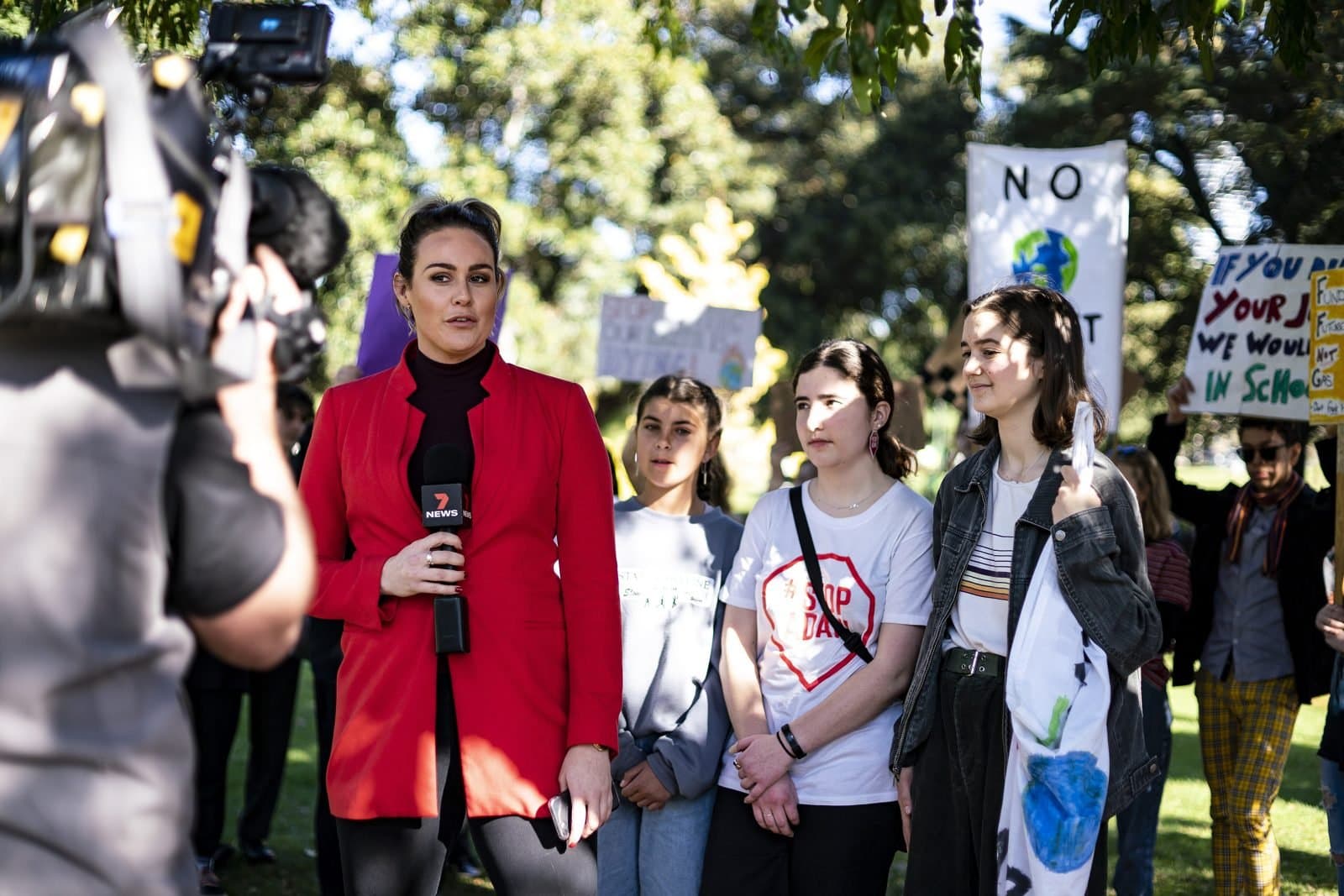
Despite the fanfare, local communities in Lamu have voiced grievances regarding land acquisition. Protesters are demanding more adequate compensation for the land designated for the refinery’s expansion.
Dangote, in an interview with BBC’s Focus on Africa, refuted the compensation claims. He asserted that the company acquired only the necessary land made available by the government and questioned the validity of protests against development.
Environmental Concerns Raised
The Save Lamu campaign group has raised significant concerns about the potential environmental impact of the refinery on the local ecosystem and community. They are seeking transparency regarding the environmental impact assessment (EIA) findings.
- Walid Ali, co-founder of Save Lamu, highlighted worries about environmental consequences.
- The group has requested access to EIA findings and proposed mitigation measures.
- Concerns exist that environmental issues might be overlooked, as has happened with previous projects.
- The campaign group noted a lack of direct engagement with the local community by the project developers.
Economic Impact and Job Creation
Dangote anticipates that the refinery’s construction phase will generate approximately 60,000 jobs. He emphasized that the economic benefits would extend beyond direct employment, positively impacting the wider community.
- The project is projected to create 60,000 jobs during its peak construction phase.
- Dangote assured that the local population would benefit significantly from the project.
- He dismissed concerns about automation replacing human labor.
Strategic Location and Criticisms
Critics have questioned the choice of Kenya, a non-oil-producing nation, as the site for the refinery. Alternative locations in Uganda or Tanzania, which are developing their own oil export infrastructure, were suggested.
However, Kenya’s government has positioned the refinery as a strategic asset for the nation and the broader East African region, aiming to enhance energy security and economic development.
Conclusion
The launch of the Kenya oil refinery by Aliko Dangote represents a monumental step in East Africa’s industrialization efforts, promising significant economic benefits and job creation. However, the project is shadowed by local protests over land compensation and environmental concerns, highlighting the complex balance between development and community rights.
The success of this ambitious venture will depend on effectively addressing these challenges and ensuring inclusive growth for all stakeholders involved.
What is the total investment in the Lamu oil refinery?
The total investment for the Kenya oil refinery in Lamu is estimated at $16 billion.
How many barrels of oil will the refinery process daily?
The refinery is designed to process 700,000 barrels of crude oil per day.
What are the main concerns raised by local residents?
Local residents are protesting for better land compensation and are concerned about the refinery’s environmental impact.
When is the refinery expected to be completed?
The refinery is planned to be operational by 2030.
Who attended the groundbreaking ceremony?
Kenyan President William Ruto and leaders from Uganda, Ethiopia, Togo, and Benin attended the Kenya oil refinery groundbreaking ceremony.
Read in Urdu: افریقہ کے امیر ترین شخص کی کینیا میں آئل ریفائنری
Source: Kenya Dispatch