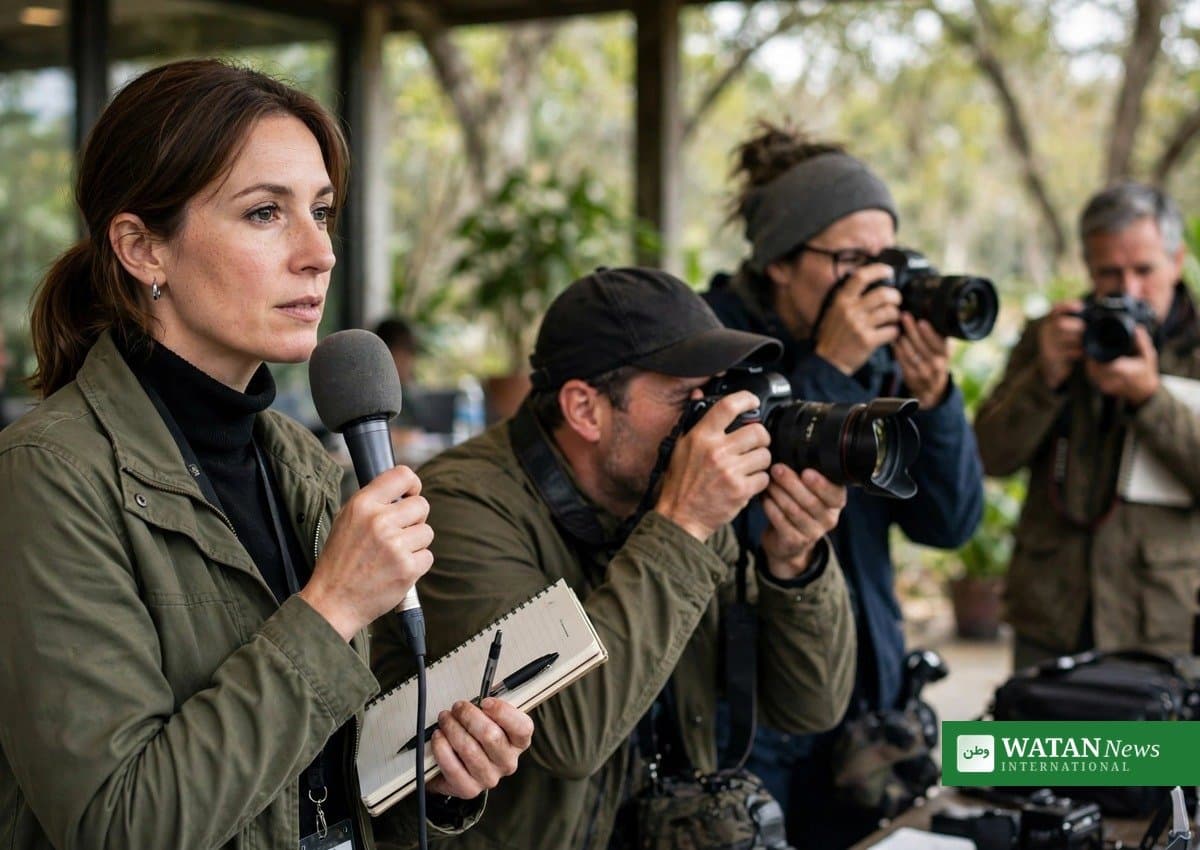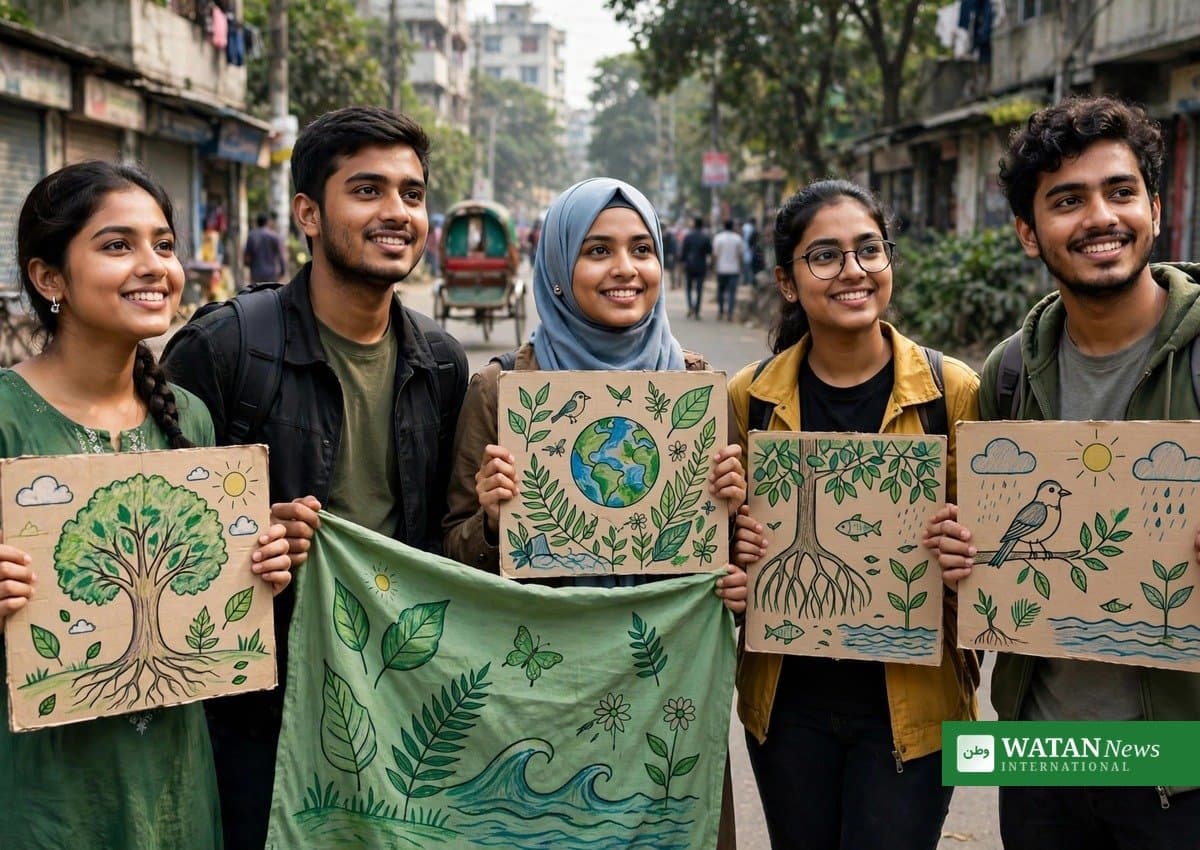
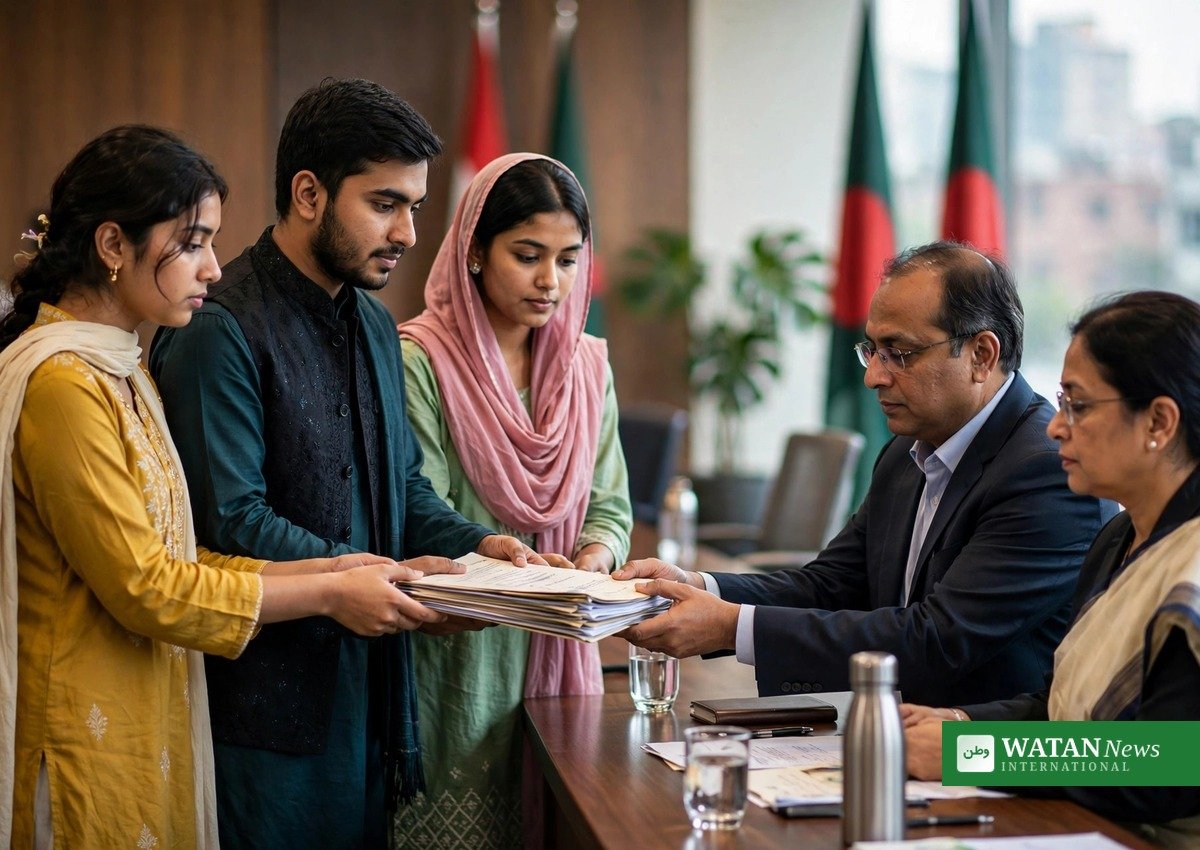
Young climate activists in Bangladesh have handed a 20-point Youth Climate Rights Charter and a national position paper to the Ministry of Environment, Forest and Climate Change, calling for local demands to shape the country’s position at COP31. The documents were presented at the closing ceremony of Bangladesh Youth COP 2026 in Dhaka on 22 September.
Organised by ActionAid Bangladesh and Brighters, the four-day event in Tejgaon brought together more than 100 young activists under the theme “Paris to Antalya: A Decade of Climate Commitments and Realities”.
FAKTA
- What: A 20-point Youth Climate Rights Charter and the National Youth Climate Position Paper 2026.
- Handed over: At the closing ceremony of Bangladesh Youth COP 2026, Dhaka, 22 September 2026.
- Organisers: ActionAid Bangladesh and Brighters; more than 100 young activists took part.
- Base: Consultations with young people from all 64 districts and marginalised communities in climate-vulnerable areas.
- Received by: Fahmida Khanam, acting secretary of the environment ministry, who said its recommendations could contribute to Bangladesh’s COP31 position.
- Priority areas: Mitigation, locally led adaptation, loss and damage, climate finance, technology transfer, climate education, gender equality, social inclusion and youth participation.
From 64 districts to the ministry
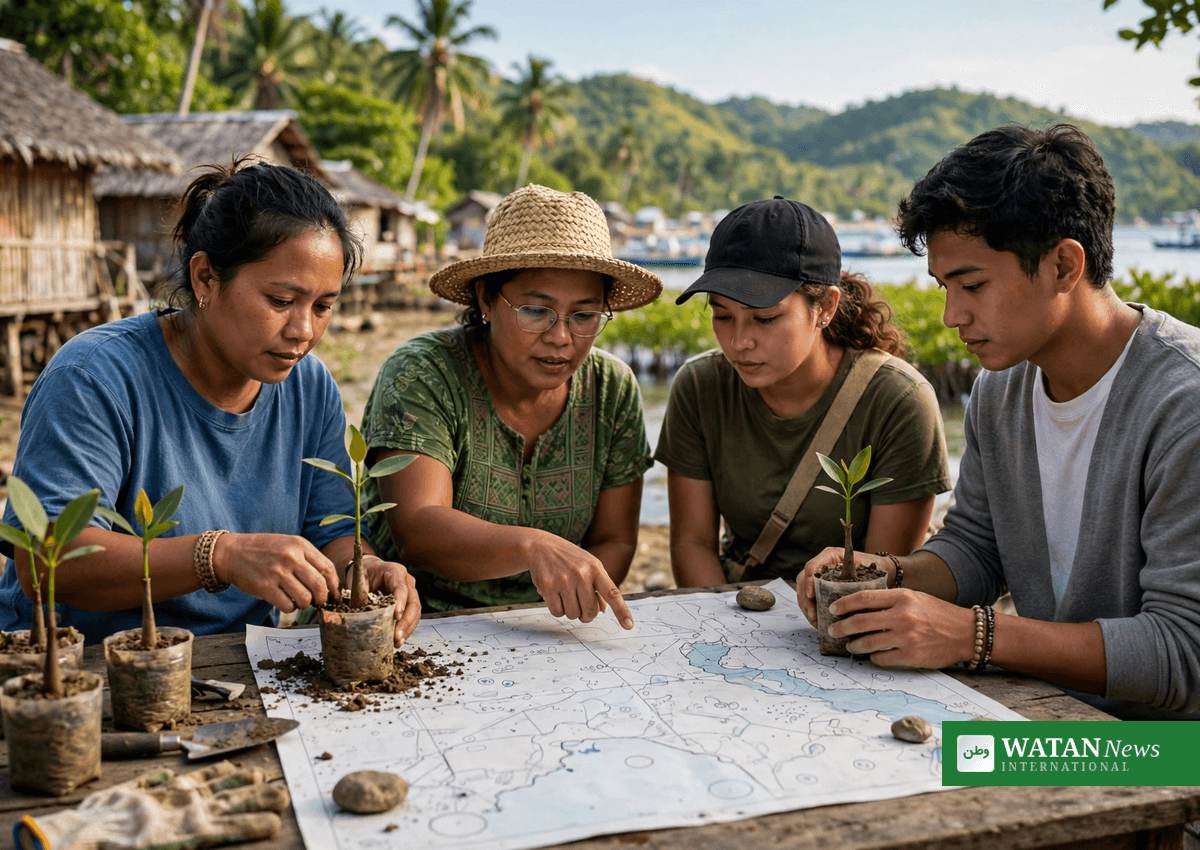
The position paper was developed through focus group discussions, storytelling sessions, participatory mapping and community scorecards, drawing on experiences from seven climate-vulnerable locations and three years of research across six vulnerable clusters.
“Effective climate action requires governments, local communities, young people and affected populations to work together,” said Susan Ryle, Australia’s High Commissioner to Bangladesh. “COP31 must focus on implementation and ensure that the voices of vulnerable people are heard.”
Seven priority areas
The paper identifies seven priority areas: climate mitigation, locally led adaptation, loss and damage and climate finance, technology transfer, climate education and awareness, gender equality and social inclusion, and youth leadership in policymaking.
Farah Kabir, country director of ActionAid Bangladesh, stressed the need to take the demands of marginalised communities to the global climate stage. The Maldives’ High Commissioner to Bangladesh, Shiuneen Rasheed, added that young people from Bangladesh, the Maldives and other Asian countries could work together to build a stronger regional voice.
A decade of Paris commitments
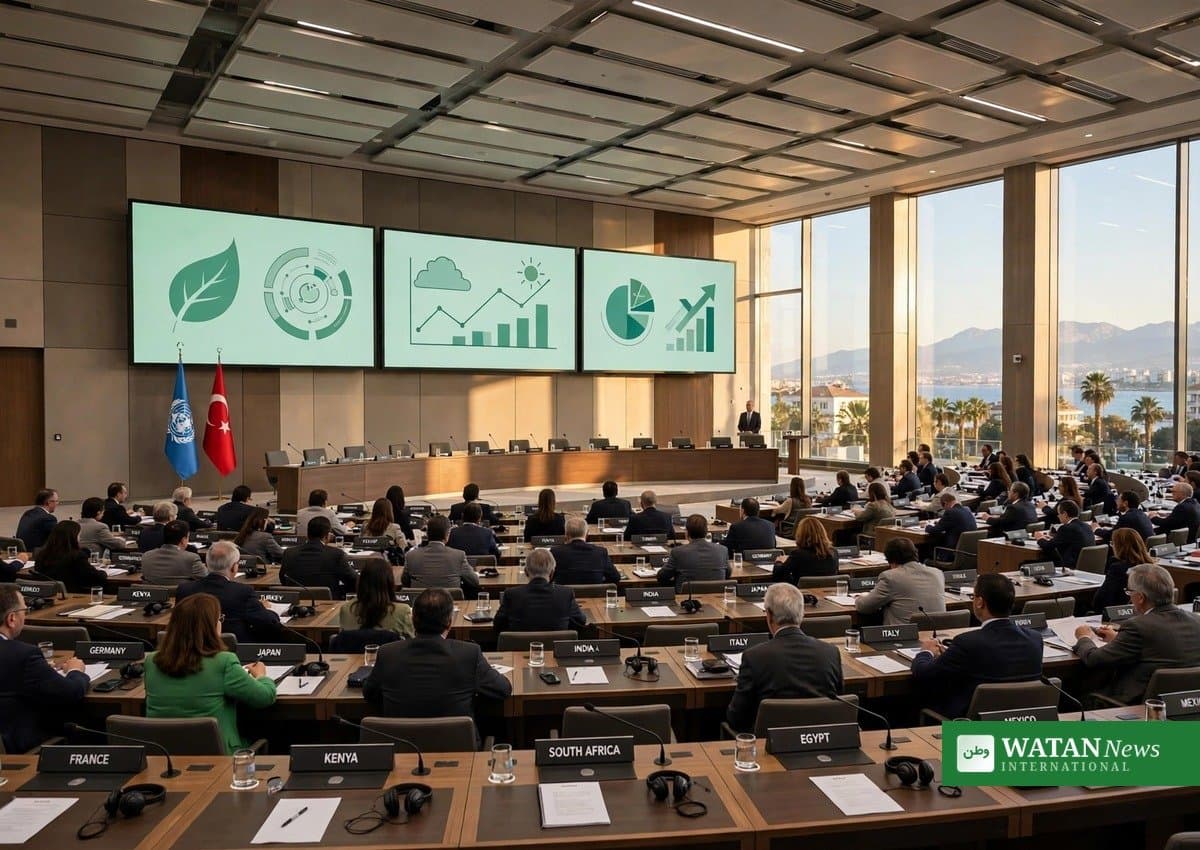
The conference’s theme — “From Paris to Antalya” — framed the charter against ten years of the Paris Agreement. At the international solidarity webinar held on 21 September, youth representatives from Bangladesh, Nepal, India, Ukraine, Ethiopia and the Global South called for closing the gap between climate commitments and the realities of frontline communities, with Brighters chair Fariha Sultana Aumi stressing that young people must have meaningful influence over climate decisions.
Why it matters
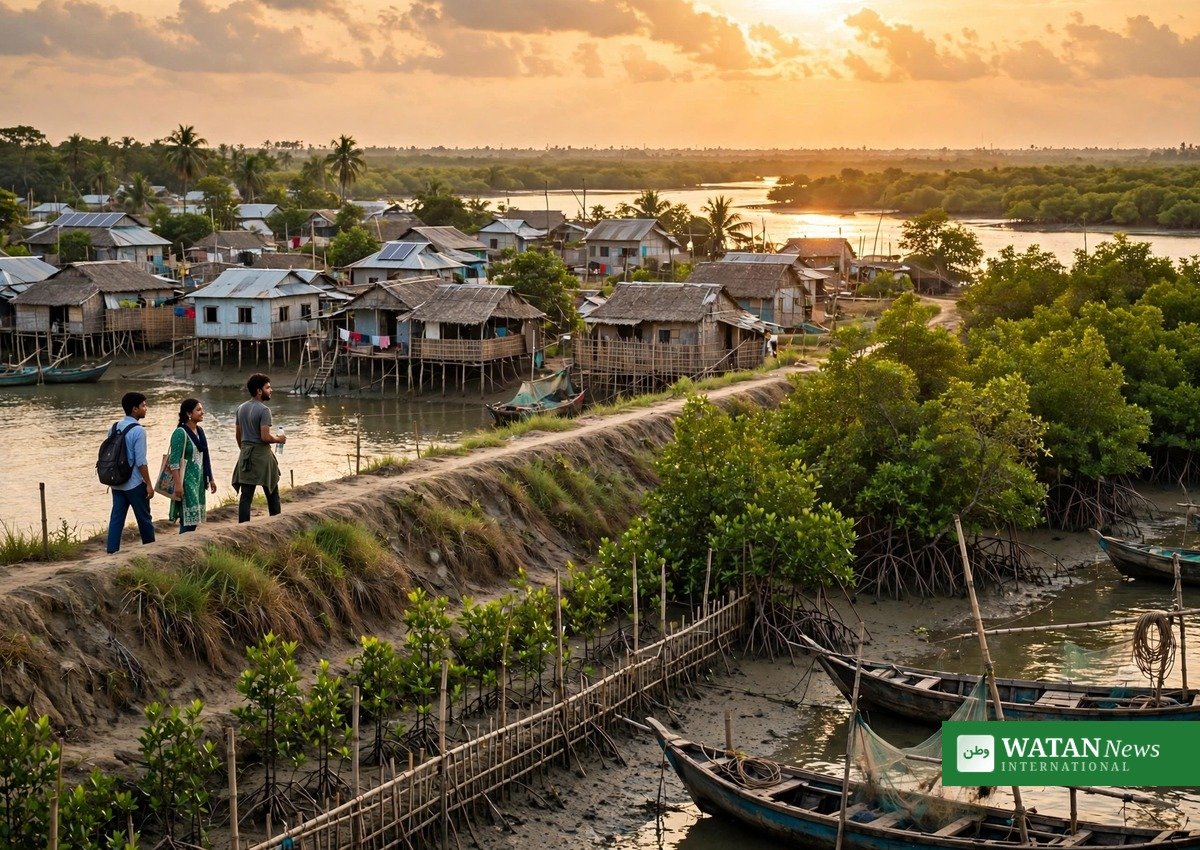
Bangladesh is among the countries most vulnerable to climate change — cyclones, floods, salinity, river erosion and displacement — despite contributing less than 1 per cent of global emissions. With COP31 set for Antalya, Türkiye, the charter is the youth movement’s bid to make sure the country’s negotiating position reflects what frontline communities actually need.