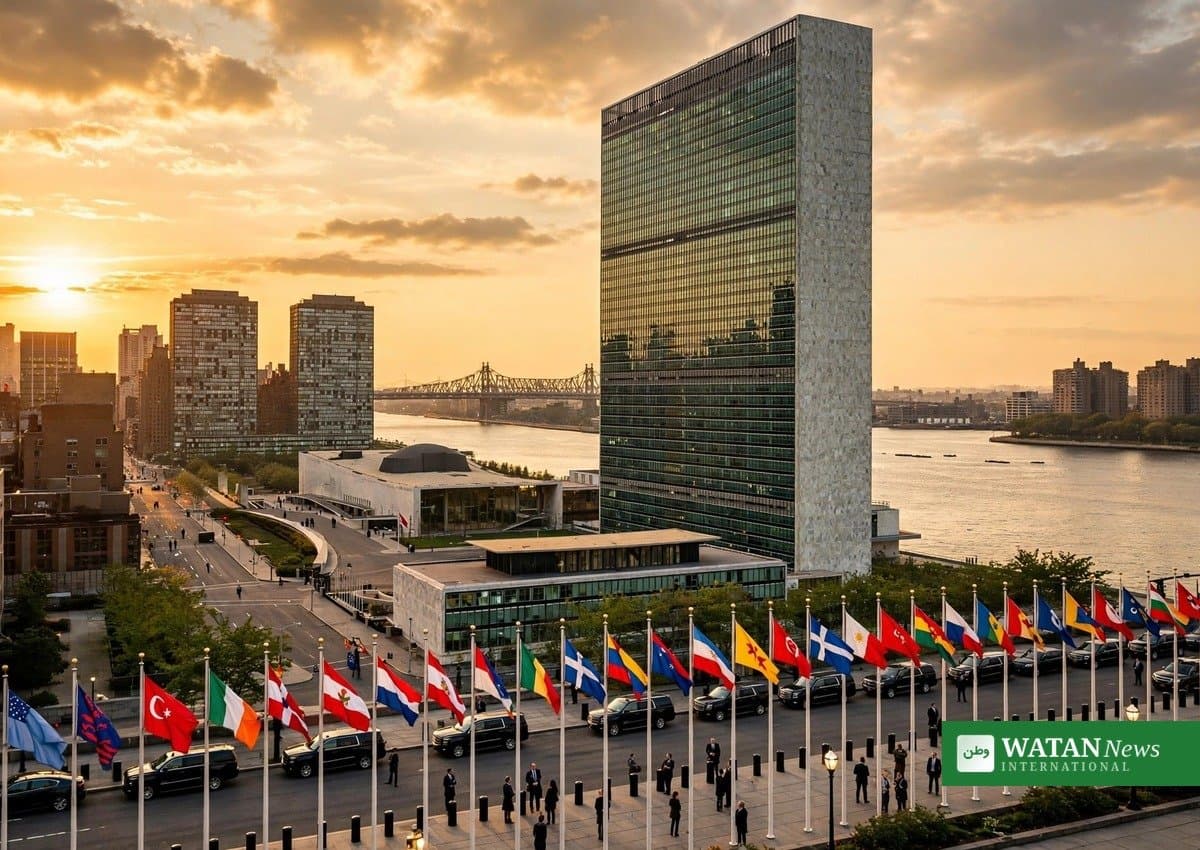
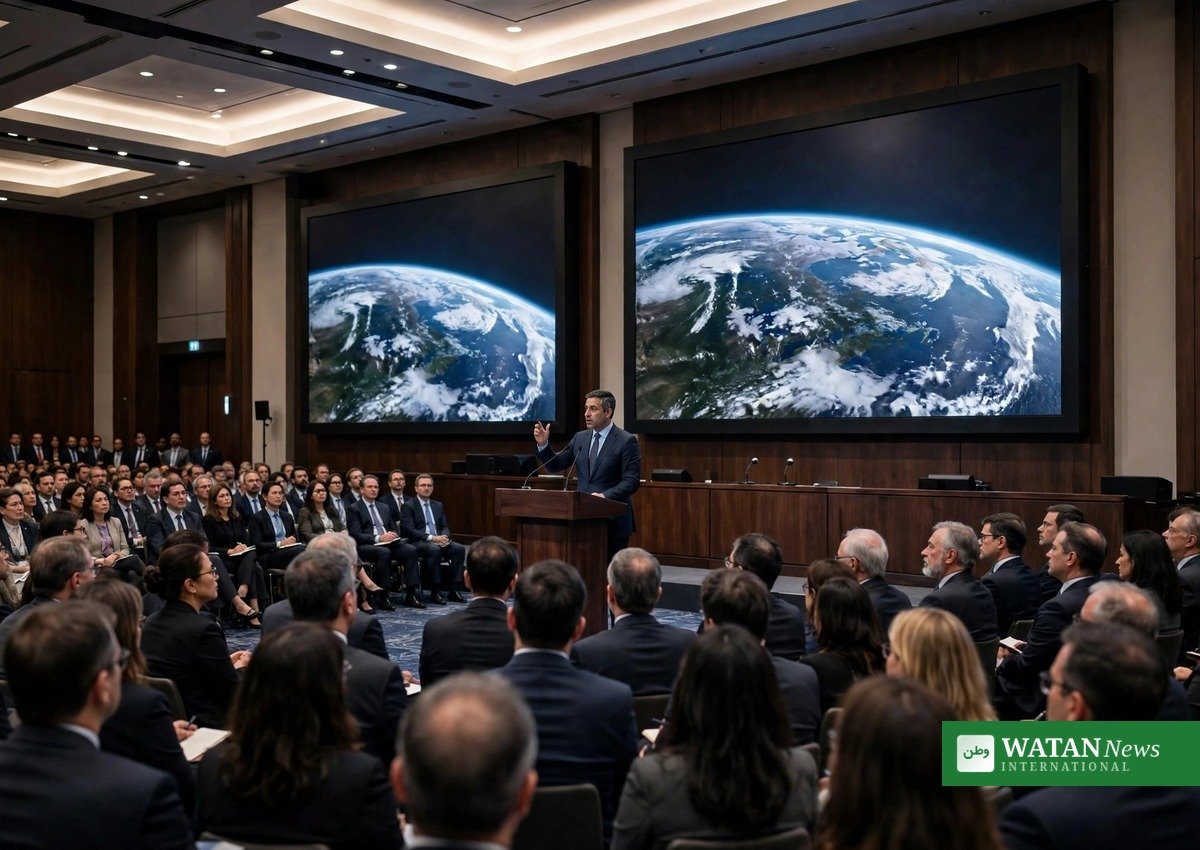
UN Secretary-General António Guterres has urged every country to develop a credible roadmap for moving away from fossil fuels, with clear timelines, at the UN Climate Summit 2026 during the high-level week at UN Headquarters in New York.
“We are the first generation with the tools to end the fossil fuel age — and the last who can avert climate catastrophe,” Guterres said, warning that even full implementation of current national climate plans would still point to warming beyond 2°C.
FAKTA
- Event: UN Climate Summit 2026, high-level week, UN Headquarters, New York.
- Call: Every country must develop a credible fossil-fuel transition roadmap with clear timelines.
- G20: Responsible for around 80 per cent of global emissions — must lead the transition.
- Finance: At least $300 billion a year for developing countries; overall climate finance scaled to $1.3 trillion a year by 2035.
- New initiatives: A Global Grids Accelerator (focusing first on Africa and Southeast Asia), a new phase of the Task Force on Critical Energy Transition Minerals, and a renewed push on early warning systems.
- The gap: Scientists expect the world to temporarily exceed 1.5°C of warming; the task is to keep the overshoot as small and as short as possible.
Deliver, then overdeliver
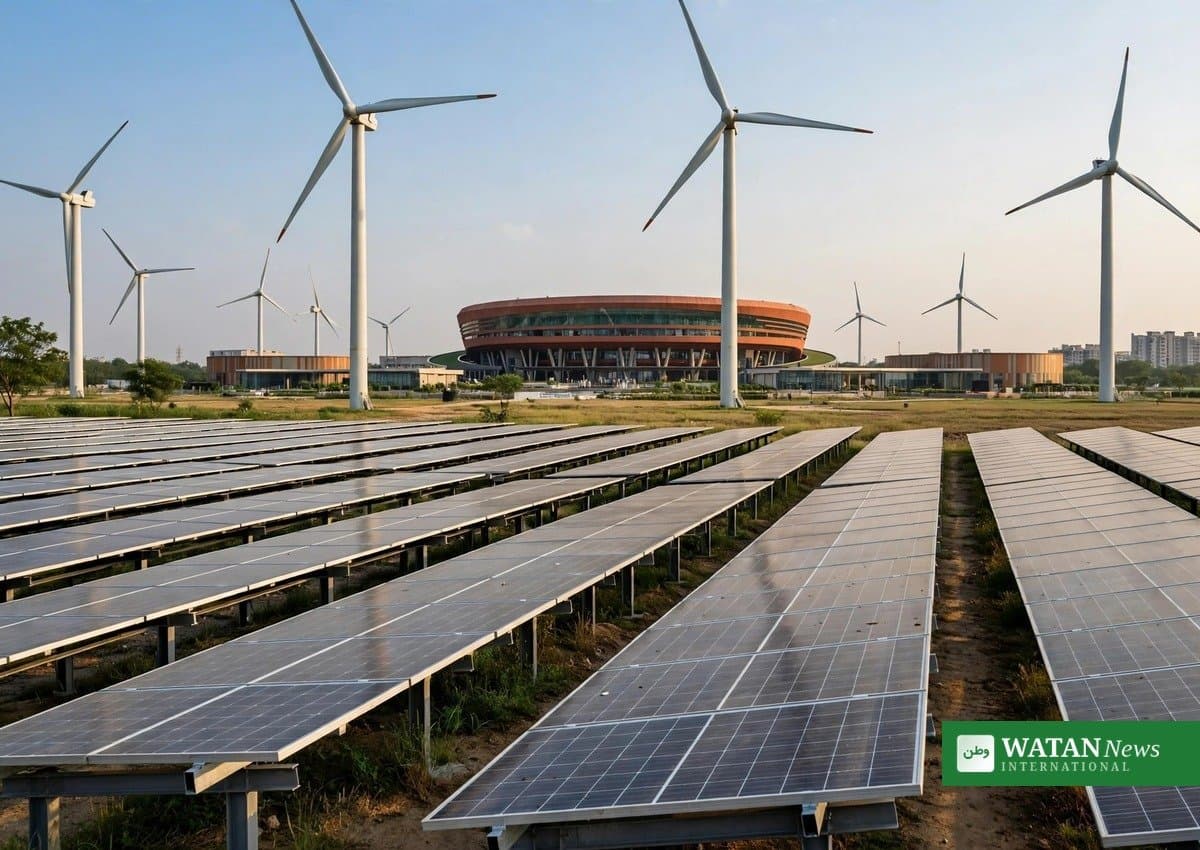
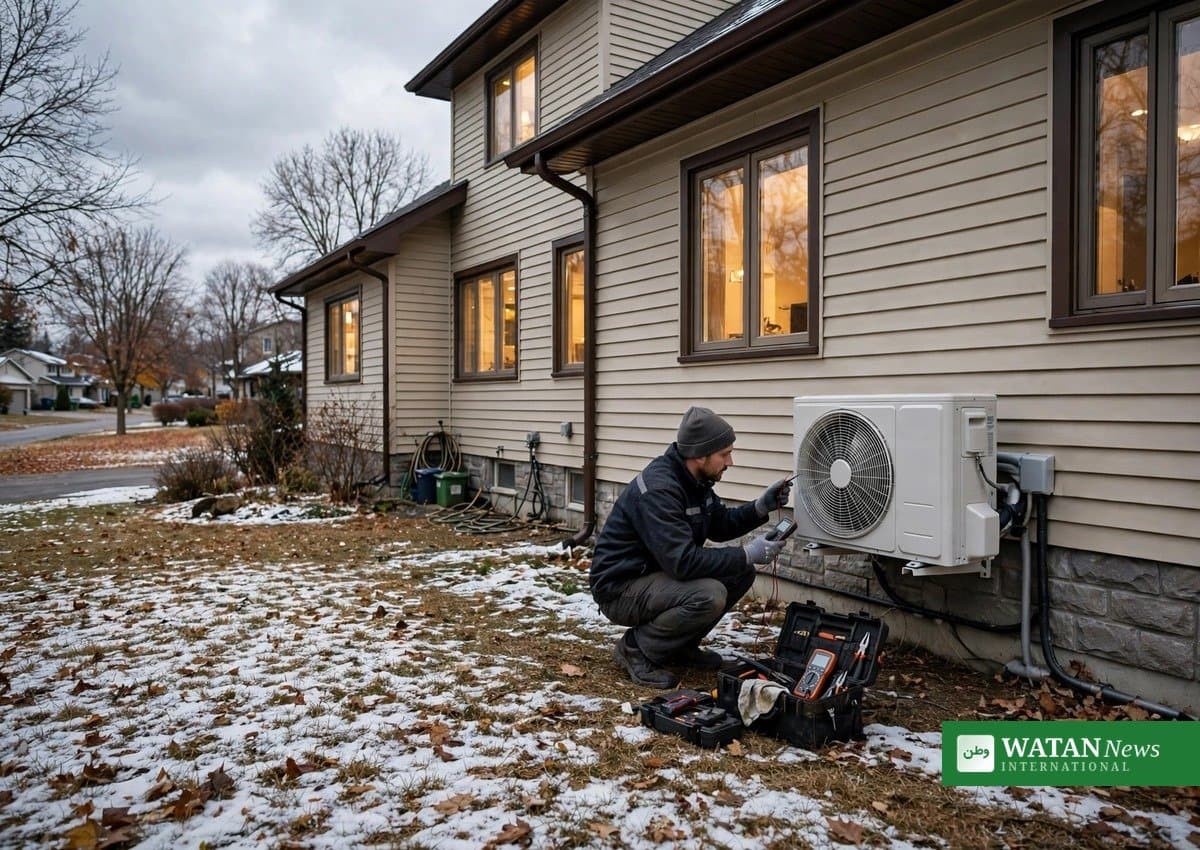
Guterres called on leaders to deliver and then overdeliver on climate pledges. The gap between current national plans and the Paris goals must be closed this decade by tripling renewable energy, doubling efficiency, electrifying economies, cutting methane, halting deforestation and accelerating the move away from fossil fuels.
“Fossil fuel expansion continues — defying science, economics, and common sense,” he said, adding that fossil fuel companies are “banking windfall profits while everyday people foot the bill”.
The finance revolution
Matching the revolution in energy with a revolution in finance was Guterres’s central demand: developed countries should lead efforts to mobilise at least $300 billion a year for developing countries, while overall climate finance should be scaled to $1.3 trillion a year by 2035. Polluters must pay, debt burdens eased when disasters strike, and developing countries given a stronger voice in the international financial system.
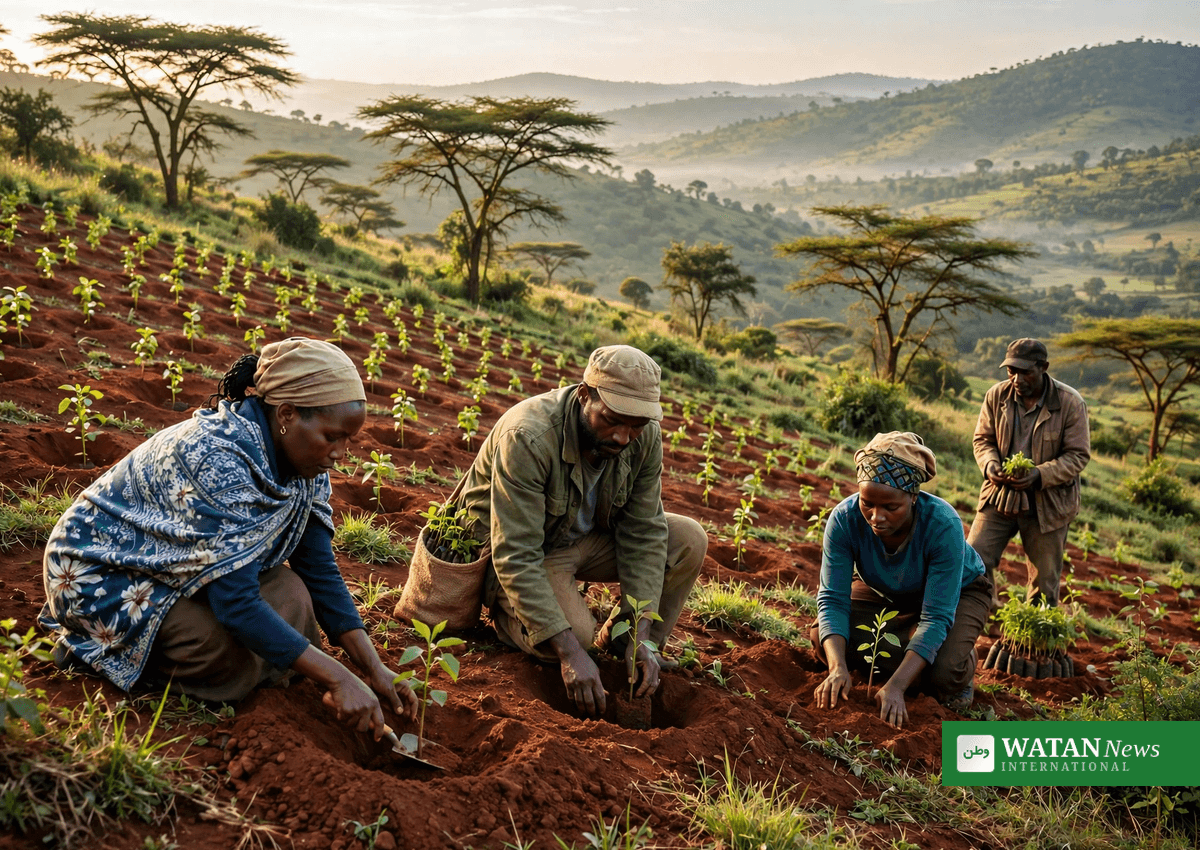
The transition, Guterres added, must be fair: creating jobs, strengthening social protection and allowing developing countries to shape the process and share its benefits.
Grids, minerals and early warnings
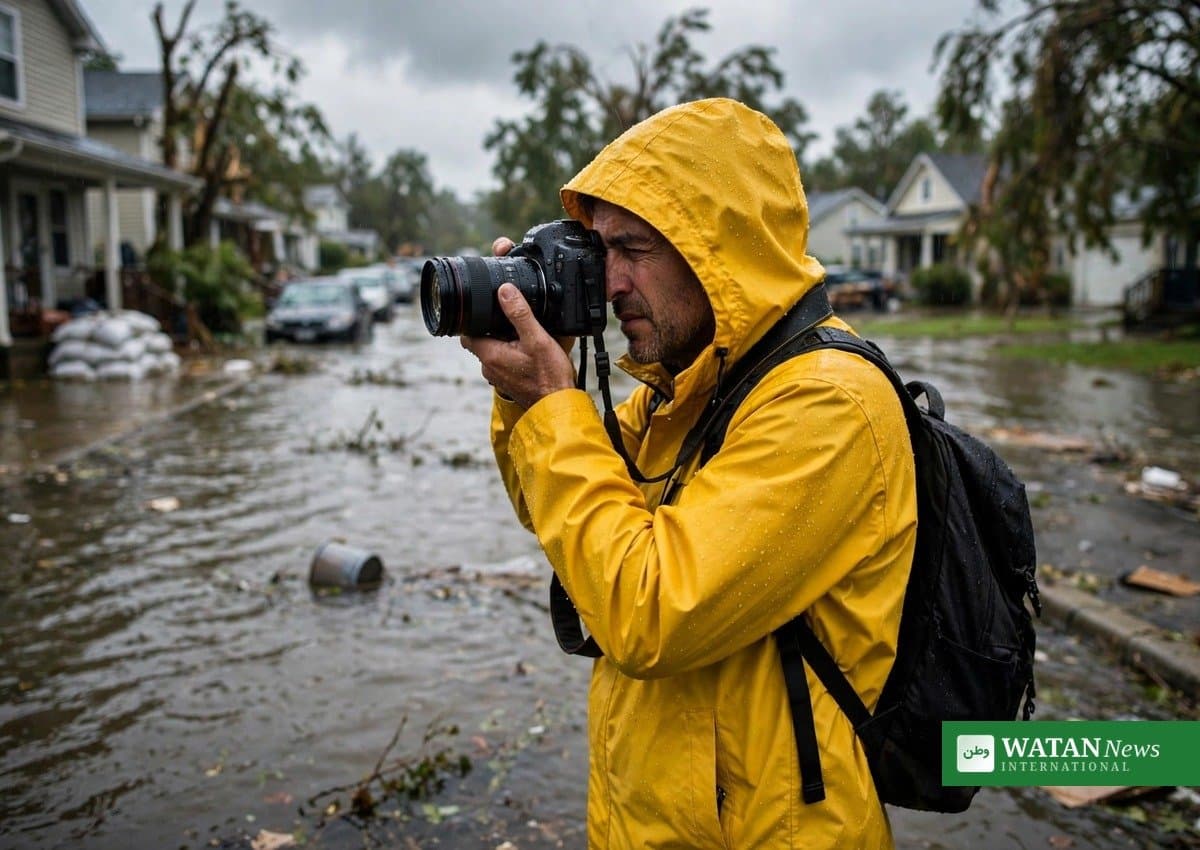
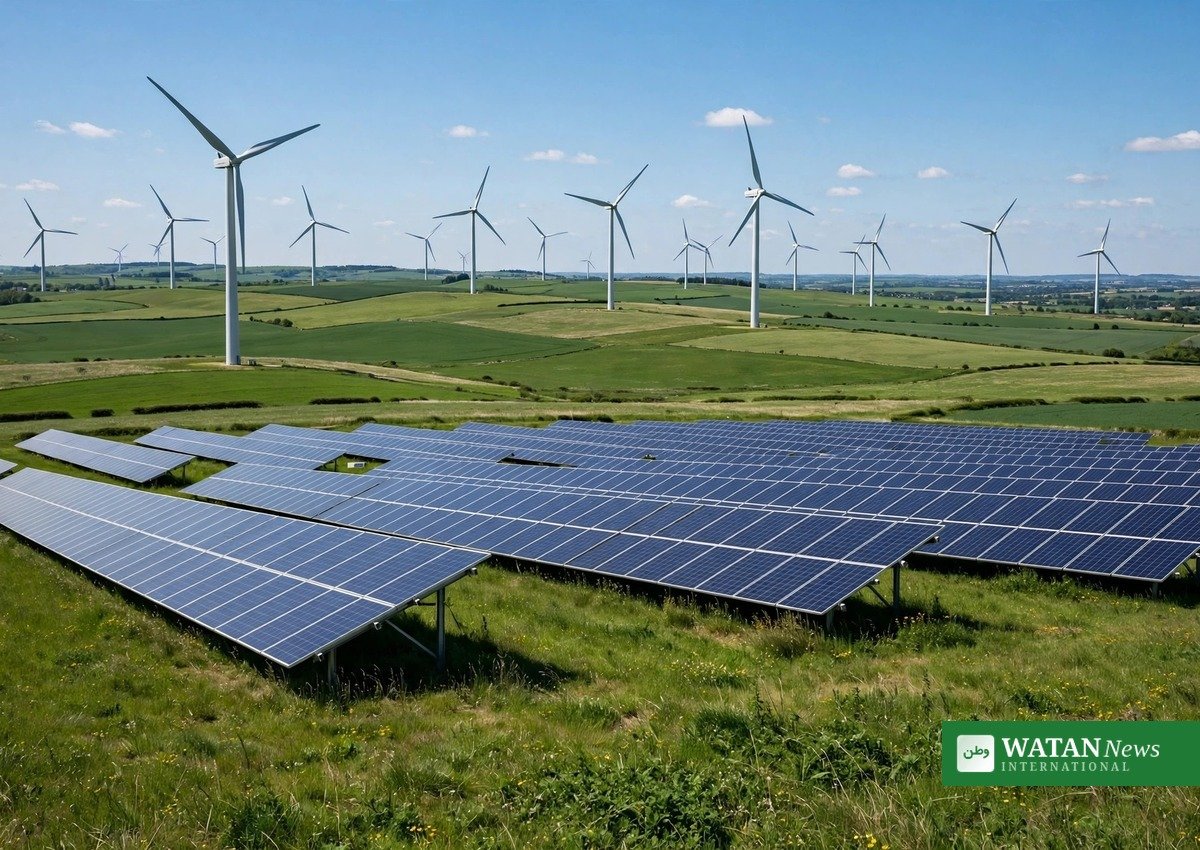
Three new initiatives target the practical barriers slowing climate action. The Global Grids Accelerator will initially focus on Africa and Southeast Asia, where renewable energy is expanding faster than the electricity networks needed to carry it — more than 2,500 gigawatts of renewable projects are currently waiting for grid connections worldwide. The next phase of the Task Force on Critical Energy Transition Minerals will move to new focus countries, alongside a renewed push on early warning systems.
Why it matters
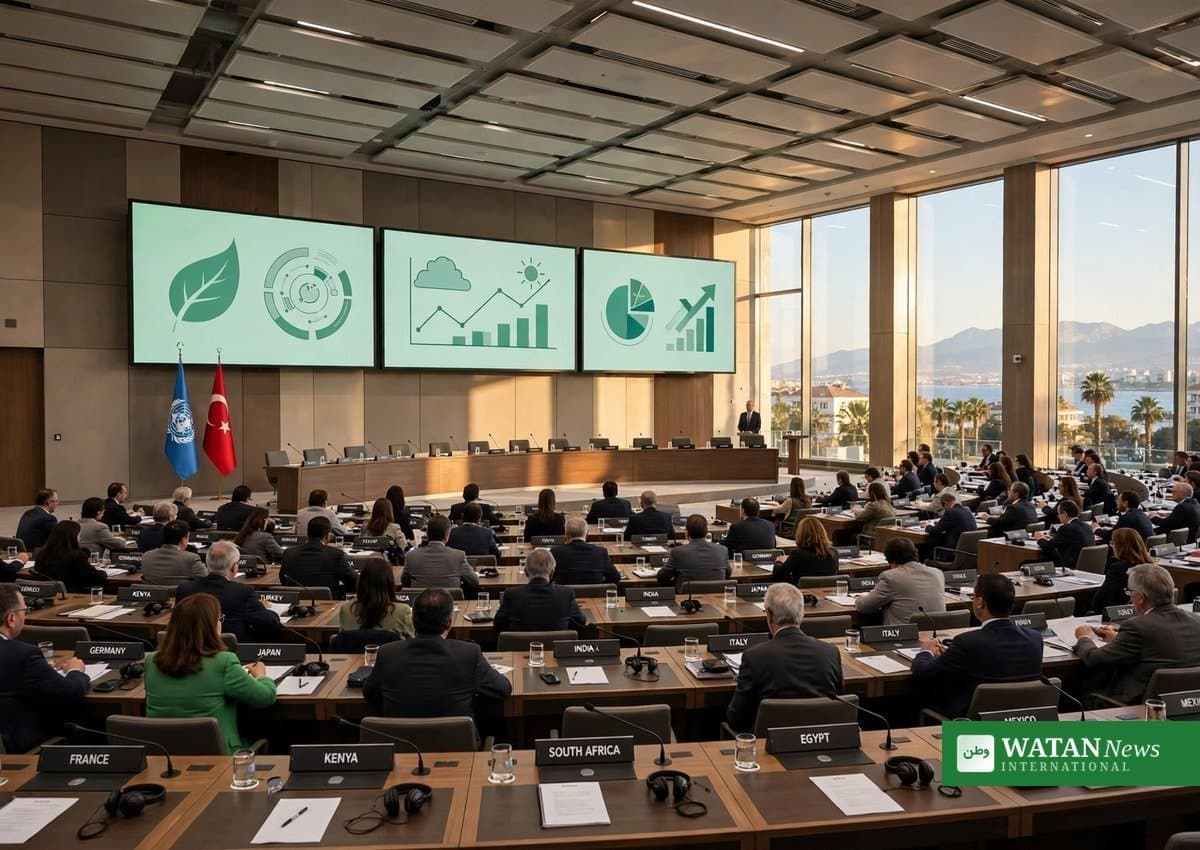
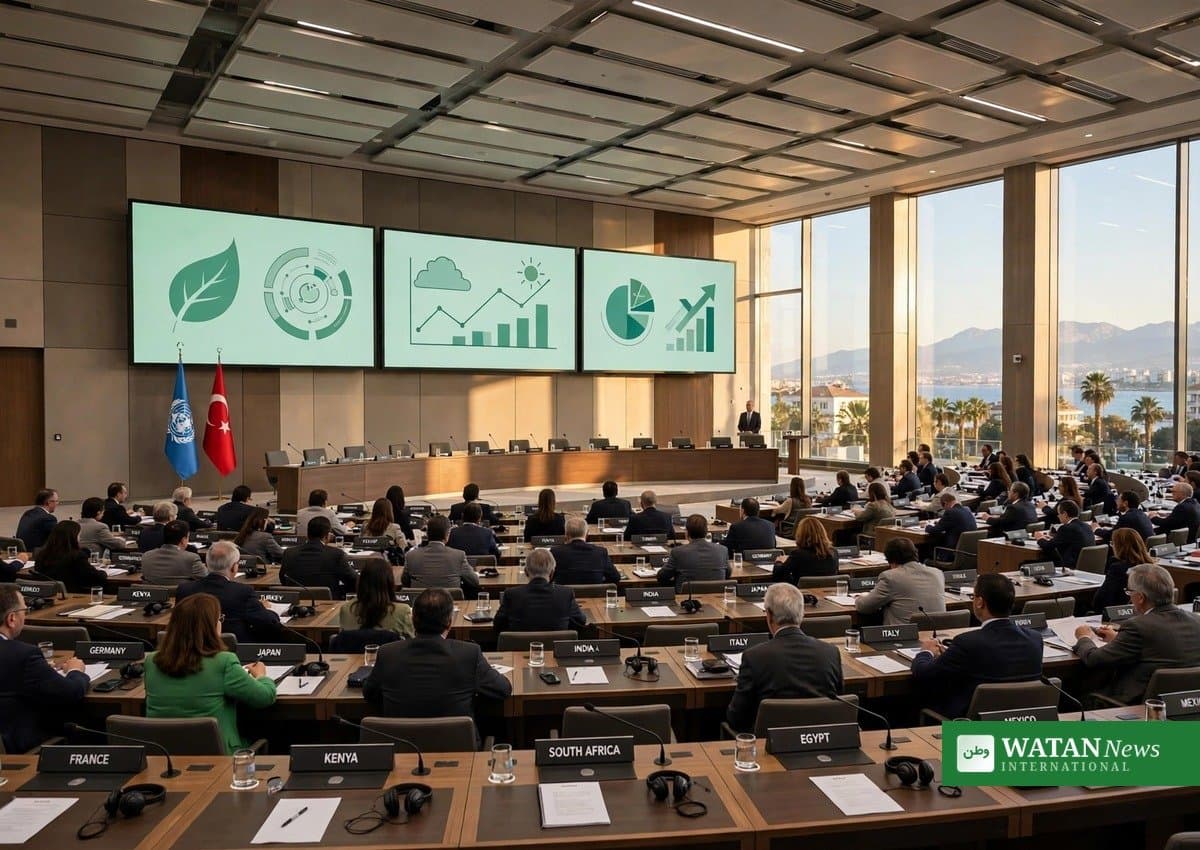
The summit brought together leaders from major economies, vulnerable countries and major energy producers alongside consumers, aiming to turn the fossil-fuel transition from summit language into time-bound national roadmaps — with COP31 in Antalya as the next milestone.