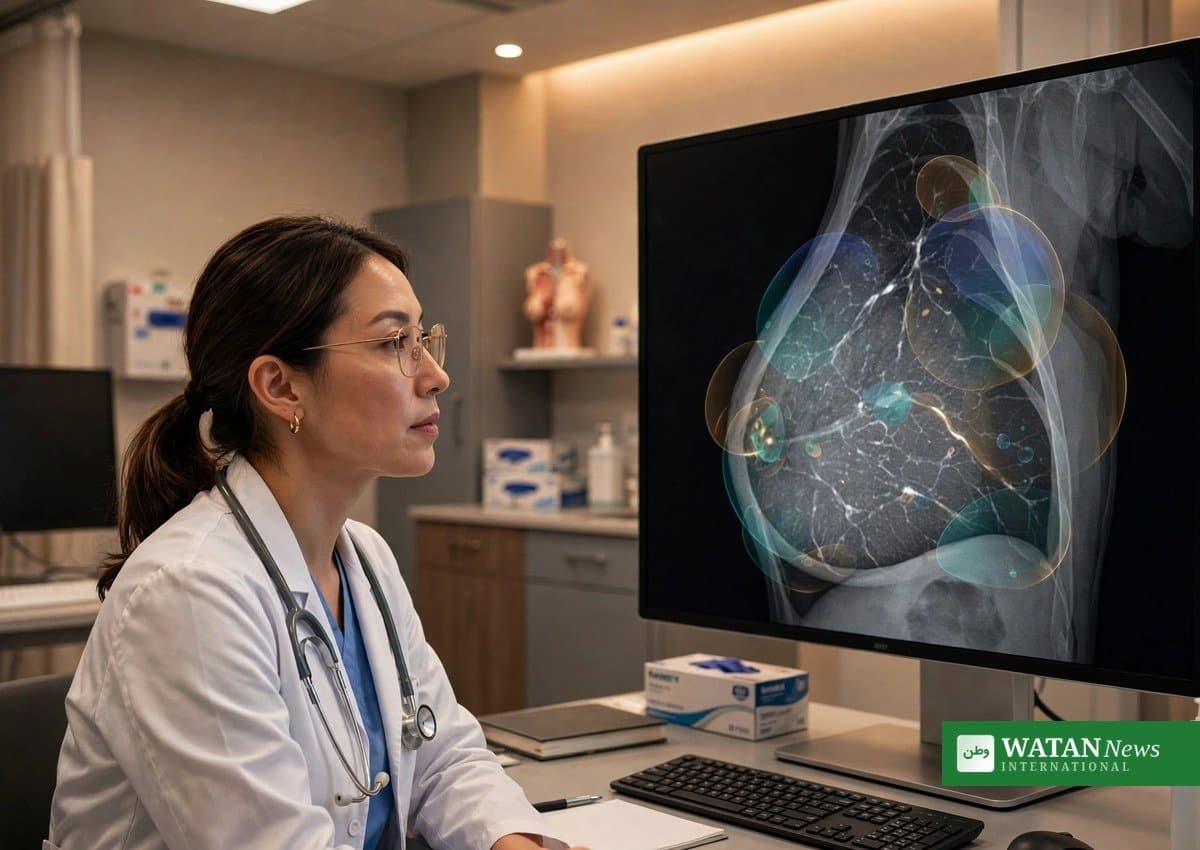
Mexico is turning to artificial intelligence to detect breast cancer earlier, using AI-assisted mammogram analysis to cut long waiting times and stretch a thin supply of specialists. In a country where the vast majority of cases are still diagnosed late, the technology is emerging as a practical force multiplier for radiologists — flagging suspicious scans in minutes so experts can focus where they are needed most.
FAKTA: breast cancer screening in Mexico
- 31,043 breast cancer cases were reported in Mexico in 2022, according to MEIK México figures cited by Mexico Business News.
- The country has only 689 mammography units and 352 certified radiologic technicians — a major driver of late diagnoses in an estimated 85% of cases.
- Breast cancer is the second leading cause of death among women aged 30 to 54 in Mexico; only 18% of women under 40 undergo regular screening.
- Regional provider Mamotest has screened more than 750,000 patients across Latin America using AI-assisted mammography, with 87% diagnosed early enough for treatment (World Economic Forum).
- GE Healthcare’s MyBreastAI Suite is being positioned in Mexico to improve access to preventive screening, the company told Mexico Business News.
How AI breast cancer detection works in Mexico
Hospitals and screening providers are deploying AI systems that analyze mammograms and other breast imaging scans before a radiologist ever looks at them. The algorithms highlight subtle abnormalities — patterns that can be missed by the human eye, especially under heavy workloads — and rank scans by likelihood of malignancy so the most urgent cases reach specialists first.
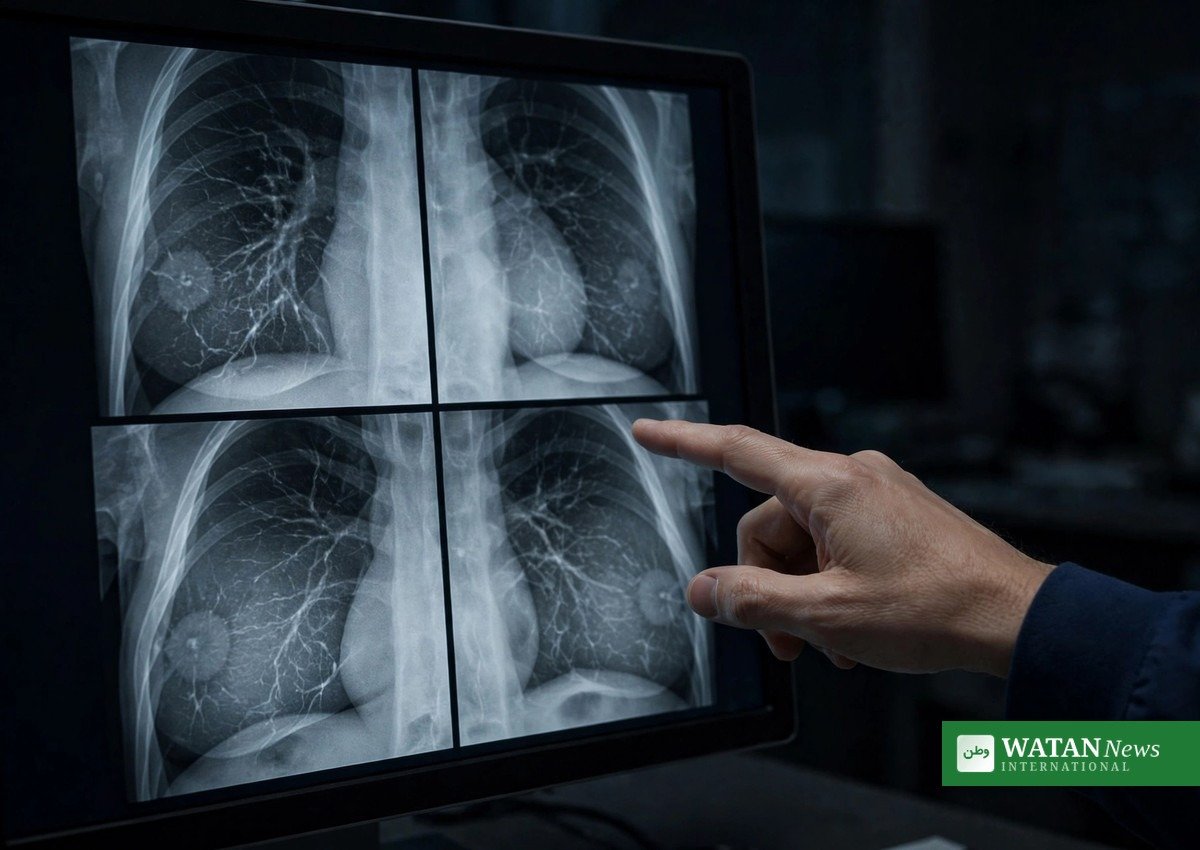
The workflow is deliberately assistive rather than autonomous: AI triages and flags, and a qualified specialist makes the final call. That division of labour matters in Mexico, where diagnostic capacity is concentrated in cities while large rural populations face long journeys to the nearest screening centre.
A force multiplier for scarce specialists
The shortage of radiologists and oncologists is the bottleneck AI is designed to relieve. With only a few hundred certified radiologic technicians nationwide, AI lets a smaller pool of experts review a far larger volume of scans — including remotely, breaking down the geographical barriers between patients in underserved regions and specialists in major hospitals.
Studies of AI-assisted screening suggest the efficiency gains are real: in one large randomised trial, AI-directed reading cut radiologists’ screening workload by 44% while detecting slightly more cancers — roughly one extra cancer per 1,000 women screened. Mexican providers are betting the same arithmetic can shrink waiting times that have historically stretched for weeks or months.
From startups to hospitals: Mamotest and GE Healthcare
Among the most established players is Mamotest, founded in Argentina and operating in Mexico since 2022, which pairs AI mammogram reading — developed with German AI platform Vara — with patient navigation, WhatsApp consultations and links to government programmes. Fast Company reported the company had screened more than 650,000 patients, with 87% diagnosed early enough to treat. Read Fast Company’s profile of Mamotest.
Meanwhile GE Healthcare is pushing its MyBreastAI Suite in Mexico as part of a broader effort to expand preventive care access, and the World Economic Forum has highlighted how Mamotest’s remote-diagnosis model delivers specialist reads within 24 hours to women in remote areas.
Faster results, earlier treatment
Speed is the clinical payoff. Where patients once waited weeks for results, AI systems can process a scan in minutes and immediately escalate suspicious findings — compressing the path from screening to diagnosis to treatment planning. Since early-stage breast cancer is far more treatable than late-stage disease, every week saved can change a prognosis.
That urgency is backed by Mexican data: the progression from stage 0 to stage 1 can take up to two years, but from stage 1 to stage 4 as little as six months, according to figures cited by Mexico Business News — which is why catching tumours when they are smaller and more localized is the central goal of the AI push.
What AI can’t do
Experts urge measured expectations. AI remains a supplementary tool, not a replacement for radiologists: a high-risk score is a prediction, not a diagnosis, and low scores must not breed complacency about regular screening. Adoption in Mexico is also held back by scepticism among clinicians and a shortage of staff trained on AI-powered software — challenges that investment in training and cross-sector validation will need to address. Mexico Business News reports on the barriers to adoption.
Conclusion
Mexico’s embrace of AI for breast cancer detection is a pragmatic response to a hard constraint: too few specialists, too many patients, and diagnoses that come too late. By triaging scans in minutes and extending expert review to remote regions, AI-assisted screening promises earlier detection and better outcomes for thousands of women. The technology will not replace doctors — but in Mexico’s overstretched system, it may be the difference between a cancer caught in time and one found too late. Read the same story on Watan News main domain.