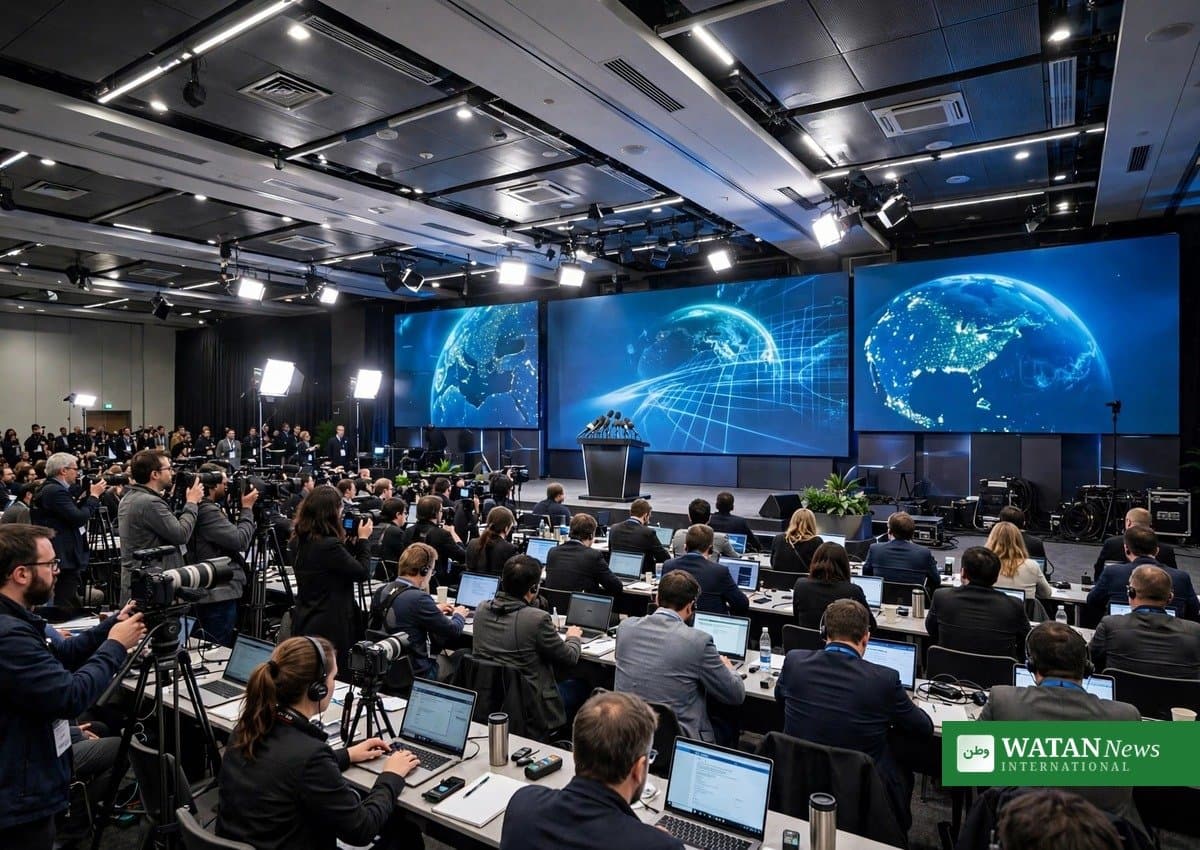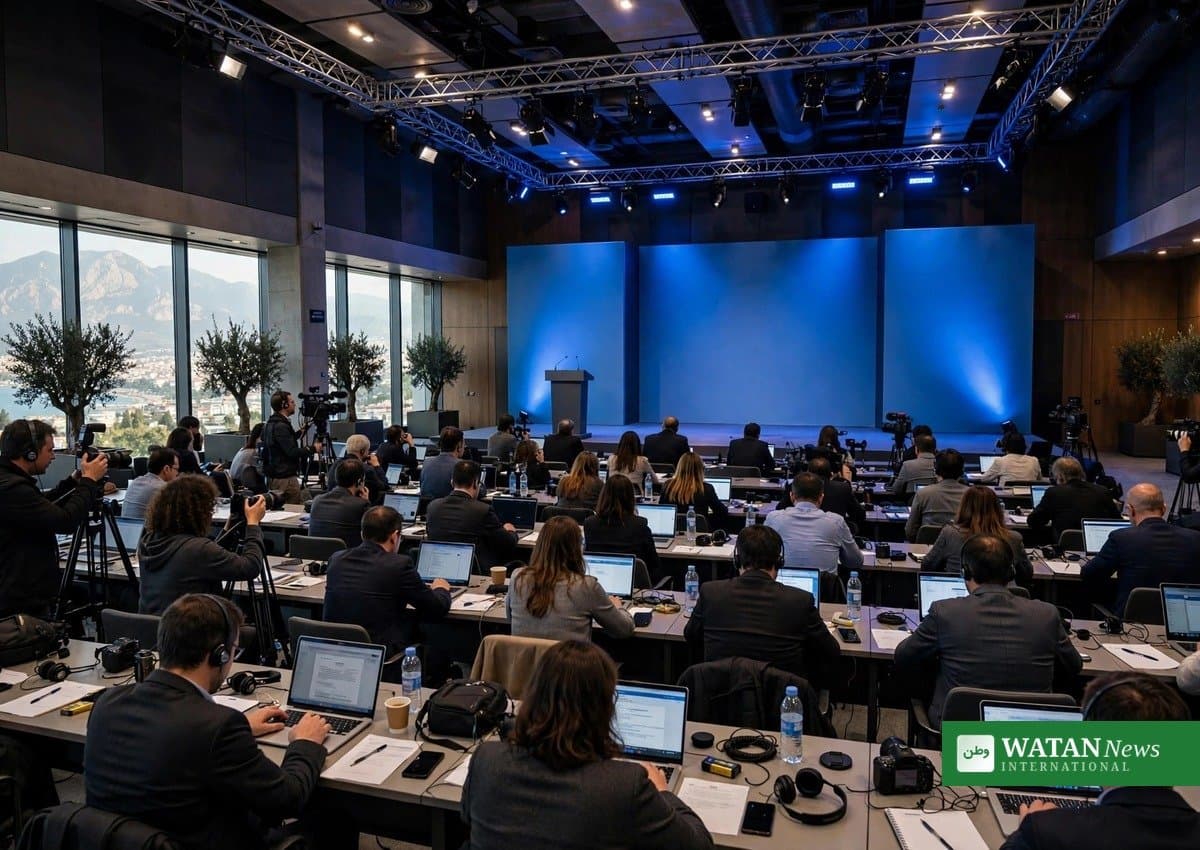
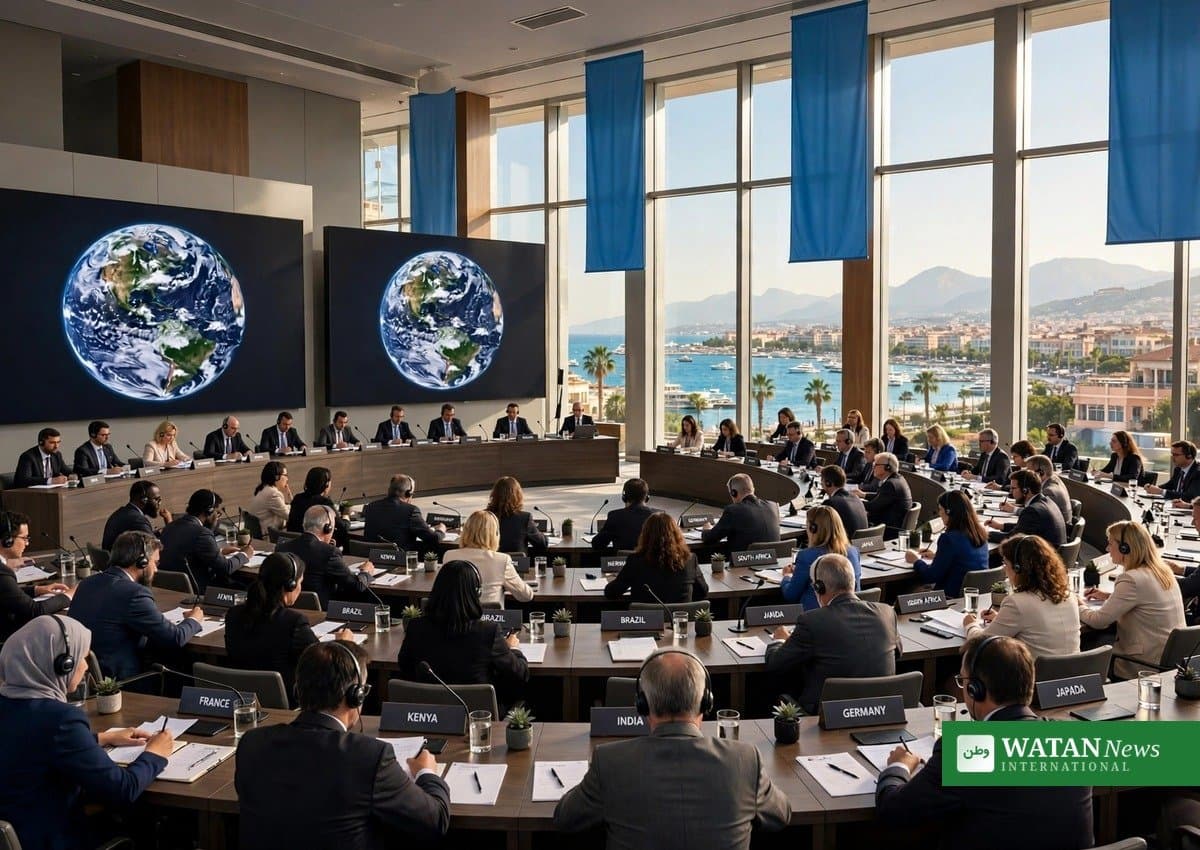
With just over a month to go before COP31 opens in Antalya, Türkiye, the contours of the negotiation agenda are coming into focus. Financing for climate-vulnerable countries, a long-promised roadmap away from fossil fuels, and new mechanisms launched at COP30 in Belém are all expected to sit at the center of the talks, as the Turkish presidency presses to turn existing commitments into concrete results.
The 31st session of the UN Framework Convention on Climate Change (UNFCCC) will take place from 9 to 20 November 2026 in Antalya. Türkiye will hold the COP presidency — led by Environment, Urbanization and Climate Change Minister Murat Kurum — while Australia, through Climate Change and Energy Minister Chris Bowen, leads the formal negotiations. A World Leaders Summit is scheduled for 11–12 November, and the presidency has framed the gathering as an “implementation COP”, focused on delivering what has already been agreed rather than announcing new promises.
Key facts
- What: COP31, the 31st UN climate conference (UNFCCC), hosted and presided over by Türkiye; Australia leads the negotiations.
- When and where: 9–20 November 2026, Antalya, Türkiye; World Leaders Summit on 11–12 November.
- On the agenda: climate finance including the $300 billion annual goal and the Loss and Damage Fund; a roadmap for moving away from fossil fuels; institutional arrangements for the Belém Action Mechanism; and an initial progress report from the Global Implementation Accelerator.
- The test: whether the talks deliver measurable implementation of decisions made at COP29 in Baku and COP30 in Belém.
Finance at the center of the COP31 Antalya negotiations
Climate finance is expected to dominate the negotiating halls. Negotiators will discuss the commitment by developed countries to provide $300 billion annually in climate finance to developing countries — the core of the new collective quantified goal on climate finance (NCQG) agreed at COP29 in Baku, whose operationalisation is now on the table in Antalya.
Financing for the Loss and Damage Fund is also expected to remain a major issue. Vulnerable countries are pressing for faster delivery of funds to communities already hit by climate disasters, and the European Parliament’s environment committee has warned against double-counting or re-categorising existing funds to meet the new finance goals. Watan News earlier reported how the climate finance debate has shaped each recent summit.

The fossil-fuel roadmap
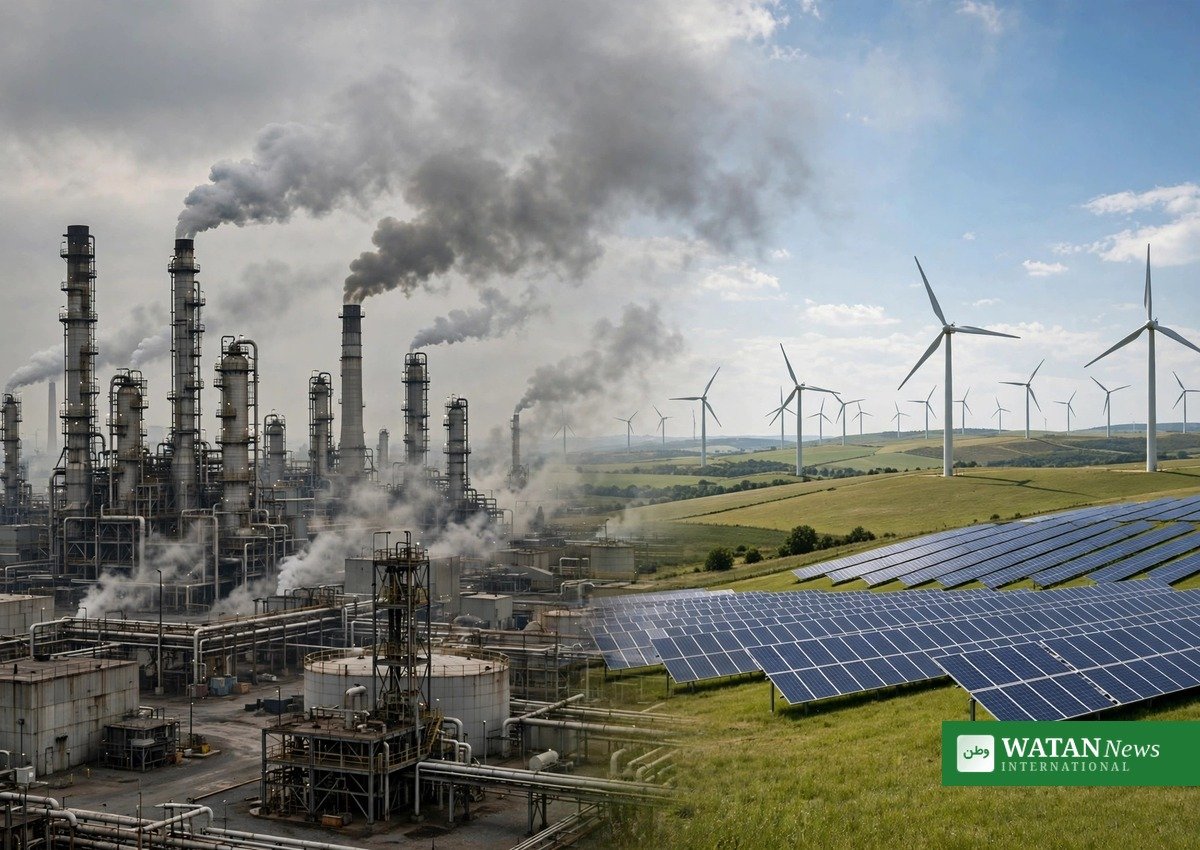
A roadmap for moving away from fossil fuels is likely to be one of the most difficult negotiating issues. At the close of COP30, then-president André Corrêa do Lago announced plans to create such a roadmap — for a transition that is just, orderly and equitable — after efforts to agree one at Belém faced opposition from oil-producing countries.
According to a report from Ankara, high-level discussions led by Colombia and the Netherlands are now preparing a document on the issue, to be submitted to the Turkish COP31 presidency for consideration. Whether the fossil-fuel transition enters the formal negotiated outcome in Antalya will be a defining measure of the summit’s ambition.
New mechanisms, first progress reports
Antalya is also expected to give shape to two initiatives launched at COP30. The Belém Action Mechanism, adopted in Belém with people and equality at its center, is designed to coordinate support for a just transition — helping workers and communities in fossil-fuel dependent economies. Its institutional arrangements are to be defined during the talks.
Separately, an initial progress report under the Global Implementation Accelerator — the voluntary platform launched at COP30 to help countries turn their national climate plans (NDCs) into real action — is expected to be submitted to the Turkish presidency, offering an early read on whether national plans are becoming national projects.
What’s next
The COP31 presidency’s broader agenda spans food security, water efficiency, agriculture, public health, energy security, electrification, power grids, the circular economy, methane emissions, zero waste, climate-resilient cities, disaster risk management, green finance, carbon markets, green industrialization, digitalization, biodiversity, a just transition and marine ecosystems. Alongside the official talks, civil society groups are planning an alternative gathering — the People’s Climate Summit for Climate Justice — in Antalya from 14 to 18 November, according to its organizers. With the Pre-COP meeting under way in Fiji and Tuvalu this week, the road to Antalya is now fully open.