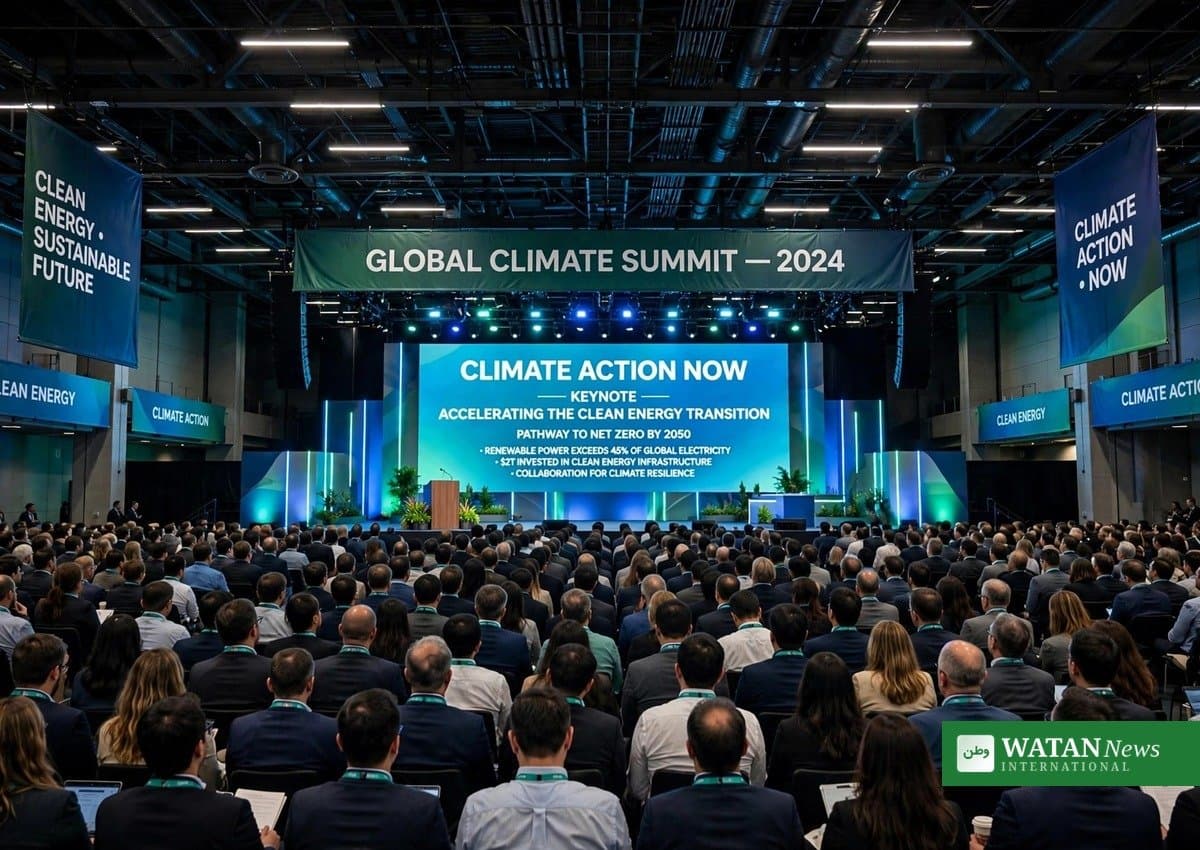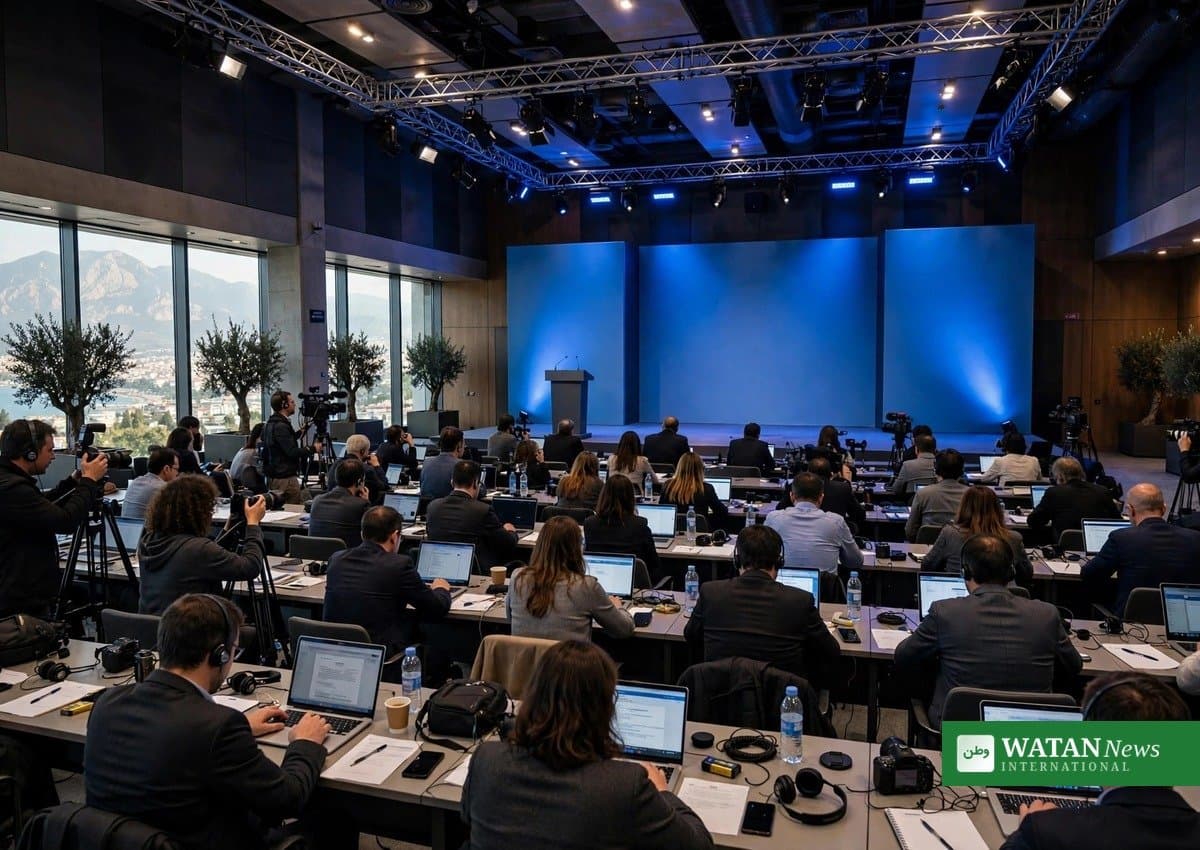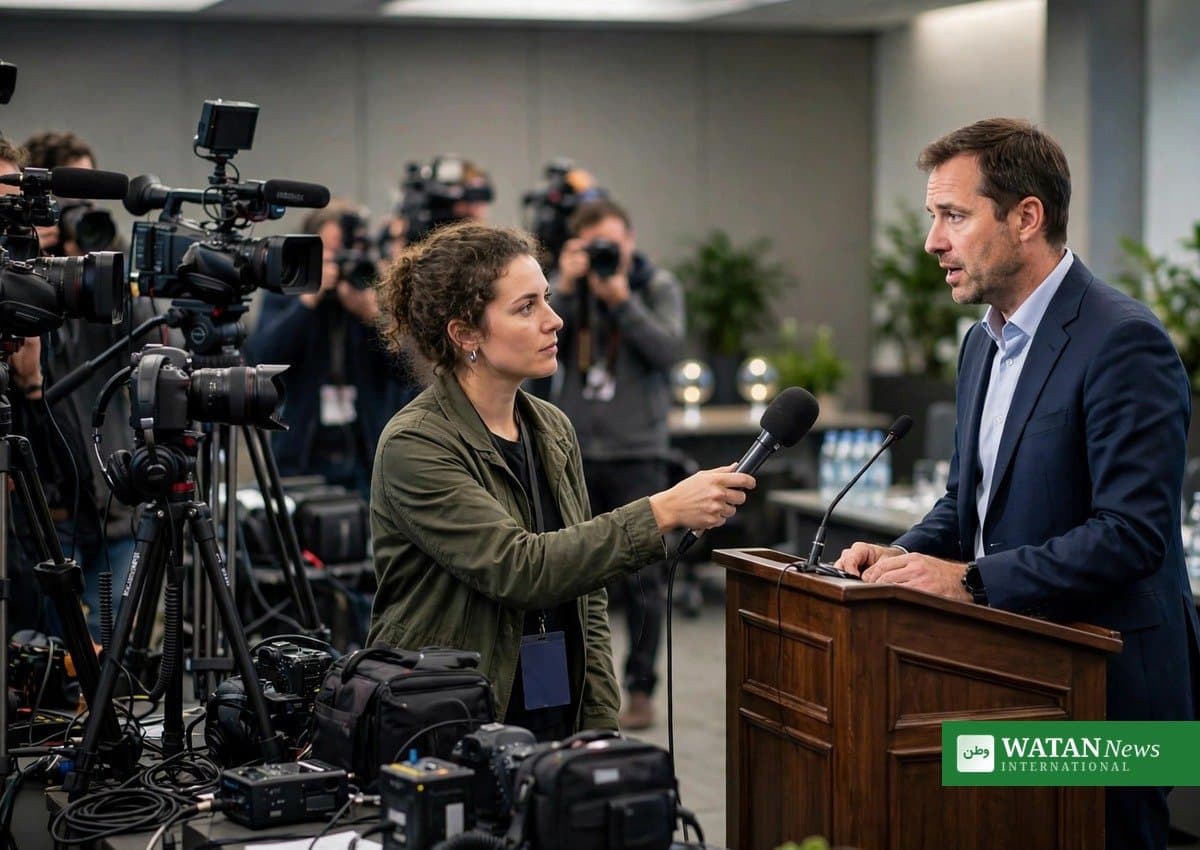
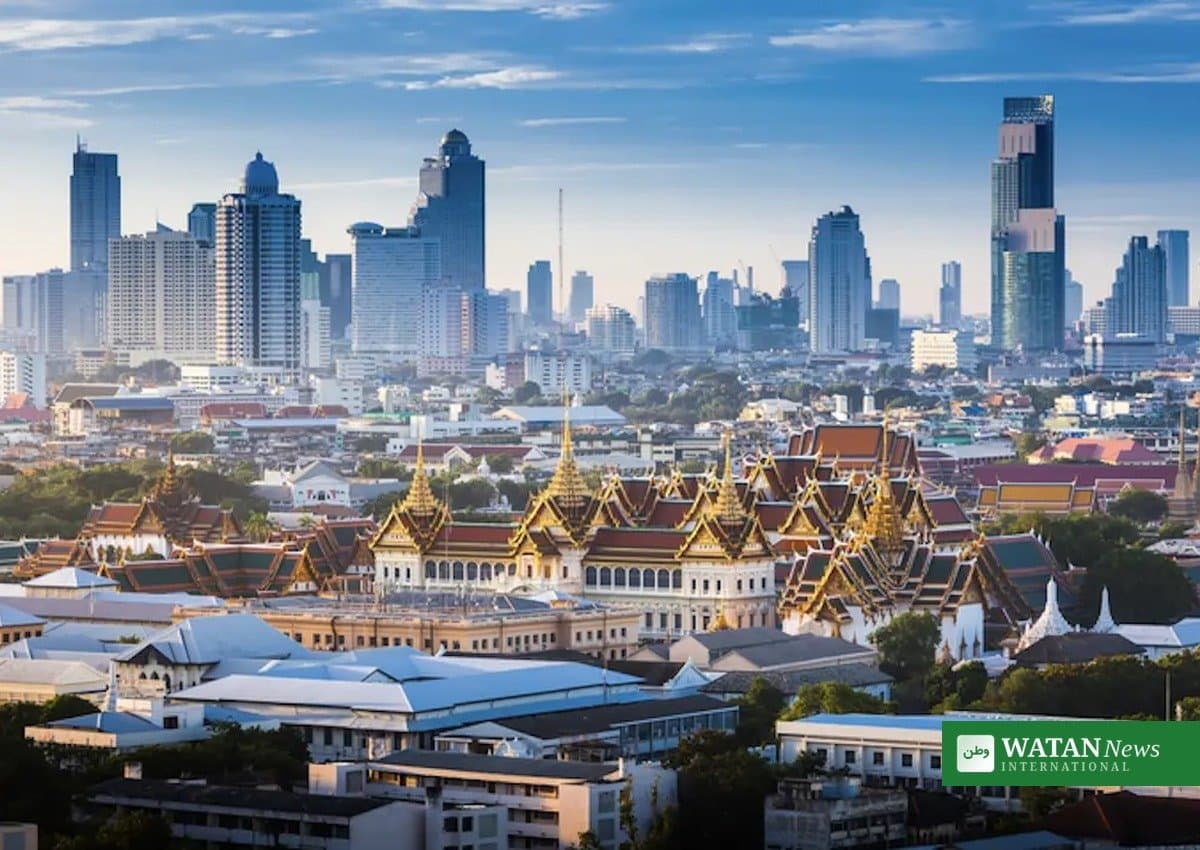
The ESG Symposium 2026 is moving from dialogue to action. In an announcement issued from Bangkok under the theme “ASEAN in Action: Powering Inclusive Green Transition”, the symposium is advancing three key agendas — Energy Transition, Just Transition and Climate Adaptation — through Public-Private-People Partnership (4P) collaboration, organisers said on 7 October 2026.
FAKTA: ESG Symposium 2026 at a Glance
- Event: ESG Symposium 2026, a regional sustainability platform announced in Bangkok, Thailand.
- Theme: “ASEAN in Action: Powering Inclusive Green Transition”.
- Three agendas: Energy Transition, Just Transition and Climate Adaptation.
- Approach: Public-Private-People Partnership (4P) collaboration to move from policy to implementation.
- Organisers: SCG together with the World Business Council for Sustainable Development (WBCSD) and partners from all sectors.
ESG Symposium 2026: From Proposals to Real Action
According to the organisers, the symposium is advancing from a forum for dialogue to regional-level action. It builds on last year’s proposals to push three key agendas — Energy Transition, Just Transition and Climate Adaptation — and links them with 4P collaboration in order to move approaches from the policy level to implementation in the business sector and local communities.
The organisers say lessons from Thailand will also be brought into consideration for adaptation in other ASEAN contexts, as the region works toward a green economy and green jobs that distribute opportunities and strengthen the region’s resilience.
ASEAN’s Key Challenges on the Table
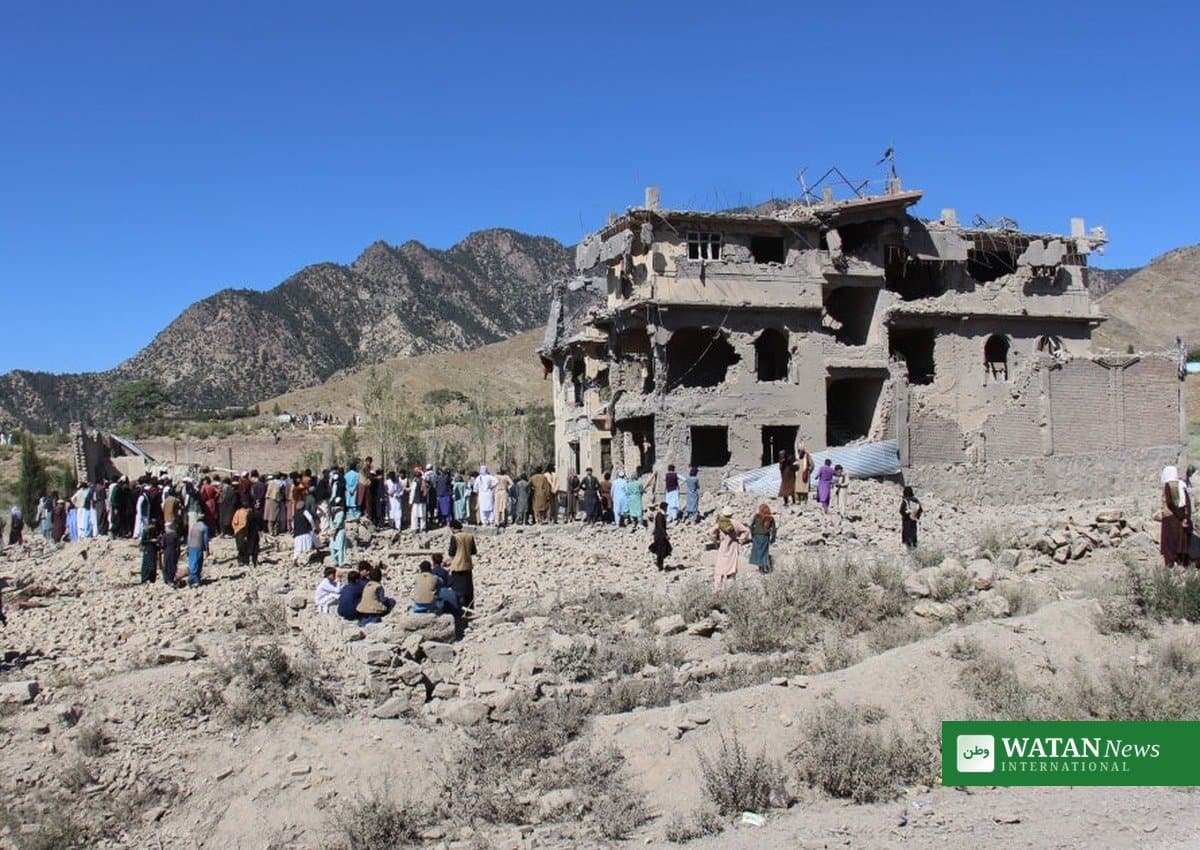
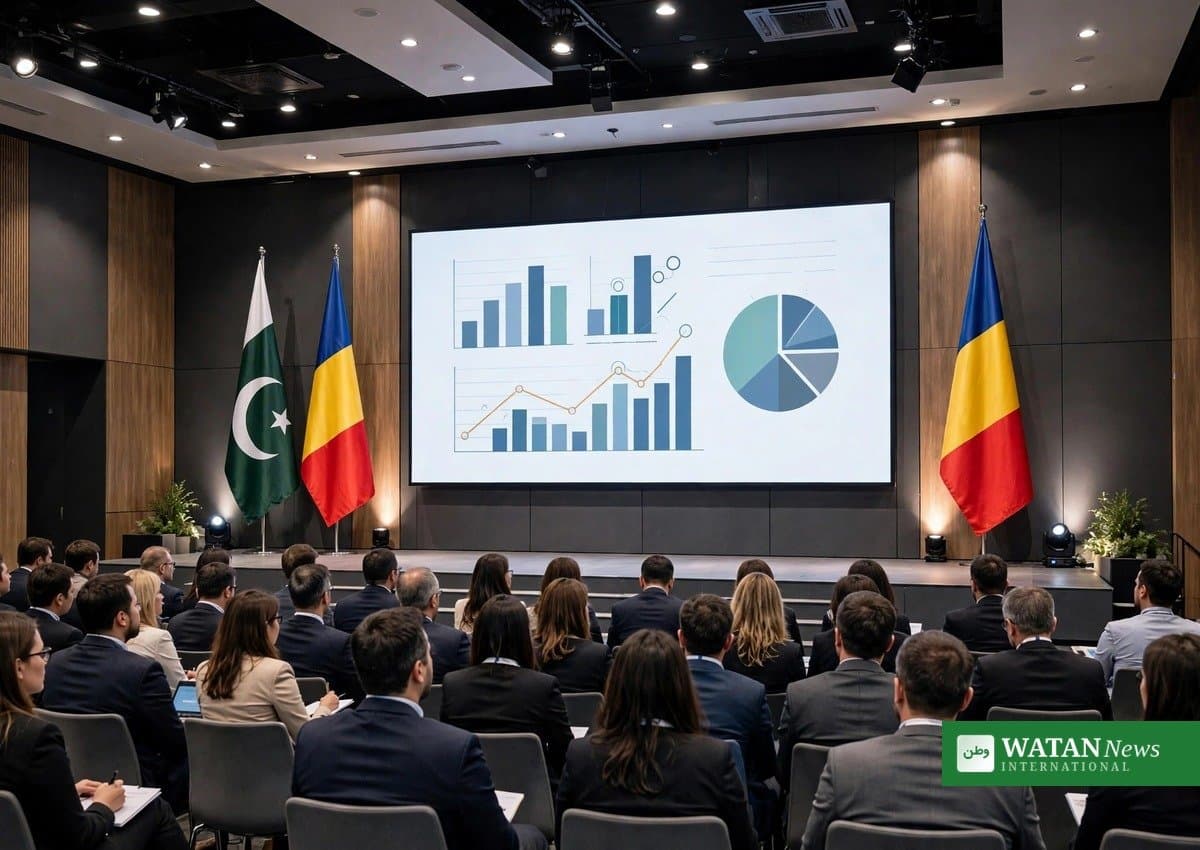
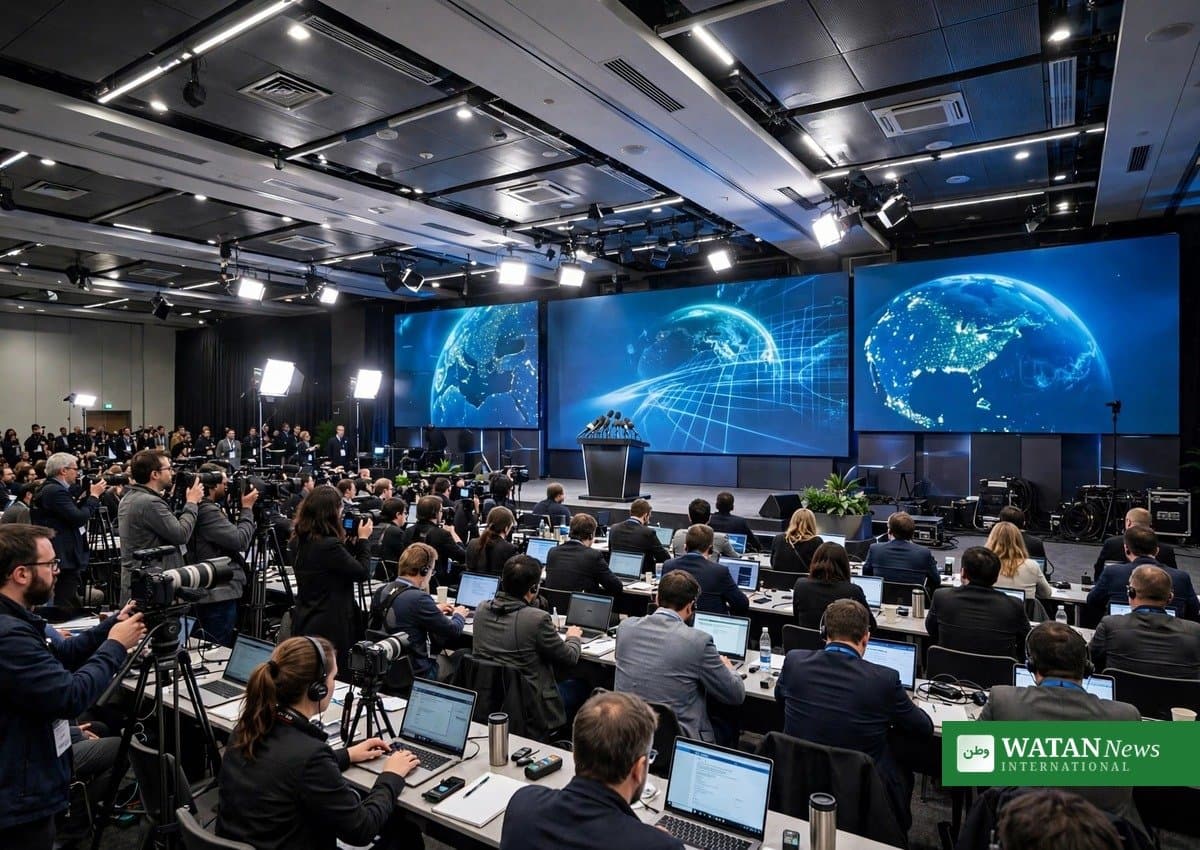
The symposium connects leaders and experts from government, business, finance, international organisations and academia to exchange knowledge and practices, the organisers said. The aim is to shape responses to what they describe as ASEAN’s key challenges: energy security, adaptation to climate change, and the creation of a green economy.
Joe Phelan, Executive Director for Asia Pacific at the World Business Council for Sustainable Development (WBCSD), said the sustainability transition is linked to competitiveness, security and investment — presenting both a significant challenge and an important opportunity for ASEAN. He said the key lies in connecting policy, investment, technology and people through collaboration among government, business, the financial sector and communities, in order to drive ASEAN toward sustainable growth over the long term.
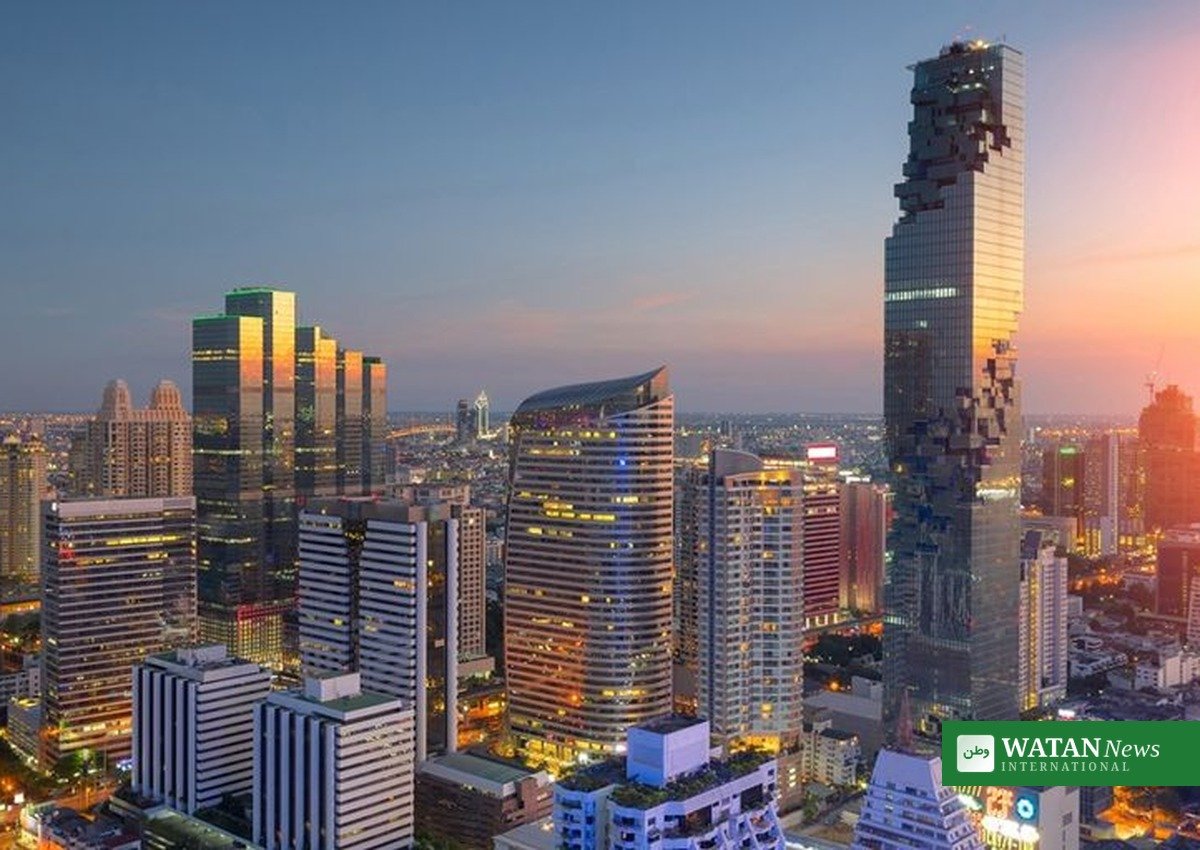
What the 4P Model Means
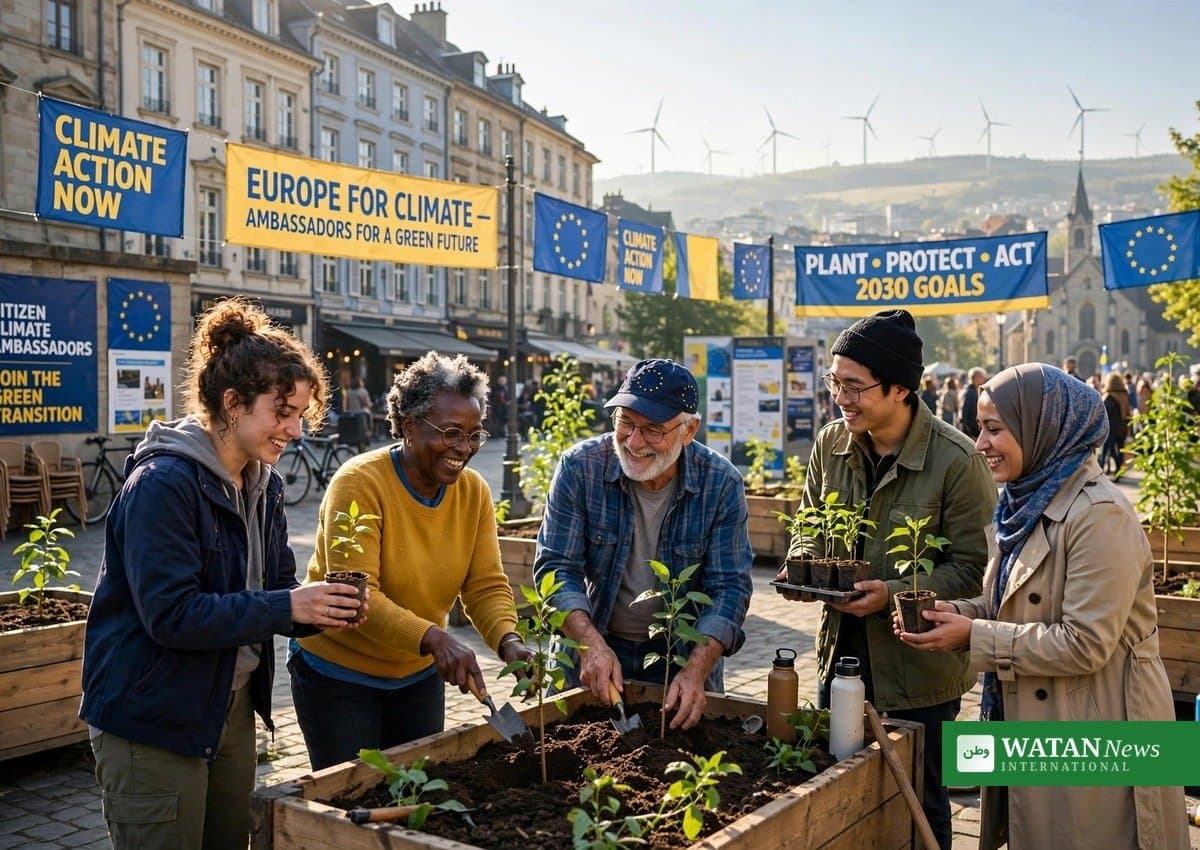
The Public-Private-People Partnership (4P) model at the heart of this year’s symposium brings government, business and communities together, the organisers said. Rather than stopping at policy proposals, the symposium is designed to carry approaches into implementation in the business sector and in local communities.
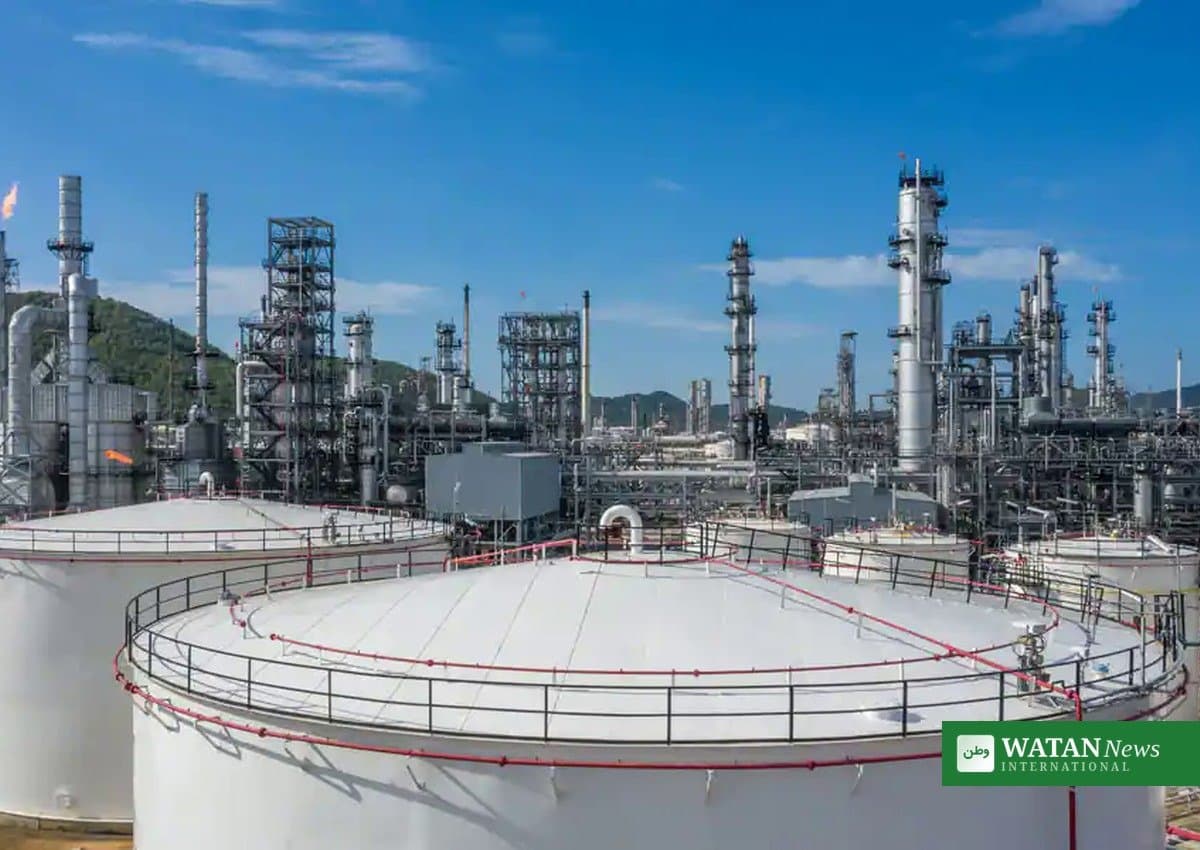
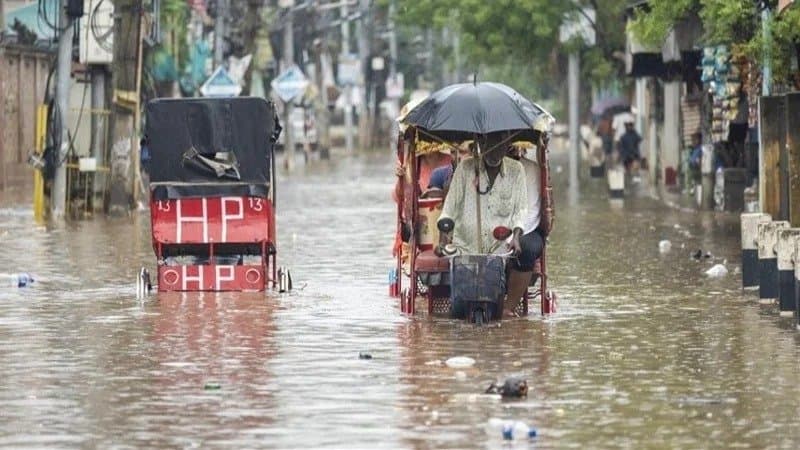
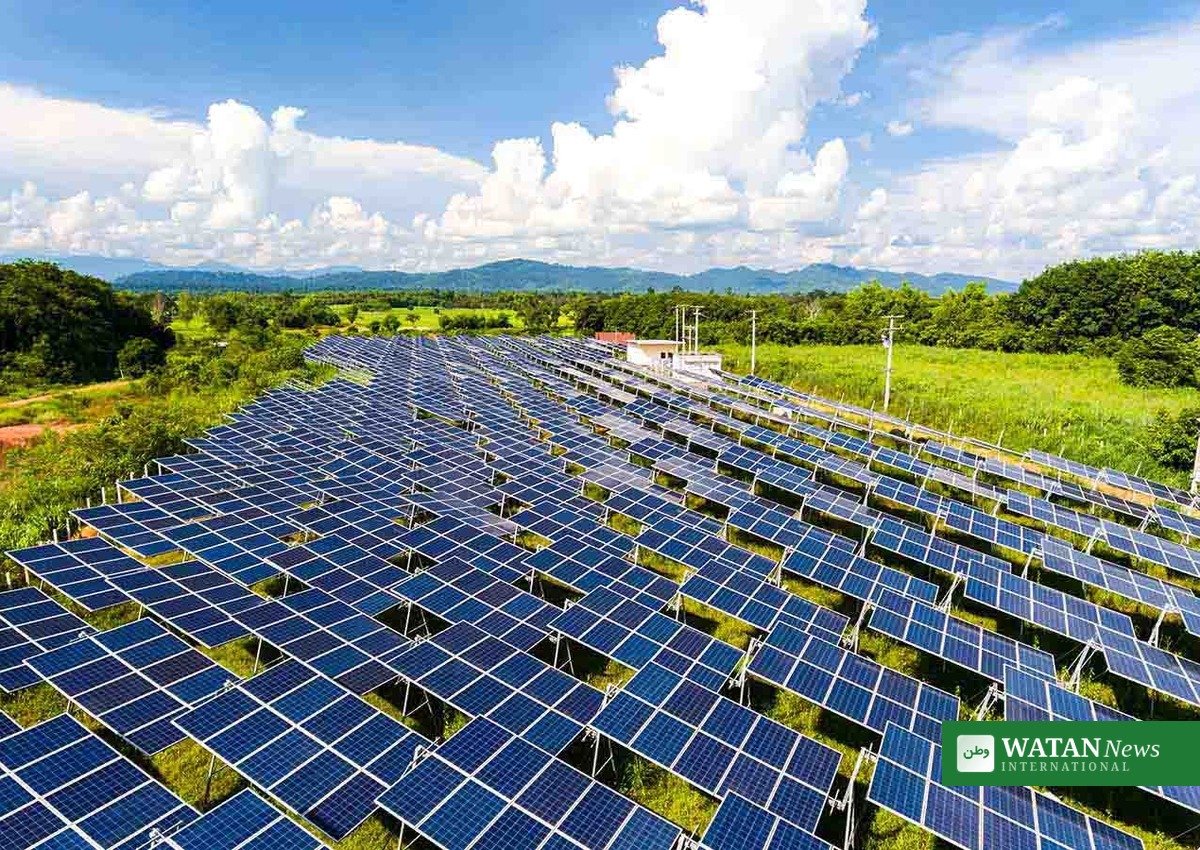
Energy Transition covers the region’s shift toward cleaner and more secure energy systems, while Just Transition focuses on making that shift fair for workers and communities. Climate Adaptation addresses how ASEAN societies can prepare for and withstand the impacts of a changing climate.
For more on Asia and sustainability, see Watan News Asia coverage.
Conclusion
With ASEAN facing mounting climate and energy pressures, the ESG Symposium 2026 signals a shift from talk to implementation. Whether the 4P collaboration model can turn regional proposals into tangible action will be the real measure of this year’s initiative.